
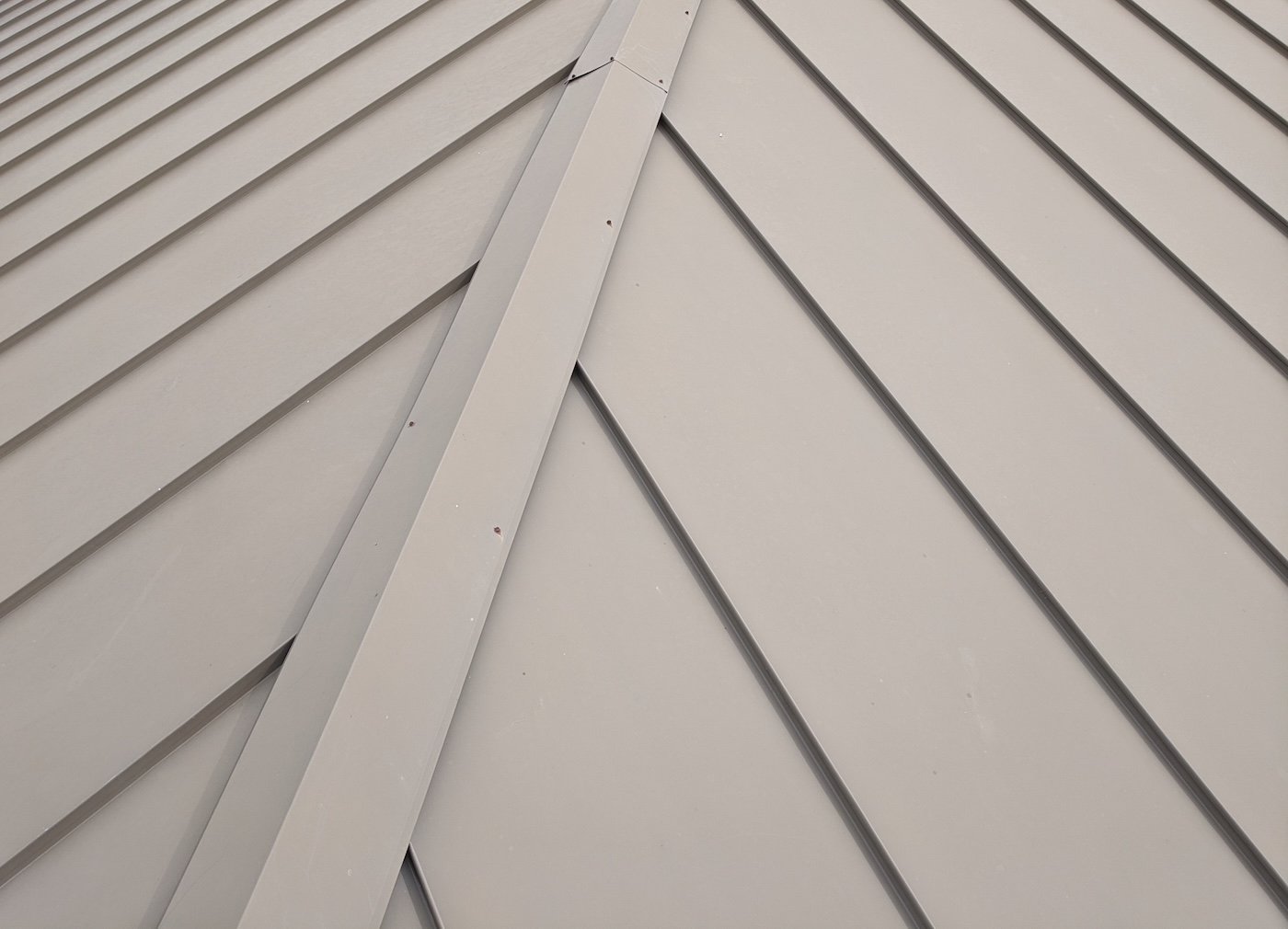
Metal Roof Ridge Cap (Purpose, Installation & More)
10/01/25
8 Min Read
If you’ve been researching metal roofing systems, you’ve probably come across the term metal roof ridge cap. This critical component is more than just a finishing touch—it protects your roof from water intrusion, improves ventilation, and ensures your system performs as designed. Whether you’re considering a new installation or maintaining an existing one, understanding the role of ridge caps is essential.
Here’s what you’ll learn in this guide:
- Purpose: Why ridge caps are a key part of roofing systems.
- Installation: How professionals install them correctly.
- Benefits: Long-term advantages for protecting your property.
What Is a Ridge Cap?
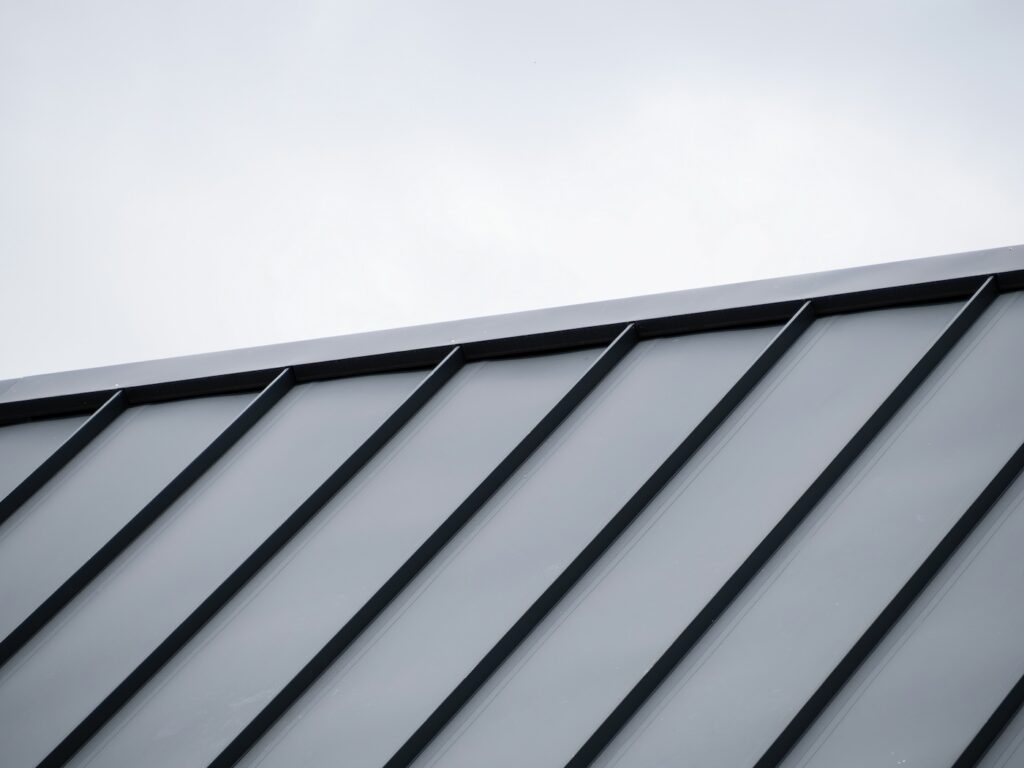
A ridge cap is a metal covering that seals the joint where two slopes meet at the peak. Without this protection, rain, snow, and debris could penetrate the seam and damage the underlying structure. Ridge caps not only provide weatherproofing but also add a finished look to your property.
In Elyria, OH, and nearby cities, ridge caps play an especially important role due to the region’s heavy snowfall and frequent rainstorms. By preventing water intrusion at one of the most vulnerable points of a structure, ridge caps help extend the life of the entire system.
Purpose of a Ridge Cap
Ridge caps are specifically designed to protect your home from the elements. Here are the main reasons they’re an indispensable part of any roofing system:
- Waterproofing: Prevents leaks at the peak where panels meet.
- Ventilation: Many ridge caps include vented designs that allow heat and moisture to escape.
- Structural integrity: Helps secure panels in place, reducing the risk of wind damage.
- Aesthetics: Provides a clean, finished appearance to the roofline.
| Aspect | Details |
|---|---|
| Primary Purpose | Seals the roof peak where two metal panels meet to prevent water intrusion |
| Key Benefits | Leak prevention, improved ventilation, wind resistance, finished appearance |
| Common Materials | Steel, aluminum, copper (must match roofing material to avoid corrosion) |
| Ventilation Options | Solid (non-vented) or vented ridge caps with airflow channels |
| Installation Requirements | Proper alignment, manufacturer-approved fasteners, closures or sealant |
| Best For | Residential and commercial metal roofing systems |
| Typical Lifespan | 30–50+ years when properly installed and maintained |
| Climate Importance (Ohio) | Protects against snow buildup, ice dams, wind-driven rain |
5 Step Installation Process for Metal Roof Ridge Cap
Professional installation is key to ensuring ridge caps perform correctly, as proper alignment and sealing protect against leaks and wind damage. Here’s a breakdown of the process:
Step 1: Preparing the Ridge
Before installing the metal ridge cap, the ridge line is thoroughly cleaned of debris, metal shavings, and old fasteners. The installer inspects the ridge for structural issues such as uneven decking, warped panels, or exposed fastener holes that could lead to leaks.
Depending on the roof design, underlayment, ridge vent material, or foam closure strips are installed along the ridge. These components help seal gaps between the metal panels and the ridge cap, blocking wind-driven rain, snow, insects, and dust while still allowing proper airflow if the roof is ventilated.
Step 2: Measuring and Cutting
Accurate measurements are taken along the entire ridge to ensure the ridge cap provides full coverage without coming up short or extending excessively. Ridge caps are typically cut with metal-safe tools to maintain clean edges and prevent corrosion.
Custom cuts may be required around roof features such as chimneys, skylights, or intersecting rooflines. Precision here is critical—poor cuts can create gaps that compromise weather resistance and shorten the roof’s lifespan.
Step 3: Positioning the Cap
The ridge cap is carefully aligned over the roof peak, overlapping the metal panels evenly on both sides. This overlap ensures water sheds properly and prevents wind from lifting the cap during storms.
Installers verify that the cap sits flush without rocking or bowing, which can happen if the ridge isn’t level or closures aren’t installed correctly. Proper positioning also improves the finished appearance of the metal roof.
Step 4: Securing the Cap
The ridge cap is fastened using manufacturer-approved metal roofing screws, typically with neoprene washers to create a watertight seal. Fasteners are spaced evenly to prevent movement, rattling, or wind uplift.
In high-exposure or extreme-weather areas, additional sealant, butyl tape, or closure strips may be applied beneath the cap for enhanced protection against moisture intrusion and ice buildup.
Step 5: Final Inspection
After installation, the ridge cap is inspected to confirm all fasteners are tight, seals are intact, and there are no visible gaps or misalignments. If the roof includes a ridge vent system, airflow is checked to ensure proper attic ventilation.
The final step ensures the ridge cap not only looks clean and professional but also performs its critical role in preventing leaks, improving ventilation, and extending the life of the metal roof.
Types of Ridge Caps
Not all ridge caps are the same, and homeowners can choose from several styles depending on their roofing system, design preferences, and desired level of durability.
Standard Ridge Cap
- Function: Provides basic coverage and sealing.
- Best for: Simple rooflines without added ventilation needs.
Vented Ridge Cap
- Function: Allows airflow beneath the surface, reducing heat and moisture buildup.
- Best for: Homes in humid climates or those needing attic ventilation.
Custom Ridge Cap
- Function: Designed to match unique shapes or architectural features.
- Best for: Specialty projects or homes with complex rooflines.
Benefits of Adding a Ridge Cap
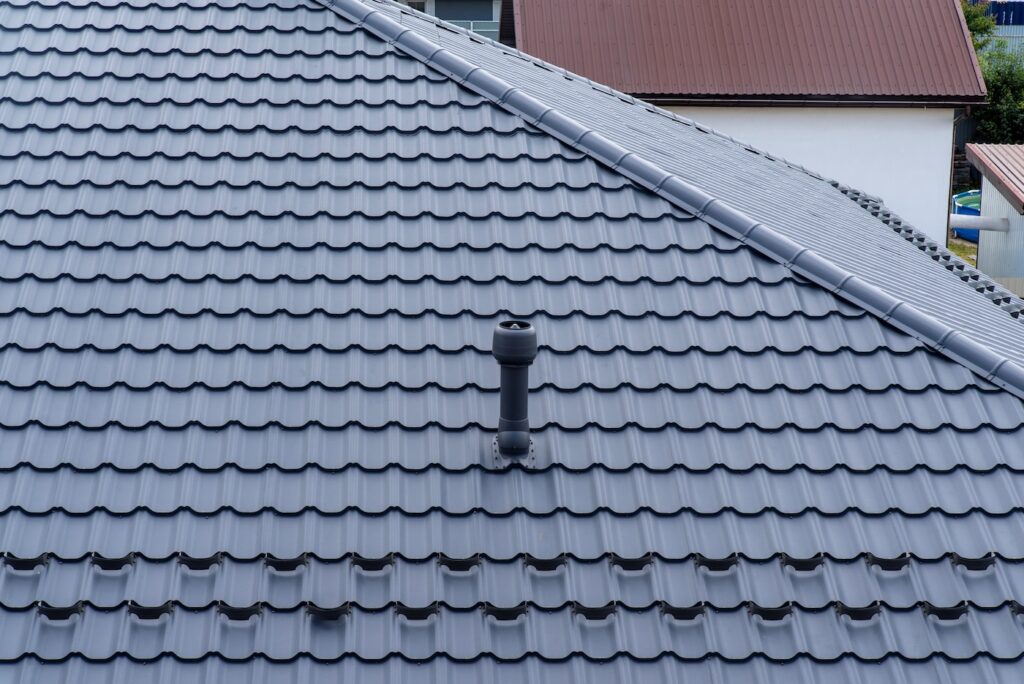
Adding a ridge cap offers several key benefits beyond just sealing the peak:
- Prevents costly leaks: Protects the most vulnerable seam of the system.
- Improves ventilation: Vented designs help regulate temperature and moisture.
- Boosts durability: Reinforces the system against wind uplift and storm damage.
- Enhances curb appeal: Creates a polished, professional finish.
Common Issues Without Proper Coverage
When systems are installed without ridge caps—or when caps are improperly installed—problems often arise:
- Leaks: Unprotected seams allow water infiltration, leading to interior damage.
- Heat buildup: Without ventilation, attics can overheat in summer.
- Shortened lifespan: Panels are more vulnerable to wind and shifting.
- Unfinished look: The roofline lacks visual appeal and may lower property value.
3 Maintenance Tips for Ridge Caps
Although ridge caps are durable, they still require periodic attention to perform their best, such as checking for cracks, loose sections, or signs of wear that could compromise the roof’s overall protection.
- Schedule Routine Inspections: Have your ridge cap inspected at least twice a year. Look for loose fasteners, gaps, or sealant wear.
- Clear Debris: Leaves and branches can collect along the peak, holding moisture against the material. Regular cleaning prevents corrosion.
- Repair Damage Quickly: If fasteners loosen or panels shift, schedule repairs right away to prevent water intrusion or wind damage.
Why Material Choice Matters
Ridge caps are typically made of steel or aluminum, but they must integrate well with the entire system. Choosing the right material ensures uniform performance and appearance. Some homeowners even pair ridge caps with shingle-style metal panels or wood-inspired finishes for a more natural look. Paying attention to these details helps ensure the roofline complements the home’s architecture while still providing reliable weather protection. Homeowners comparing prices should also note that costs vary depending on material, finishes, and additional accessories like vented closures.
Cost Considerations for Ridge Caps
Pricing for ridge caps can vary widely based on materials and design. Standard steel or aluminum options are generally the most affordable, while copper or custom-designed caps can be significantly more expensive. Homeowners should also factor in the cost of accessories such as vented closures, foam inserts, or matching trim pieces. While upfront prices may be higher for premium materials, these upgrades often deliver greater durability and a more attractive finish. For property owners in Ohio, where severe storms and snow can accelerate wear, investing in a higher-quality ridge cap can save money in the long run by reducing repair needs.
Protect Your Roof’s Peak With Ridge Caps
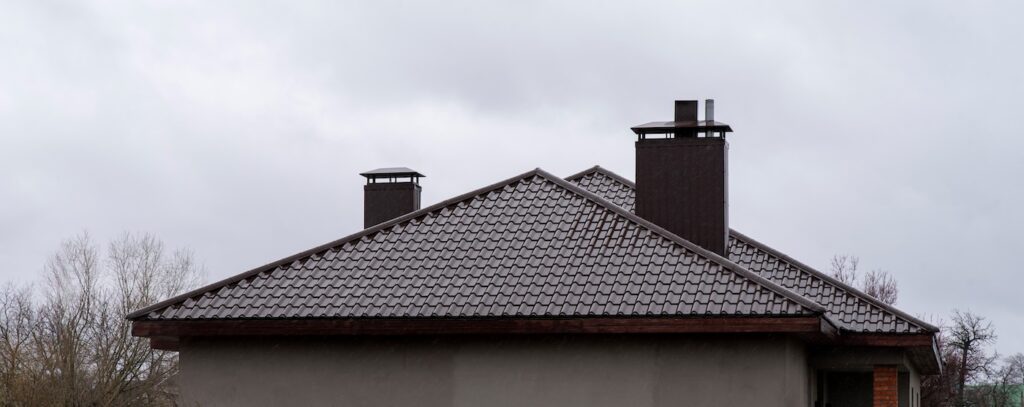
In Elyria, where lake-effect snow and strong winds are common, ridge caps are an essential feature for protecting residential and commercial properties. Homeowners here need solutions that can handle both heavy winter storms and humid summer weather. We proudly serve property owners in Elyria, OH, and nearby cities with expert ridge cap installation, repair, and replacement services tailored to the local climate.
Why Choose Buckeye State Roofing?
At Buckeye State Roofing, we deliver integrity, innovation, and reliability with every project. As a GAF Master Elite contractor, we use premium materials and provide warranties that protect your investment. Our team specializes in detailed installations, ensuring your home or business receives the highest standard of protection.
When you need a roofing partner who values communication, quality, and long-lasting results, Buckeye State Roofing is here to help. Contact us today to schedule a free estimate and discover how a properly installed ridge cap can safeguard your property for decades to come.
