
5 Roof Flashing Types for Any Application Area and Installation
11/28/25
6 Min Read
The types of roof flashing used on a home or commercial property determine how well it withstands rain, snow, and long-term exposure to the elements. Flashing is a vital part of any roofing system, sealing joints, directing water away from seams, and preventing leaks in the areas most vulnerable to moisture intrusion. Selecting the right material and technique ensures the flashing installation lasts for years while maintaining the integrity of the entire roof.
In this article, you’ll discover:
- Purpose: Why flashing is essential for roof protection.
- Material options: Common metals used for flashing.
- Application areas: Where each type performs best.
- Installation guidance: How proper methods prevent leaks.
- Maintenance insight: Tips by professional roofers for long-term performance.
Why Flashing Matters in a Roofing System
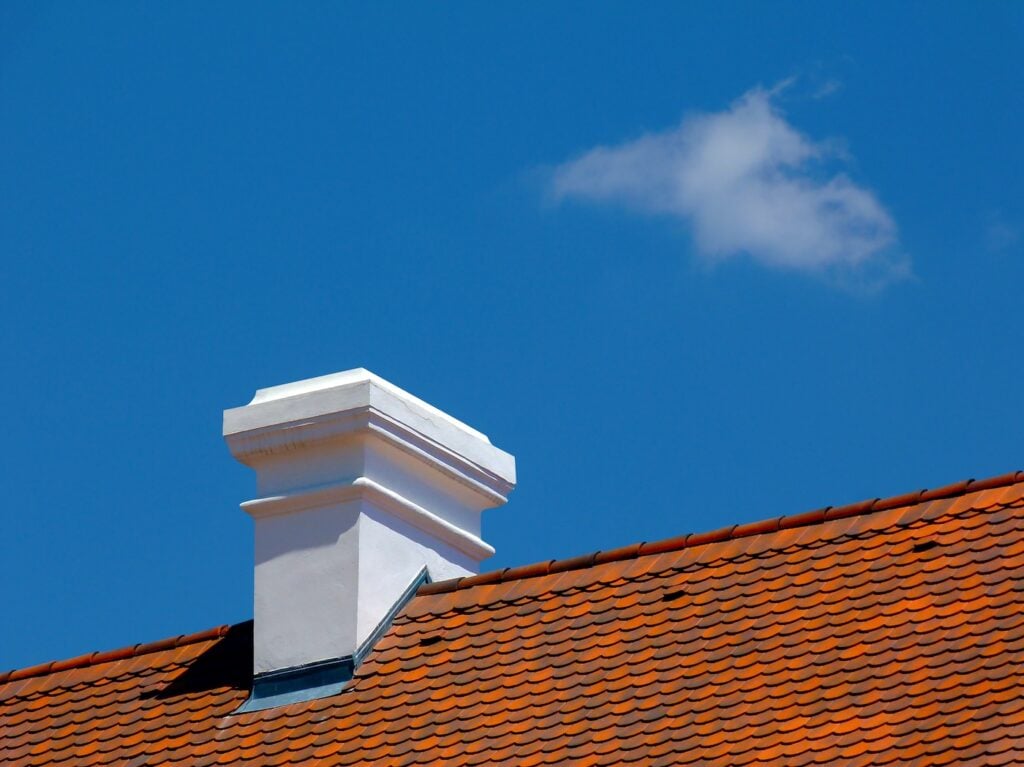
Flashing is the connector that ties every part of a roof together. It’s positioned wherever two surfaces meet—along valleys, chimneys, and walls—to channel water safely off the roof. Without it, even high-quality roofing materials can fail over time. The purpose of roof flashing is simple: to redirect water away from joints, protect the roof edge, and keep the underlying structure dry. When flashing is installed correctly, it prevents leaks and extends the roof’s lifespan.
5 Common Roof Flashing Types
Each section of a roof needs a specific form of flashing to manage runoff effectively. Below are the five most widely used roof flashing types found in both residential and commercial roofing systems.
1. Step Flashing
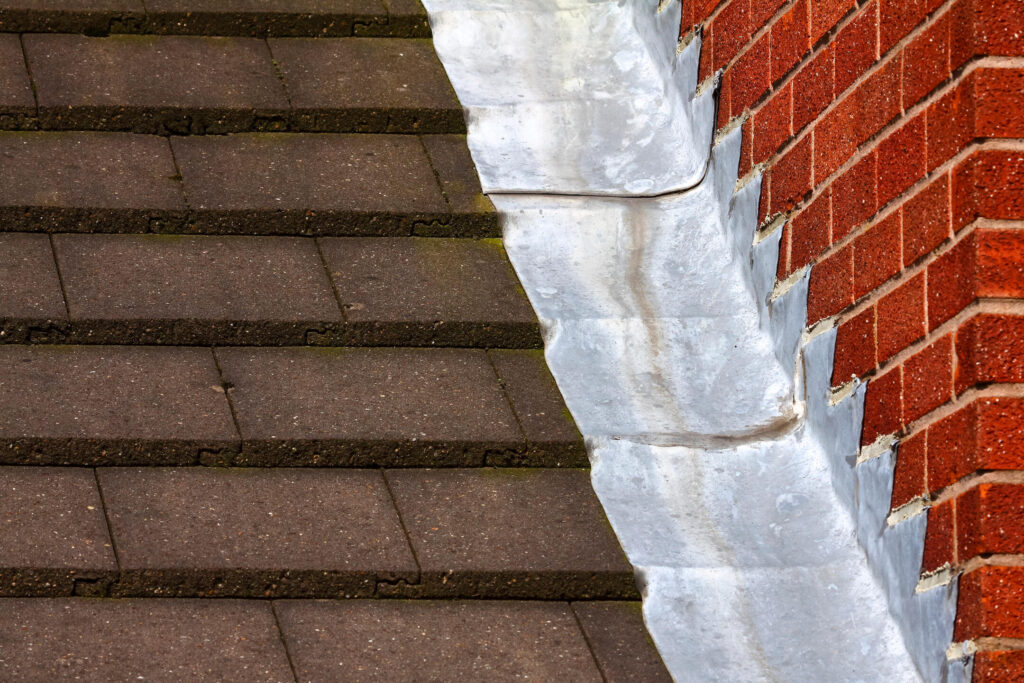
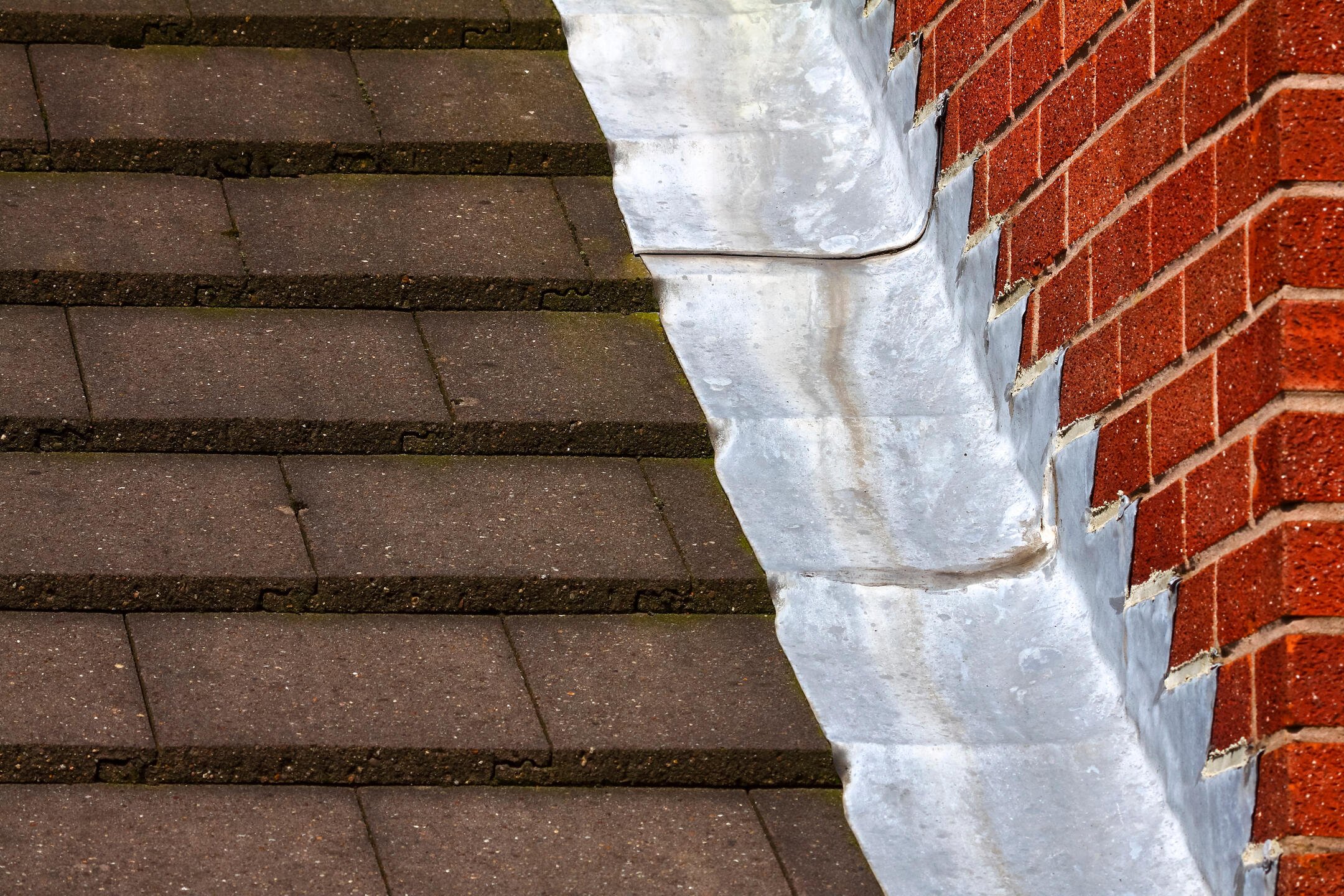
Step flashing is designed for where a sloped roof meets a vertical wall, such as dormers or chimneys. Small overlapping pieces form a “step” pattern that directs water downward and away from joints.
- Ideal for: Wall intersections, sidewalls, and dormers.
- Best materials: Galvanized steel or aluminum metal strip for corrosion resistance.
- Installation tip: Each piece should overlap the shingle below by at least two inches to ensure a watertight seal.
2. Continuous (Apron) Flashing
Continuous flashing, also known as apron flashing, runs in one piece along the base of a wall or chimney. It creates a streamlined look while carrying large volumes of water off the roof surface.
- Ideal for: Chimneys, sidewalls, and long vertical seams.
- Best materials: Copper or coated steel for durability and weather resistance.
- Installation tip: Add expansion joints for longer runs to accommodate temperature-related movement.
3. Valley Flashing
Roof valleys are some of the most critical points on any roof because they naturally collect water. Valley flashing reinforces this area, ensuring runoff flows smoothly without pooling.
- Ideal for: Open valleys on metal or shingle roofs.
- Best materials: Aluminum or stainless steel for strength and longevity.
- Installation tip: Underlayment should extend beneath the valley flashing to add a second layer of protection against leaks.
4. Drip Edge Flashing
Drip edge flashing is installed along the eaves and rakes of a roof to control runoff. It prevents water from flowing behind gutters or saturating the soffit or the fascia boards, which helps in preventing leaks and rot.
- Ideal for: Roof perimeters, eaves, and roof edge protection.
- Best materials: Aluminum or galvanized steel, depending on the roofing materials used.
- Installation tip: Extend beyond the roof decking by about half an inch to ensure proper drainage and protection of the fascia.
5. Counter Flashing
Counter flashing covers and protects base flashing from exposure. It’s often used around chimneys or parapet walls where water can collect, creating a barrier against infiltration.
- Ideal for: Chimneys, skylights, and masonry walls.
- Best materials: Copper or stainless steel for long-term performance.
- Installation tip: Ensure counter flashing overlaps the base layer correctly for maximum water redirection.
How to Select the Right Flashing for Your Project
Not every flashing type fits every situation. Factors such as roof pitch, materials, and weather patterns affect performance. Here’s how to find the right option for your project:
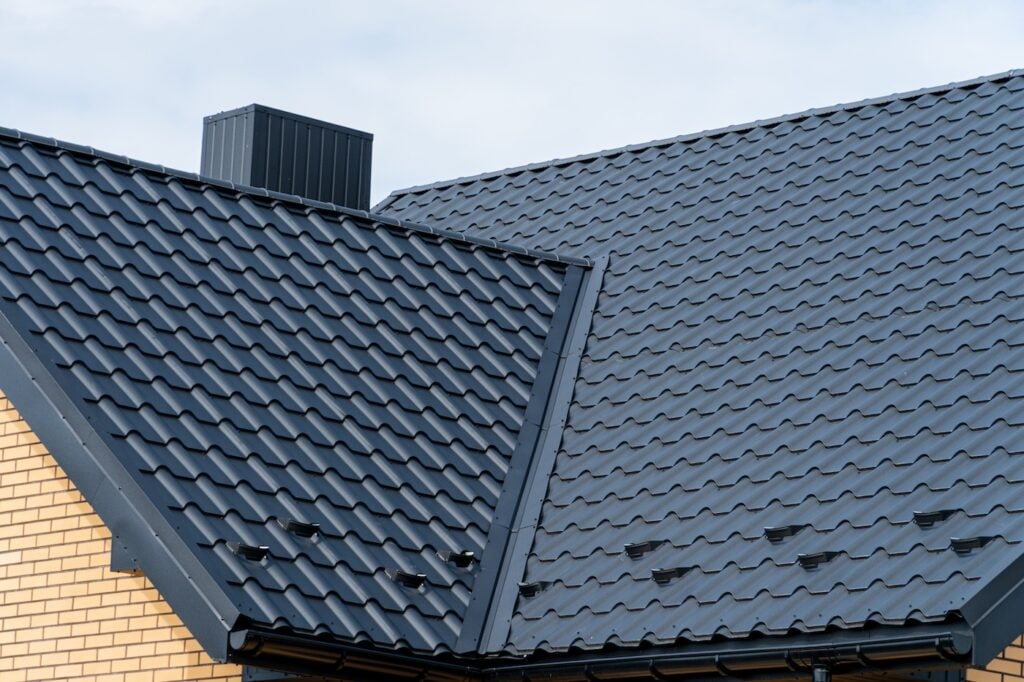
- Roofing materials: Match metals to prevent galvanic corrosion.
- Climate: In areas with snow or heavy rain, use corrosion-resistant materials like copper or stainless steel.
- Roof design: Low-slope roofs often need continuous or valley flashing, while steep-slope roofs rely on step flashing.
- Budget: While copper costs more, its lifespan and natural patina color can add value and beauty to your roof.
Choosing the right combination of roof materials and flashing types ensures long-lasting performance and reduces future repair costs.
The Role of Proper Flashing Installation
Even the best flashing can fail if installed incorrectly. Proper fastening, overlap, and sealing are critical to preventing leaks. Professional roofing contractors know how to integrate flashing with shingles, underlayment, and wall cladding in the right order. When flashing is installed properly, it serves as a watertight shield that keeps water out of the home’s structure.
Precise measurements and secure attachment using quality fasteners make a huge difference. Hiring an experienced professional roofing contractor guarantees that every component works together within your roofing system to deliver the best protection.
Maintaining Flashing for Long-Term Performance
Routine inspections are key to keeping flashing in great shape. Over time, caulk can crack, fasteners may loosen, or corrosion may develop. Homeowners should check flashing twice a year—especially after storms or seasonal transitions—to catch small issues before they escalate.
- Corrosion check: Replace rusted or pitted metal.
- Fastener inspection: Tighten any loose screws or nails.
- Sealant renewal: Reapply caulk where cracks or peeling occur.
- Clean drainage paths: Remove debris to allow smooth water flow.
Consistent maintenance preserves your roof flashing, keeps the roofing system strong, and helps in preventing leaks around critical areas.
Why Flashing Is Key to a Leak-Free Roof
Flashing may be a small detail, but it has an outsized impact on a roof’s overall health. When properly fitted and sealed, it directs water away from joints and seams, preserving the life of the entire roofing system. Whether it’s drip edge flashing, counter flashing, or valley flashing, each type of metal strip plays a role in protecting your home.
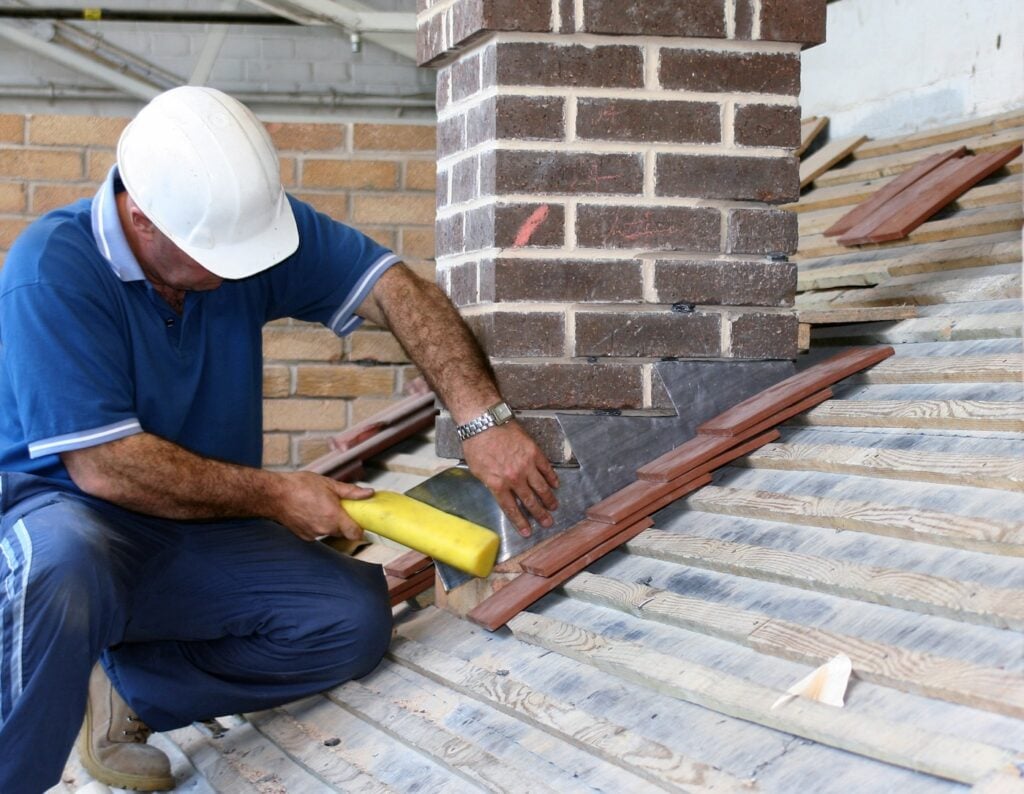
High-quality flashing installation not only keeps your roof watertight but also enhances curb appeal, efficiency, and long-term durability.
Why Homeowners Trust Buckeye State Roofing
At Buckeye State Roofing, we believe craftsmanship and communication define great roofing. Our specialists handle each project with precision—selecting durable roofing materials, aligning every joint perfectly, and sealing flashing to perform through every season.
If you’re planning a new roof or need an inspection to ensure your flashing is performing correctly, contact Buckeye State Roofing today. We offer professional roofing contractor services, including flashing repair, full installations, and preventive maintenance to protect your home the right way.
