
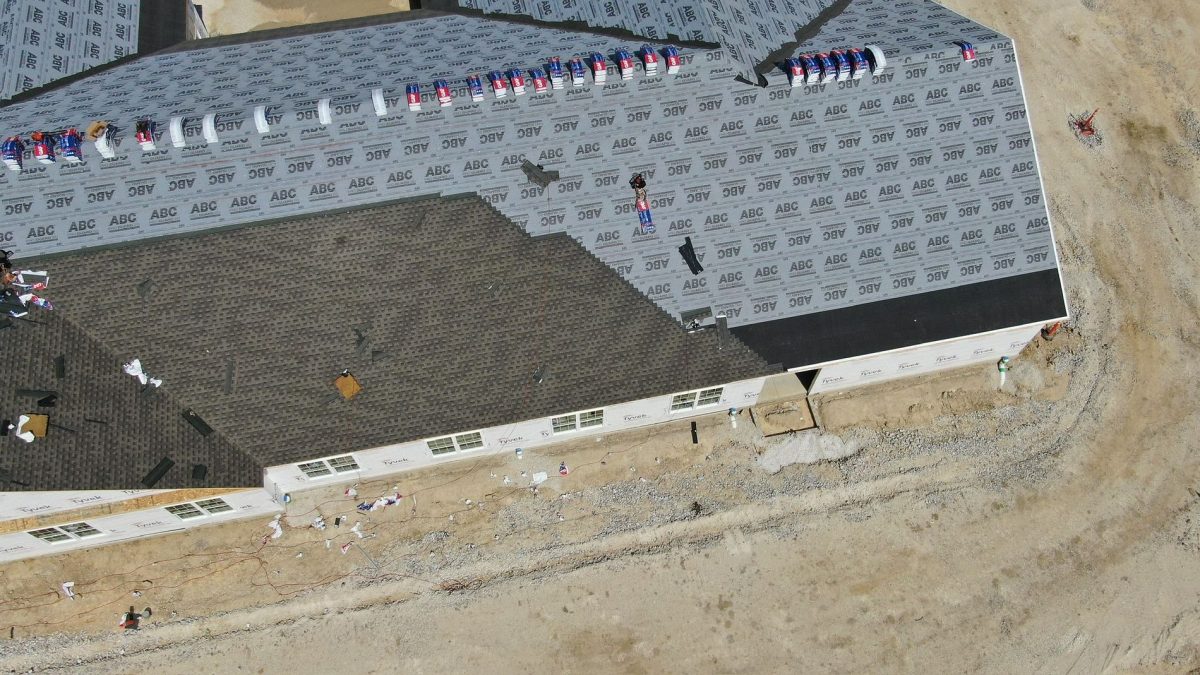
Commercial Roof Replacement: Key Steps & Cost Factors
7/16/26
8 Min Read
At some point, every commercial property owner faces a roof that has simply reached the end of its usable life, and that’s when commercial roof replacement becomes the smarter investment over another round of patch repairs. Unlike a residential project, a commercial replacement involves larger square footage, specialized materials, and coordination around business operations. Property owners in North Royalton and surrounding areas often find it helpful to work with a team that also brings decades of hands-on roofing experience from home projects into the commercial side of the business. This guide breaks down the key steps and the factors that drive cost.
In this post, you’ll learn:
- The signs that indicate replacement makes more sense than repair
- The step by step process of a typical commercial roof replacement
- What factors influence overall project cost
- How to plan around business operations during the project
- Ways to protect your investment once the new roof is in place
Why Commercial Roof Replacement Matters
A commercial roof nearing the end of its lifespan puts far more at risk than curb appeal. Continued leaks, energy loss, and rising repair frequency all signal that a full replacement will likely cost less over time than ongoing patchwork. Businesses throughout North Royalton and surrounding areas depend on a sound roofing system to protect operations, inventory, and employees from the elements, and recognizing the tipping point between repair and replacement can save considerable money in the long run.
- Long-term cost control: Replacing a failing roof upfront often costs less than years of recurring repair bills on an aging system.
- Improved energy performance: Newer roofing materials and insulation options can significantly reduce heating and cooling costs.
- Reduced liability risk: A roof that no longer performs reliably increases the chance of leaks, ceiling damage, and safety hazards for employees and customers.
- Stronger warranty protection: A new roof typically comes with a fresh manufacturer warranty, offering peace of mind that aging systems no longer provide.
- Better resale and lease positioning: A newer roof can be a meaningful selling point for owners looking to sell or attract quality tenants, since prospective buyers and tenants often view roof condition as a key factor in their decision.
6 Key Steps in the Commercial Roof Replacement Process
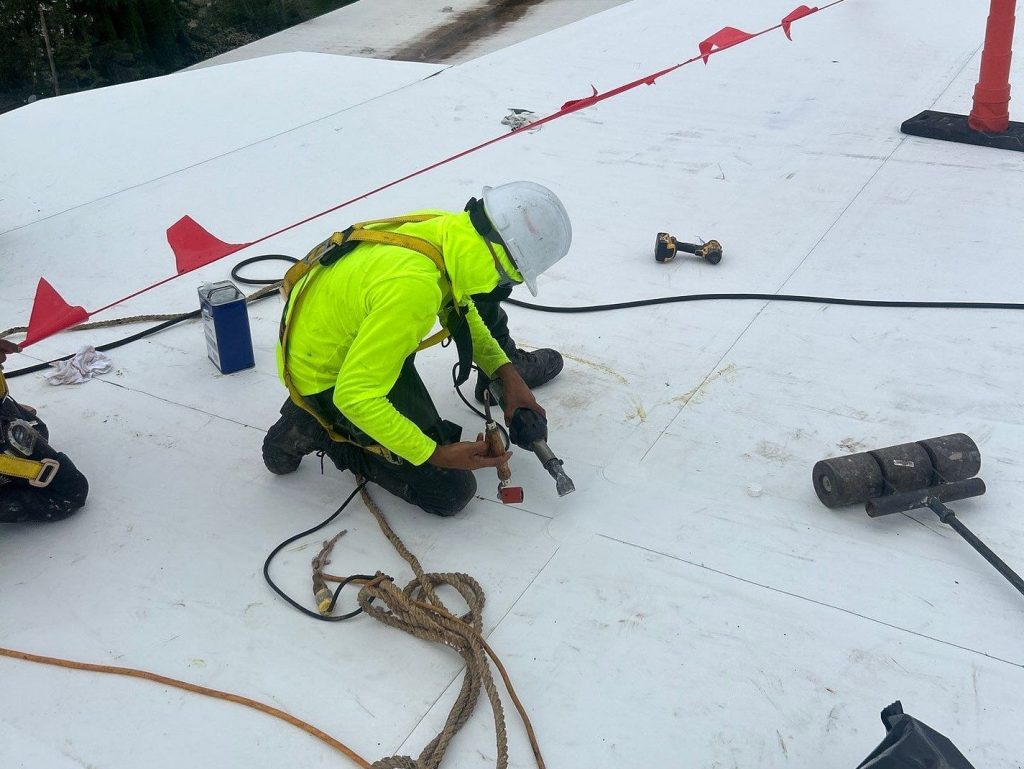
Replacing a commercial roof is a larger undertaking than a residential project, requiring careful planning to minimize disruption to daily operations. Here’s what property owners can typically expect from start to finish.
1. Roof Assessment and Consultation
The process starts with a full assessment of the existing roofing system, including the deck, insulation, drainage, and any rooftop equipment. This step helps determine whether replacement is truly necessary and what materials will work best for the building, since jumping straight to replacement without a proper assessment can lead to overspending on a system that doesn’t match the building’s actual needs.
- Evaluate the age and condition of the current roofing system
- Identify drainage issues, ponding areas, or structural concerns
- Discuss goals such as energy efficiency, budget, and expected lifespan
2. Material Selection
Commercial roofs can be replaced with a variety of systems, including TPO, EPDM, modified bitumen, built-up roofing, or metal panels. The right choice depends on the building’s structure, budget, and climate demands, and a knowledgeable roofing team will walk through the tradeoffs of each option before recommending a direction.
- Compare membrane options based on durability and energy performance
- Factor in maintenance requirements for each material type
- Consider how the new system will handle drainage and foot traffic
3. Permitting and Project Planning
Before work begins, permits are typically required, and a detailed project plan is developed to outline scheduling, material delivery, and safety protocols. This stage also includes coordinating around business hours to reduce disruption, since large deliveries and crew activity can affect parking and foot traffic if not planned carefully.
- Confirm permitting requirements with local building authorities
- Schedule work around slower business periods when possible
- Arrange safe access points for crews and equipment
4. Tear Off and Removal of the Existing Roof
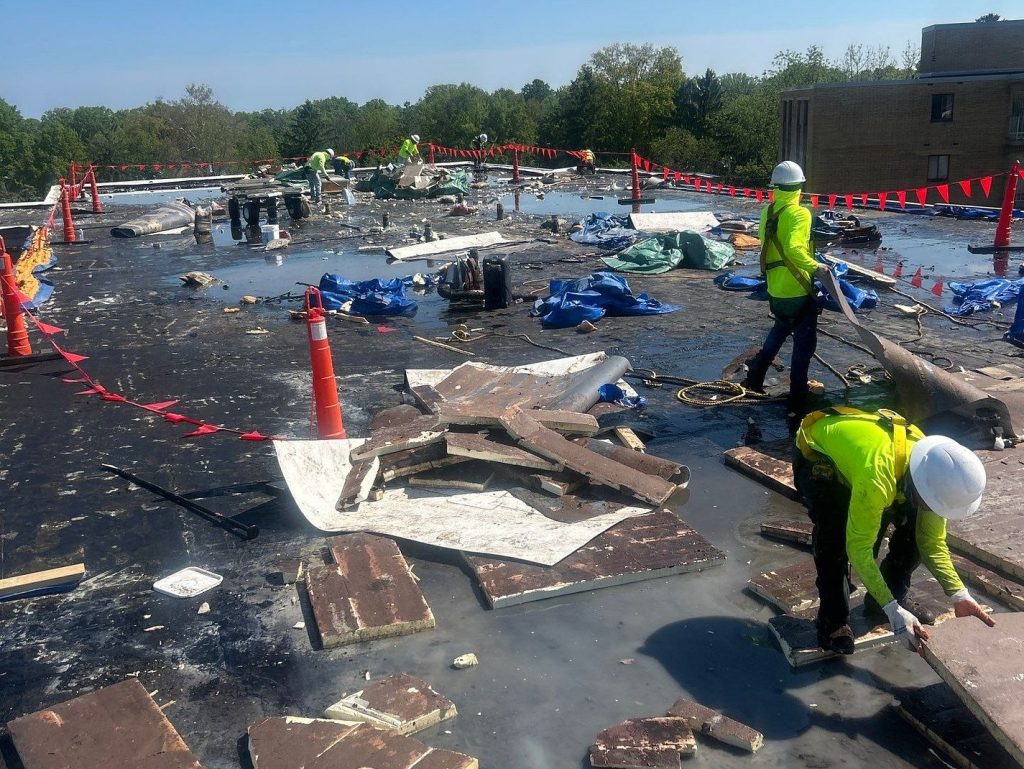
Once planning is complete, the old roofing material is removed down to the deck. This step allows the crew to inspect the structure fully and address any hidden damage before installing the new system, which is often the point where previously unseen deck or insulation issues come to light.
- Old membrane, insulation, and damaged decking are removed
- The deck is inspected for rot, rust, or structural weakness
- Necessary repairs are completed before the new roof is installed
5. Roof Installation: Setting Up the New System

With the deck prepared, the new roofing system is installed according to manufacturer specifications, including insulation, membrane, flashing, and drainage components. This is typically the most labor intensive phase of the project, and weather conditions play a large role in how quickly work can proceed since most membrane systems require dry conditions to seal properly.
- Insulation is installed to meet energy efficiency goals
- Membrane or panels are secured following manufacturer guidelines
- Flashing and drainage components are integrated around all penetrations
6. Get a New Commercial Roof You Can Rely On
Once installation wraps up, a thorough inspection confirms that every seam, flashing point, and drainage area meets quality standards. Warranty documentation is provided along with maintenance recommendations, giving property owners a clear reference for what routine upkeep the new system will require going forward.
- Seams and flashing are tested for a secure, watertight fit
- Drainage is verified to prevent future ponding issues
- Property owners receive documentation on warranty coverage and upkeep
Minimizing Disruption During a Commercial Roof Replacement
A well managed replacement project accounts for the realities of running a business throughout construction. Property owners in North Royalton and surrounding areas can take a few steps to keep operations running smoothly during the project, and clear communication with the roofing team upfront tends to prevent most scheduling headaches later on.
- Coordinate scheduling with your roofing team: Discuss operating hours and any events or busy periods that should be avoided.
- Communicate with employees and tenants: Advance notice about noise, parking changes, or access restrictions helps everyone plan accordingly.
- Protect sensitive equipment: Cover or relocate equipment that could be affected by dust, debris, or vibration during construction.
- Plan for temporary signage: If entrances or parking areas are affected, clear signage helps customers navigate the property safely.
- Designate a point of contact: Having one person coordinate with the roofing crew keeps communication efficient throughout the project.
- Confirm emergency access routes: Make sure fire lanes and emergency exits remain clear and unobstructed throughout every phase of construction.
What Drives Commercial Roof Replacement Costs
Commercial roof replacement costs vary significantly based on the size of the building, material selection, and the complexity of the project. Understanding these factors helps property owners plan realistic budgets before requesting estimates, and knowing where the money typically goes makes it much easier to evaluate whether a bid is fair.
| Factor | Impact on Cost |
| Roof size | Larger square footage increases material and labor costs proportionally |
| Material type | TPO and EPDM tend to cost less than standing seam metal or built-up systems |
| Roof accessibility | Limited access or tall buildings increase equipment and labor costs |
| Insulation upgrades | Adding or upgrading insulation raises upfront cost but improves efficiency |
| Deck condition | Extensive deck repair or replacement adds to overall project cost |
| Drainage improvements | Correcting ponding issues may require additional tapered insulation or drains |
A few additional considerations that affect the final price:
- Timing of the project: Scheduling during the off-season may reduce costs compared to peak roofing season.
- Building codes: Local code requirements can influence material choices and add compliance related costs.
- Warranty options: Extended warranties typically come at a premium but can offer valuable long-term protection.
- Multiple bids: Comparing detailed estimates from a few contractors helps confirm a fair and competitive price for the project.
It’s also worth asking each contractor how they handle unexpected findings once the old roof comes off. Hidden deck damage or outdated insulation can sometimes only be discovered mid-project, and a reputable roofing company should have a clear process for communicating those findings and adjusting the estimate transparently rather than surprising you with change orders after the fact.
Protect Your Business With a Reliable Commercial Roof Replacement
A commercial roof replacement is a significant investment, but one that protects your building, your operations, and your bottom line for decades to come. Property owners throughout North Royalton and surrounding areas who plan ahead and choose experienced roofing professionals set themselves up for a smoother project and a roofing system that performs reliably for years.
Taking the time to understand each step of the process, along with the factors that influence cost, puts you in a much stronger position when comparing contractors and estimates. A thoughtfully planned replacement pays dividends long after the crew has finished the final walkthrough.
If your commercial roof is showing its age or you’re weighing repair against replacement, contact us today and let the team at Buckeye State Roofing walk you through your options and put together a clear plan for your property.
