
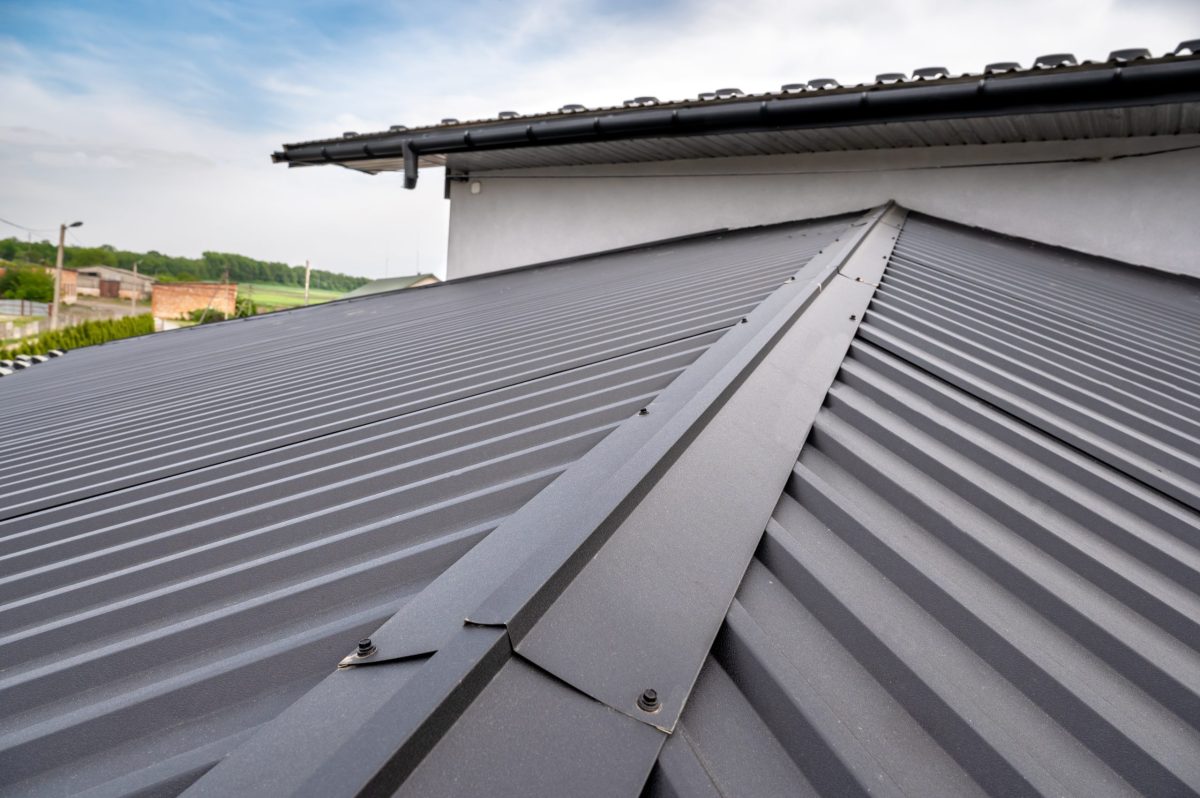
Corrugated Metal Roofing: 5 Pros, Cons & Best Applications
7/30/26
8 Min Read
Not every roofing material needs to be complicated or expensive to perform well, and that’s exactly the appeal behind corrugated metal roofing for so many homeowners today. Recognizable by its ridged panel profile, this material has shifted from a purely utilitarian choice to a legitimate option for houses, additions, and outbuildings alike. Homeowners in Broadview Heights and surrounding areas weighing their roofing options often benefit from perspective drawn from years of experience across residential roofing projects before settling on a material. This guide lays out the strengths, weaknesses, and best use cases for corrugated metal.
In this post, you’ll learn:
- What sets corrugated metal roofing apart from other materials
- The five biggest pros and cons to weigh
- Where this roofing style delivers the most value
- How it measures up against other metal roofing profiles
- What homeowners can expect once installation begins
What Makes Corrugated Metal Roofing a Smart Option
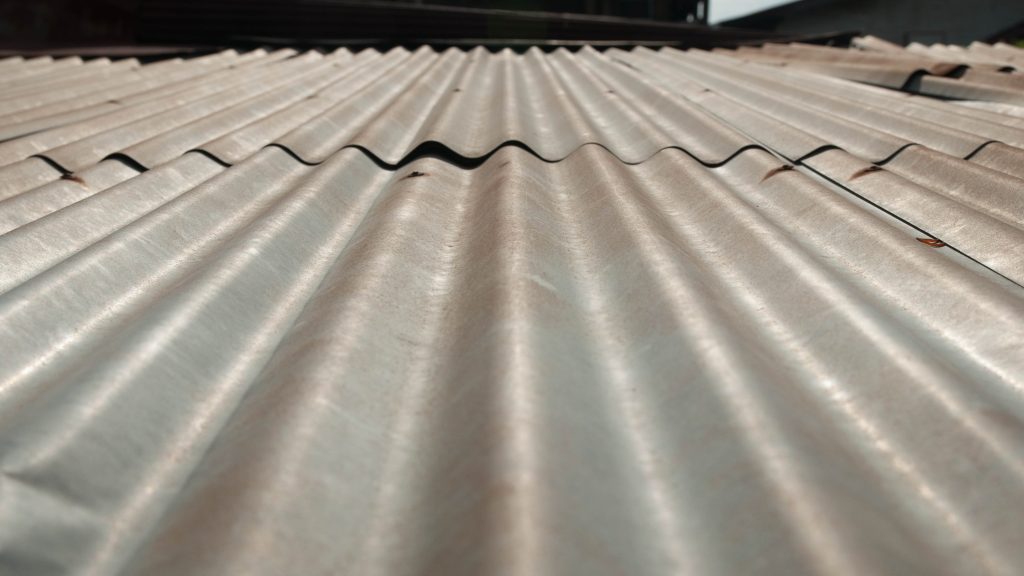
Corrugated metal earns its reputation through a combination of practicality and performance that’s hard to match at its price point. The ridges running across each panel do more than create a distinct look, they add real strength that helps the roof handle wind gusts and heavy snow common throughout Broadview Heights and surrounding areas. It’s this blend of function and affordability that keeps corrugated metal relevant even as newer roofing materials continue to hit the market.
- Affordable entry point: Corrugated panels typically cost less than standing seam or other refined metal roofing styles.
- Efficient installation: Its simple, repeatable panel design allows crews to complete projects more quickly than more detailed systems.
- Reliable longevity: With the right coating, corrugated metal resists rust and holds up for decades under regular wear.
- Adaptable appearance: Available in numerous colors and finishes, it fits everything from farmhouse charm to sleek modern exteriors.
- Minimal upkeep demands: There’s no shingle granule loss or frequent patching required, unlike traditional asphalt roofing.
5 Pros and Cons of Choosing Corrugated Metal Roofing
Every material has strengths and limitations, and corrugated metal is no different. Below are the five considerations that matter most when deciding if it fits your project.
1. Pro: A Cost-Conscious Path to Metal Roofing
Homeowners who like the idea of metal roofing but are wary of the price tag often find corrugated panels to be the most approachable option. Its simpler design and installation process both help keep the overall project cost down compared to premium metal systems, making it a realistic option for homeowners who want the durability of metal without paying a premium price.
- Material pricing sits well below standing seam and metal shingle products
- Labor costs tend to be lower thanks to the straightforward panel shape
- Provides a practical stepping stone toward metal roofing for tighter budgets
2. Pro: Impressive Lifespan With Little Maintenance
A well installed corrugated metal roof can last 40 years or more, far surpassing the typical lifespan of asphalt shingles. Its ridged structure also contributes to better performance under heavy snow loads and wind pressure.
- Stands up well against cracking, splitting, and pest intrusion
- Sheds snow efficiently thanks to the corrugated surface pattern
- Reduces how often homeowners need to plan for a full roof replacement
3. Con: Rain and Hail Noise Can Be Noticeable
Without proper insulation, corrugated metal roofing can amplify the sound of rain and hail more than other roofing materials. This is a common concern, though it’s manageable with the right building approach, and most homeowners find it a minor tradeoff once the roof is properly insulated during installation.
- Quality underlayment helps absorb and reduce sound transmission
- Adding attic insulation between the roof and ceiling further dampens noise
- Homes with more attic depth tend to notice the effect less
4. Con: Denting Potential in Corrugated Panels
While generally tough, corrugated panels can dent under significant hail impact or falling branches, especially with thinner gauge material. Selecting a heavier gauge panel is one of the simplest ways to reduce this risk, and it’s worth discussing gauge thickness directly with your roofer if hail is a frequent concern in your area.
- Heavier gauge options hold up noticeably better against impact
- Routine inspections after major storms catch dents early
- Most denting remains cosmetic rather than functional
5. Pro: Contributes to Lower Energy Costs
Reflective coatings applied to corrugated metal panels help bounce solar heat away from the home rather than absorbing it. Over time, this can translate into meaningful savings on cooling costs during warmer months, particularly for homes with larger roof surfaces exposed to direct sunlight throughout the day.
- Lighter finishes reflect more heat than darker coating options
- Pairing reflective coatings with proper ventilation boosts the effect
- A practical upgrade for homeowners focused on long-term efficiency
Best Uses for Corrugated Metal Roofing
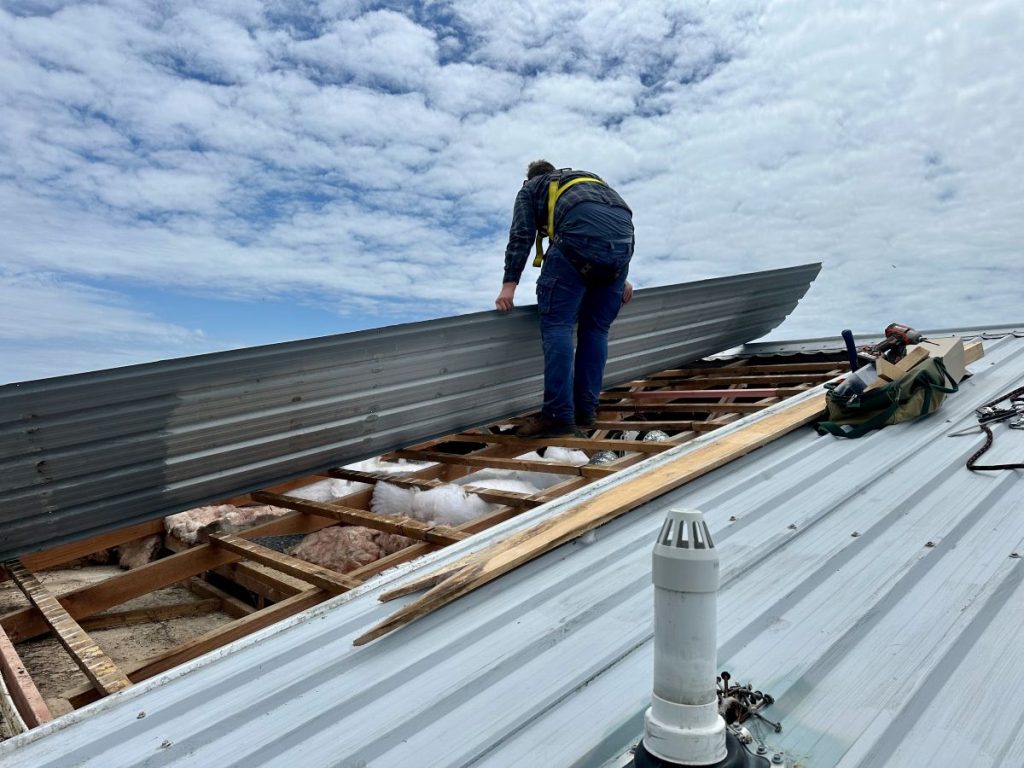
Corrugated metal isn’t the right fit for every project, but it consistently performs well in certain applications. Here’s where homeowners in Broadview Heights and surrounding areas tend to get the most value from this material.
Sheds, Garages, and Detached Workshops
These structures are a natural match for corrugated metal thanks to its durability and low maintenance needs, without requiring the more refined finish homeowners might want for a primary residence. It’s a dependable, practical solution for buildings that see heavy use.
Agricultural and Rural Buildings
Farms and rural properties throughout Ohio have relied on corrugated metal for generations, valuing its resilience against open exposure to wind, sun, and precipitation. It remains one of the most trusted materials for barns and equipment storage.
Modern Farmhouse and Industrial Homes
Homeowners embracing modern farmhouse or industrial design trends increasingly choose corrugated metal to complement black window frames, board and batten siding, or minimalist exteriors. The textured surface adds a layer of visual interest that flat materials can’t replicate.
Porch Roofs and Small Additions
For covered porches, sunrooms, or small home additions, corrugated metal offers a budget-friendly way to finish the project without needing to match the primary roof exactly. It’s a popular choice for accenting entryways or outdoor living spaces.
Corrugated Metal Roofing Versus Other Metal Options
Choosing between corrugated metal and other metal roofing styles often comes down to your budget, desired appearance, and tolerance for noise. The table below breaks down how corrugated metal compares to two other popular metal roofing profiles.
| Comparison Point | Corrugated Metal | Standing Seam | Metal Shingles |
|---|---|---|---|
| Typical price range | Lowest | Highest | Middle ground |
| Installation timeline | Shortest | Longer | Longest due to detail |
| Visual style | Rustic, industrial | Modern, streamlined | Resembles traditional shingles |
| Noise level (uninsulated) | Most pronounced | Moderate | Least noticeable |
| Best suited for | Outbuildings, budget conscious projects | Upscale residential homes | Homes wanting a shingle appearance |
A few more factors worth considering:
- Overall budget: If affordability drives your decision, corrugated metal typically offers the strongest value.
- Architectural fit: Standing seam suits contemporary homes, while corrugated metal complements rustic or industrial styling.
- Ongoing maintenance: All three metal options require far less upkeep than asphalt shingles over their lifespan.
- Resale expectations: A more polished metal profile may hold slightly more appeal for buyers prioritizing upscale finishes.
What to Expect When Installing Corrugated Metal Roofing
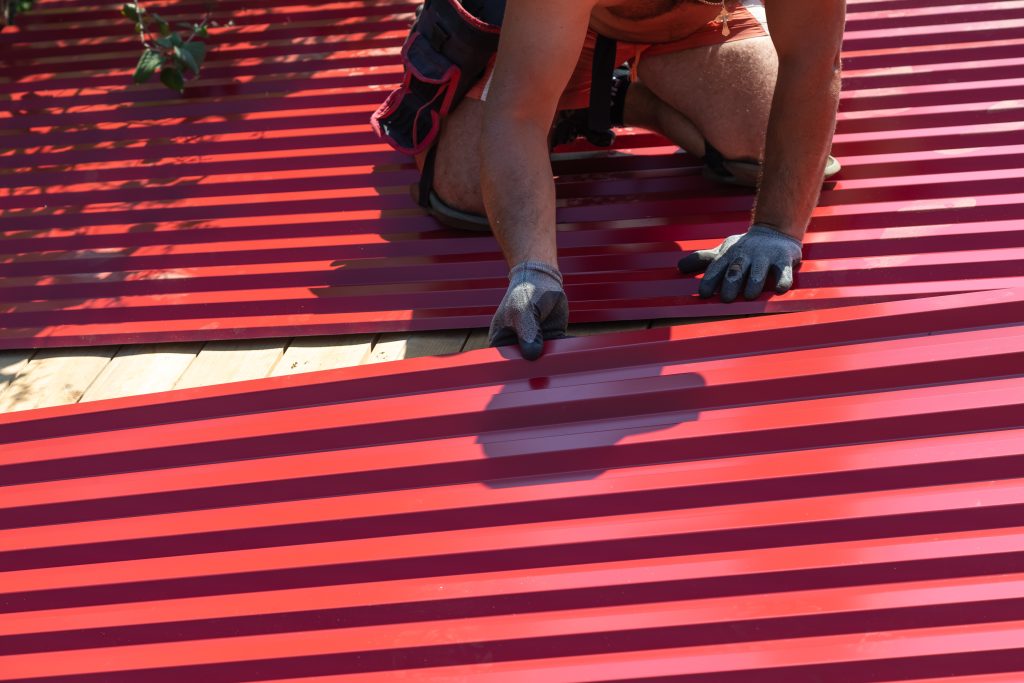
Installing corrugated metal roofing generally moves faster than more intricate metal systems, though the process still requires careful attention for a lasting result. Here’s the typical sequence homeowners in Broadview Heights and surrounding areas can expect.
- Roof assessment: A contractor inspects the existing structure to confirm it can support the new panels and identifies any repairs needed first.
- Selecting gauge and color: Homeowners choose panel thickness and finish based on budget, climate, and personal style preferences.
- Removing old roofing: Existing shingles or roofing material are usually stripped down to the deck before installation begins.
- Applying underlayment: A protective moisture barrier is installed across the deck to guard against condensation and add durability.
- Fastening the panels: Corrugated sheets are measured, cut, and secured according to manufacturer specifications across the roof surface.
- Final review and cleanup: The completed roof is inspected for proper fastening and sealing, and the property is cleared of leftover materials.
Most residential corrugated metal projects wrap up within a matter of days, which is one reason this material appeals to homeowners looking for a faster, less disruptive roofing project.
Partner With Buckeye State Roofing for Your Corrugated Metal Roofing Project
Corrugated metal roofing delivers a rare combination of affordability, durability, and design flexibility that few other materials can match. Whether you’re roofing a backyard workshop, updating a farm property, or pursuing a modern industrial look for your home, this material has proven its value time and again. Homeowners throughout Broadview Heights and surrounding areas rely on experienced roofing professionals to help determine whether corrugated metal makes sense for their specific project and budget, especially once gauge, coating, and installation quality all come into play.
Taking the time to weigh these pros and cons against your priorities, whether that’s cost, style, or noise tolerance, puts you in a strong position to make a confident decision.
If corrugated metal roofing sounds like the right fit for your home or outbuilding, contact us today and let the team at Buckeye State Roofing walk you through your options and prepare a detailed estimate for your property.
