

What Is Drip Edge On Roof? (Homeowners Guide)
9/17/25
6 Min Read
If you’ve been researching roof protection, you’ve probably come across drip edge as an important component. A drip edge is a type of metal flashing installed along the edges of a roof to direct water away from the fascia and into the gutters. Though small, this feature plays a critical role in keeping water out of your home’s structure. Understanding how it works and why it matters can help you better protect your property.
Here’s what you need to know about drip edges:
- Water protection: Prevents water from seeping under shingles and damaging the roof deck.
- Structural integrity: Shields fascia boards from rot and deterioration.
- Code compliance: Required by most building codes for proper roof installation.
Why Drip Edges Are Essential
Unlike other roof components, drip edges are specifically designed to control how water flows off your roof. Without them, rain can seep under shingles, run down fascia boards, and the soffit, causing rot or leaks. In Strongsville, OH, frequent thunderstorms and heavy rainfall make drip edges especially critical for preventing water intrusion.
Summers in Ohio bring intense heat that can strain adhesives and seams, while icy winters put even the toughest materials to the test. Drip edges add an extra layer of defense, ensuring your roof can handle seasonal changes and weather extremes.
5 Step Drip Edge Installation
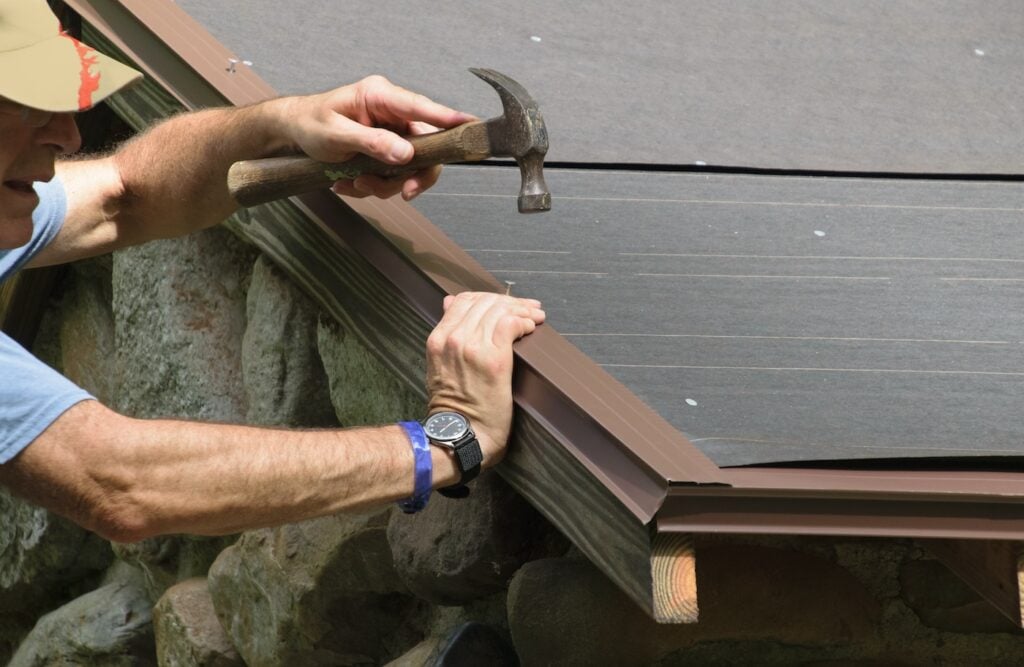
Drip edge installation isn’t overly complex, but it does demand accuracy and attention to detail. To get it right, most roofing professionals follow a proven series of essential steps.
Step 1: Initial Inspection and Evaluation
A contractor begins by inspecting the existing roof edges, fascia, and gutters. This ensures the new drip edge will perform properly once installed.
Step 2: Removing Old Components
If old flashing or damaged fascia is present, it’s removed to create a clean surface for the new drip edge.
Step 3: Preparing the Roof Edge
The roof edge is cleaned and repaired if necessary. This prevents underlying problems from affecting the new installation.
Step 4: Installing the Drip Edge
New drip edge flashing is installed under the underlayment at the eaves and over the underlayment at the rakes. This ensures proper water flow into the gutters.
Step 5: Final Inspection and Quality Check
A thorough inspection confirms correct placement and secure fastening. Contractors also verify that water flows smoothly into the gutters.
Materials for Drip Edge
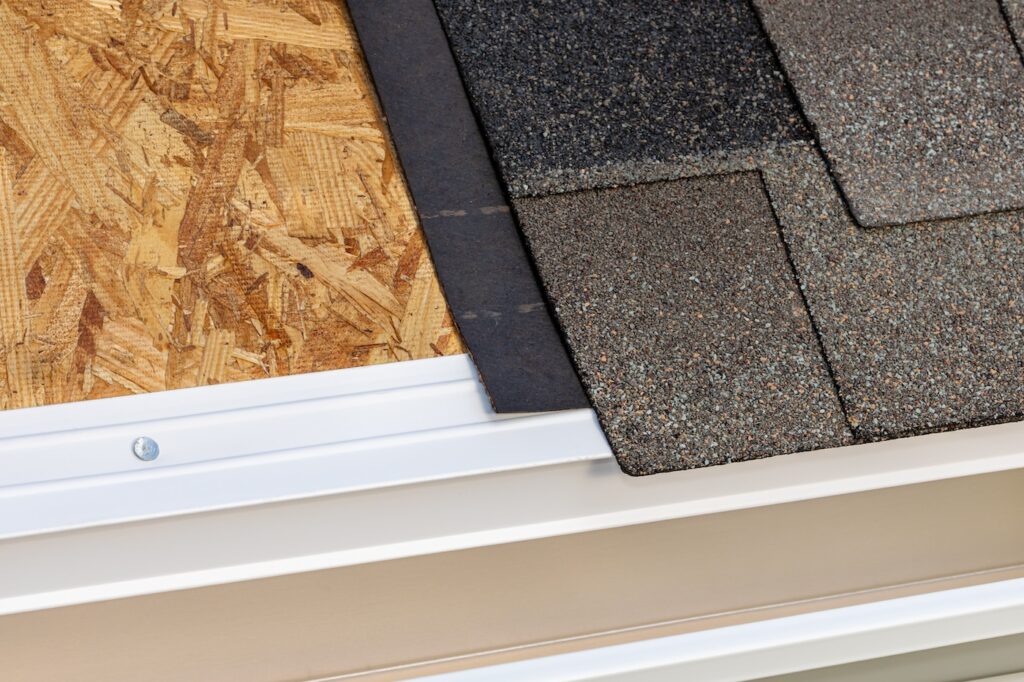
Choosing the right material for your drip edge is an important step in protecting your roof, as it directly impacts both durability and long-term performance. Higher quality metals and properly coated finishes can withstand harsh weather conditions, resist corrosion, and help extend the overall lifespan of your roofing system.
Aluminum
- Lightweight: Easy to install and handle.
- Corrosion resistant: Protects against rust and weathering.
- Cost-effective: Affordable and widely available.
Galvanized Steel
- Strength: Durable and resistant to warping.
- Longevity: Holds up well under harsh conditions.
- Popular choice: Common in both residential and commercial use.
Copper
- Premium look: Ages to a natural patina.
- Durability: Highly resistant to corrosion.
- Long-lasting: Can outlast other materials with proper care.
4 Key Benefits of Drip Edges
When installed correctly, drip edges provide long-term protection and peace of mind.
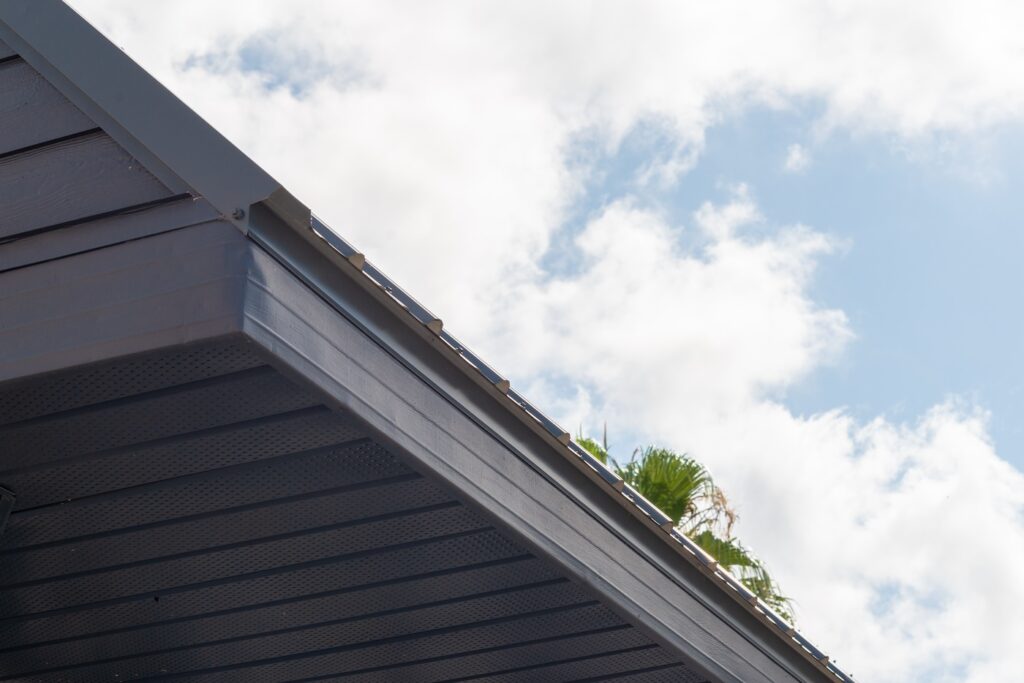
- Protects fascia and soffit: Prevents water damage to vulnerable wood components.
- Directs water flow: Guides rain into gutters instead of behind them.
- Improves roof durability: Extends the life of shingles and underlayment.
- Meets building codes: Ensures your roof complies with modern standards.
Common Problems Without a Drip Edge
Many older homes were built without drip edges, and the problems that follow often show up years later. Without this protection, water can seep beneath the shingles and slowly rot the underlying decking. Over time, this leads to soft spots, leaks inside the home, and costly structural repairs.
Another issue is fascia board damage. When water is not properly directed into gutters, it often runs down the face of the fascia. This causes paint to peel, wood to warp, and eventually results in rot. Homeowners may notice sections of their gutters pulling away because the supporting fascia has weakened. Pest intrusion is also more common when gaps exist at the roof edge, allowing insects and rodents to nest in attics.
The drip edge is a vital component installed along the roof’s perimeter because this entire area—the overhanging structure where the gutter attaches—is highly vulnerable to moisture. To understand how the entire system protects your home, including the soffit and ventilation, review our full breakdown of the roof eaves.
Drip edges can also improve overall curb appeal. Because they create a crisp, finished edge at the roofline, they contribute to a polished appearance that enhances the look of the home. This small detail can make a big difference in how potential buyers or neighbors view the quality of a roof installation. Investing in drip edges is both a functional and aesthetic decision.
How Drip Edges Support Energy Efficiency
While drip edges are mainly installed for water protection, they can also play a role in improving your home’s energy efficiency. By ensuring water is directed properly into gutters, drip edges reduce the risk of leaks and moisture buildup in insulation and attic spaces. Dry, well-insulated attics retain heating and cooling more effectively, helping lower energy bills over time. In Ohio’s climate, where hot summers and freezing winters put extra pressure on HVAC systems, maintaining this efficiency can make a noticeable difference in comfort and costs.
Maintenance Tips for Drip Edges
Drip edges require minimal upkeep, but regular checks help ensure long-term performance, catching small issues early before they lead to bigger roofing concerns.
- Schedule Professional Inspections: Inspect your drip edges during routine roof maintenance to confirm they’re secure and undamaged.
- Keep Gutters Clean: Clogged gutters can reduce the effectiveness of drip edges. Clear them regularly to maintain smooth water flow.
- Address Repairs Quickly: If sections become loose or damaged, repair them promptly to prevent water intrusion and structural damage.
Drip Edge Installation for Ohio Homes
Homes in Ohio face unique weather challenges, from heavy rains to ice dams. Drip edges help manage these conditions by protecting fascia, soffits, and roof decks. Whether you’re replacing an old roof or building new, drip edge installation ensures long-term resilience. We proudly serve property owners in Strongsville, OH, and nearby cities with professional drip edge installation and roof repair services.
Why Choose Buckeye State Roofing?
At Buckeye State Roofing, we believe every client deserves honest communication, reliable workmanship, and long-lasting results. Our values—integrity, innovation, and reliability—guide every project. As a GAF Master Elite contractor, we use top-quality materials and deliver superior craftsmanship backed by strong warranties.
When your roof needs protection, partner with a team that joyfully serves its customers while delivering the highest standards of quality. Contact Buckeye State Roofing today to schedule a free estimate and discover how drip edge installation can safeguard your home for decades to come.
