
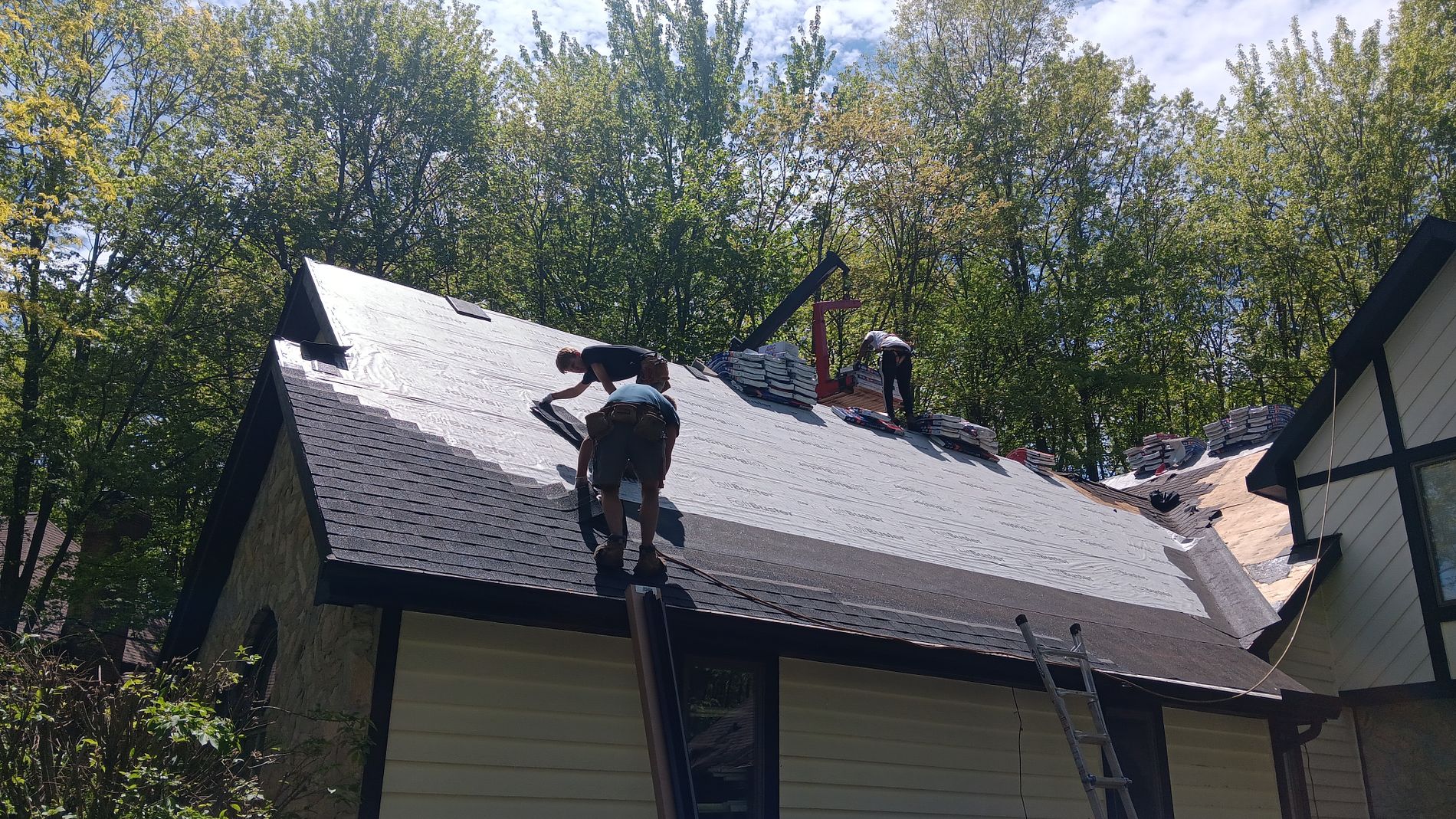
Emergency Roof Repair: 9 Urgent Steps To Protect Your Home
5/21/26
8 Min Read
Fast emergency roof repair is critical when severe weather, fallen debris, or sudden leaks threaten your home. Delaying repairs after roof damage can lead to water intrusion, structural deterioration, mold growth, and costly interior damage.
- Prevents water damage: Stops leaks from spreading
- Protects structural integrity: Reduces long-term deterioration
- Minimizes interior damage: Helps protect ceilings and insulation
- Improves safety: Addresses dangerous roofing conditions
- Supports faster recovery: Helps prevent larger repair costs
Knowing what steps to take during a roofing emergency helps homeowners respond quickly and protect their property from additional damage.
What Is Emergency Roof Repair?
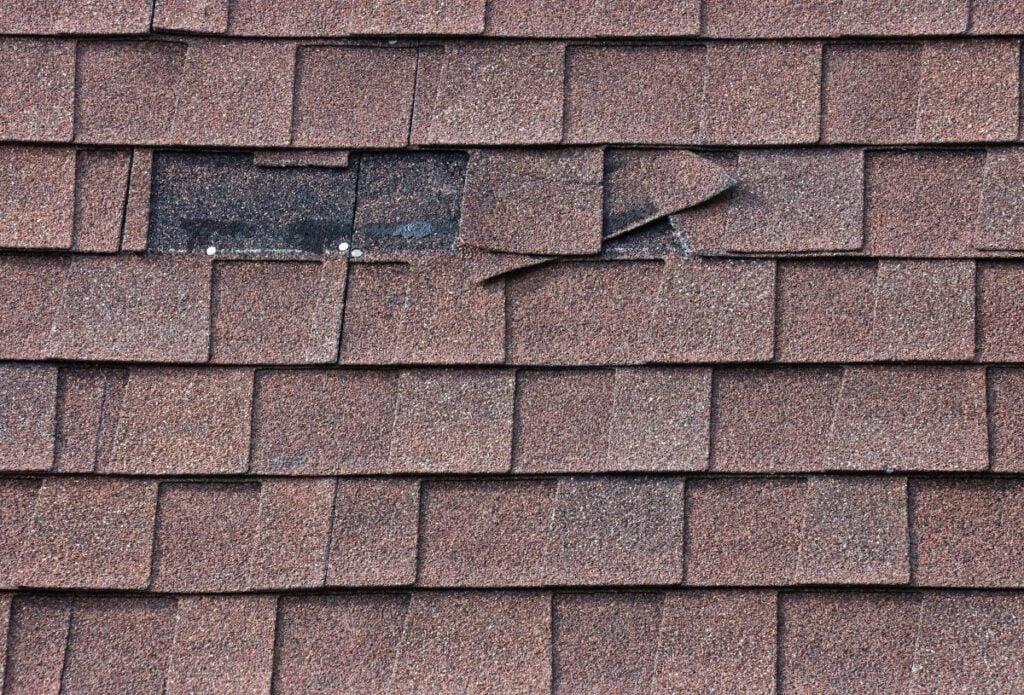
Emergency roof repair refers to temporary or immediate roofing services performed after sudden damage compromises the roofing system. These repairs are designed to stabilize the roof, reduce active leaks, and protect the home until permanent repairs or replacement can be completed.
Emergency situations are often caused by severe storms, high winds, hail, fallen tree limbs, or unexpected structural failures. In many cases, roofing contractors use temporary measures such as tarping or sealing exposed areas to reduce additional water intrusion.
Quick action during a roofing emergency helps limit damage to both the roofing system and the interior of the home.
9 Urgent Steps To Take After Roof Damage
Taking the right actions immediately after roof damage can help reduce repair costs and prevent further structural issues.
1. Stay Away From Dangerous Areas
Safety should always be the first priority during a roofing emergency. Damaged roofs may contain unstable sections, exposed nails, or weakened decking.
Avoid climbing onto the roof after storms or structural damage unless directed by a roofing professional.
- Avoid collapse risk: Damaged sections may be unstable
- Reduce injury risk: Wet roofing materials can be slippery
- Protect occupants: Keep people away from affected areas
2. Check For Interior Water Damage
Inspect ceilings, walls, and attic spaces for signs of leaking water or moisture intrusion.
According to the U.S. Environmental Protection Agency, mold colonies can begin growing on a damp surface within 24 to 48 hours of water exposure and will continue spreading until moisture is eliminated — making early interior inspection after roof damage essential for preventing long-term health and structural problems.
- Ceiling stains: Indicates active roof leaks
- Attic moisture: Suggests water intrusion beneath roofing materials
- Insulation damage: Wet insulation loses effectiveness
3. Contain Active Leaks
If water is actively entering the home, use buckets, towels, or containers to reduce interior damage while waiting for repairs.
This helps minimize damage to flooring, furniture, and drywall.
- Protect interior spaces: Limits water exposure
- Reduce cleanup needs: Prevents standing water buildup
- Temporary protection: Helps until repairs begin
4. Remove Valuable Items From Affected Areas
Move electronics, furniture, and personal belongings away from areas exposed to water intrusion.
This step helps reduce property damage during severe leaks.
- Protect valuables: Prevents water-related damage
- Reduce replacement costs: Limits exposure to moisture
- Improve accessibility: Clears space for repairs
5. Document Roof Damage
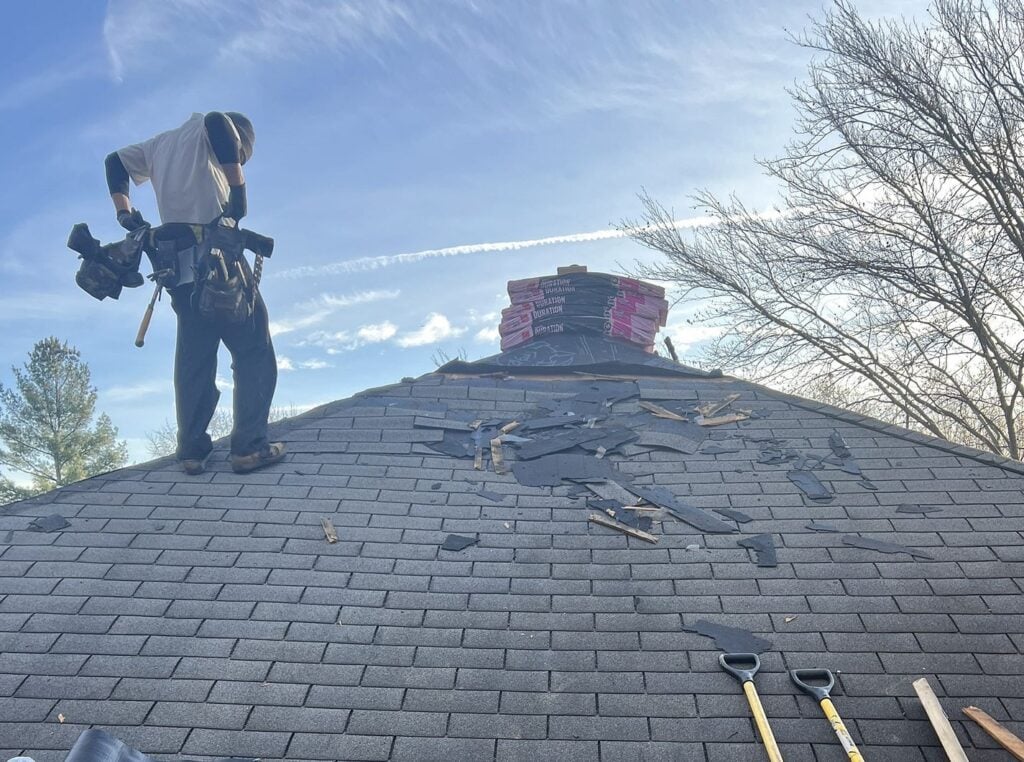
Take photos and videos of visible damage for insurance purposes before temporary repairs are completed.
Detailed documentation can help support insurance claims and speed up the repair process.
- Supports insurance claims: Provides evidence of damage
- Tracks repair needs: Helps contractors assess conditions
- Improves claim accuracy: Documents storm-related issues
6. Install Emergency Roof Tarping
Roof tarping is one of the most common emergency repair solutions used to temporarily protect exposed roofing areas from additional water intrusion.
Professional tarping helps create a temporary waterproof barrier until permanent repairs can be completed.
- Temporary leak protection: Reduces further water entry
- Protects roof decking: Limits moisture exposure
- Fast emergency solution: Helps stabilize damaged roofs
7. Contact A Roofing Contractor Immediately
An experienced roofing contractor can inspect the damage, recommend emergency solutions, and begin the repair process quickly.
Fast response times help reduce long-term structural damage and improve repair outcomes.
- Professional assessment: Identifies hidden issues
- Emergency service response: Helps prevent worsening damage
- Repair planning: Establishes next steps quickly
8. Prevent Additional Moisture Exposure
If possible, reduce additional moisture entering the home by covering exposed belongings and improving airflow in wet areas.
This helps limit mold growth and interior deterioration.
- Air circulation: Helps dry affected spaces
- Moisture reduction: Limits long-term damage
- Mold prevention: Reduces humidity buildup
9. Schedule Permanent Roof Repairs
Emergency repairs are often temporary solutions. Permanent repairs or full replacement may still be necessary depending on the severity of the damage.
A full inspection helps determine the long-term condition of the roofing system.
- Long-term protection: Restores roofing performance
- Structural repairs: Addresses hidden damage
- Improved durability: Prevents future leaks
Common Causes Of Emergency Roof Damage
Several types of events commonly lead to emergency roof repair situations.
Severe Storm Damage
Strong winds, hail, and heavy rain can damage shingles, flashing, and roof decking.
- Wind damage: Lifts or removes shingles
- Hail impacts: Cracks roofing materials
- Heavy rain exposure: Increases leak risk
Falling Tree Limbs
Tree branches and falling debris can puncture roofing systems or damage structural components.
- Impact damage: Cracks roofing materials
- Structural stress: Weakens roof sections
- Emergency leak risk: Exposes roof decking
Ice And Snow Damage
Winter weather can create ice dams and excessive weight loads that damage roofing systems.
- Ice dams: Force water beneath shingles
- Heavy snow: Places stress on roof structure
- Moisture intrusion: Increases leak potential
Emergency Roof Repair Comparison Table
Different emergency repair methods are used depending on the type and severity of roof damage.
| Emergency Repair Method | Primary Purpose | Best For | Urgency Level |
| Roof Tarping | Temporary waterproofing | Storm damage and leaks | Immediate |
| Flashing Repair | Leak prevention | Chimneys and roof penetrations | High |
| Shingle Replacement | Surface protection | Wind or hail damage | Medium |
| Structural Stabilization | Safety protection | Severe roof damage | Critical |
| Emergency Leak Sealing | Temporary moisture control | Active interior leaks | Immediate |
Choosing the right repair approach helps reduce further damage while preparing for permanent roofing solutions.
5 Signs You Need Emergency Roof Repair
Some roofing issues require immediate professional attention to prevent severe structural damage.
- Active roof leaks: Water entering the home during storms
- Missing roofing materials: Exposed roof decking or underlayment
- Sagging roof sections: Indicates possible structural damage
- Storm-related debris impact: Fallen branches or punctures
- Interior water stains: Suggests ongoing moisture intrusion
Ignoring these warning signs can lead to larger repair costs and more extensive damage.
Benefits Of Fast Emergency Roof Repair
Responding quickly after roof damage helps protect both the home and roofing system from worsening conditions.
- Limits water intrusion: Reduces interior damage
- Protects structural components: Prevents long-term deterioration
- Reduces mold risk: Helps control moisture buildup
- Improves repair outcomes: Smaller issues are easier to fix
- Supports insurance claims: Faster inspections improve documentation
Prompt repairs can significantly reduce long-term roofing expenses.
What To Look For In Emergency Roofing Contractors
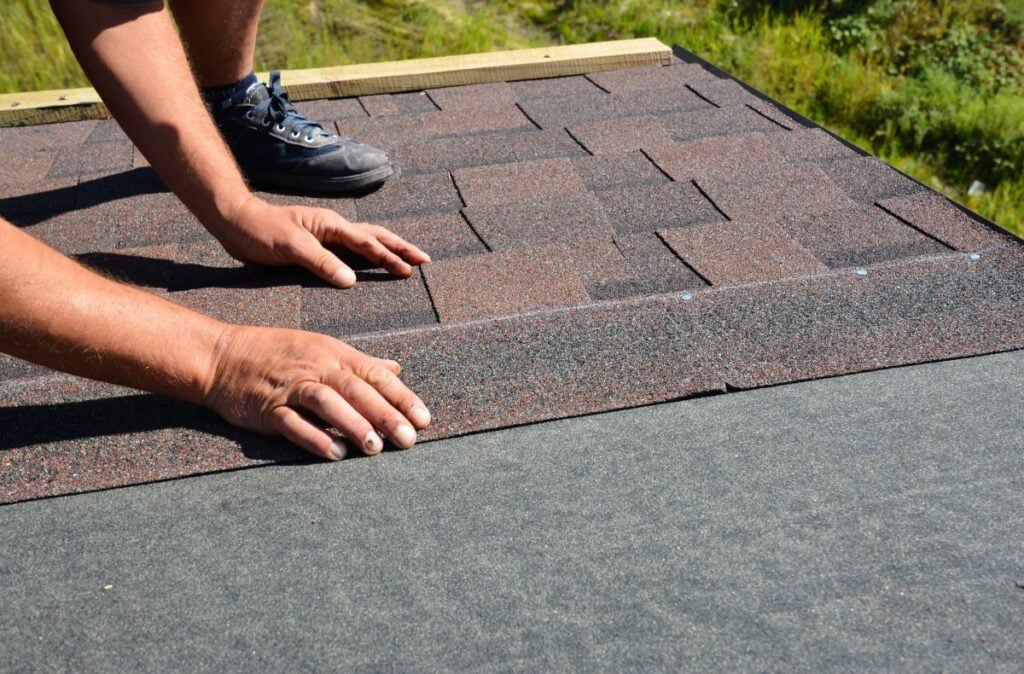
Choosing the right roofing contractor during an emergency can help prevent additional damage and ensure repairs are completed properly. Homeowners should look for experienced professionals who respond quickly and clearly explain the repair process.
- Licensed and insured company: Helps protect homeowners during repairs
- Emergency response availability: Fast service reduces additional damage. Call a professional roofer within 48 hours to prevent further damage.
- Detailed inspections: Identifies both visible and hidden roof issues
- Clear communication: Explains repair options and timelines upfront
- Written estimates: Provides transparent pricing before work begins
- Strong local reputation: Companies with high ratings and positive reviews on platforms like Google, Yelp, and the Better Business Bureau
- Experience with storm damage: Important for emergency repair situations
Working with a trusted roofing contractor helps homeowners feel more confident during stressful roofing emergencies and improves long-term repair results.
Frequently Asked Questions About Emergency Roof Repair
Roofing emergencies often happen unexpectedly, leaving homeowners with urgent questions about what to do next.
How quickly should emergency roof repairs be completed?
Emergency repairs should be addressed as quickly as possible to prevent additional water damage and structural deterioration. Temporary protection measures are often installed immediately after inspection.
Does homeowners insurance cover emergency roof repair?
Insurance coverage depends on the cause of the damage and the terms of the policy. Storm-related damage is commonly covered, but homeowners should review their specific policy details.
Is roof tarping a permanent repair solution?
No, roof tarping is considered a temporary solution used to reduce water intrusion until permanent repairs can be completed. Long-term roofing repairs are usually still required.
Can small roof leaks become serious problems?
Yes, even small leaks can lead to water damage, mold growth, insulation problems, and structural deterioration over time. Fast repairs help prevent larger issues from developing.
Get Fast Emergency Roof Repair With Buckeye State Roofing
Roof damage can happen suddenly, but responding quickly helps protect your home from more serious structural and water damage. Emergency repairs play a critical role in stabilizing the roofing system and preventing additional issues.
Buckeye State Roofing provides fast emergency roof repair, inspections, and roof replacement services throughout Northeast Ohio. Contact our team today for rapid response roofing solutions and professional storm damage assistance.
