
Flat Roof Insulation Options (6 Factors To Budget For)
4/28/26
6 Min Read
Choosing the right flat roof insulation is essential for maintaining energy efficiency, protecting your roofing system, and controlling long-term costs. Insulation plays a critical role in regulating indoor temperatures, reducing energy loss, and preventing moisture damage. For both residential and commercial roof systems, the insulation system you choose directly impacts performance and budget.
- Energy efficiency: Reduces heating and cooling costs
- Moisture protection: Helps prevent moisture damage
- Thermal performance: Maintains indoor comfort
- Cost control: Impacts upfront and long-term expenses
- System compatibility: Must align with roofing material
Understanding insulation options and cost factors helps property owners make informed decisions that support long-term roof performance.
What Is Flat Roof Insulation?

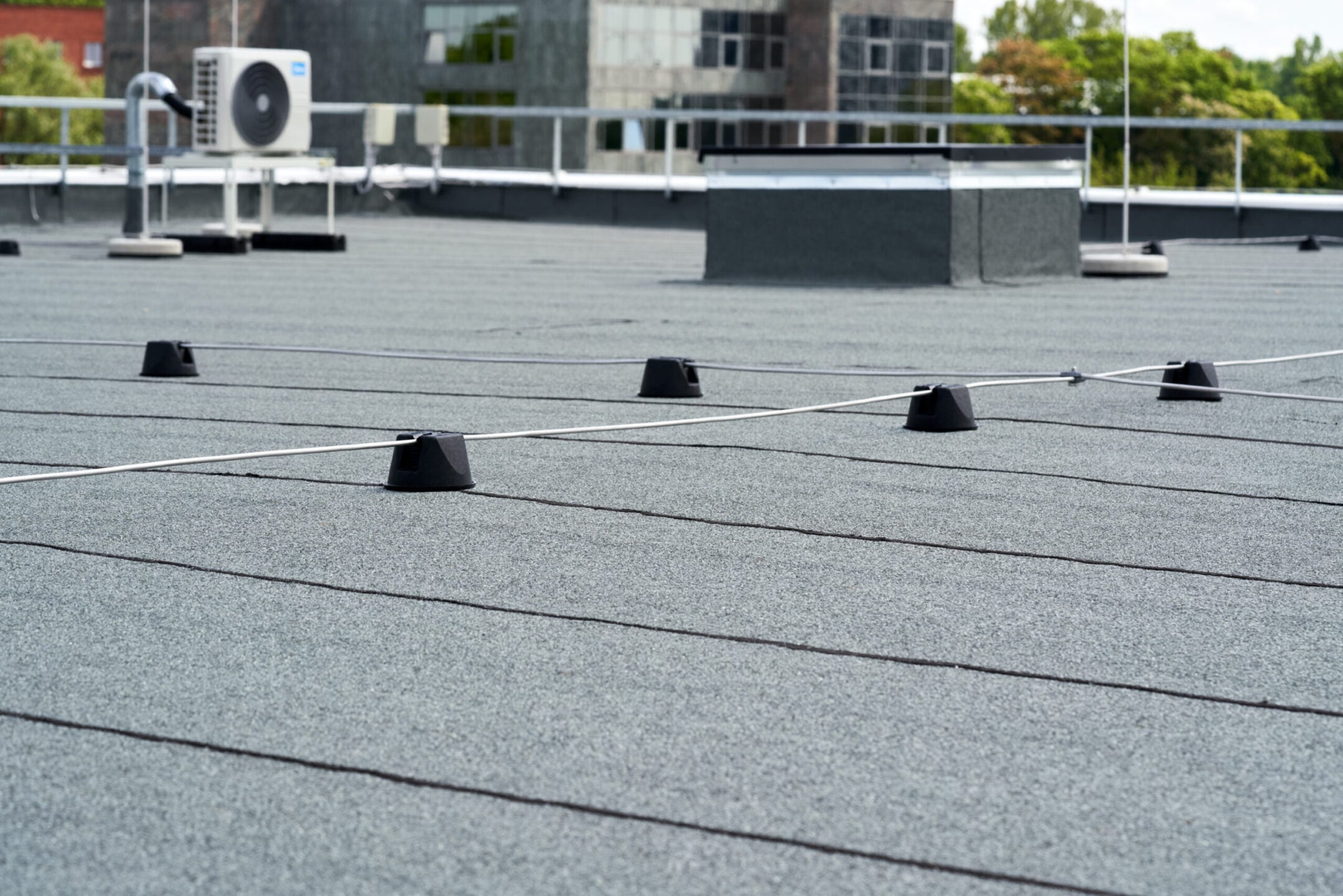
Flat roof insulation is a layer of material installed within or above a roofing system to reduce heat transfer and improve energy efficiency. It is commonly used in low slope roofs where proper thermal control and moisture management are essential.
Insulation is typically installed over the structural deck or directly on the roof deck, depending on the insulation system design. In many cases, it is placed beneath the roofing membrane to create a continuous thermal barrier. Proper installation helps prevent heat loss, reduces energy costs, and protects the structure from long-term moisture damage.
In modern construction, many systems are designed as a warm roof, where insulation is installed above the roof deck rather than below it. This approach helps keep the structural deck at a more stable temperature, reducing condensation risk and improving overall energy efficiency.
Common Flat Roof Insulation Options
There are several types of flat roof insulation available, each offering different benefits depending on the building and environment.
Polyisocyanurate (Polyiso) Insulation
Polyiso is one of the most widely used insulation materials for commercial roof systems due to its high thermal performance and efficiency. It is commonly used in warm roof assemblies where insulation sits above the roof deck.
- High R-value: Strong thermal resistance
- Lightweight design: Easy to install on large flat roof areas
- Energy efficient: Helps reduce long-term operating costs
Extruded Polystyrene (XPS)
XPS insulation is known for its moisture resistance and durability. It is often used in insulation systems where water exposure is more likely.
- Moisture resistant: Helps protect against moisture damage
- Durable structure: Maintains integrity under pressure
- Reliable performance: Consistent insulation value over time
Expanded Polystyrene (EPS)
EPS is a cost-effective option that provides solid thermal performance for a variety of roofing systems, especially for budget-conscious projects.
- Affordable option: Lower upfront investment
- Lightweight material: Easier installation process
- Versatile use: Works across many flat roof designs
Spray Foam Insulation
Spray foam insulation expands to fill gaps and create a seamless layer, making it highly effective for air sealing and irregular surfaces.
- Seamless application: Fills cracks and gaps
- Air barrier: Improves overall insulation system performance
- Water resistant: Helps reduce the risk of leaks
6 Factors To Budget For With Flat Roof Insulation
When planning for flat roof insulation, several cost factors influence the total investment. Understanding these helps property owners prepare for both immediate and long-term expenses.
- Material Type: Costs vary depending on the insulation system, with spray foam and polyiso typically higher than EPS
- R-Value Requirements: Higher insulation performance increases thickness and material costs
- Installation Method: Labor varies depending on roof complexity and accessibility
- Roof Size And Layout: Larger flat roof areas require more materials and time
- Moisture Protection Needs: Additional layers help prevent moisture damage
- Long-Term Performance: Higher-quality systems reduce maintenance and energy costs
Flat Roof Insulation Cost Comparison
Comparing insulation options helps determine which materials align best with your budget and performance needs.
| Insulation Type | Cost Level | Moisture Resistance | Energy Efficiency | Best Application |
| Polyiso | Medium-High | Moderate | High | Warm roof commercial systems |
| XPS | Medium | High | Medium-High | Moisture-prone low slope roofs |
| EPS | Low | Moderate | Medium | Budget-conscious flat roof projects |
| Spray Foam | High | High | High | Existing flat roof restoration |
Each insulation system offers different advantages depending on the building structure, climate, and performance expectations.
Benefits of Flat Roof Insulation
Installing the right insulation provides several long-term benefits that improve both performance and cost efficiency.
- Energy savings: Reduces heating and cooling expenses
- Moisture protection: Helps prevent moisture damage
- Improved comfort: Maintains consistent indoor temperatures
- Extended roof lifespan: Reduces stress on the roof deck
- Lower maintenance costs: Prevents long-term issues
These benefits make insulation a critical component of any flat roof system.

Flat Roof Insulation and Energy Efficiency
Energy efficiency is one of the main reasons property owners invest in flat roof insulation. Proper insulation reduces the amount of energy needed to heat and cool a building, especially in large commercial roof applications.
For low slope roofs, systems like a warm roof design help maintain consistent temperatures across the structure. This reduces condensation risk and improves long-term performance, particularly in climates with significant temperature swings.
When to Upgrade Flat Roof Insulation
Knowing when to upgrade insulation helps prevent larger issues and maintain building performance over time.
- Rising energy costs: May indicate poor insulation performance
- Temperature fluctuations: Suggest inconsistent thermal control
- Moisture damage: Indicates insulation or drainage issues
- Aging roofing system: Older systems may not meet current standards
Upgrading insulation during a roof replacement or restoration project ensures better long-term performance and durability.
Frequently Asked Questions About Flat Roof Insulation
Flat roof insulation varies depending on building design, materials, and climate conditions. Understanding the basics helps property owners make informed decisions.
What is the best insulation for a flat roof?
Polyiso is often considered one of the best options due to its high energy efficiency and performance, especially in warm roof systems.
Can insulation be installed over an existing flat roof?
Yes, many insulation systems can be added over an existing flat roof during restoration or upgrades.
Does insulation help prevent moisture damage?
Yes, proper insulation and moisture control layers help reduce the risk of moisture damage.
Is flat roof insulation designed for foot traffic?
Some systems are designed to handle light foot traffic, but additional protection may be needed for frequent use.
Improve Your Roof with Buckeye State Roofing
Choosing the right flat roof insulation is essential for improving energy efficiency, protecting your roofing system, and controlling long-term costs. With the right materials and installation approach, property owners can extend the life of their roof and improve overall performance.
Buckeye State Roofing provides expert commercial roof services, insulation solutions, and full system upgrades throughout Northeast Ohio. Contact our team today to find the right flat roof insulation solution for your building.
