
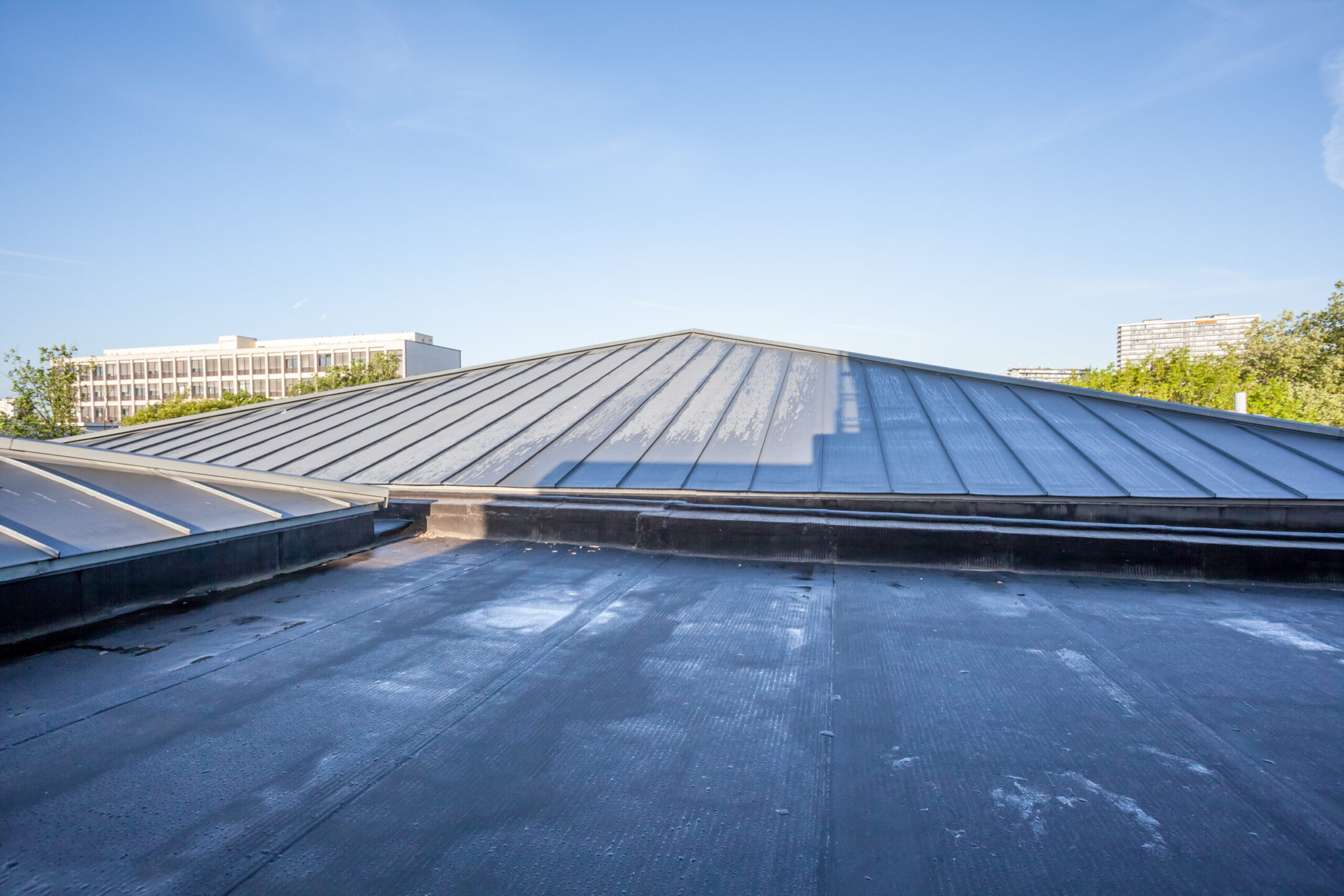
4 Best Flat Roof Materials For Commercial Buildings
3/02/26
5 Min Read
Choosing the right flat roof materials is one of the most important decisions commercial property owners face. Flat roofing systems must balance durability, energy efficiency, and cost to meet the needs of the building and its long-term performance. Whether you’re building new or replacing an aging roof, selecting the proper materials ensures maximum value and protection for your investment.
- Weather resistance: Materials should withstand sun, rain, wind, and snow over time
- Cost effectiveness: Balancing up-front cost with long-term performance is key
- Maintenance needs: Some systems require regular upkeep, others are nearly hands-off
- Energy performance: Cool roofs can reduce utility costs by reflecting sunlight
- Installation process: Material choice affects how quickly and easily the roof is installed
If you’re unsure where to start, professional commercial roofing services can guide you through choosing the best fit for your building.
Why Material Selection Matters for Flat Roofs
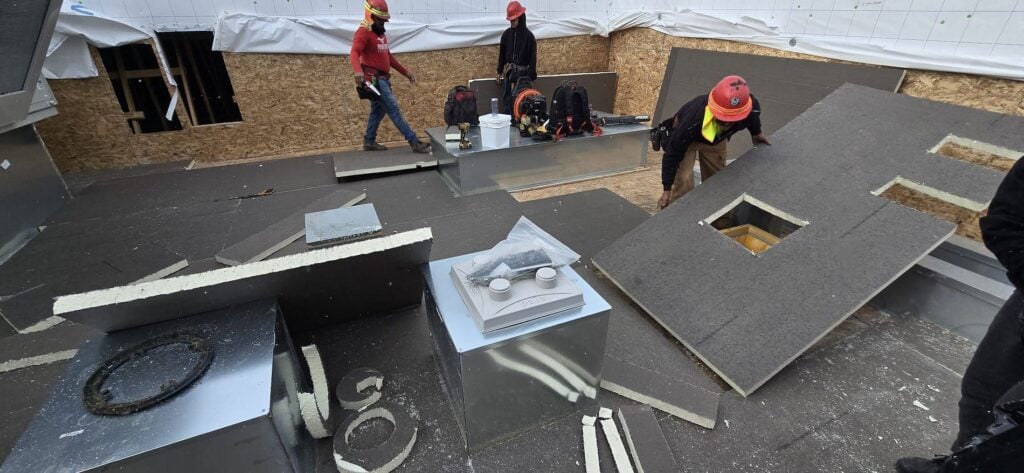
Unlike pitched roofs, flat roofs don’t naturally shed water and debris. This makes the choice of roofing material especially critical for performance and longevity. The right materials can prevent issues like ponding water, UV degradation, and early wear.
In a city like Strongsville, OH—where seasonal weather includes sun, rain, wind, and snow—a durable and weather-resistant flat roof can protect a commercial structure for decades. It’s not just about choosing a waterproof surface. It’s about finding the right combination of protection, longevity, and efficiency for your specific building and budget.
4 Flat Roof Materials That Work Best for Commercial Buildings
Here are four of the top flat roof materials used in commercial construction today, including pros, cons, and when each might be the right fit.
1. EPDM Rubber Roofing
EPDM (ethylene propylene diene monomer) is a synthetic rubber membrane popular for its affordability and durability. Often called “rubber roofing,” it’s flexible, easy to install, and ideal for large surface areas.
- Cost effective: One of the most affordable commercial roofing materials
- Long lifespan: Lasts 20–30 years with proper maintenance
- UV resistant: Black surface resists sun damage and thermal cracking
- Low maintenance: Simple to inspect and repair
- Energy absorbing: May retain heat, unless paired with reflective coating
EPDM is ideal for warehouses and industrial buildings looking for budget-friendly protection over large areas.
2. TPO Roofing
TPO (thermoplastic olefin) is a single-ply white membrane designed for durability and energy efficiency. It’s especially popular on newer commercial buildings.
- Reflective surface: Reduces cooling costs in hot climates
- Heat-welded seams: Creates strong, waterproof bonds
- Environmentally friendly: 100% recyclable and low in VOCs
- Quick installation: Lightweight material is fast to apply
- Durable design: Resists punctures, tears, and UV damage
TPO is ideal for office buildings, schools, or properties aiming for energy savings and modern performance.
3. PVC Roofing
PVC (polyvinyl chloride) roofing offers high resistance to chemicals, fire, and grease—making it an excellent choice for restaurants and factories.
- Chemical resistant: Withstands oils and harsh industrial waste
- Fire retardant: Naturally flame-resistant material
- Long lasting: Often lasts 20+ years with low upkeep
- Strong seams: Heat-welded seams offer watertight protection
- More expensive: Higher upfront cost compared to TPO or EPDM
PVC is recommended for facilities that require high levels of protection against heat, chemicals, or roof traffic.
4. Built-Up Roofing (BUR)
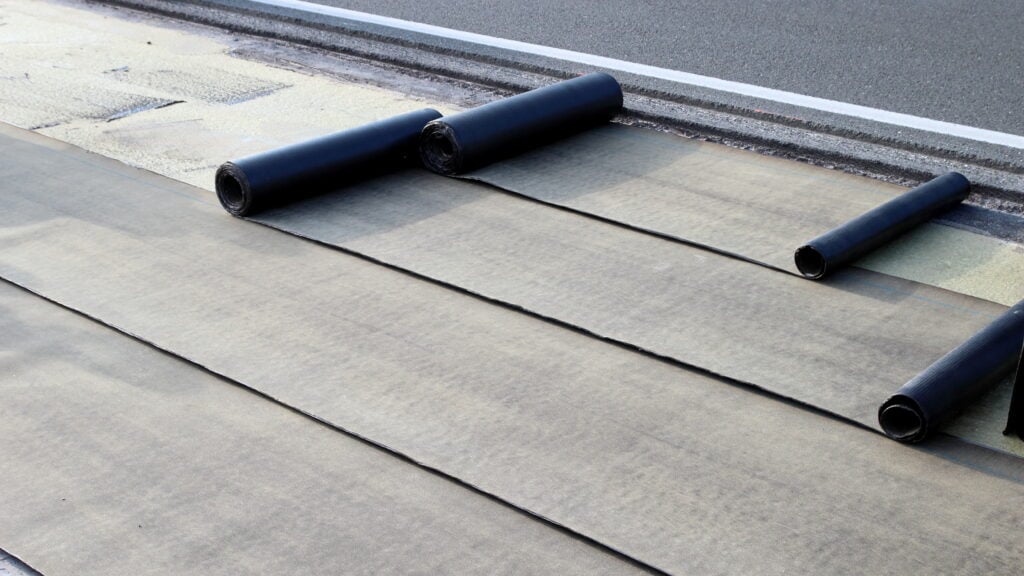
BUR, also known as “tar and gravel” roofs, consists of multiple layers of asphalt and felt topped with gravel. It’s one of the oldest commercial flat roofing systems still in use.
- Proven performance: Decades of use in commercial buildings
- Multi-layer protection: Excellent waterproofing and UV defense
- Gravel finish: Provides impact resistance and sun shielding
- Heavier system: May require reinforced roof decking
- Longer install time: More labor-intensive and time consuming
BUR systems are well-suited for commercial buildings that prioritize rugged, time-tested materials and long-term strength.
Flat Roof Material Comparison Table
| Material | Lifespan | Energy Efficiency | Installation Cost | Maintenance | Best For |
| EPDM Rubber | 20–30 years | Moderate | Low | Low | Industrial buildings, warehouses |
| TPO | 15–25 years | High | Moderate | Low | Offices, schools, eco-conscious builds |
| PVC | 20–30 years | High | High | Low | Restaurants, factories |
| Built-Up (BUR) | 20–30 years | Moderate | High | Moderate | Older buildings, high foot traffic areas |
Frequently Asked Questions About Flat Roof Materials
Choosing the right flat roof materials can feel overwhelming with so many options available. This section addresses common concerns from commercial property owners to help simplify the process.
What is the most cost-effective flat roof material?
EPDM rubber roofing typically offers the lowest installation cost and solid performance, making it a smart choice for budget-conscious building owners.
How long do flat roof systems last?
Most modern flat roofs last between 20 and 30 years, depending on the material, climate, and maintenance.
Which flat roof is best for energy efficiency?
TPO and PVC are excellent choices due to their reflective surfaces, which help lower cooling costs.
Can I install solar panels on flat roofs?
Yes. Many flat roofing materials, especially PVC and TPO, can support solar arrays with proper mounting systems.
How do I know when it’s time to replace my flat roof?
Signs include pooling water, bubbling, punctures, rising energy bills, and leaks in the interior ceiling.
Other Considerations Before Choosing a Flat Roof
Beyond the material alone, there are several other factors to evaluate when planning your roofing project:
- Foot traffic needs: Some materials (like PVC and BUR) are better suited to frequent foot traffic
- Installation access: Consider how easily crews can transport and install the material
- Slope and drainage: Even flat roofs need minimal pitch to prevent ponding water
- Future upgrades: Will you add HVAC units or solar panels that affect weight or space?
- Local building codes: Some areas restrict or require specific materials for safety and efficiency
Talking to an experienced roofing contractor ensures you cover all these angles and avoid costly surprises during installation or repairs.
Partner with Buckeye State Roofing for Your Commercial Flat Roof
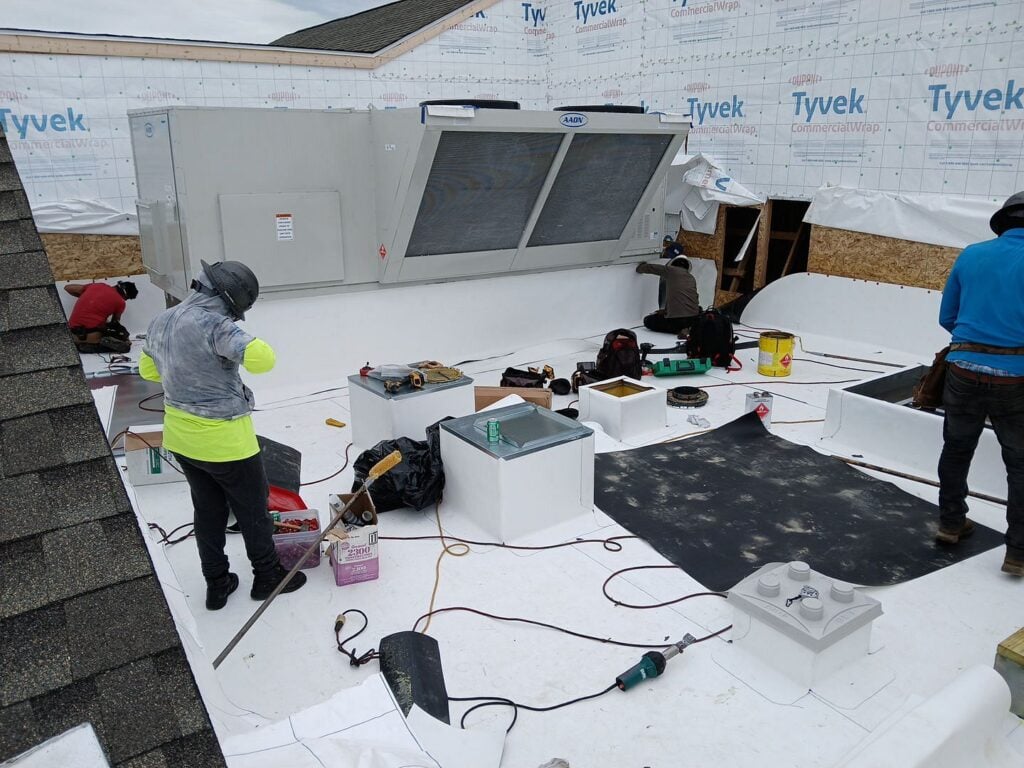
Choosing the best flat roof material can make a major difference in your building’s performance and longevity. At Buckeye State Roofing, we help business owners choose, install, and maintain high-quality commercial roofing systems that are built to last.
We’re proud to serve home and business owners in Strongsville, OH, and nearby communities with flat roof materials, commercial roof installation, and more. Contact Buckeye State Roofing today to schedule a consultation and protect your property with professional-grade solutions.
