
Flat Roof Replacement Cost: 8 Pricing Factors For 2026
6/25/26
8 Min Read
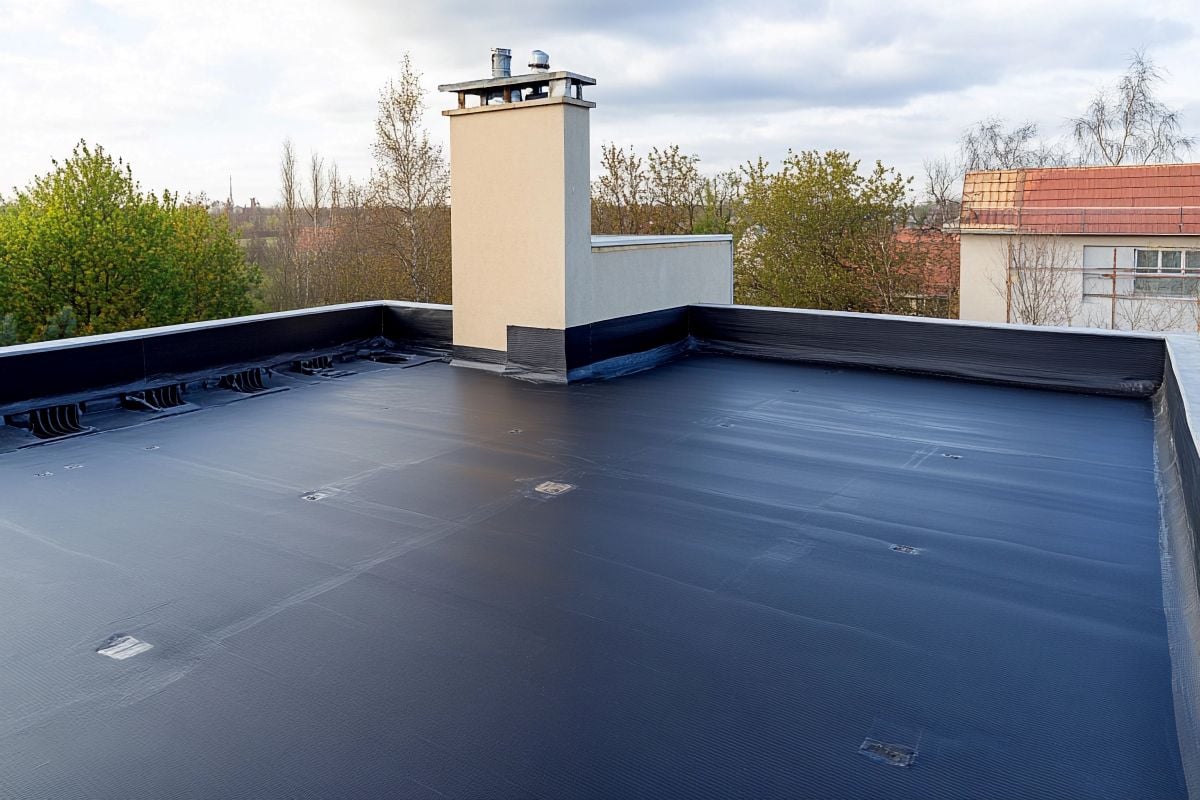
Flat roof replacement cost can vary significantly depending on the size of the roof, roofing materials selected, labor requirements, and the condition of the existing roof system. While flat roofs are common on commercial buildings and some residential properties, replacement costs are influenced by several factors that property owners should understand before budgeting for a project. If you’re planning a commercial roofing project, understanding these pricing variables can help you make informed decisions and avoid unexpected expenses.
A flat roof replacement involves removing and replacing all or part of an existing flat roofing system, including the roofing membrane, insulation, flashing, and sometimes portions of the roof deck. The final cost depends on roof size, roofing material, labor rates, accessibility, and the overall condition of the building.
- Roof size matters: Larger roofs require more materials and labor
- Material selection impacts cost: Different systems have different price points
- Labor affects pricing: Installation complexity influences expenses
- Existing roof condition matters: Repairs may increase project costs
- Long-term value is important: Lower-cost options are not always the best investment
Knowing what drives flat roof replacement cost can help property owners better evaluate estimates and roofing options.
What Is The Average Flat Roof Replacement Cost?
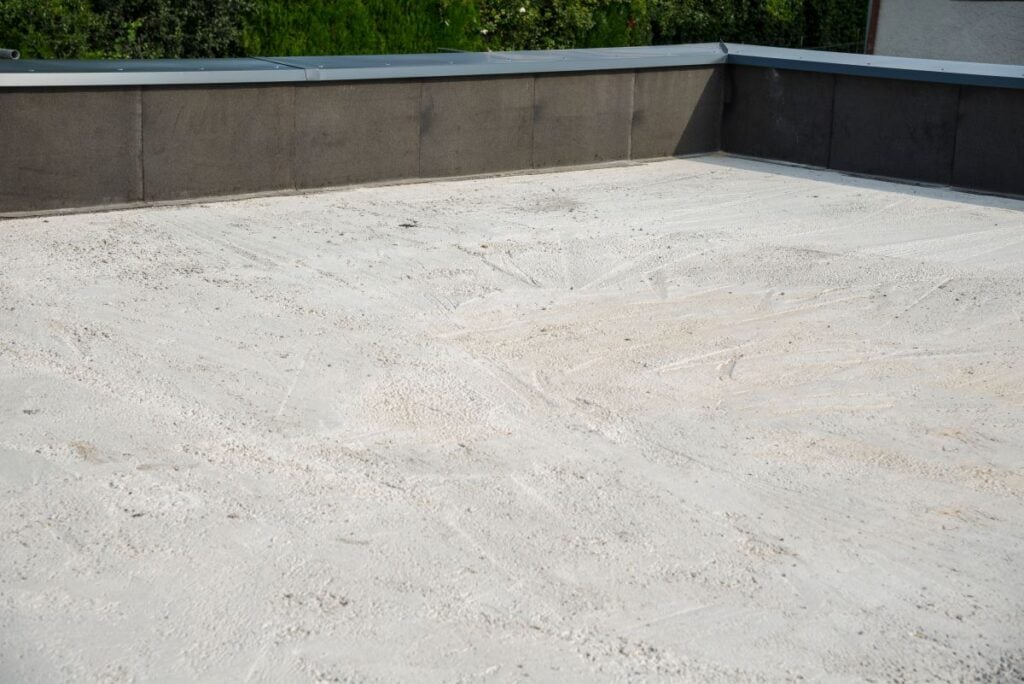
The average flat roof replacement cost depends on factors such as roof size, roofing material, accessibility, and project complexity. Most flat roof replacement projects are priced by the square foot, with total costs varying based on the roofing system selected.
Common flat roofing materials include:
- TPO roofing: Popular for energy efficiency and affordability
- EPDM roofing: Durable synthetic rubber membrane
- PVC roofing: Premium single-ply roofing option
- Modified bitumen roofing: Multi-layer asphalt-based system
- Built-up roofing: Traditional layered roofing system
While material costs vary, installation quality and roof conditions often have an equally significant impact on the actual cost. Commercial roof replacement projects typically have higher costs than residential flat roof projects due to larger roof areas and increased labor requirements.
8 Pricing Factors That Affect Flat Roof Replacement Cost
Several variables influence the final replacement cost of a flat roof.
1. Roof Size
The total square footage of the roof is one of the largest cost factors. Larger roofs require more roofing materials, insulation, fasteners, and labor.
- More materials: Increases overall costs
- Additional labor: Requires more installation time
- Higher disposal costs: More roofing debris to remove
2. Roofing Material Selection
Different flat roofing systems vary significantly in price and performance. Material selection often affects both upfront costs and long-term maintenance expenses.
- TPO roofing: Cost-effective and energy efficient
- EPDM roofing: Durable rubber membrane option
- PVC roofing: Premium performance and durability
- Modified bitumen: Strong multi-layer protection
3. Existing Roof Condition
The condition of the existing roof can impact project scope. Hidden damage beneath the roofing system may require additional repairs before replacement can proceed.
- Damaged roof deck: Requires structural repairs
- Moisture intrusion: May affect insulation and decking
- Multiple roof layers: Can increase removal costs
4. Roof Deck Repairs
A damaged roof deck can significantly increase flat roof replacement cost. Contractors must ensure the roof structure is sound before installing a new roofing system.
- Deck replacement: Adds material expenses
- Structural repairs: Increases labor requirements
- Safety improvements: Supports long-term performance

5. Insulation Requirements
Roof insulation plays an important role in energy efficiency and building performance. Upgrading insulation may increase initial costs but can provide long-term savings.
- Improved energy efficiency: Helps reduce utility costs
- Code compliance: May require insulation upgrades
- Enhanced performance: Supports roofing system lifespan
6. Labor Costs
Labor costs often represent a significant portion of the total project budget. Factors such as roof accessibility, installation complexity, and local labor rates affect pricing.
- Roof accessibility: Impacts installation difficulty
- Project complexity: Increases labor hours
- Skilled workmanship: Supports proper installation
7. Drainage And Roof Design
Flat roofs require effective drainage systems to prevent standing water. Complex roof layouts often increase installation time and material requirements.
- Drain locations: Affect installation planning
- Roof penetrations: Require specialized flashing
- Water management: Supports roof longevity
8. Warranty Coverage
Warranty options can influence project pricing. Higher-quality roofing systems often include more comprehensive warranty protection.
- Manufacturer warranties: Protect roofing materials
- Workmanship warranties: Cover installation quality
- Long-term value: May justify higher investment
Flat Roofing Material Comparison Table
Different roofing systems offer different balances of cost, durability, and performance.
| Roofing Material | Relative Cost | Typical Lifespan | Energy Efficiency |
| TPO Roofing | Moderate | 20–30 Years | High |
| EPDM Roofing | Moderate | 20–30 Years | Moderate |
| PVC Roofing | Higher | 20–35 Years | High |
| Modified Bitumen | Moderate | 20–30 Years | Moderate |
| Built-Up Roofing | Moderate to High | 20–30 Years | Moderate |
Material selection should consider both upfront cost and long-term performance.
Additional Costs That May Affect A Flat Roof Replacement
Beyond roofing materials and labor, several additional expenses may influence the final project cost.
Permit Requirements
Some municipalities require permits before roof replacement projects can begin. Permit fees vary by location and project scope.
- Local regulations: May require approval
- Inspection requirements: Ensure code compliance
- Administrative costs: Added project expense
Removal And Disposal
Old roofing materials often need to be removed before installation begins. Disposal fees can contribute to the total replacement cost.
- Tear-off labor: Increases project scope
- Dumpster fees: Required for debris removal
- Material disposal: Additional project cost
Roof Accessibility
Buildings with limited access or unusual roof configurations may require additional labor and equipment.
- Equipment needs: May increase expenses
- Safety requirements: Affect project planning
- Installation challenges: Increase labor costs

Cost Per Square Foot For Flat Roof Replacement
Most roofing contractors calculate flat roof replacement cost using square footage. The cost per square foot depends on the roofing material selected, insulation requirements, roof complexity, labor costs, and project scope.
- Smaller roofs: May have higher per-square-foot costs
- Large commercial roofs: Often benefit from economies of scale
- Premium materials: Increase overall project investment
- Complex roof designs: Require additional labor and flashing work
Property owners should always compare estimates based on total scope rather than focusing solely on cost per square foot.
How To Estimate Flat Roof Replacement Cost
While every project is unique, property owners can estimate replacement costs by evaluating several key factors before requesting bids.
Measure Roof Size
Accurate measurements provide a starting point for estimating materials and labor.
- Total square footage: Determines material quantities
- Roof complexity: Affects installation requirements
- Drainage features: Influences labor needs
Evaluate Existing Roof Conditions
The condition of the current roof often determines whether additional repairs are required before installation begins.
- Roof deck condition: May require repairs
- Moisture damage: Can affect insulation replacement
- Roof age: Influences project scope
Compare Roofing Systems
Each flat roofing system offers different benefits, lifespans, and cost ranges.
- TPO roofing: Popular balance of cost and performance
- PVC roofing: Premium durability and chemical resistance
- EPDM roofing: Proven long-term reliability
- Modified bitumen: Multi-layer protection system
Ways To Control Flat Roof Replacement Cost
Property owners can take several steps to maximize value and manage project expenses. According to the U.S. Department of Energy’s Federal Energy Management Program, an ENERGY STAR qualified cool roof product saves money if priced no more than $0.64 per square foot above a less efficient model — which means that for many flat roof replacement projects, selecting a higher-efficiency system can be cost-justified based on lifetime energy savings alone.
- Schedule regular inspections: Identify issues early
- Address repairs promptly: Prevent larger damage
- Compare roofing systems: Evaluate long-term value
- Request detailed estimates: Understand project scope
- Work with qualified contractors: Improve installation quality
Focusing on long-term performance often provides greater value than selecting the lowest upfront price. While the cheapest roofing option may reduce initial costs, it may not deliver the best return on investment over the lifespan of the roof.
Frequently Asked Questions About Flat Roof Replacement Cost
Flat roof replacement costs vary based on building size, roofing materials, and project requirements. Understanding the most common pricing factors can help property owners budget effectively.
What is the average flat roof replacement cost?
The average flat roof replacement cost depends on roof size, material selection, labor costs, existing roof conditions, and project complexity. Most projects are priced by the square foot and vary based on roofing system requirements.
What roofing material is best for a flat roof?
The best roofing material depends on budget, performance goals, and building requirements. TPO, EPDM, PVC, and modified bitumen are among the most common flat roofing systems.
Does roof size affect replacement cost?
Yes. Larger roofs require more roofing materials, labor, insulation, and disposal services, which directly impacts the overall replacement cost.
Can roof deck damage increase costs?
Yes. Damaged decking often requires repairs or replacement before a new roofing system can be installed, increasing both labor and material expenses.
What factors have the biggest impact on flat roof replacement cost?
Roof size, roofing material selection, labor costs, roof deck condition, insulation requirements, drainage complexity, and accessibility are typically the largest pricing factors.
Is a flat roof replacement worth the investment?
For many property owners, a new flat roof improves weather protection, energy efficiency, building performance, and long-term property value. It can also help reduce future repair costs.
Plan Your Flat Roof Replacement With Buckeye State Roofing
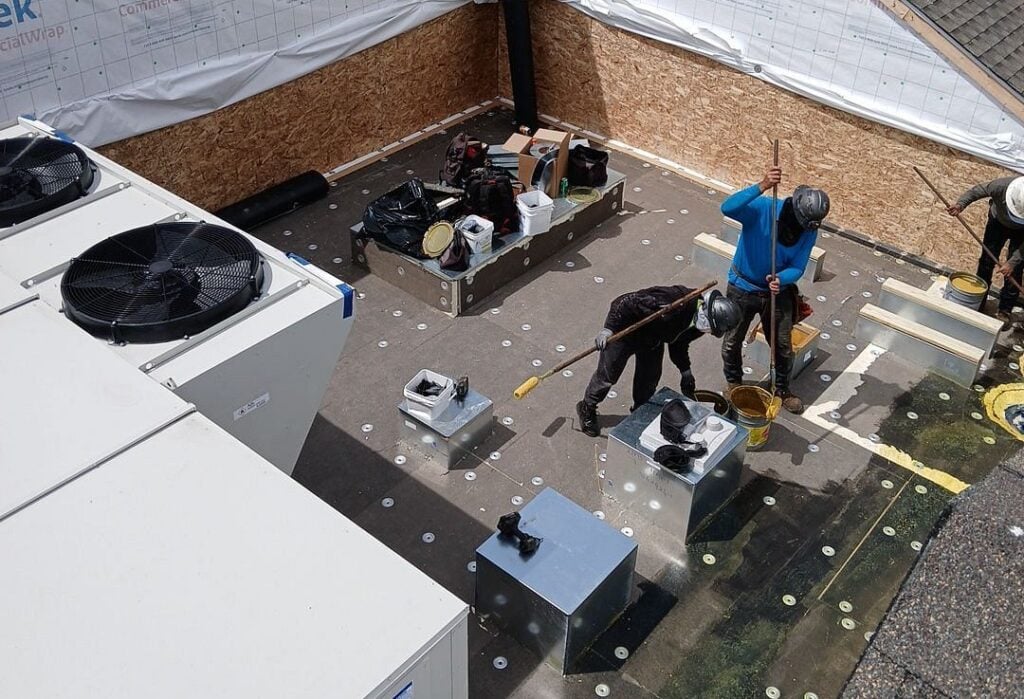
Understanding flat roof replacement cost helps property owners make informed decisions when budgeting for a roofing project. Factors such as roof size, roofing material, labor costs, insulation, roof structure, drainage requirements, and existing roof condition all play important roles in determining the final investment.
Buckeye State Roofing provides commercial roof inspections, flat roof replacement services, repairs, and roofing expertise throughout Northeast Ohio. Request a roofing consultation to discuss the best roofing solution for your property.
