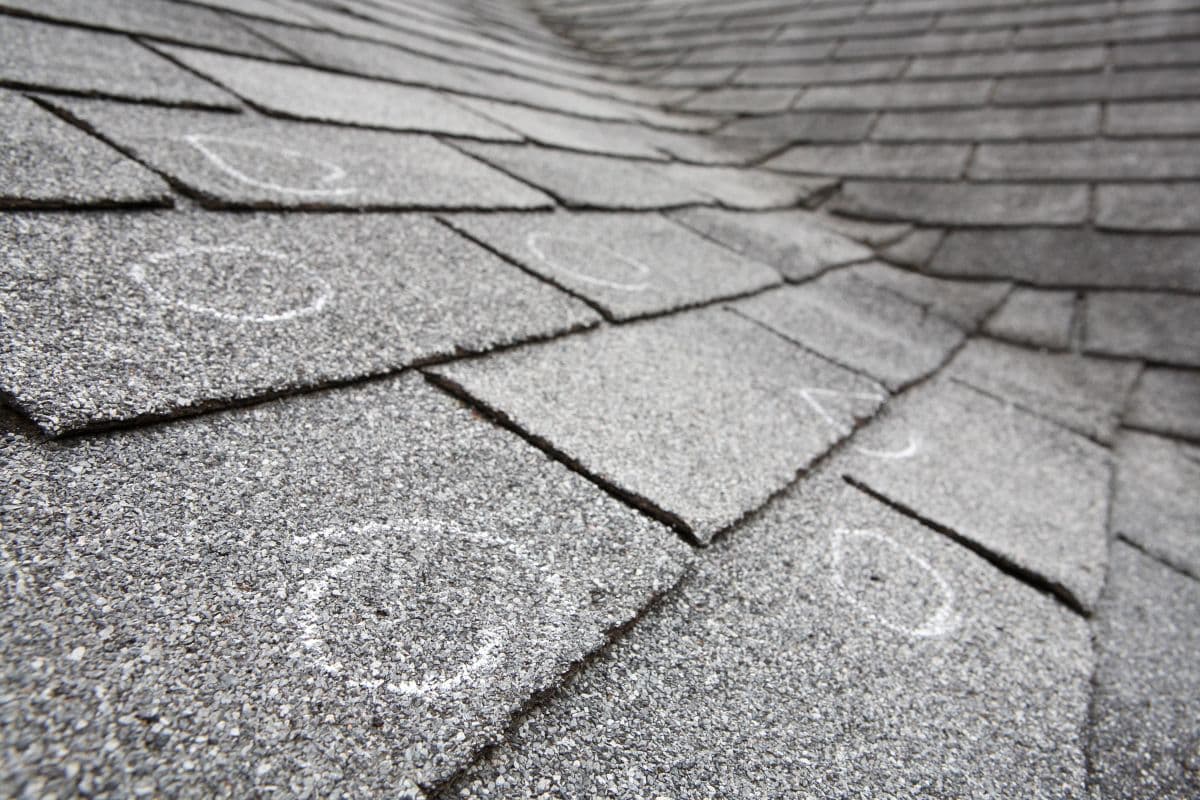
Hail Damage Roof Repair: How to Assess & What to Do Next
8/27/26
8 Min Read
After a hailstorm rolls through, it’s not always obvious whether your roof needs attention, which is exactly why understanding hail damage roof repair matters for homeowners across Ohio. Hail can bruise, crack, or dislodge shingles in ways that aren’t visible from the ground, and delaying an inspection often allows minor damage to turn into a costly leak. For homeowners in Broadview Heights and surrounding areas, having a trusted local team available to assess storm damage quickly can make all the difference. This guide walks through how to assess hail damage and exactly what steps to take next.
In this post, you’ll learn:
- Why addressing hail damage quickly protects your home and your budget
- The five key steps to properly assess hail damage on your roof
- Signs that indicate professional repair or replacement is needed
- How hail damage differs across various roofing materials
- What to expect when working with your insurance company
Why Addressing Hail Damage Roof Repair Matters
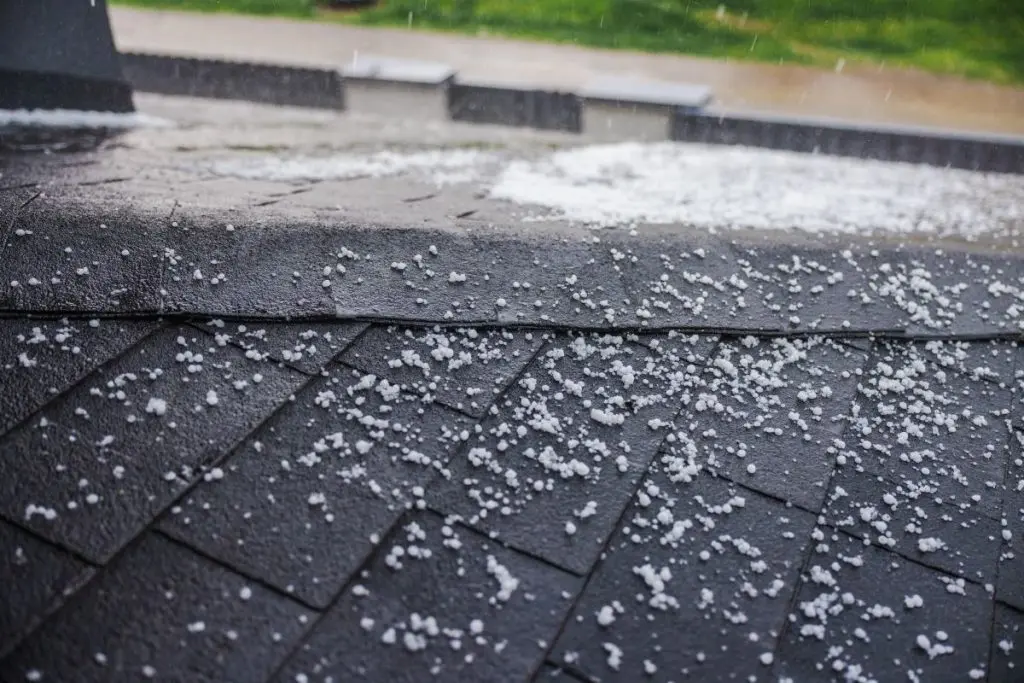
Hail damage doesn’t always announce itself immediately, and roofs that look fine from the driveway can still be compromised in ways that lead to leaks down the road. Homeowners throughout Broadview Heights and surrounding areas benefit from taking hail damage seriously right after a storm rather than waiting for visible problems to appear, since the gap between impact and a noticeable leak can sometimes stretch into months.
- Preventing hidden leaks: Bruised or cracked shingles can allow water intrusion long before any interior signs become obvious.
- Protecting your insurance claim: Prompt documentation and inspection strengthen your position when filing a hail damage claim.
- Avoiding costlier repairs later: Small hail damage addressed early is far less expensive than repairs needed after prolonged water exposure.
- Maintaining your roof’s lifespan: Hail impact can accelerate wear on shingles, shortening your roof’s overall service life if left unaddressed.
- Peace of mind: Knowing your roof’s true condition after a storm removes uncertainty and helps you plan next steps with confidence.
- Preserving your home’s value: A roof with unresolved hail damage can become a point of concern during a future home inspection or sale.
5 Steps to Assess Hail Damage on Your Roof
Knowing how to properly evaluate hail damage helps homeowners understand the severity of the situation and decide on next steps. Here are the five key steps to take when assessing your roof after a hailstorm.
1. Start With a Visual Inspection From the Ground
Before climbing onto your roof, which can be dangerous, especially if it’s wet, take a careful look from the ground using binoculars if needed. This initial inspection can reveal obvious signs of damage without putting yourself at risk, and it also gives you a baseline understanding before a professional arrives.
- Look for shingle granules collecting in gutters or downspouts
- Check for visibly dented gutters, vents, or other metal roof components
- Note any shingles that appear cracked, curled, or missing entirely
2. Check Metal Components for Dents
Metal roof accessories like vents, flashing, and gutters often show hail damage more clearly than shingles, making them a helpful early indicator of impact severity. Comparing the extent of dents on these components can give you a sense of how hard your roof was hit, since shingles and metal accessories typically absorb similar levels of impact during the same storm.
- Inspect vent covers, flashing, and downspouts for visible dents
- Compare damage patterns across different sides of the home
- Use this information to gauge whether a professional inspection is warranted
3. Look for Shingle Bruising and Granule Loss
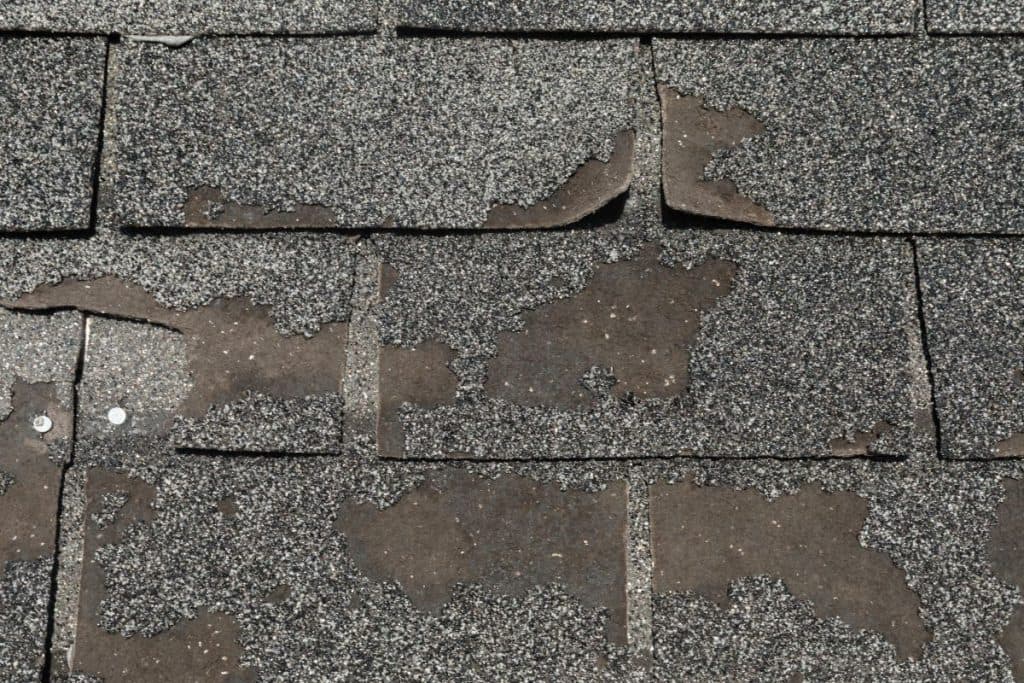
Hail impact often leaves circular bruises on shingles, which can be difficult to spot without a trained eye. These bruises compromise the shingle’s protective granule layer, even if the shingle itself isn’t torn or missing, which is exactly why bruised shingles are so often overlooked by homeowners doing their own inspection.
- Bruised areas may appear as soft spots or discoloration on the shingle surface
- Excessive granule loss in gutters after a storm often indicates hail impact
- Bruising isn’t always visible from the ground, making a closer inspection valuable
4. Document Everything With Photos
Thorough documentation supports both your own records and any insurance claim you may need to file. Photograph damage from multiple angles and distances to create a clear record of the roof’s condition, since more thorough documentation typically leads to a smoother claims process later on.
- Take wide shots of the entire roofline along with close-up images of specific damage
- Photograph metal components, gutters, and any debris found in the yard
- Include a timestamp or note the date of the storm for accurate record keeping
5. Schedule a Professional Roof Inspection
Even with a thorough ground-level assessment, a trained roofer can identify damage that isn’t visible without walking the roof directly. Professional inspections provide a more complete and reliable picture of your roof’s condition, and they carry more weight when it comes time to support an insurance claim.
- Choose a roofer experienced specifically with hail damage assessments
- Request a detailed written report to support any insurance claim
- Ask for photos taken directly on the roof surface to document findings
Signs You Need Professional Hail Damage Roof Repair
Not every hailstorm results in damage severe enough to require repair, but certain signs indicate it’s time to bring in a professional. Homeowners in Broadview Heights and surrounding areas should watch for the following indicators.
- Multiple bruised or cracked shingles: A pattern of impact damage across a large section of the roof typically warrants professional repair.
- Exposed shingle mat or fiberglass: Severe hail impact can expose the underlying shingle material, significantly reducing its protective ability.
- Dented soft metals: Noticeable dents in vents, flashing, or gutters often indicate that hail was large or intense enough to affect shingles as well.
- Granule loss in gutters: A significant amount of granules collecting after a storm often points to widespread shingle damage.
- Interior signs of leaking: Water stains, drips, or musty odors appearing after a hailstorm strongly suggest roof damage requiring immediate attention.
Hail Damage Roof Repair Across Different Roofing Materials
Hail affects roofing materials differently, and understanding these differences helps homeowners know what to expect during an inspection. The table below breaks down how common roofing materials typically respond to hail impact, though the size and intensity of the hailstorm ultimately determines the severity of any damage.
| Material | Common Hail Damage | Repair Complexity |
|---|---|---|
| Asphalt shingles | Bruising, granule loss, cracking | Moderate, often shingle replacement |
| Metal roofing | Denting, cosmetic damage | Low to moderate, depends on gauge |
| Wood shakes | Splitting, cracking | Moderate to high |
| Tile roofing | Cracking, chipping | High due to material fragility |
| Slate roofing | Cracking, breakage | High, specialized repair required |
A few additional points worth understanding about hail damage across materials:
- Metal roofing resilience: While metal can dent, it generally resists the granule loss and cracking that affects asphalt shingles.
- Fragile material risks: Tile and slate roofing can be more prone to breakage from significant hail impact, requiring careful handling during repairs.
- Age matters: Older roofs of any material tend to sustain more damage from the same hail event compared to newer installations.
- Insurance considerations: Repair complexity and material cost can influence how insurance companies evaluate and process hail damage claims.
Working With Insurance After Hail Damage

Filing an insurance claim after hail damage can feel overwhelming, but understanding the general process helps homeowners navigate it more smoothly. A little preparation goes a long way toward a fair and efficient claim outcome, and knowing what to expect ahead of time reduces a lot of the stress that comes with an unfamiliar process.
- Report damage promptly: Most policies require timely notification after a storm, so contacting your insurer soon after the event is important.
- Provide thorough documentation: Photos, videos, and a written summary of the damage support a stronger claim.
- Get an independent roof inspection: Having your own roofer’s assessment alongside the insurance adjuster’s report helps ensure nothing gets missed.
- Review the adjuster’s findings carefully: Compare the adjuster’s report against your roofer’s assessment and address any discrepancies before finalizing the claim.
- Understand your coverage: Review your policy’s deductible and coverage details specific to hail or storm related damage.
Get Professional Hail Damage Roof Repair From Buckeye State Roofing
Hail damage can be easy to overlook, but leaving it unaddressed almost always leads to bigger problems down the road, from accelerated shingle wear to unexpected leaks. Taking the time to properly assess your roof after a storm protects both your home and your insurance claim. Homeowners throughout Broadview Heights and surrounding areas trust experienced roofing professionals to identify hail damage accurately and recommend the right repair approach.
A methodical assessment, paired with prompt professional support, gives your home the best chance of a smooth recovery after any hailstorm passes through the area.
If your roof has experienced hail damage, don’t wait to have it inspected. Contact us today and let the team at Buckeye State Roofing assess your roof, document the damage, and get your repairs scheduled quickly and correctly.