
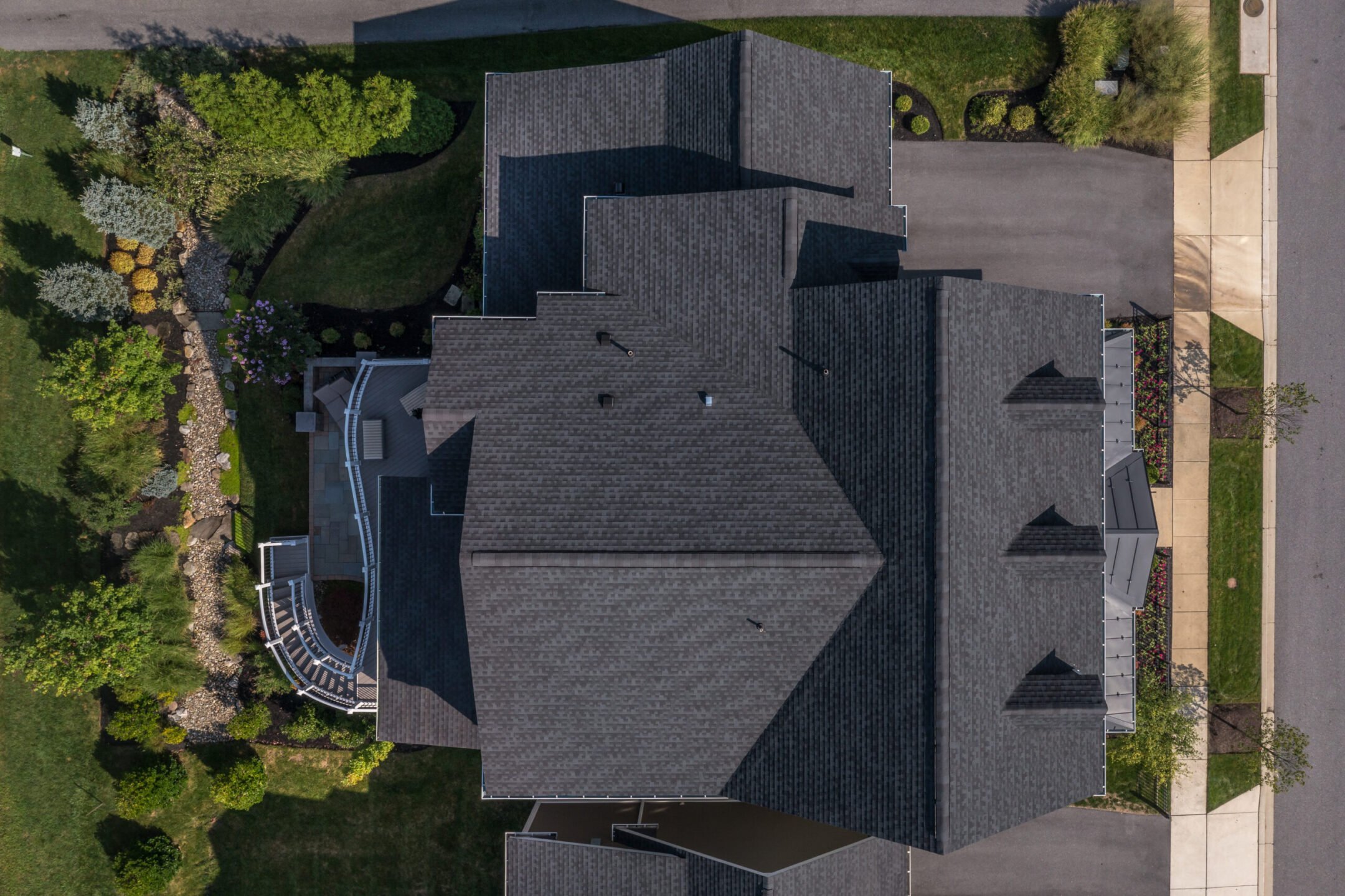
Hip And Valley Roof Design (4 Factors To Help You Choose)
2/25/26
5 Min Read
Choosing the right roof design can significantly affect your home’s durability, visual appeal, and ability to withstand the elements. A hip and valley roof offers a sophisticated structure that supports both function and form. This roof style features multiple slopes and valleys that enhance water drainage and add architectural interest, especially for larger or multi-winged homes.
- Excellent weather resistance: Ideal for regions with high winds and heavy snow
- Supports multiple materials: Works with asphalt shingles, metal roofing, and tiles
- Boosts curb appeal: Creates a layered, elegant silhouette
- Helps manage water flow: Built-in valleys improve drainage
Why Roof Design Matters for Performance and Aesthetics
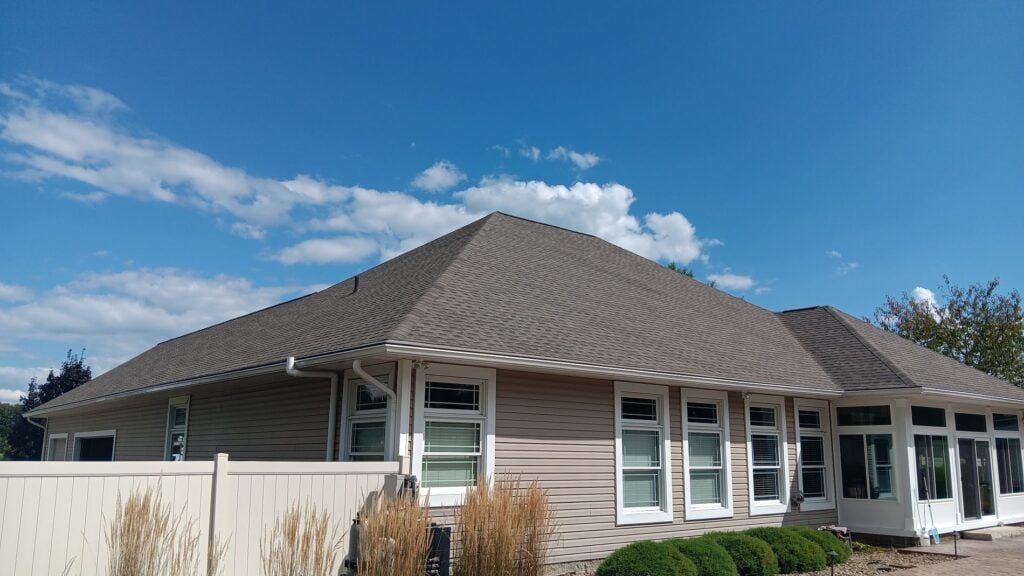
Your roof does more than cover your home — it impacts drainage, insulation, and exterior appearance. The hip and valley roof design is both visually striking and practical, making it popular for complex home layouts and areas with demanding weather conditions.
Proper design ensures better structural integrity, minimizes maintenance, and adds lasting value. In Avon, OH, where seasonal storms and snow are common, having the right roof shape plays a vital role in home protection.
- Structural strength: Distributes weight evenly across roof planes
- Visual appeal: Elevates the home’s exterior with multi-dimensional angles
- Drainage efficiency: Natural water shedding from multiple slopes
- Customizability: Adaptable to different roofing materials and styles
This design also works well when combined with architectural accents like dormers and gables. The multiple valleys help divert water efficiently away from complex roof sections, reducing the risk of pooling and long-term deterioration.
4 Key Factors to Consider Before Choosing a Hip and Valley Roof
This roofing style comes with both benefits and complexities. Here are four factors to weigh before deciding if it’s the best fit for your home.
1. Design Complexity and Installation Requirements
Hip and valley roofs are more intricate than simple gable or shed styles. Their complexity requires precise planning and professional installation to prevent water infiltration and structural issues.
- More materials needed: Increases initial costs
- Professional help required: Best installed by experienced roofers
Proper roof framing is essential to handle the combined loads from multiple intersecting roof sections. A poorly framed valley or incorrect pitch can lead to future leaks or structural stress points.
2. Cost and Budgeting
Because of the extra framing and flashing required, hip and valley roofs tend to cost more than basic designs. However, the durability and long-term performance often justify the investment.
- Higher upfront expense: Due to complex framing and roofing details
- Long-term savings: Reduced repairs thanks to efficient drainage
Homeowners planning for this roof style should also consider future accessibility for maintenance, as valley areas may need more frequent inspections.
3. Material Compatibility
This roof type is compatible with various materials including shingles, slate, tiles, and metal roofing. However, some materials may perform better depending on the slope angles and local weather.
- Versatility: Asphalt shingles and metal roofing work well
- Proper flashing needed: Especially in valley sections
4. Maintenance Considerations
Valleys can collect debris, so regular inspections and cleaning are necessary to prevent blockages or moisture buildup.
- Debris accumulation: Keep valleys clear of leaves and buildup
- Drainage performance: Clean valleys improve runoff and prevent leaks
Key Components of Hip and Valley Roof Construction
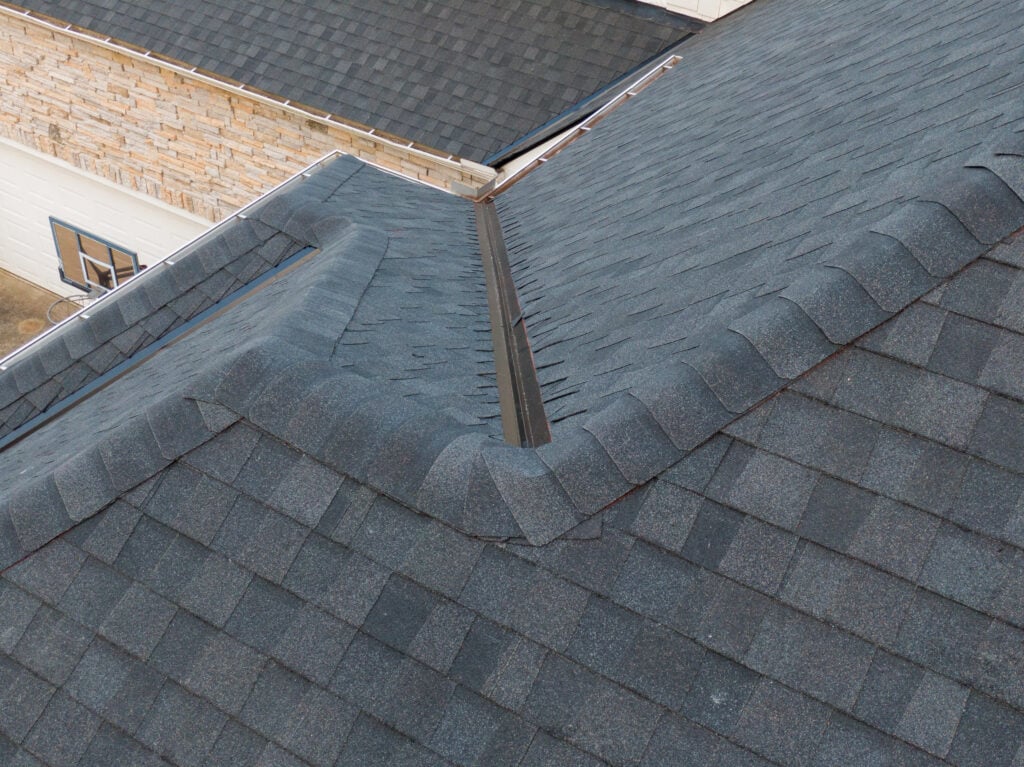
A hip and valley roof depends on careful integration of key structural elements to perform properly over time. Each component must be sized and installed correctly to ensure strength, support, and weather resistance.
- Hip roof beams: These beams extend the entire length of the roof slope where two roof planes meet.
- Ridge beam and ridge boards: The ridge beam forms the peak of the roof and connects all upper ends of rafters. Ridge boards provide alignment for framing.
- Roof framing system: Accurate framing is vital to prevent sagging and ensure the load is evenly distributed. This includes jack rafters, common rafters, and hip rafters.
- Metal flashing: Valley and hip areas must be flashed thoroughly to prevent water intrusion. Flashing must run beneath shingles and be layered correctly.
- Construction materials: High quality materials are a must for long-term performance. Poor-quality components can lead to premature failure in high-stress areas.
Whether you’re planning new construction or considering a roof upgrade, understanding how these parts work together will help you make informed decisions during planning and installation.
Hip and Valley vs. Other Roof Types
Here’s how a hip and valley roof compares to other common roof designs:
| Roof Type | Appearance | Structural Strength | Drainage Efficiency | Cost |
| Hip and Valley | Elegant, multi-slope design | High | Excellent | High |
| Gable | Classic triangular shape | Moderate | Good | Lower |
| Shed | Single slope | Low to moderate | Fair | Low |
| Flat | Minimal slope | Varies (needs membrane) | Poor without upgrades | Moderate |
Frequently Asked Questions About Hip and Valley Roofs
Making a roofing decision brings up a few common questions. Here are some quick answers:
What is the biggest benefit of a hip and valley roof?
Drainage and strength: It provides excellent water runoff and better wind resistance than basic gable designs.
Is it more expensive than a gable roof?
Yes: The framing and installation process are more complex, increasing material and labor costs.
What materials are best for a hip and valley roof?
Asphalt shingles and metal: Both offer durability and flexibility for valleys and angled planes.
Are hip and valley roofs harder to maintain?
Slightly: Valleys can trap debris and need to be cleaned more regularly to maintain water flow.
Customizing Your Hip and Valley Roof
Beyond structure and material, consider the aesthetic and functional upgrades available for this roof type.
- Dormers and skylights: Add light and ventilation
- Decorative ridge caps: Enhance the roofline visually
- Energy-efficient underlayment: Improve insulation and interior comfort
- Gutter upgrades: Support increased drainage volume from multiple slopes
Expert Roof Design Help from Buckeye State Roofing
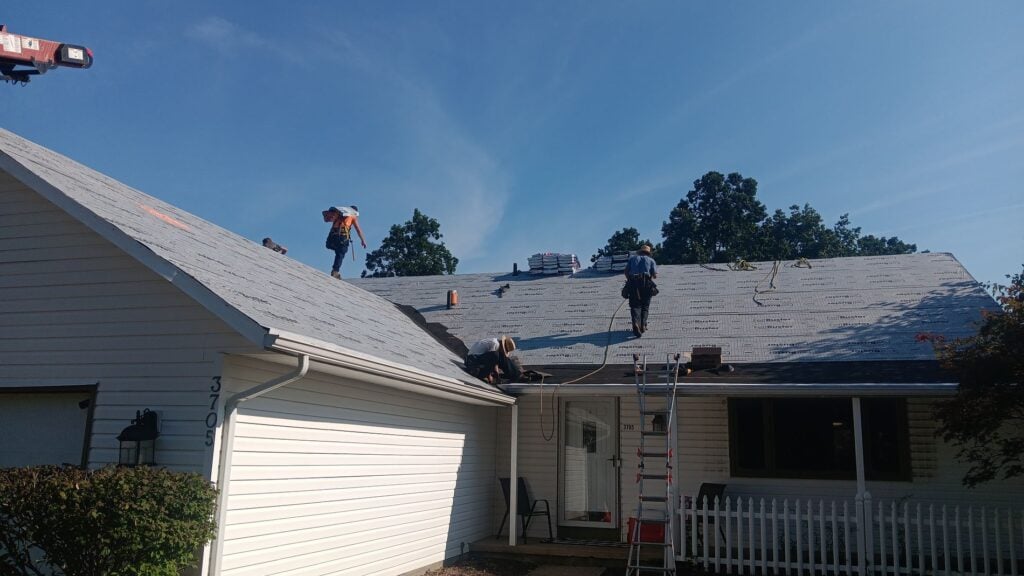
Designing or replacing a hip and valley roof requires attention to detail and proper execution. From material selection to expert flashing around valleys and hips, we make sure every part of your roof performs as it should.
We’re proud to serve home and business owners in Avon, OH, and nearby communities with custom roof design, full roof replacements, and inspections. Contact Buckeye State Roofing today to discuss your options and get started on your next roofing project.
