
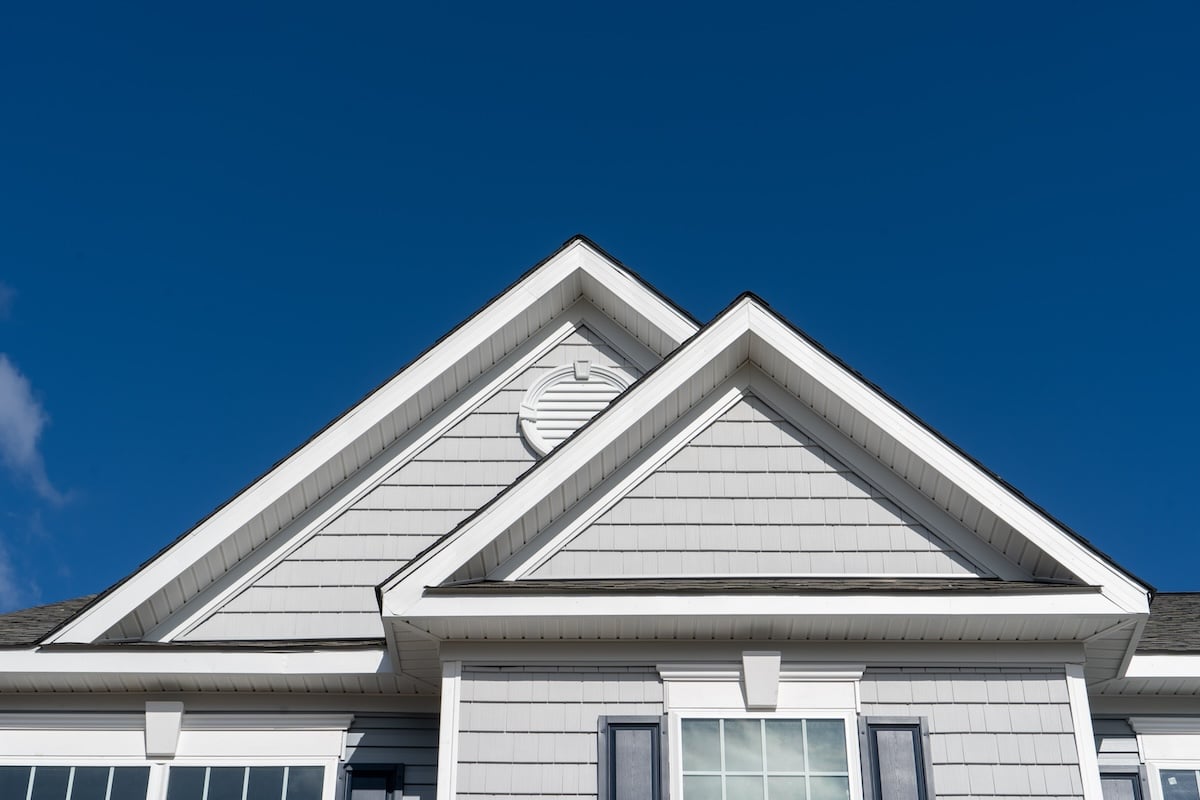
Hip Roof vs Gable Roof: What’s The Best Option For My Home?
12/15/25
5 Min Read
Choosing the right roof style is crucial for both the aesthetic appeal and functionality of your home. When weighing options, many homeowners find themselves debating between a hip roof vs gable roof. Both roofing types come with distinct advantages that can transform your home’s look and performance. If you’re considering a new roof replacement, understanding these styles will help you make an informed decision. For tailored solutions and professional installation, exploring expert roofing services will provide the best outcome for your home’s needs.
In this article you’ll:
- Understand the key differences between hip and gable roofs
- Learn about the specific gable roof advantages and hip roof features
- Discover a step-by-step process to choose the best roof for your home
- Explore factors affecting durability, weather resistance, and maintenance
- See how regional climate influences the ideal roofing choice
Why Understanding the Difference Between Hip Roof and Gable Roof Matters

Selecting the right roof style is more than aesthetics. Your choice will impact the durability, safety, and comfort of your home. Here’s why the hip roof vs gable roof comparison plays an important role in your home improvement decisions:
- Structural Stability: Hip roofs generally provide greater stability, making them a solid choice in storm-prone areas.
- Weather Resistance: The sloping sides of hip roofs allow better wind deflection compared to gable roofs.
- Design Versatility: Gable roofs offer more attic space and can be adapted for various architectural styles.
- Cost Considerations: Gable roofs tend to be less expensive to construct due to simpler designs.
- Maintenance Needs: Each roof style comes with specific upkeep requirements to ensure longevity.
4 Steps to Decide Between a Hip Roof and a Gable Roof for Your Home
Navigating this decision involves careful evaluation of your home’s structural requirements, climate, budget, and aesthetic preferences. Below are four essential steps homeowners can follow to determine the best fit.
1. Assess Your Local Climate and Weather Conditions
Climate plays a significant role in roofing performance:
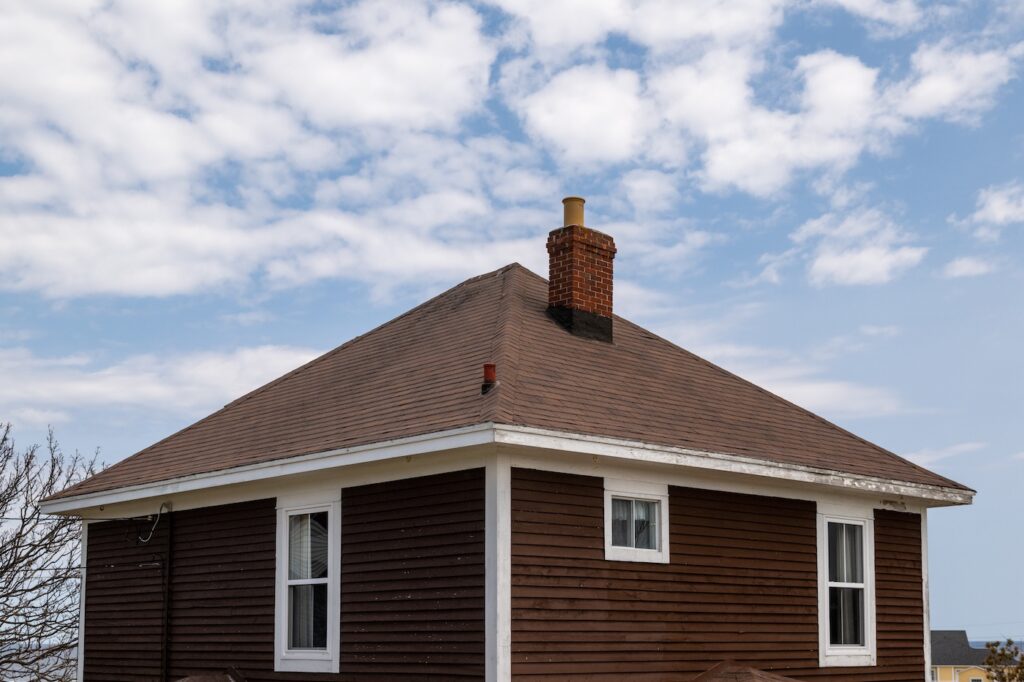
- Hip roofs with their four sloping sides are excellent at handling heavy winds and snow load, making them ideal for windy or rainy environments.
- Gable roofs can struggle under high wind pressure, especially if not built with adequate support.
2. Consider Architectural Style and Home Design Compatibility
The roof style must blend seamlessly with your home’s architecture:
- Traditional homes often complement gable roofs due to their sharp peaks and classic silhouette.
- Hip roofs lend themselves well to modern and ranch-style homes because of their smooth eaves and subtle slopes.
- Mansard roofs, though less common, are ideal for homeowners who want additional attic or living space under a steep lower slope.
3. Analyze Your Budget and Installation Costs
Financial planning is essential when choosing roof types:
- Gable roofs generally cost less due to their simpler framing and reduced materials.
- Hip roofs involve more complex framing, increasing labor and material expenses.
4. Reflect on Maintenance and Long-Term Durability
Your roofing materials should withstand time and reduce upkeep hassles:
- Hip roofs tend to have a longer lifespan due to stability and uniform water drainage.
- Gable roofs may require additional maintenance in harsh weather, particularly to protect exposed vertical ends.
Key Differences Between Hip Roofs and Gable Roofs
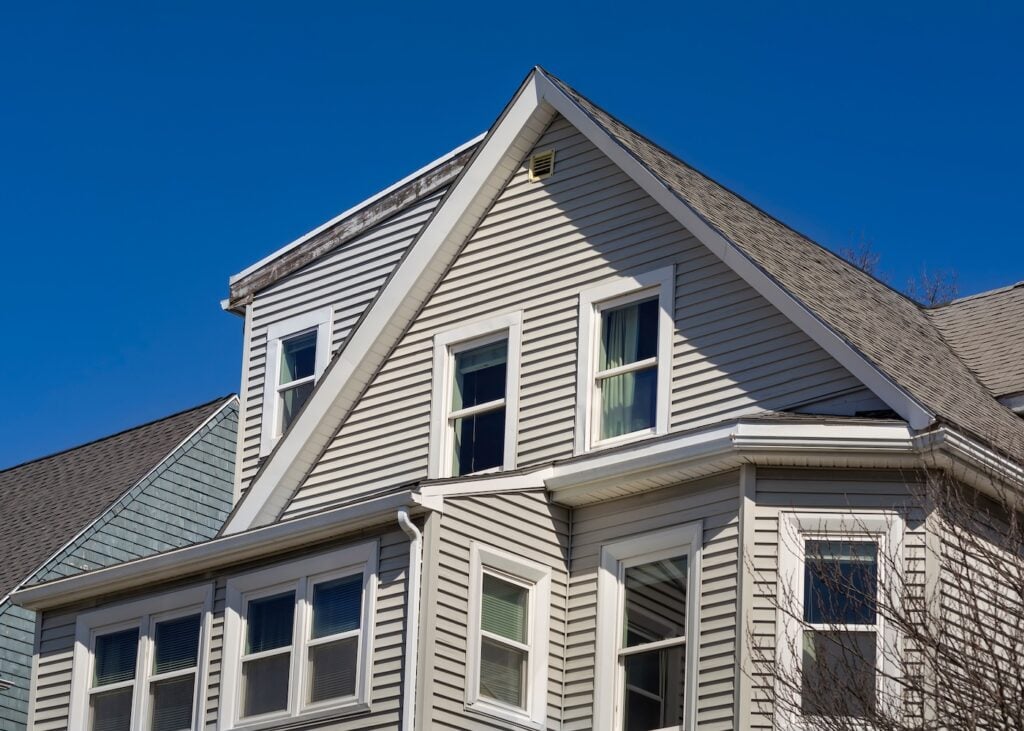
To help you evaluate both roof styles quickly and clearly, here are the five most important differences homeowners should consider:
- Wind performance: Hip roofs offer stronger wind resistance because all sides slope downward, while gable roofs may require reinforcement in windy areas.
- Snow behavior: Hip roofs distribute snow evenly, and gable roofs shed snow efficiently with the right pitch.
- Attic space: Gable roofs naturally create more attic storage and ventilation possibilities.
- Construction complexity: Hip roofs require more advanced framing, increasing installation time and cost.
- Aesthetic impact: Hip roofs create smooth, consistent lines, while gable roofs deliver a classic, sharp–peaked appearance.
Enhancing Roof Performance: Materials and Technological Advances
Beyond design, roofing materials play a major role in your roof’s efficiency and longevity. Here are key considerations to improve on your chosen roof style.
Complementing Hip and Gable Roofs With Modern Materials
Choosing materials strategically can elevate both roof styles:
- Hip roofs often perform extremely well with durable shingles because of consistent water runoff.
- Gable roofs work with a wide range of shingles, giving homeowners flexibility in budget and appearance.
Additional Factors to Consider for Your Roofing Decision
Beyond weather and aesthetics, several other elements influence the best roofing choice for your home. Homeowners should also think about how each roof style contributes to ventilation, energy efficiency, and future upgrades like solar.
Energy Efficiency and Insulation
Proper insulation works hand-in-hand with roof design to reduce energy bills:
- Hip roofs with consistent slopes can allow even insulation distribution, improving thermal efficiency.
- Gable roofs with attic spaces offer opportunities for increased insulation, which can be customized to your needs.
Local Building Codes and HOA Regulations
Understanding legal requirements is crucial before installation:
- Certain communities may restrict roof styles or materials to preserve neighborhood aesthetics.
- Compliance ensures your home avoids penalties and retains market value.
Environmental Impact and Sustainability
Choosing eco-friendly roofing materials helps reduce your carbon footprint:
- Hip and gable roofs can both support sustainable shingles, including recycled-content asphalt products.
- Gable roofs fitted with solar panel installation can maximize energy generation due to their larger surface area and pitch.
Making the Right Choice for Your Home’s Future
The decision between a hip roof vs gable roof is a meaningful one that affects your home’s protection, appearance, and overall value. Considering your local climate, budget, architectural style, and preferred materials will guide you toward the optimal selection. Partnering with trusted professionals ensures your roof replacement project is done correctly, safeguarding your investment for years to come.
To get expert help tailored to your unique needs, contact Buckeye State Roofing today and start your roofing journey on the right foot.
