

How Long Does A Roof Last? (Lifespan, Materials & More)
5/30/25
6 Min Read
How long does a roof last? That’s one of the most common—and important—questions homeowners ask when planning maintenance, repairs, or a replacement. The truth is, a roof’s lifespan depends heavily on its material, installation quality, climate, and maintenance routine. Whether you’re considering a new roof or just wondering how much life is left in your current one, knowing the average lifespan of different materials can help you make smart decisions for your home.
In this post, we’ll cover:
- Typical roof lifespans: A comprehensive look at how long different materials—from asphalt shingles to metal and tile—are expected to last, and how Texas’s unique climate influences those timelines.
- Key factors that affect roof longevity: We’ll break down the biggest influences on your roof’s lifespan, including installation quality, proper attic ventilation, and consistent maintenance.
- Tips to extend the life of your roof: Actionable, cost-saving advice for homeowners, such as debris removal, gutter cleaning, and knowing when to call a professional for preventative care.
Let’s dive into what really determines how long your roof will last.
Average Lifespans By Roofing Material
Each roofing material has a different expected lifespan. Some offer affordability with a shorter life, while others last for decades with proper care.
Asphalt Shingles
As one of the most popular and cost-effective choices for residential roofs, asphalt shingles are the most popular roofing option due to their quality-price relation.
- Lifespan: 15 to 30 years
- 3-tab shingles: Usually last around 15–20 years
- Architectural shingles: Thicker and more durable, lasting 25–30 years
- Maintenance needs: Periodic inspections, especially after storms
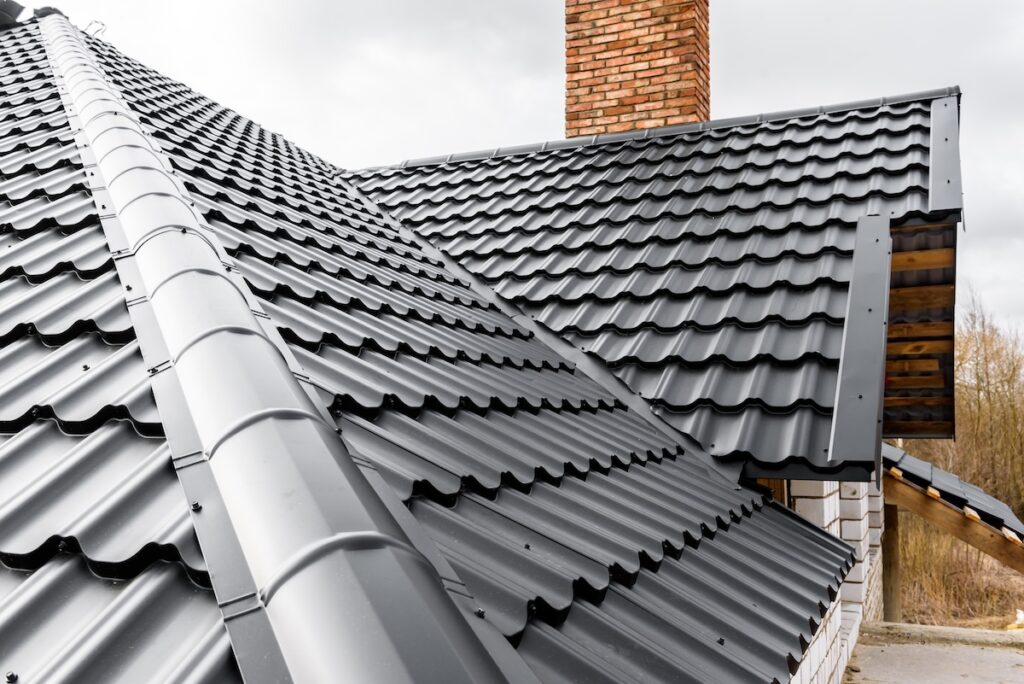
Metal Roofing
A premium option known for longevity and energy efficiency. Metal roofs are what you need if you’re looking for a modern and durable roofing for either your home or business.
- Lifespan: 40 to 70 years
- Types: Aluminum, steel, and copper are common choices
- Bonus: Resistant to fire, insects, and rot
Wood Shakes & Shingles
Provide a natural look but require frequent care.
- Lifespan: 20 to 40 years
- Considerations: Vulnerable to rot, mold, and fire if untreated
- Maintenance: Needs regular sealing and cleaning
Clay or Concrete Tiles
A popular option in warmer climates due to excellent heat resistance.
- Lifespan: 50 to 100 years
- Pros: Low maintenance and highly durable
- Cons: Heavy and expensive, requires reinforced roof framing
Slate Roofing
The longest-lasting roofing material available.
- Lifespan: 75 to 150 years
- Natural stone: Incredibly strong and weather-resistant
- Upkeep: Minimal, but installation must be done correctly by experienced professionals
7 Factors That Impact Roof Lifespan
Here are the most important factors that affect how long your roof will really last:
- Material type: Each roofing material has a natural lifespan based on its composition and durability.
- Installation quality: Poor workmanship shortens even the best roof’s lifespan. Always hire certified roofing professionals.
- Ventilation and insulation: A well-ventilated attic reduces moisture and heat buildup, protecting shingles and decking.
- Climate conditions: Roofs in areas with frequent storms, high winds, or temperature swings wear out faster.
- Sun exposure: UV rays can degrade materials over time—especially asphalt shingles.
- Roof slope: Steep slopes shed water better and tend to last longer than low-slope or flat roofs.
- Maintenance frequency: Regular inspections and prompt repairs significantly extend roof life.
How to Tell When Your Roof Is Nearing the End
Your roof won’t last forever—even the best materials eventually show signs of aging. Here’s how to spot when it may be time to repair your roof or even complete a replacement.
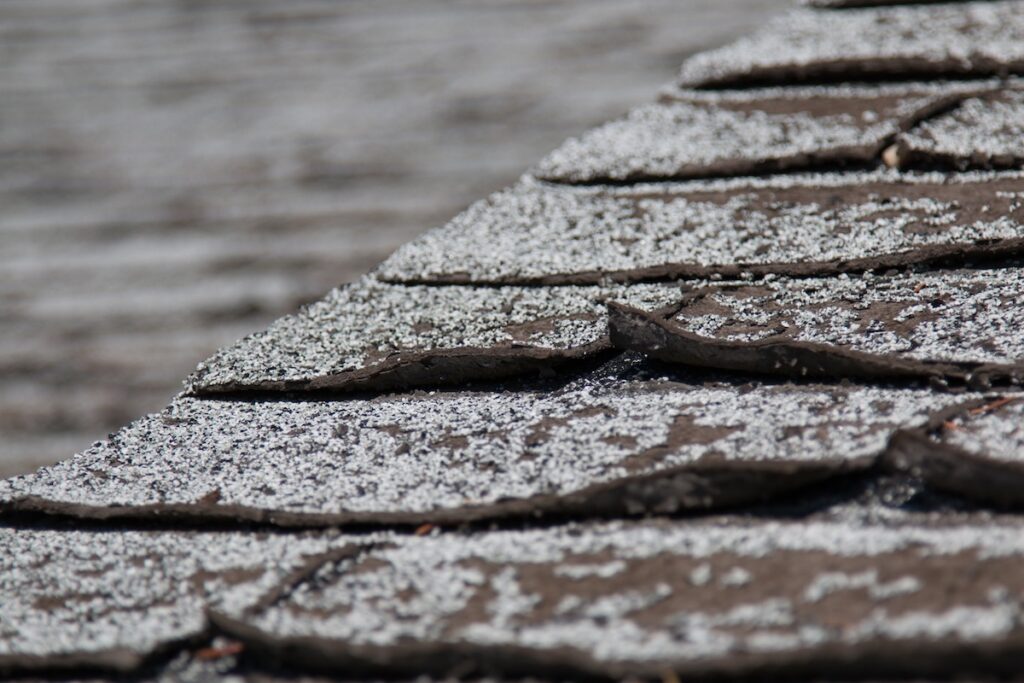
Visual Signs to Watch For
- Curling or missing shingles: A common issue with aging asphalt roofs.
- Granule loss: Bald spots on shingles mean the protective layer is wearing away.
- Sagging or soft spots: These can indicate rotted decking or structural damage.
- Rust or corrosion: Metal roofs may show these signs near fasteners or flashing.
- Leaks or water stains: Visible damage inside your home is often linked to worn-out roofing materials.
Functional Red Flags
- Frequent repairs: If you’re fixing problems every year, your roof may be at the end of its lifespan.
- Rising energy bills: Poor insulation and ventilation can cause your HVAC system to work harder.
- Moss or algae buildup: While not always a sign of failure, it indicates trapped moisture, which can shorten your roof’s life.
Roof Lifespan in Ohio’s Climate
Ohio’s weather adds some unique challenges that can affect how long a roof lasts.
Seasonal Impacts
- Winter snow and ice: Freeze-thaw cycles cause stress on shingles and flashing.
- Spring rainstorms: Water intrusion can speed up rot or mold growth if not addressed.
- Summer sun: High temperatures and UV rays can degrade shingles over time.
- Fall debris: Leaves clog gutters and trap moisture along the roofline.
Best Options for Ohio Homes
- Architectural asphalt shingles: Offer good performance and weather resistance.
- Metal roofing: Handles snow and wind well and lasts for decades.
- Slate or synthetic slate: Durable in harsh conditions but pricier upfront.
Tips To Extend Your Roof’s Life
Professional maintenance and smart design choices go a long way in protecting your roofing investment.
Preventive Maintenance
- Schedule annual inspections: Catch small issues before they lead to big problems.
- Clean gutters regularly: Clogged gutters can lead to fascia damage and leaks.
- Trim overhanging branches: This reduces the risk of impact damage and helps prevent algae growth.
- Remove moss and debris: Clean off buildup that traps moisture and accelerates wear.
Professional Upgrades
- Improve ventilation: Adequate airflow helps prevent overheating and moisture buildup.
- Reinforce flashing: This is one of the most leak-prone areas on any roof.
- Upgrade underlayment: Modern synthetic materials offer better protection than traditional felt.
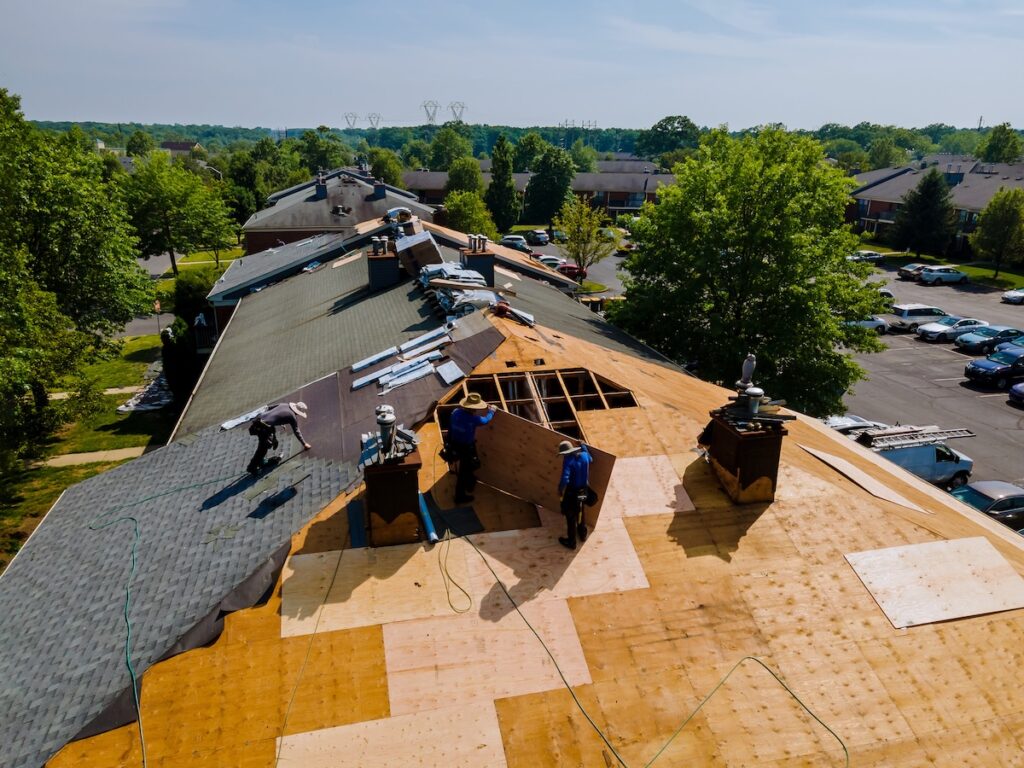
When Should You Replace Your Roof?
Even a well-maintained roof eventually reaches its limit. Here’s how to know when replacement is the right call.
Choose Replacement If:
- It’s past its expected lifespan: If your 25-year shingles are going on 30, it’s time.
- You’re planning to sell: A new roof can boost resale value and attract buyers.
- Damage is widespread: If repairs would cost nearly as much as replacement, go with the long-term fix.
Choose Repair If:
- Damage is minor: One or two cracked shingles or a small leak can often be patched.
- Roof is relatively new: Under 10 years old with isolated damage? A repair may be all you need.
- You’re on a tight budget: Temporary repairs can buy you time to plan a full replacement later.
Protect Your Roof With Buckeye State Roofing
So—how long does a roof last? The answer depends on your material, maintenance, and environment. But no matter what type of roof protects your home, proactive care and expert installation can dramatically extend its lifespan.
At Buckeye State Roofing, we help homeowners across Ohio understand their roofing options, choose materials that fit their climate, and protect their investment with high-quality workmanship. If you’re unsure about the condition of your roof, contact us today for a free inspection and expert advice on the next steps.
