
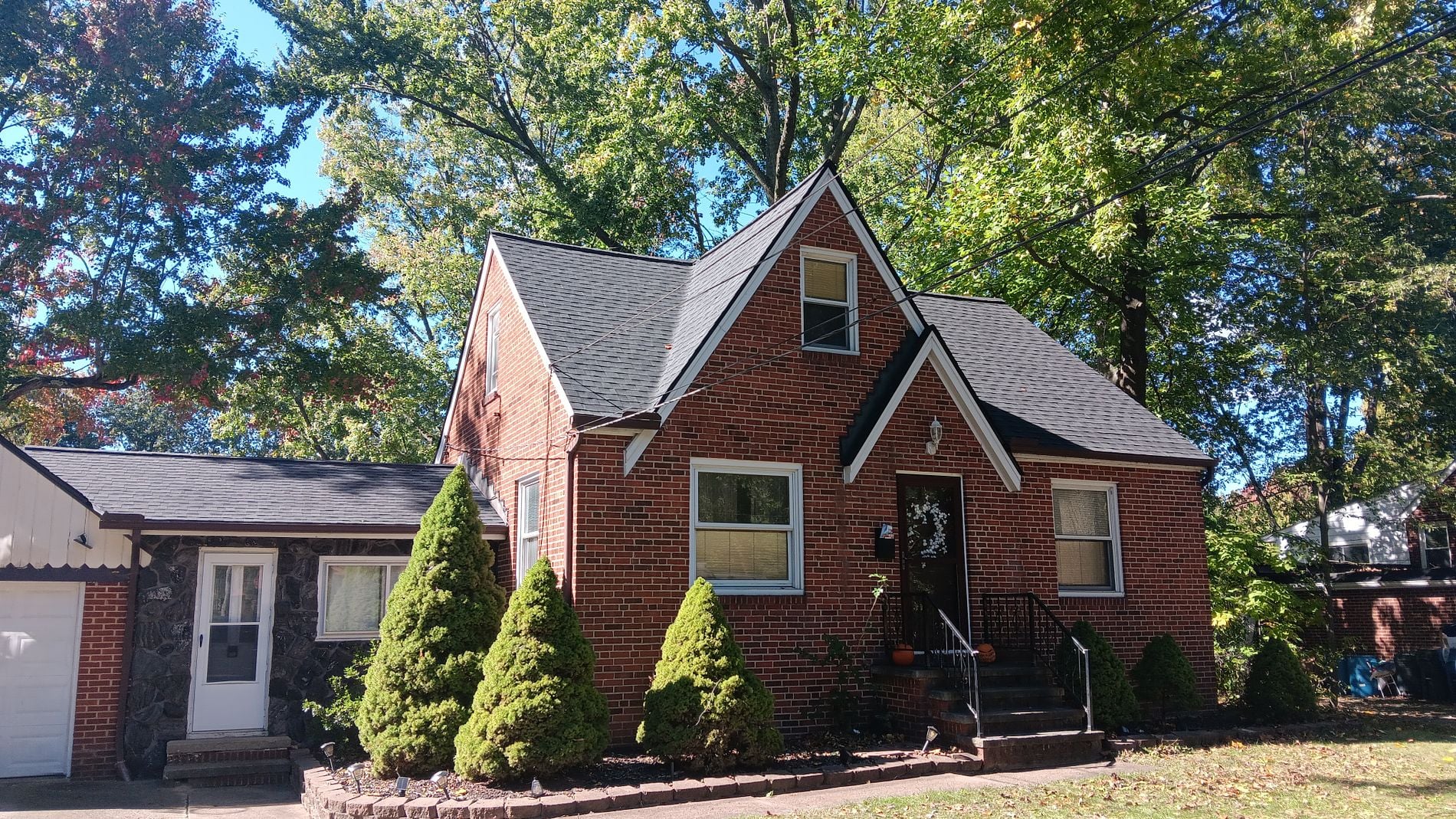
How To Get Insurance To Pay For Roof Replacement: 8 Pro Tips
6/11/26
7 Min Read
How to get insurance to pay for roof replacement is one of the most common questions homeowners ask after discovering roof damage. While homeowners insurance may cover certain types of roof damage, approval often depends on the cause of the damage, the condition of the roof, and the documentation provided during the insurance claim process. For homeowners dealing with storm-related roofing issues, a professional roof inspection can help identify damage and support the claims process.
- Understand policy coverage: Know what damage is covered
- Document roof damage: Gather evidence quickly
- Schedule inspections: Verify the extent of damage
- Meet claim deadlines: Avoid unnecessary delays
- Work with professionals: Strengthen claim documentation
Understanding how insurance companies evaluate roof replacement claims can improve the chances of receiving coverage for qualifying damage.
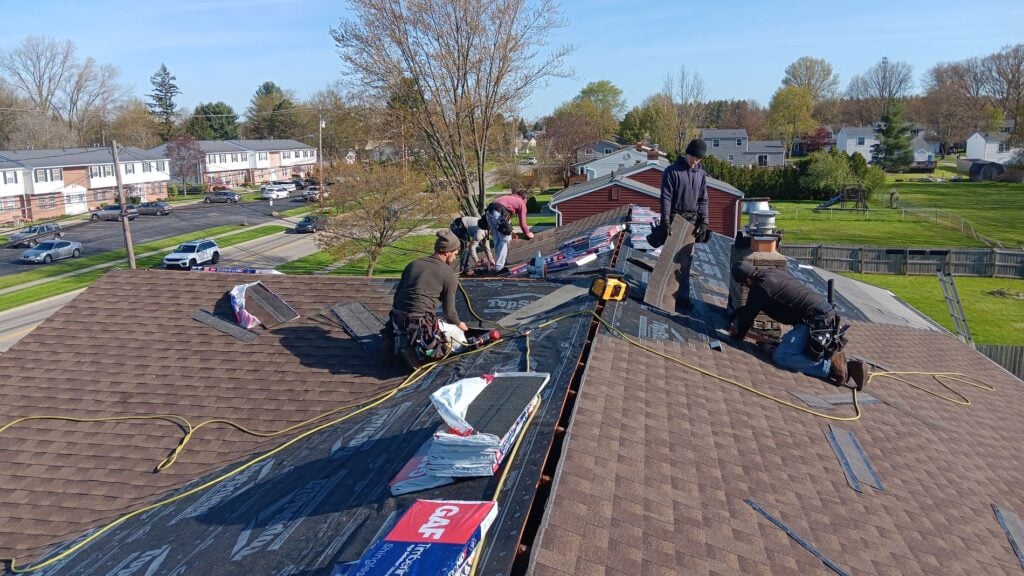
When Will Insurance Pay For Roof Replacement?
Insurance companies generally pay for roof replacement when damage results from a sudden, accidental event rather than normal aging or lack of maintenance.
Common covered causes may include:
- Hail damage: One of the most common covered claims
- Wind damage: Missing shingles and storm impacts
- Falling trees: Structural roof damage
- Fire damage: Covered under most homeowners policies
- Severe storms: Damage from covered weather events
Insurance policies vary, so homeowners should review their specific policy language before filing a claim.
8 Pro Tips For Getting Insurance To Pay For Roof Replacement
Following the proper steps can help homeowners navigate the claims process more effectively.
1. Review Your Insurance Policy
Before filing a claim, carefully review your homeowners insurance policy. Understanding deductibles, exclusions, coverage limits, and claim requirements helps avoid surprises later.
- Coverage review: Understand what is included
- Deductible awareness: Know your financial responsibility
- Policy exclusions: Identify uncovered situations
2. Document Damage Immediately
Take photographs and videos as soon as roof damage is discovered. Thorough documentation can become important evidence during the claims process.
- Roof photos: Capture visible damage
- Interior photos: Document water intrusion
- Storm records: Note dates and weather events
3. Schedule A Professional Roof Inspection
A professional roofing inspection can identify damage that homeowners may not notice from the ground. Detailed inspection reports often strengthen insurance claims.
- Damage verification: Documents roofing issues
- Professional assessment: Supports claim evidence
- Repair recommendations: Helps estimate costs
4. File The Insurance Claim Promptly
Most insurance companies require claims to be submitted within a specific timeframe after damage occurs. Delaying a claim could complicate the approval process.
- Timely reporting: Meets policy requirements
- Faster processing: Helps avoid delays
- Improved documentation: Preserves evidence
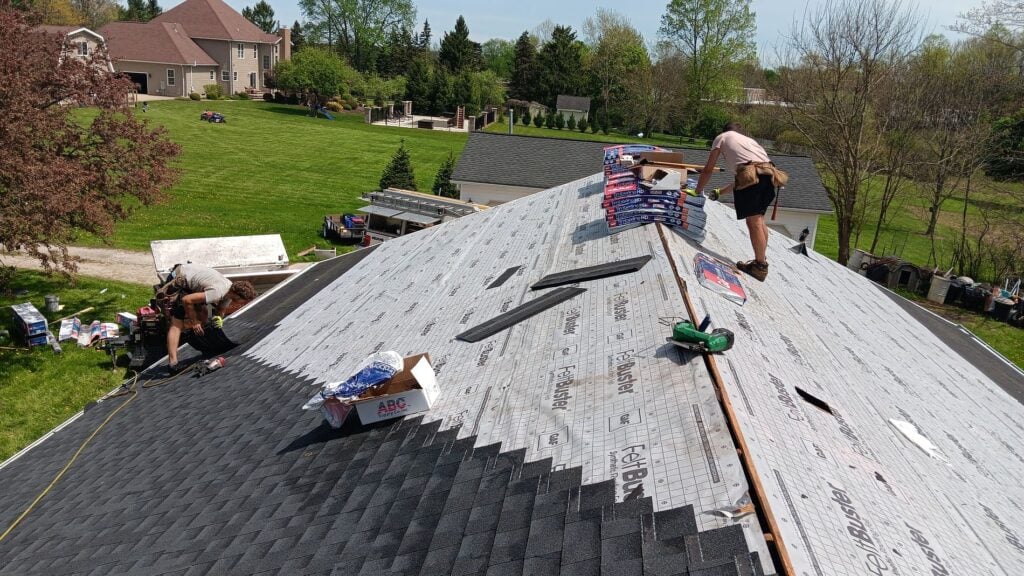
5. Meet With The Insurance Adjuster
Insurance adjusters inspect the roof to determine whether damage qualifies for coverage. Being present during the inspection can help ensure concerns are discussed.
- Review findings: Understand adjuster conclusions
- Provide documentation: Share inspection reports
- Clarify damage: Address overlooked areas
6. Understand Actual Cash Value vs Replacement Cost
Insurance policies may reimburse roof replacement differently depending on policy type.
Actual cash value policies account for roof depreciation, while replacement cost coverage may provide reimbursement for the full replacement cost after deductible requirements are met.
- Actual cash value: Depreciation reduces payout
- Replacement cost coverage: May provide greater reimbursement
- Policy differences: Impact final settlement amount
7. Maintain Detailed Records
Keep copies of all claim-related documents throughout the process.
- Inspection reports: Support claim evidence
- Photographs: Document roof condition
- Insurance communications: Track claim progress
8. Work With An Experienced Roofing Contractor
An experienced roofing contractor can help identify qualifying damage and provide documentation needed during the claims process.
- Professional inspections: Strengthen claim support
- Detailed estimates: Assist insurance review
- Roofing expertise: Helps identify covered damage
Common Types Of Roof Damage Covered By Insurance
Insurance companies typically cover sudden and accidental damage rather than issues caused by aging or neglect.
Hail Damage
Hail can crack, bruise, or dislodge roofing materials, leading to leaks and premature deterioration. Hail damage is one of the most common reasons homeowners receive roof replacement approval. According to the Insurance Institute for Business & Home Safety, 70 to 90 percent of storm-related insurance claims involve roof damage — making hail one of the most financially significant roofing events a homeowner can experience and one of the most commonly approved reasons for roof replacement coverage.
- Granule loss: Weakens shingle protection
- Impact damage: Creates roofing vulnerabilities
- Leak potential: Increases water intrusion risk
Wind Damage
Strong winds can lift, tear, or remove roofing materials entirely. Missing shingles are often among the first signs of storm-related roof damage.
- Missing shingles: Exposes roof components
- Lifted materials: Weakens waterproof protection
- Storm-related losses: Often covered by insurance
Falling Debris
Trees, limbs, and other debris can cause significant roof damage during storms.
- Structural damage: May affect roof framing
- Roof punctures: Creates immediate leak risks
- Emergency repairs: Often necessary after impact events
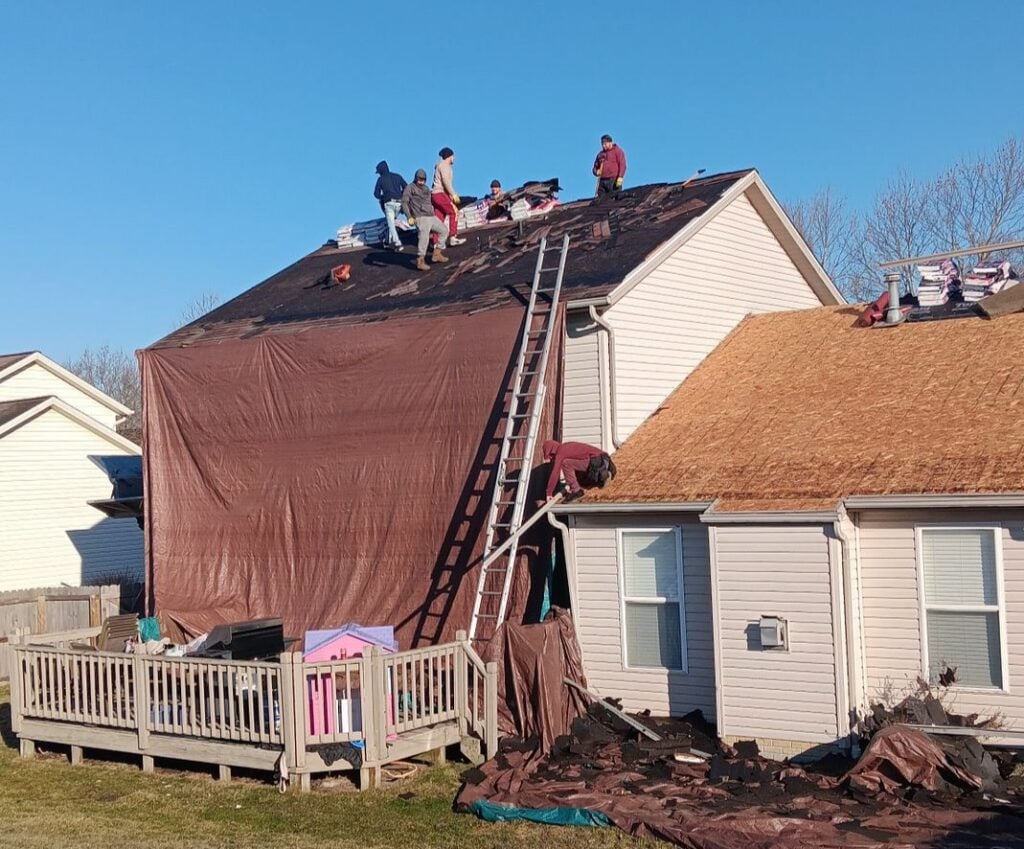
What Insurance Usually Does Not Cover
Not all roofing problems qualify for insurance coverage. Most policies exclude damage caused by normal wear and tear or poor maintenance.
- Old roof age: Normal deterioration is typically excluded
- Maintenance neglect: Preventable damage may not qualify
- Gradual leaks: Often considered maintenance issues
- Installation defects: Workmanship issues may not be covered
- Pre-existing damage: Usually excluded from coverage
Understanding these limitations can help homeowners set realistic expectations during the claims process.
Roof Insurance Claim Comparison Table
Several factors influence whether a roof replacement claim is approved.
| Factor | More Likely To Be Covered | Less Likely To Be Covered |
| Hail Damage | Yes | No |
| Wind Damage | Yes | No |
| Falling Tree Damage | Yes | No |
| Aging Roof | No | Yes |
| Lack Of Maintenance | No | Yes |
| Sudden Storm Damage | Yes | No |
Insurance companies typically focus on the cause of the damage when evaluating claims.
Common Mistakes Homeowners Make During Roof Claims
Avoiding these mistakes can improve claim outcomes and reduce delays.
- Waiting too long: Delayed claims may create issues
- Poor documentation: Weakens supporting evidence
- Skipping inspections: Misses important damage details
- Ignoring policy requirements: May affect approval
- Incomplete records: Makes claim review more difficult
Being proactive helps homeowners navigate the claims process more effectively.
Frequently Asked Questions About Roof Replacement Insurance Claims
Insurance claims can be confusing, especially when major roof damage is involved. Understanding the process helps homeowners make informed decisions.
Will homeowners insurance cover a full roof replacement?
It may if the roof damage results from a covered event such as hail, wind, or falling debris. Coverage depends on policy terms, roof condition, and claim findings.
Does insurance cover an old roof?
Most insurance companies do not cover roof replacement solely because a roof is old. Coverage generally applies to sudden and accidental damage rather than normal aging.
What should I do after storm damage?
Document the damage, take photos, and schedule a professional roof inspection as soon as possible. Prompt action can strengthen your insurance claim.
Can a roofing contractor help with an insurance claim?
Yes, experienced roofing contractors can provide inspections, documentation, and estimates that help support the claims process. They can also identify damage that may otherwise go unnoticed.
How long does a roof insurance claim take?
Claim timelines vary depending on the insurance company, severity of damage, and documentation provided. Many claims are resolved within several weeks, while complex claims may take longer.
Navigate The Claims Process With Buckeye State Roofing
Understanding how to get insurance to pay for roof replacement can help homeowners maximize available coverage and avoid costly mistakes. Proper documentation, timely action, and professional inspections all play important roles in the claims process.
Buckeye State Roofing provides roof inspections, storm damage assessments, and roof replacement services throughout Northeast Ohio. Schedule an inspection today to evaluate your roof and discuss potential storm damage concerns.
