
How To Install Metal Roofing: 10 Steps For DIY Installations
11/05/25
6 Min Read
Many homeowners looking for durable, long-lasting solutions wonder about how to install metal roofing and whether it can be done without professional help. Metal roofs are one of the toughest, most energy-efficient systems available, and while installation can be complex, some homeowners choose a DIY approach. Knowing the steps, tools, and safety measures involved will help you decide if tackling this project yourself is the right move.
Here are some of the essentials we’ll cover to help you get started:
- Preparation: What to do before installation begins
- Installation sequence: How to properly place panels and fasteners
- Safety considerations: How to protect yourself while working at heights
- Long-term performance: Why professional installation makes a difference
Why Homeowners Choose Metal Roofing
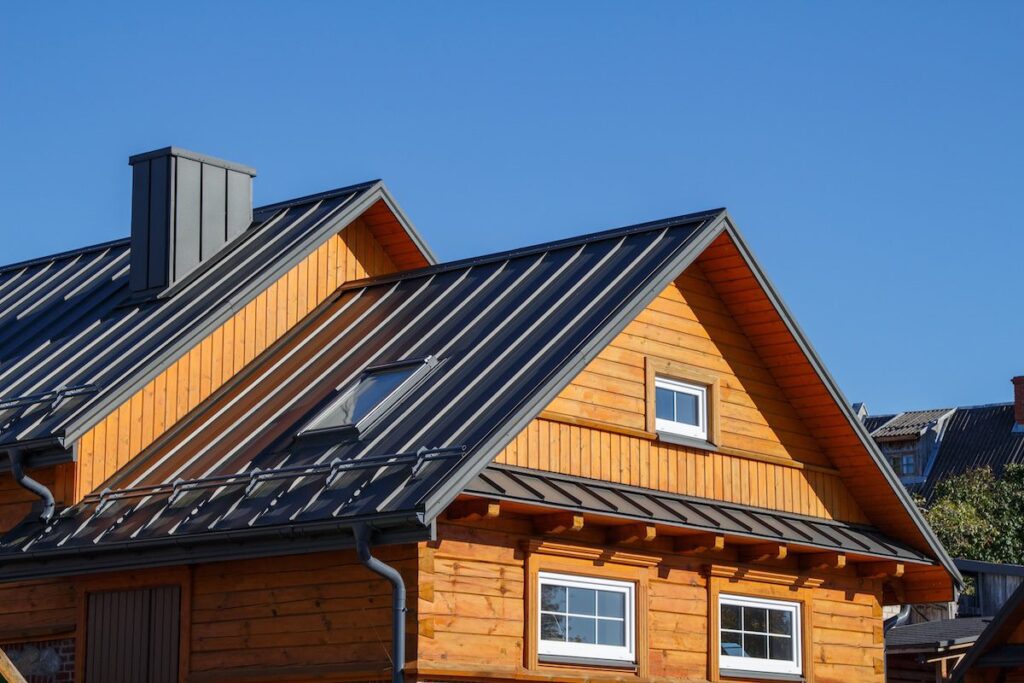
Metal roofs are increasingly popular because they deliver strength, efficiency, and style. Unlike shingles that may need replacement every 20 years, metal roofing systems often last 40–70 years. They resist wind, snow, and hail, and they shed water efficiently. In Ohio cities like Strongsville, where seasonal storms put pressure on roofs, metal is an attractive option for homeowners who want fewer repairs and more peace of mind. Choosing the right metal roofing materials ensures long-term protection and adds value to the property.
Tools and Materials You’ll Need
Before starting a project of this scale, you’ll need the right tools and materials. Having everything on hand will make the process smoother and safer.
Essential Tools
- Power drill with driver bits
- Metal-cutting snips or power shear
- Chalk line and measuring tape
- Safety harness and fall protection gear
- Ladder and scaffolding where needed
Common Materials
- Steel panels or aluminum panels depending on your home’s needs
- Underlayment or roofing felt
- Roofing screws with neoprene washers
- Ridge caps, gable trim, and eave trim for finishing edges
- Sealant for waterproofing
10 Steps for Installing Metal Roofing
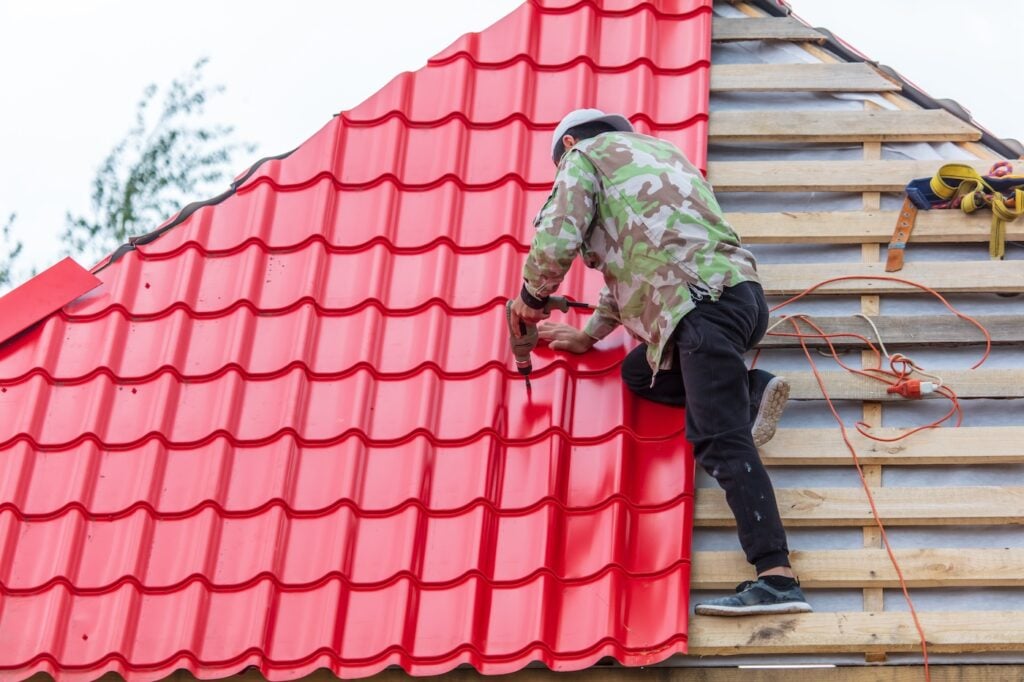
If you’re considering a DIY approach, follow these 10 steps to ensure proper installation.
- Inspect the roof deck: Make sure the deck is clean, dry, and free of damage. Repair or replace weak areas to create a solid foundation.
- Install underlayment: Lay down roofing felt or synthetic underlayment to provide moisture protection. Overlap layers to prevent leaks.
- Add drip edge and eave trim: Install metal drip edges and eave trim along the lower edge of the roof to direct water away and protect the roof deck.
- Measure and mark layout: Use a chalk line to mark straight guidelines for your first panel. A square start ensures the rest of the roof aligns correctly.
- Place the first panel: Position the first steel panel at the eave, ensuring it overhangs slightly. Panels may be fastened directly to the deck or over battens, depending on the system.
- Fasten panels securely: Drive roofing screws with washers into flat areas of the panel, not the raised ridges. Proper spacing prevents leaks and shifting.
- Continue with overlapping panels: Overlap each new panel with the previous one to create a tight seal. For standing seam systems, lock the seams together.
- Cut panels as needed: Use metal snips or shears for sections around chimneys, vents, and gables. Seal all cut edges to prevent rust.
- Install ridge caps and gable trim: Ridge caps finish the roof peak, while gable trim protects the sloped edges from wind and water intrusion.
- Seal and inspect: Apply sealant where necessary and inspect the roof for missed fasteners or gaps. A final walkthrough ensures your new metal roof is watertight.
Safety Considerations for DIY Roofing
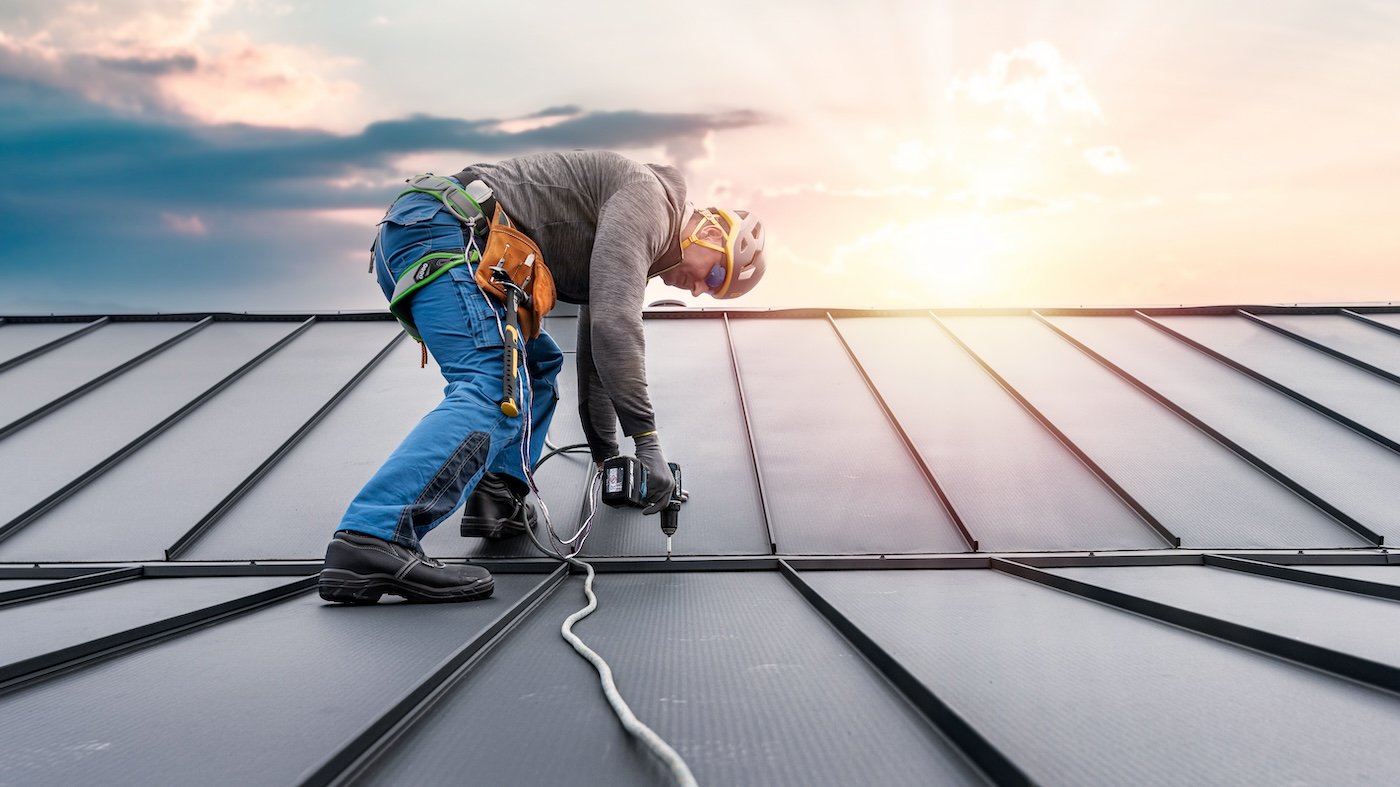
Installing a roof is dangerous, particularly when working with large, heavy panels. Safety gear is a must, including harnesses, gloves, and protective eyewear. Metal edges can be sharp, so proper handling is important. If weather conditions are wet or windy, postpone work to reduce the risk of accidents. Homeowners in Ohio should remember that storms can roll in quickly, making it crucial to plan installations during calm weather windows.
Professional vs. DIY Installation
While DIY may save on labor costs, metal roofing requires precision. Professional contractors are trained to install panels quickly and correctly, reducing the risk of leaks, rust, or blow-offs. They also provide warranty protection on both labor and materials. If you’re considering metal roofing as part of a larger building project, working with certified installers ensures long-term performance and peace of mind.
Common Mistakes to Avoid
DIY roofing projects often go wrong when homeowners overlook critical details.
- Improper Fastening: Screws placed at the wrong angle or location can create leaks. Always follow manufacturer guidelines for placement and torque.
- Poor Alignment: Panels that are even slightly misaligned at the start will cause uneven seams across the entire roof. Double-check your chalk lines before placing the first panel.
- Skipping Underlayment: Underlayment adds an essential layer of moisture protection. Skipping it may shorten the lifespan of your new metal roof.
Weather and Regional Factors
Strongsville homeowners face high winds, heavy snowfall, and spring storms that test roofing systems. Metal roofing panels, especially standing seam designs, are built to withstand these conditions. Standing seam roofs lock together without exposed fasteners, providing superior resistance to water and wind. We’re proud to serve home and business owners in Strongsville, OH, and nearby cities with metal roofing installations, repairs, and inspections, ensuring their homes are ready for unpredictable weather.
Why Proper Installation Matters
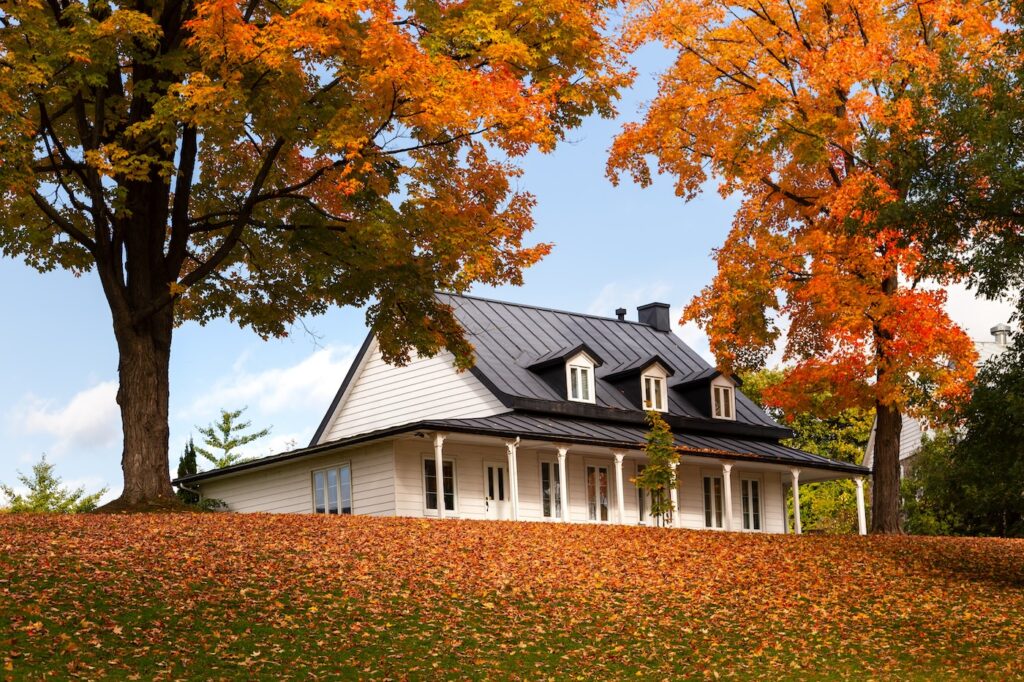
The way a roof is installed often determines its long-term success. A well-installed metal roof is energy efficient, requires little maintenance, and resists storm damage. Poorly installed panels, however, can lead to costly repairs. That’s why even if you attempt a DIY job, having a professional inspection afterward can confirm that the system is sound.
Install Your Metal Roof with Buckeye State Roofing
Learning how to install metal roofing gives you an idea of the work involved, but hiring a trusted professional ensures your investment is protected. While metal roofs offer superior longevity and performance, homeowners often need a clear understanding of the financial commitment involved. To help you plan and budget for your project, we’ve broken down the factors that determine the price of this durable system. Consult our detailed analysis on how much does a metal roof cost? Buckeye State Roofing specializes in installing high-quality metal roofing products backed by leading manufacturer warranties.
Our team offers free roof inspections and can handle every detail of your project with precision. Contact Buckeye State Roofing today to schedule your inspection and find out why Ohio homeowners trust us for durable, energy-efficient roofing solutions.
