
How to Prevent Ice Dams: 6 Proven Tips for Winter 2026
3/13/26
6 Min Read
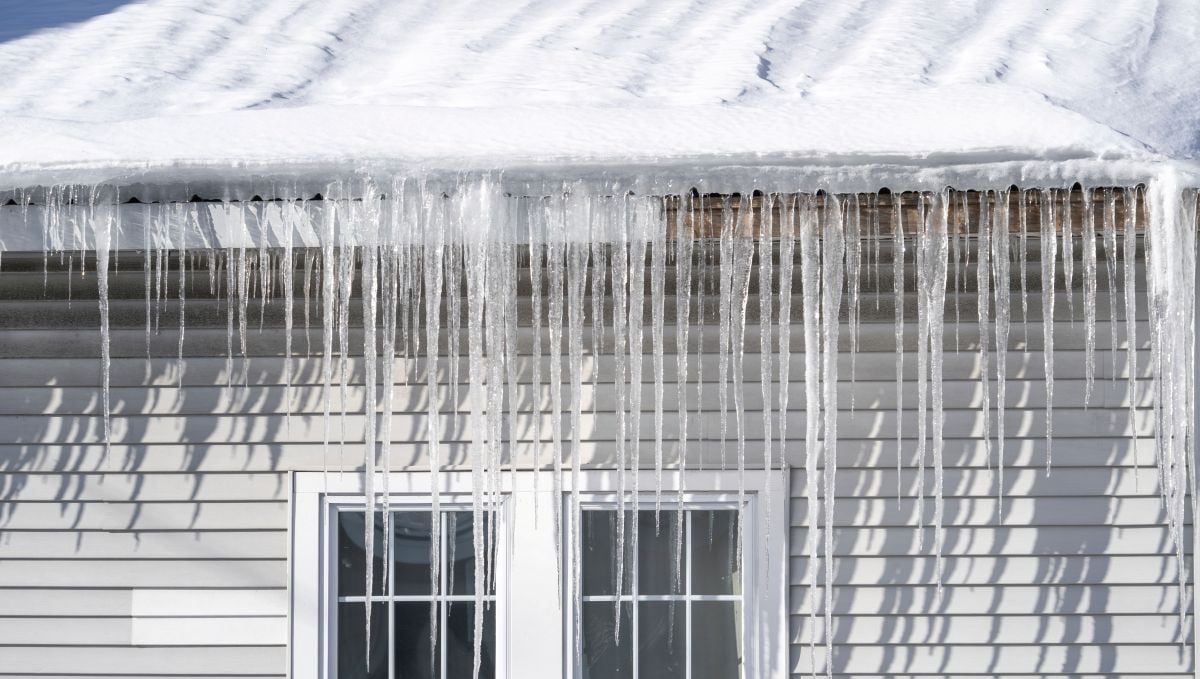
A how to prevent ice dams strategy is essential for homeowners in cold climates where snow accumulation and freezing temperatures are common. Ice dams form when heat escapes through the roof, melting snow that later refreezes at the roof edge. This creates a ridge of ice that traps water behind it, allowing moisture to seep under shingles and damage the roof, insulation, and interior walls.
- Roof protection: Prevents water from backing up beneath shingles
- Energy efficiency: Reduces heat loss through the attic
- Interior protection: Helps avoid leaks, mold, and ceiling damage
- Winter durability: Supports better roof performance during snowstorms
- Long term savings: Prevents costly repairs caused by water intrusion
Learning how to prevent ice dams on roof systems is especially important in northern climates where heavy snowfall and cold weather increase the risk of ice buildup. Taking proactive steps before winter can greatly reduce the chances of moisture damage and roof failure.
Why Ice Dams Form on Residential Roofs
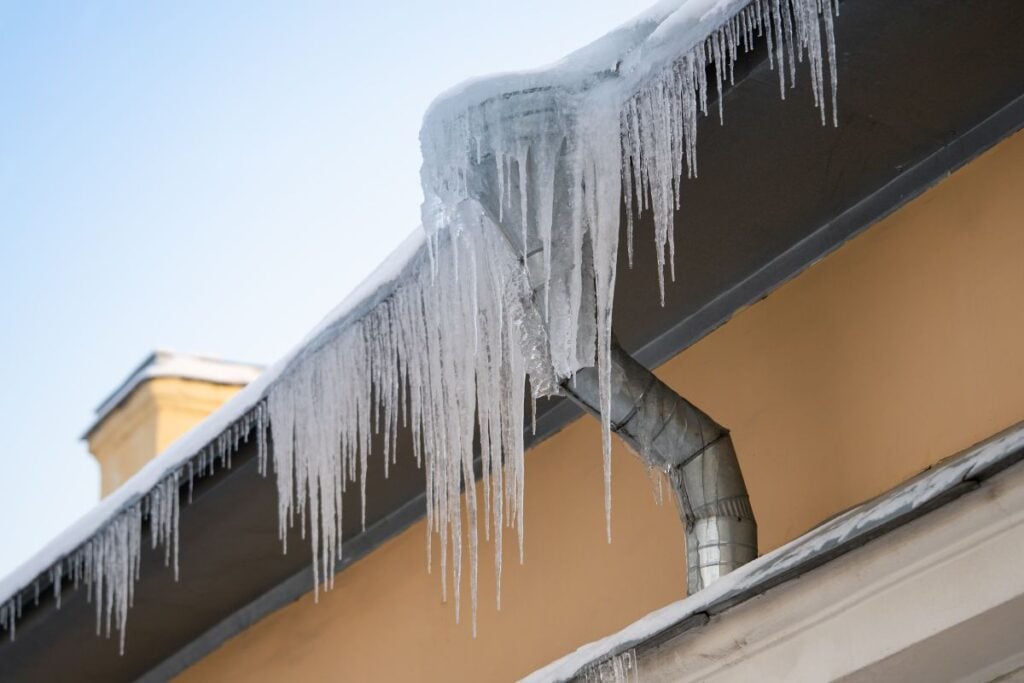
Ice dams typically develop when warm air from inside the home rises into the attic and heats the roof surface. The snow on the roof melts and runs down toward the colder edges of the roof, where it refreezes and creates an ice barrier. As this cycle continues, melted snow becomes trapped behind the ridge of ice and can leak beneath roofing materials.
In areas like Brunswick, OH, fluctuating winter temperatures and heavy snowfall create the perfect conditions for ice dam formation. Cold air outside meets warm air escaping from the attic, causing uneven snow melting along the roof line. Without proper ventilation and insulation, this temperature imbalance increases the likelihood of water infiltration and long term structural damage.
Roof ventilation also plays a major role in controlling attic temperature. When airflow is balanced, cold air can circulate under the roof deck and keep surfaces cool enough to prevent melting snow from refreezing along the eaves.
6 Proven Tips to Prevent Ice Dams
Preventing ice dams requires a combination of insulation improvements, ventilation upgrades, and regular roof maintenance. These strategies help maintain consistent roof temperatures during cold weather and reduce the chances of ice buildup along roof edges.
1. Improve Attic Insulation
Proper insulation prevents warm indoor air from escaping into the attic and warming the roof surface. When insulation is adequate, the roof stays cold and snow melts more evenly.
- Even temperature control: Helps maintain consistent roof surface temperatures
- Energy efficiency: Reduces heating costs during winter months
- Moisture prevention: Limits condensation inside the attic
2. Ensure Proper Roof Ventilation
Roof ventilation allows cold air to circulate through the attic while pushing warm air out. This keeps the roof deck temperature closer to outdoor conditions.
- Soffit vents: Allow fresh cold air to enter the attic
- Ridge vents: Release warm air that rises inside the attic
- Airflow balance: Supports proper ventilation throughout the roof structure
3. Seal Air Leaks in the Attic
Small gaps around attic fixtures can allow warm air to escape and contribute to uneven roof temperatures. Sealing these openings improves insulation performance and helps prevent ice dams.
- Light fixtures and wiring: Common sources of heat leakage
- Attic access hatches: Often poorly sealed and allow warm air escape
- Vent pipes and ducts: Require proper sealing to reduce airflow loss
4. Remove Snow from the Roof Safely
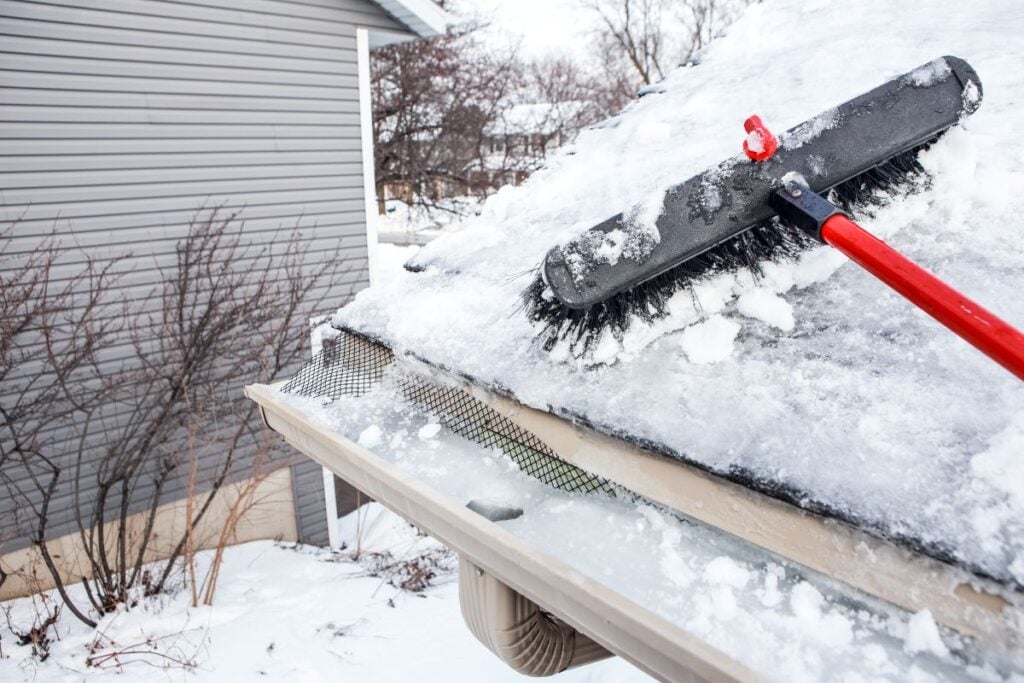
Excess snow buildup increases the likelihood of ice dam formation. Carefully removing snow from the lower sections of the roof can reduce the risk during cold weather.
- Roof rake use: Helps clear snow from roof edges safely
- Reduce roof load: Prevents excess stress on roofing structures
- Improved drainage: Allows melting snow to flow off the roof
5. Install Ice and Water Shield
Ice and water shield is a protective membrane installed beneath shingles along roof edges and valleys. This barrier prevents water from entering the home if ice dams form.
- Waterproof layer: Blocks moisture infiltration under shingles
- Critical protection: Installed along eaves and vulnerable roof areas
- Drip edge support: Works alongside drip edge flashing to direct water away
6. Keep Gutters Clean Before Winter
Clogged gutters can trap melting snow and contribute to ice buildup along the roof edge. Clean gutters allow water to flow away properly before freezing occurs.
- Improved drainage: Prevents water from freezing in blocked gutters
- Reduced ice buildup: Allows snowmelt to exit the roofline efficiently
- Seasonal preparation: Fall gutter cleaning reduces winter risks
Signs That Ice Dams May Be Forming
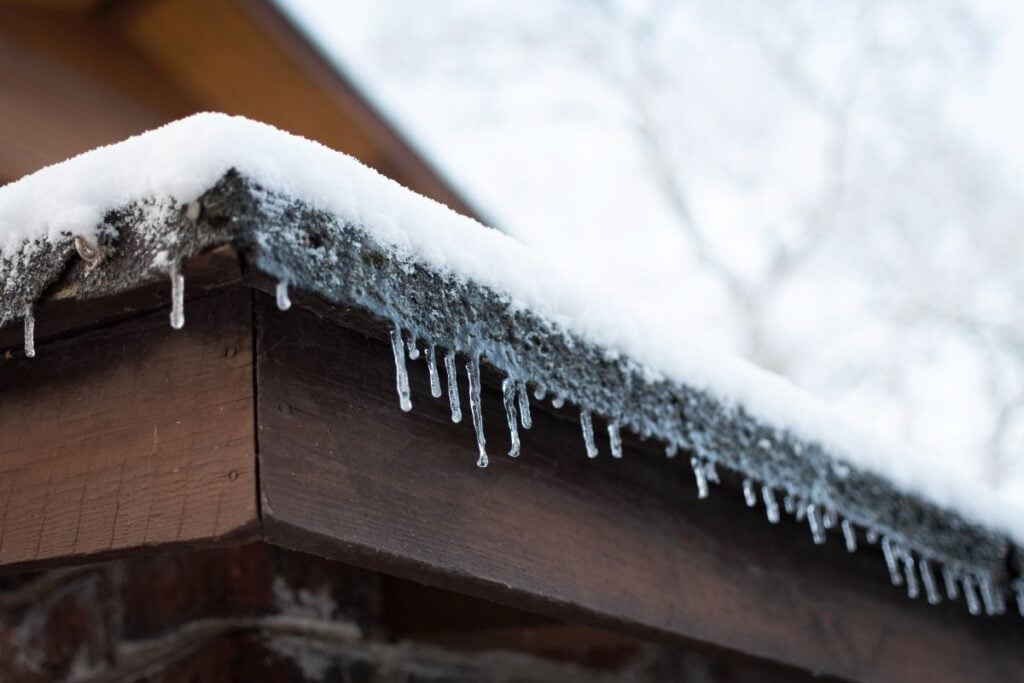
Ice dams often develop gradually, so recognizing early warning signs can help prevent serious damage. Homeowners should monitor their roofs throughout winter, especially after heavy snowstorms. The Insurance Institute for Business & Home Safety reports that water damage and freezing account for nearly 29 percent of homeowner insurance claims, which highlights how important it is to identify ice dam problems early.
- Large icicles: May indicate trapped melting snow along roof edges
- Water stains on ceilings: Suggest moisture infiltration from roof buildup
- Uneven snow melt: Warm roof sections melting faster than others
- Ice buildup in gutters: A sign that water is freezing at the roof edge
Ice Dam Prevention Methods Comparison
| Prevention Method | Primary Benefit | Difficulty | Long Term Effect |
| Attic insulation | Prevents heat loss | Moderate | Excellent |
| Roof ventilation upgrades | Maintains roof temperature | Moderate | Excellent |
| Snow removal | Reduces roof load and buildup | Easy | Temporary |
| Ice and water shield | Waterproof protection | Professional install | Long lasting |
| Gutter cleaning | Improves drainage | Easy | Seasonal |
Frequently Asked Questions About Ice Dams
Preventing ice dams often raises questions for homeowners dealing with winter conditions. Understanding how ice dams develop can help you take the right steps to protect your home.
What causes ice dams on roofs?
Ice dams form when heat escaping from the attic melts snow on the roof, and the water refreezes near colder roof edges.
Are ice dams dangerous for roofs?
Yes, they can force water under shingles and cause leaks, insulation damage, and structural deterioration.
Can roof repairs stop ice dams permanently?
Repairs alone may not stop ice dams. Proper insulation, roof ventilation, and maintenance are necessary to address the root cause.
Should I remove ice dams myself?
Removing ice dams without proper tools can damage shingles or be dangerous. It is best handled carefully or by professionals.
Protect Your Roof During Winter with Buckeye State Roofing
Winter weather in Ohio can be tough on roofs, and ice dams are one of the most common causes of seasonal roof damage. Preventative steps like insulation upgrades, roof ventilation improvements, and proper maintenance can significantly reduce the risk.
We’re proud to serve home and business owners in Brunswick, OH, and nearby communities with roof inspections, repairs, and full roof replacements. If you’re concerned about ice dam damage or want to prepare your roof for winter, contact Buckeye State Roofing today for expert guidance and dependable service.
