
Ice Dam Removal Cost: What Affects Price This Winter
3/11/26
6 Min Read
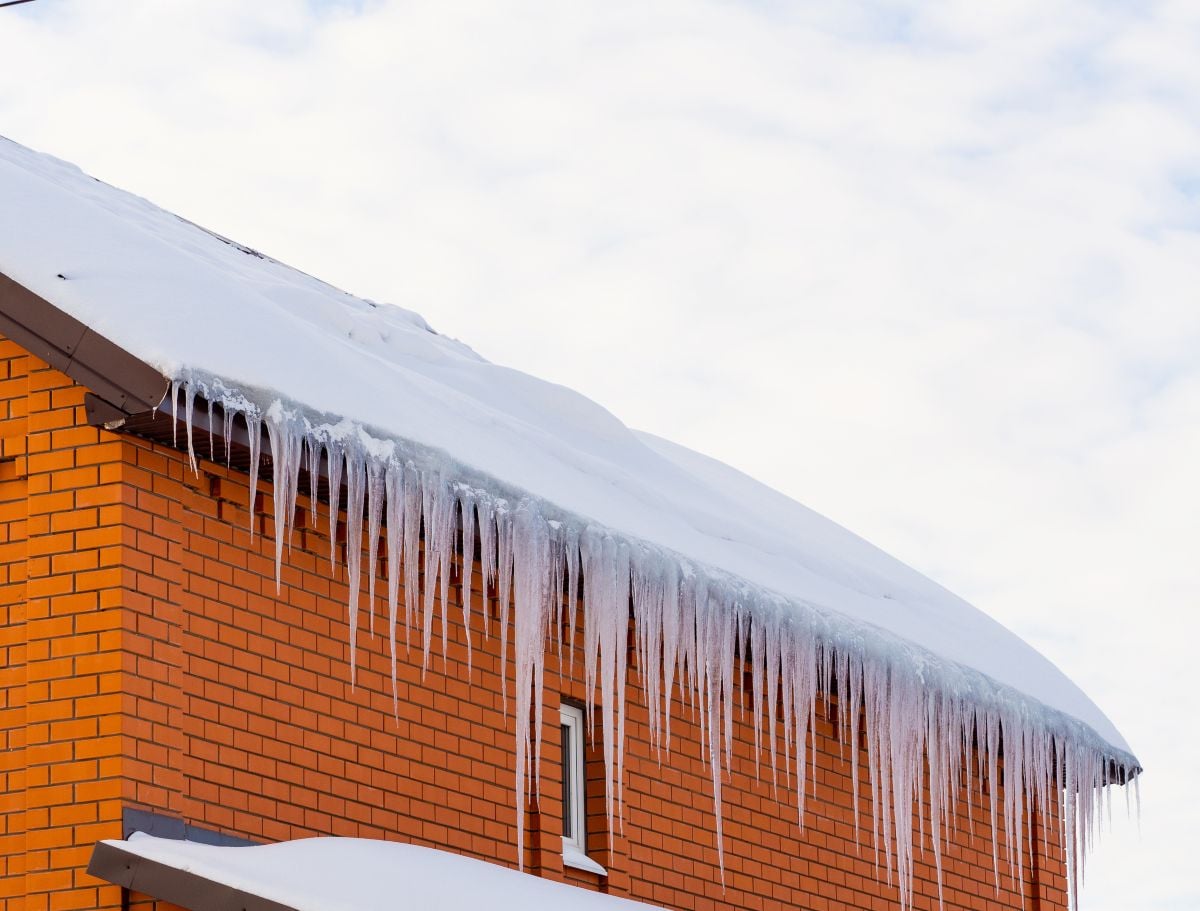
Understanding ice dam removal cost is important for homeowners dealing with winter roof problems. Ice dams form when snow melts on a warm roof surface and refreezes near the colder edges of the roof, creating a barrier that traps water. Removing these ice dams safely often requires specialized equipment and trained professionals, which can influence the overall cost.
- Roof protection: Prevents water from backing up beneath shingles
- Interior safety: Reduces the risk of ceiling leaks and insulation damage
- Structural preservation: Helps protect the roof deck and attic framing
- Winter preparedness: Supports safer roofing performance during heavy snowfall
- Long term savings: Early removal can prevent costly roof repairs later
Knowing what cost factors influence ice dam removal pricing can help homeowners prepare for winter maintenance and avoid unexpected expenses. Understanding prevention strategies can also reduce the likelihood of needing emergency service after major storms.
Why Ice Dam Removal Is Sometimes Necessary
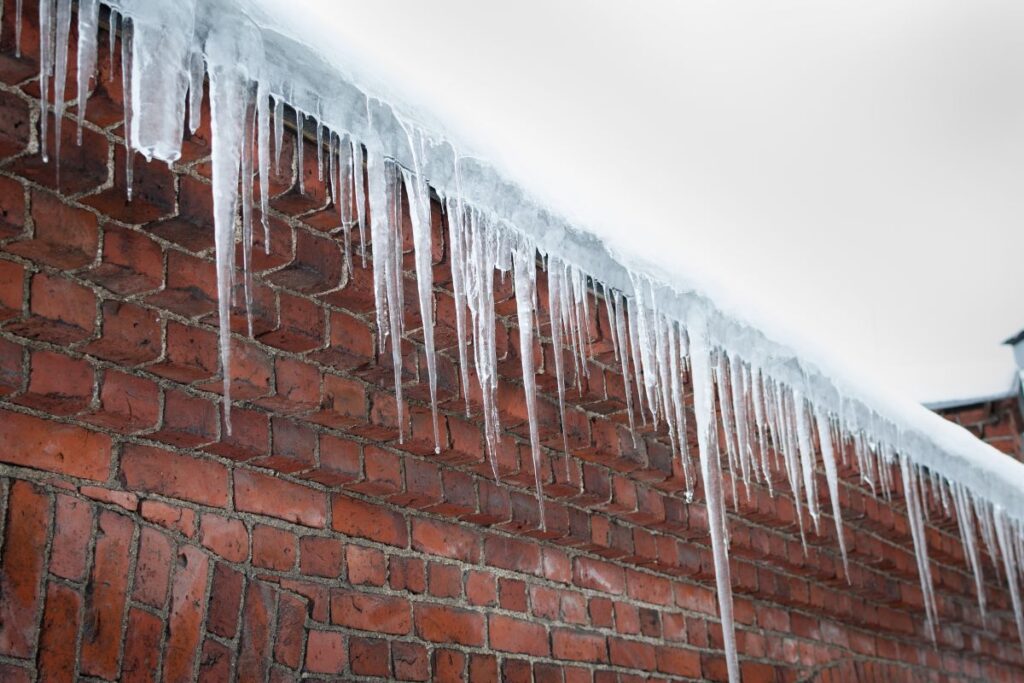
Ice dams often start as small ridges of ice along the roof edge, but they can quickly grow as melting snow continues to refreeze. When the ice blocks proper drainage, water may begin seeping under shingles and into the attic space.
In communities like Medina, OH, repeated freeze and thaw cycles during winter can accelerate ice dam formation. Heavy snow accumulation followed by warming daytime temperatures creates the perfect conditions for ice buildup along the roofline. When ice dams become large enough, professional removal is often the safest way to prevent water intrusion and roof damage.
The Insurance Information Institute reports that the average frozen and water damage insurance claim is about $12,700, highlighting how expensive untreated winter roof problems can become.
Ignoring ice dams can increase the likelihood of interior leaks, damaged insulation, and weakened roofing materials.
Average Ice Dam Removal Costs
The cost of removing ice dams can vary depending on the size of the roof, accessibility, and the severity of the buildup. Most homeowners hire professionals because removing thick ice from a roof can be dangerous without proper tools.
| Removal Method | Typical Cost Range | Key Considerations |
| Roof steaming | $400 – $1,500 | Most effective and safest method |
| Chemical melt products | $100 – $300 | Temporary solution for small dams |
| Manual removal | $200 – $600 | Risky if done improperly |
| Full roof snow removal | $300 – $900 | Prevents additional ice buildup |
Professional roof steaming is often recommended because it removes ice without damaging shingles or flashing. However, pricing can vary depending on roof pitch, roof size, and how difficult it is to access the affected areas safely.
5 Factors That Affect Ice Dam Removal Cost
Several variables influence the final price of removing ice dams. Understanding these cost factors can help homeowners estimate potential costs and plan winter maintenance more effectively.
1. Size of the Ice Dam
Larger ice dams require more time, equipment, and labor to remove safely. The longer the ice barrier stretches along the roof edge, the higher the removal cost tends to be.
- Longer roof edges: Require more steaming or removal work
- Thicker ice layers: Increase labor time
- Multiple roof sections: Raise overall service costs
2. Roof Height and Accessibility
Roof height plays a major role in determining removal difficulty. Steeper roofs or multi story homes require additional safety equipment.
- Steep roof slopes: Increase safety precautions and affect roof pitch safety
- Limited access areas: Require specialized tools
- Multi story homes: Often involve additional labor
3. Removal Method Used
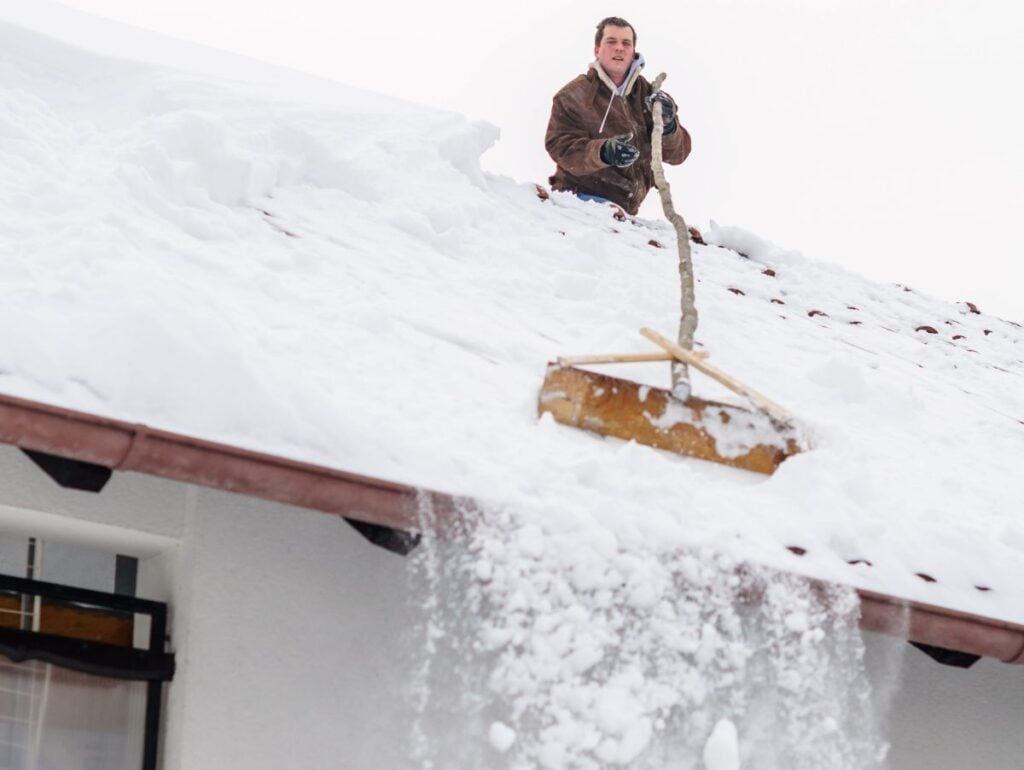
Different removal methods come with different price points depending on equipment and expertise required.
- Steam removal: Safest but often higher cost
- Manual chipping: Less expensive but riskier for shingles
- Chemical treatments: Useful for smaller ice dams using products like roof melt tablets or ice dam salt
4. Roof Size and Layout
Larger roofs naturally require more time to inspect and remove ice dams. Complex roof designs with valleys and dormers may also increase the scope of work.
- Large roof areas: Require longer service time
- Multiple roof valleys: Trap snow and increase buildup
- Dormers and roof intersections: Create additional problem areas
5. Emergency Service Timing
Ice dam removal during active leaks or severe winter storms may increase service costs due to urgency and scheduling demands.
- Emergency response: Often costs more than scheduled service
- Winter storm conditions: Can slow removal work
- High demand periods: Increase availability challenges after major storms
Warning Signs That Ice Dam Removal May Be Needed
Recognizing early warning signs can help homeowners address ice dams before major roof damage occurs. If left untreated, trapped water can eventually leak into the attic or interior walls.
- Large icicles forming along roof edges: Often indicate melting and refreezing cycles
- Water stains on ceilings or walls: Suggest trapped water behind ice dams
- Ice buildup in gutters: Prevents proper drainage
- Uneven snow melting on the roof: Signals heat escaping from the attic
When these warning signs appear, it is often safer to schedule professional removal before interior water damage occurs.
Ways to Reduce Future Ice Dam Removal Costs
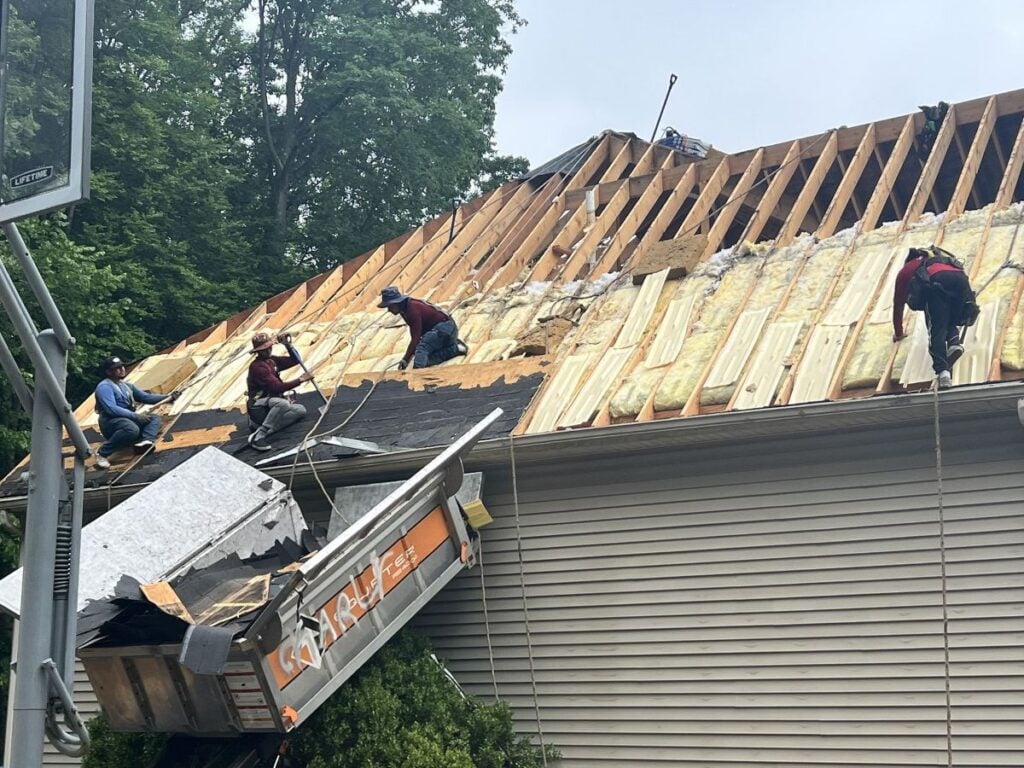
While removal may sometimes be necessary, preventative measures can greatly reduce the chances of ice dam formation in the first place. Homeowners who want to prevent ice dams should focus on improving attic insulation, ventilation, and snow management.
Improve Attic Insulation
Better insulation prevents warm indoor air from heating the roof surface, reducing snow melt that contributes to ice dams.
- Temperature balance: Keeps roof surfaces closer to outdoor temperatures
- Energy efficiency: Reduces heat loss from living spaces
Upgrade Roof Ventilation
Proper ventilation allows cold air to circulate beneath the roof deck and helps maintain a consistent temperature across the roof surface.
- Soffit vents: Bring fresh air into the attic
- Ridge vents: Allow warm air to escape
Use Safe Snow Removal Tools
Removing excess snow can reduce ice dam formation before it becomes severe.
- Roof rake use: Helps clear snow from roof edges safely
- Ice dam salt or roof melt tablets: Can assist with melting small ice buildup areas
Winter Roof Protection with Buckeye State Roofing
Ice dams can cause serious roof damage if they are not addressed quickly. Understanding ice dam removal cost and the factors that influence pricing helps homeowners make informed decisions when winter weather strikes.
We’re proud to serve home and business owners in Medina, OH, and nearby communities with roof inspections, repairs, and full roof replacements. If winter weather has caused roof damage or you want to prepare your home for the season ahead, contact Buckeye State Roofing today to schedule a professional inspection and keep your roof performing at its best.
