
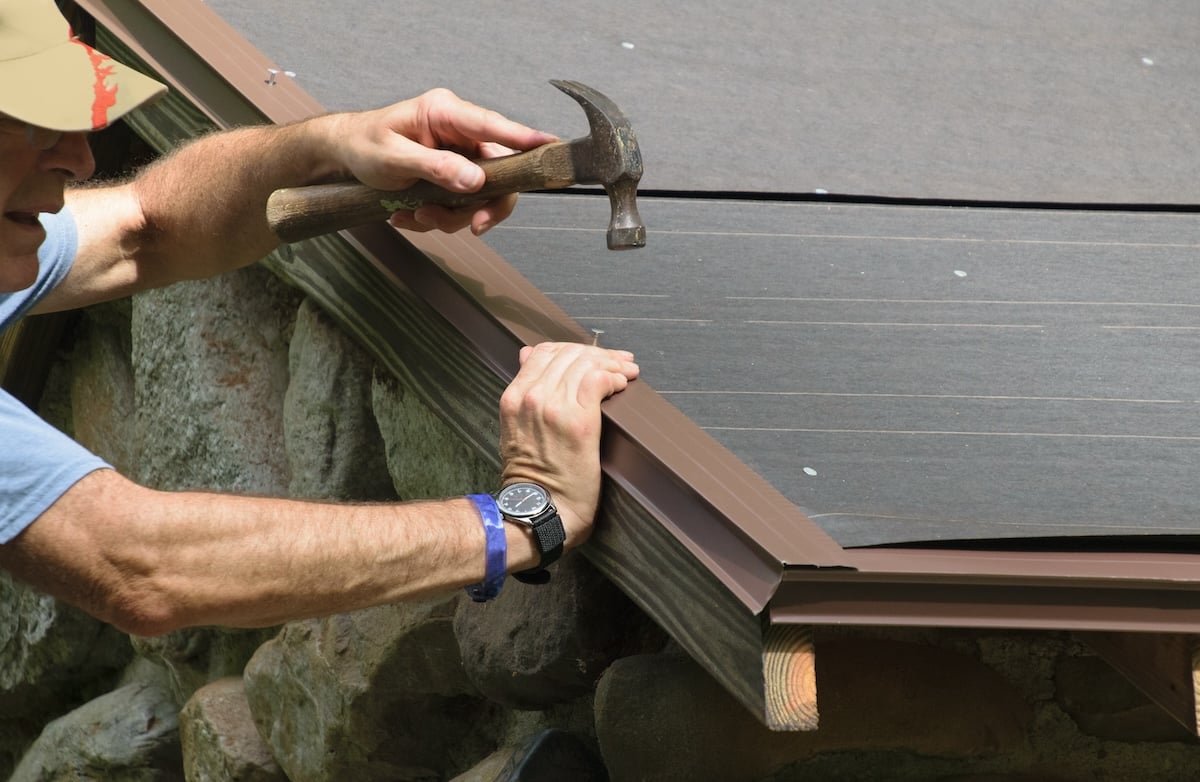
7 Steps to Properly Install Metal Flashing and Prevent Roof Leaks
11/26/25
6 Min Read
A metal flashing system is one of the most important parts of a watertight roof. Flashing acts as a barrier wherever two surfaces meet, around chimneys, vents, valleys, and roof panels, directing water away from joints that would otherwise allow leaks. When installed correctly, it protects the roof structure from moisture, rot, and corrosion, preserving both appearance and performance for years. Poor installation, however, remains one of the top reasons for roof repair and premature deterioration in both residential and commercial projects.
In this article, you’ll discover:
- Purpose: Why flashing is vital to maintaining a durable roof system.
- Material selection: How different metals perform across climates.
- Installation process: A step-by-step guide to achieve long-term leak protection.
- Common mistakes: What to avoid to prevent early failure.
- Maintenance guidance: The right way to inspect and maintain flashing over time.
Understanding the Role of Metal Flashing
Flashing seals the most vulnerable sections of the roof, areas where water can enter if left unprotected. It’s commonly installed along roof valleys, around vents, at chimney bases, and beneath vertical transitions. Without flashing, even the highest-quality shingles or metal roofing systems can allow moisture to seep into decking and insulation. Its main job is simple: redirect water from seams and edges, keeping the entire structure safe and dry.
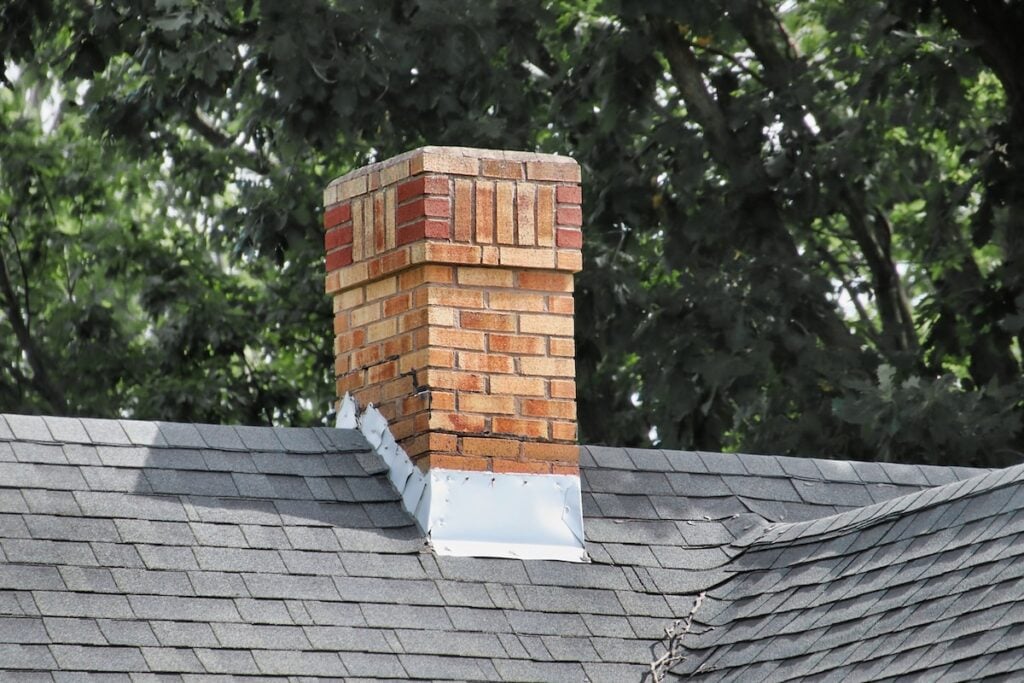
Modern roof flashing types include step flashing, continuous flashing, counter-flashing, valley flashing, and drip edge flashing. Each one is manufactured for a specific application area, and choosing the right style ensures the roof functions efficiently.
Choosing the Right Flashing Material
The performance and longevity of flashing depend on selecting the right materials for the job. Metal roofing systems often use the same metal type for flashing to ensure compatibility. Differences in metal composition can cause galvanic corrosion, which leads to early rusting and separation.
- Aluminum: Lightweight and easy to shape, ideal for detailed roof edges.
- Galvanized steel: A cost-effective and sturdy option for long-term protection.
- Copper: Distinctive natural color that patinas beautifully while resisting corrosion.
- Lead-coated copper: Flexible, long-lasting, and suitable for complex architectural designs.
When ordering or installing flashing, always check manufacturer reference materials for proper fasteners and sealants. Matching materials between panels, flashing, and accessories ensures stability across the entire system.
7 Steps to Properly Install Metal Flashing
Flashing must be handled with precision, since even a small error can compromise an entire roof installation. Follow these professional steps to ensure reliable protection.
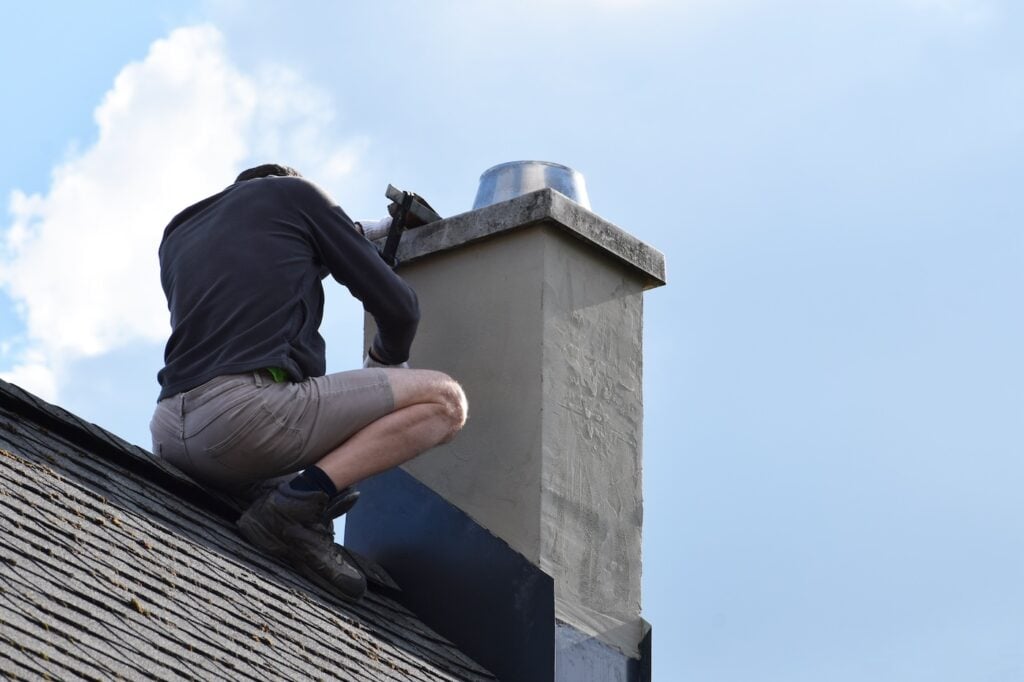
- Prepare the roof area: Clear debris, clean surfaces, and ensure the decking is dry before starting.
- Cut flashing to fit: Use tin snips or a brake to create clean edges. Overlap joints by two inches to control water flow.
- Install starter shingles: Place a base course along the edge or wall to anchor flashing securely.
- Apply flashing pieces: For step flashing, overlap each piece over the shingle below and secure with mechanical fasteners designed for metal roofing.
- Seal all joints: Apply roofing sealant to every overlapping section, especially at valleys and corners.
- Add counter-flashing: Where roofs meet vertical walls, install counter-flashing to cover base pieces and prevent water intrusion.
- Inspect and test: After completing the installation, spray or pour water along flashing seams to confirm watertight performance.
Common Flashing Installation Mistakes
Errors during flashing installation can lead to water damage and expensive repairs. Avoiding these issues protects your investment and adds years to your roof’s life.
- Improper overlap: Overlaps shorter than two inches create vulnerable joints.
- Incorrect fasteners: Nails or screws that are too short or misplaced weaken attachment points.
- Insufficient sealant: Poor sealing leaves small gaps that let water enter gradually.
- Mixed metals: Combining dissimilar metals causes corrosion that shortens the roof’s lifespan.
- Skipped maintenance: Ignoring inspections allows debris and rust to form unnoticed.
Why Professional Installation Matters
Flashing requires precision and knowledge of roof design. A professional installer understands slope, underlayment, and the correct order of installation to protect critical joints. They use manufacturer-approved materials, mechanical fasteners, and waterproof sealants designed specifically for each type of roof. Skilled roofing technicians evaluate the entire structure for hidden problems before completing the project, ensuring every joint aligns perfectly.
Experienced professionals also understand how accessories like roof vents, gutters, and panels interact with flashing. This ensures that every part of the roof works together to move water efficiently, preserving both appearance and integrity.
The Importance of Regular Roof Inspections
Even properly installed flashing needs routine checks to perform at its best. Regular inspections help identify minor concerns before they develop into leaks.
- Temperature impact: Freeze-thaw cycles can shift or loosen fasteners.
- Storm exposure: Heavy rain and hail can dent or misalign flashing.
- Surface corrosion: Early rust spots spread quickly without maintenance.
- Sealant wear: Caulk and adhesive layers degrade over time, creating gaps.
- Warranty upkeep: Regular maintenance keeps manufacturer coverage valid.
Scheduling inspections twice per year—especially after severe weather—helps maintain flashing strength, ensures full waterproofing, and keeps your roof warranty intact.
Metal Flashing That Keeps Roofs Leak-Free
Metal flashing works silently behind the scenes to protect a roof from constant exposure to rain and snow. It channels water away from seams and directs it into the drainage system, ensuring that every component functions as intended. When installed correctly, flashing not only prevents leaks but also enhances the performance of metal roofing systems and other roof materials.
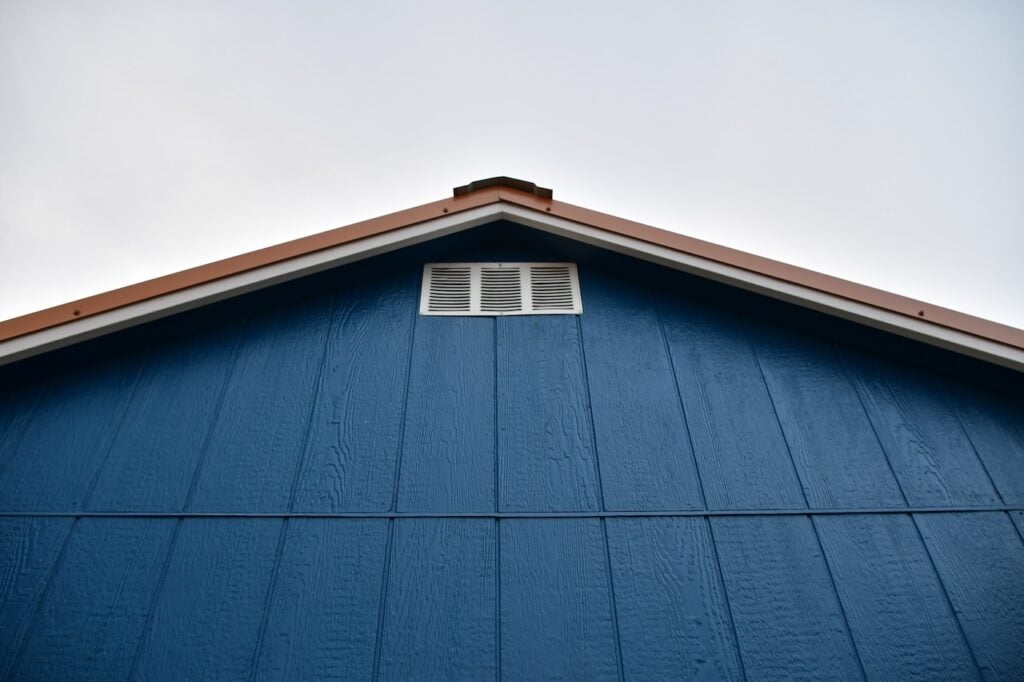
Flashing can also add visual appeal, especially when using copper or color-matched steel that complements the surrounding panels. Whether part of a new roof installation or a repair project, high-quality flashing provides protection, durability, and peace of mind for homeowners and property managers alike.
Why Homeowners Trust Buckeye State Roofing
At Buckeye State Roofing, we combine experience, precision, and communication on every project. Our team of roofers installs each flashing system carefully, ensuring the right materials, correct fasteners, and proper alignment for long-term performance. Every installation follows manufacturer standards to guarantee watertight results and lasting durability.
If you’re planning a roof upgrade or need to find out whether your flashing is performing as it should, contact Buckeye State Roofing today. We offer free inspections and expert recommendations to help you protect your home the right way.
