
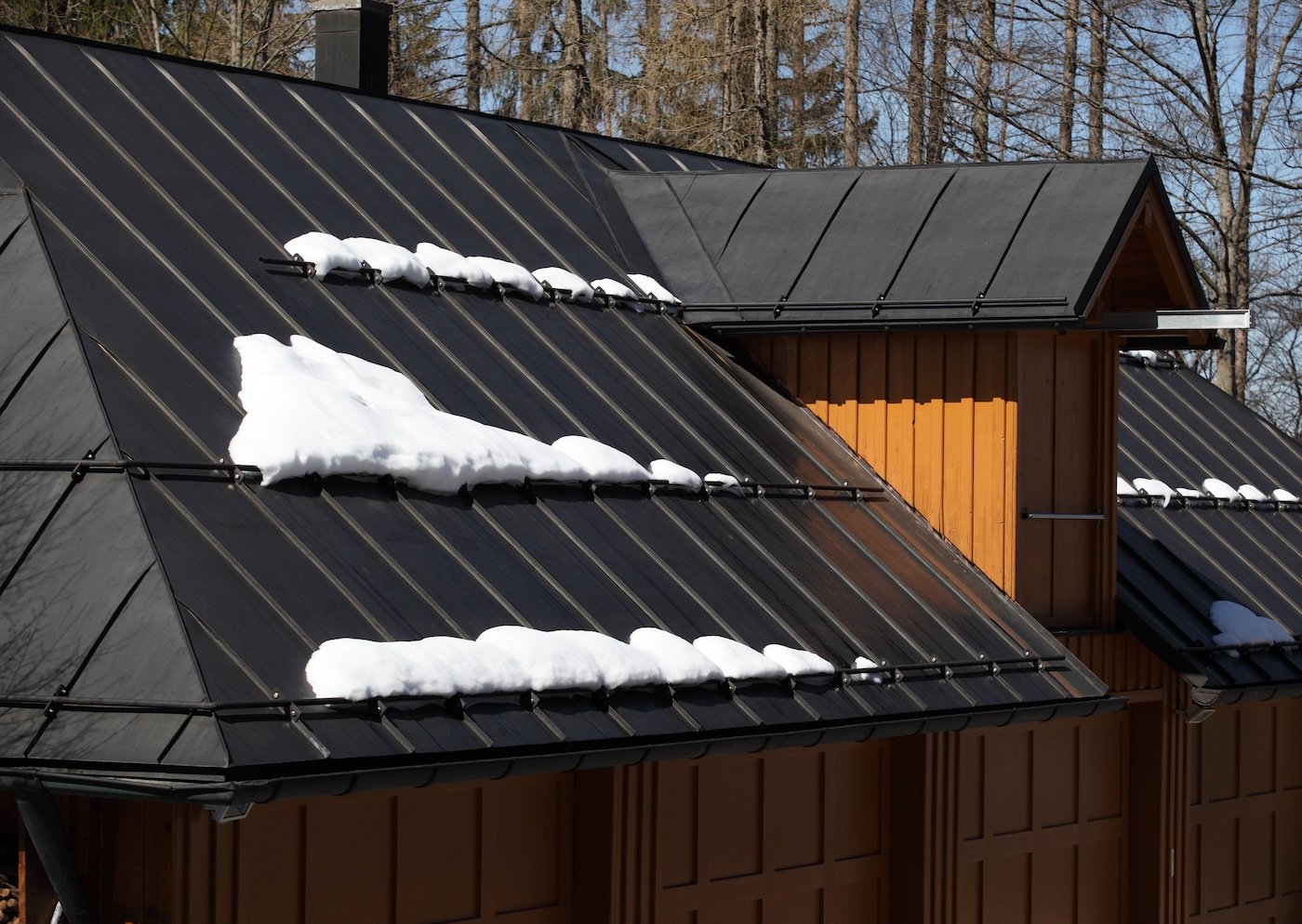
When Is Installing Metal Roof Insulation A Must?
12/22/25
5 Min Read
Metal roofing offers durability, longevity, and modern appeal, but one essential component homeowners often overlook is metal roofing insulation. The right insulation improves energy efficiency, boosts comfort, reduces noise, and protects your roofing system. For homeowners in Strongsville, OH, understanding when insulation is non-negotiable ensures better long-term performance and safeguards your investment.
In this article, you’ll learn:
- Why metal roof insulation is critical for building performance
- Key situations where insulation is absolutely required
- Steps to ensure correct insulation installation
- Additional benefits beyond temperature control
- How to maintain insulation for lasting results
Why Metal Roof Insulation Is So Important
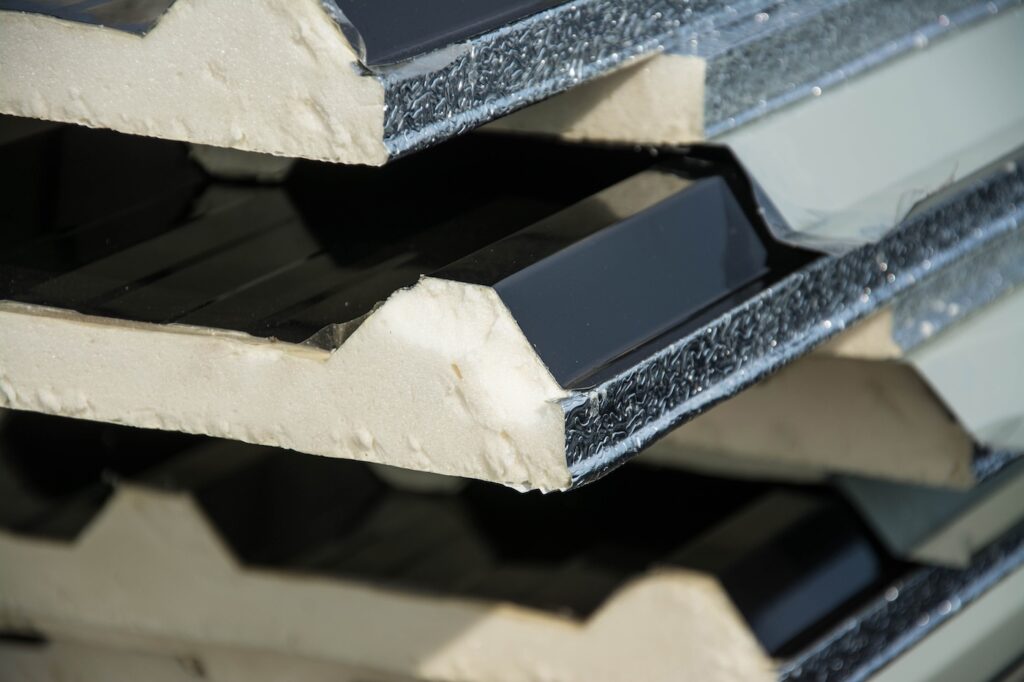
Metal roof insulation directly influences the efficiency, comfort, and lifespan of your roofing system.
- Energy efficiency: Insulation lowers heat transfer, stabilizing indoor temperatures and reducing utility costs.
- Temperature regulation: A properly insulated roof helps maintain consistent comfort in every season.
- Noise reduction: Insulation dampens sound from rain, hail, and outdoor noise.
- Condensation prevention: Moisture is minimized, preventing corrosion and water damage.
- Comfort improvement: Warm and cool air stay contained, reducing drafts and cold spots.
3 Key Moments When Installing Metal Roof Insulation Is A Must
Not every metal roof installation requires insulation, but certain scenarios make it essential for peak performance and longevity.
1. New Construction or Full Roof Replacement
Installing insulation during new construction or a complete replacement ensures long-term efficiency and moisture control.
- Improved system performance: Proper placement enhances durability and moisture resistance.
- Better material compatibility: Insulation can be selected to match ventilation requirements and roofing type.
2. Metal Roofs in Extreme Climates
Homes exposed to severe heat or cold see significant improvements when insulation is added.
- Thermal protection: Reflective insulation reduces heat absorption in warm climates.
- Heat retention: High R-value insulation prevents heat loss in cold seasons.
3. Buildings Exposed to High Noise Pollution
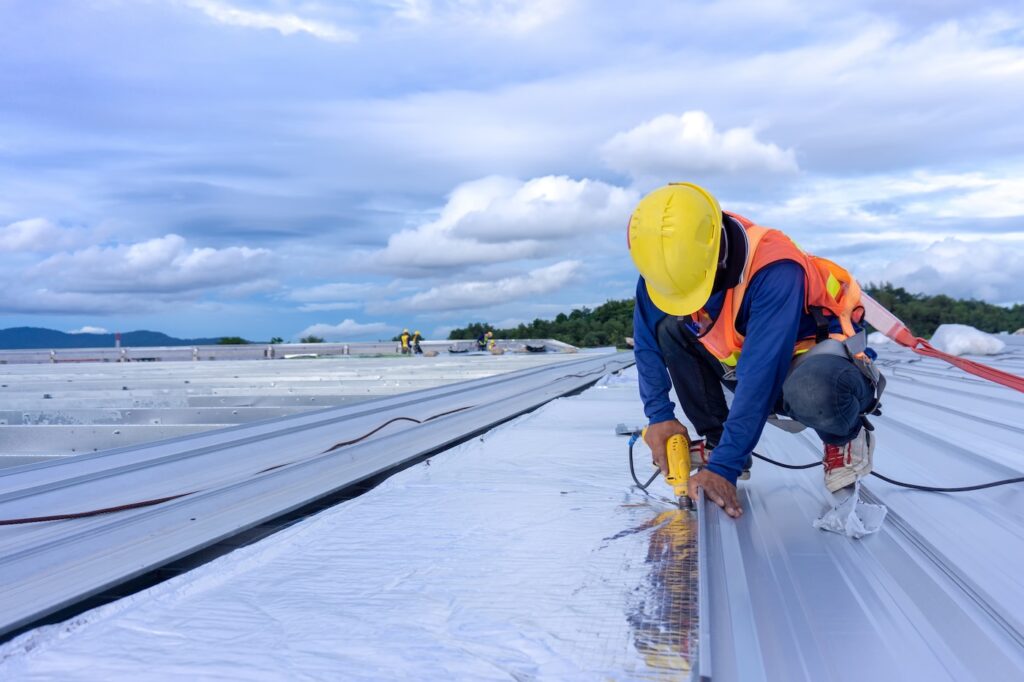
Metal roofs naturally amplify sound, making insulation essential in noisy environments.
- Acoustic absorption: Specialized insulation reduces noise transfer.
- Vibration control: Dense insulation reduces the metallic echo common with metal roof panels.
Best Practices for Installing Metal Roof Insulation
Proper installation ensures insulation performs as intended and prevents issues like moisture buildup or uneven coverage.
Choosing the Right Insulation Material
Different insulation types offer unique benefits depending on climate and budget.
- Spray foam: Offers superior coverage and thermal sealing.
- Rigid foam boards: Provide strength and consistent R-values.
- Reflective barriers: Help redirect radiant heat away from the home.
Ensuring Proper Ventilation
Ventilation works with insulation to prevent moisture accumulation and temperature imbalances.
- Balanced intake and exhaust: Helps regulate temperature changes throughout the home.
- Moisture prevention: Proper airflow avoids condensation that can weaken roofing components.
Benefits of Professional Installation
Experts ensure that insulation meets local code requirements and performs as expected.
- Accurate placement: Prevents gaps and compressed insulation.
- Code-compliant work: Ensures roofing and insulation standards are met.
The Role of Underlayment in Supporting Metal Roof Insulation
While insulation is essential for regulating temperature and preventing moisture issues, the underlayment beneath a metal roof plays an equally important role in overall system performance. Underlayment acts as a protective barrier between the metal panels and the roof deck, improving thermal stability and helping the insulation perform at its highest capacity. When combined with quality insulation, the right underlayment strengthens moisture control, enhances energy efficiency, and extends the roof’s lifespan.
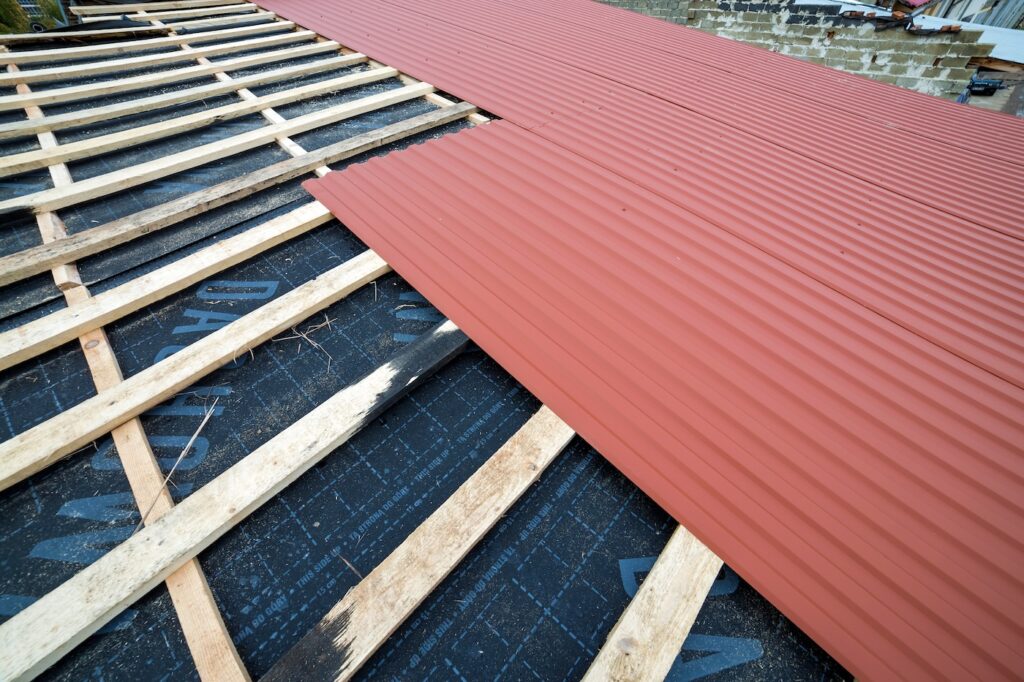
- Secondary moisture barrier: Underlayment blocks water intrusion and protects insulation from condensation that forms beneath metal panels.
- Thermal support: Certain synthetic underlayments help stabilize roof temperatures, allowing insulation to work more effectively.
- Deck protection: Underlayment prevents wood rot, warping, and deterioration caused by trapped moisture.
- Noise control: Paired with insulation, underlayment helps reduce impact noise from rain and hail.
- Improved system longevity: A strong underlayment-insulation combination increases durability and reduces maintenance needs over time.
Additional Advantages of Insulated Metal Roofing Systems
Beyond meeting performance requirements, insulation delivers valuable secondary benefits. It also enhances the overall efficiency and resilience of your roofing system in ways many homeowners don’t initially realize.
Enhanced Durability and Lifespan
Insulated metal roofs experience less stress and deterioration because insulation stabilizes temperature changes, reduces moisture levels that can cause corrosion, and minimizes long-term wear that would otherwise lead to frequent repairs.
Environmental Impact Reduction
Insulation helps reduce heating and cooling demands, supports the use of recyclable or sustainable materials, and contributes to a smaller overall carbon footprint by improving the roof’s long-term energy performance.
Increased Property Value
Homes with properly insulated metal roofs often appeal more to buyers because of improved energy savings, demonstrated construction quality, and enhanced indoor comfort that adds long-term value.
Maintaining Your Metal Roof Insulation for Longevity
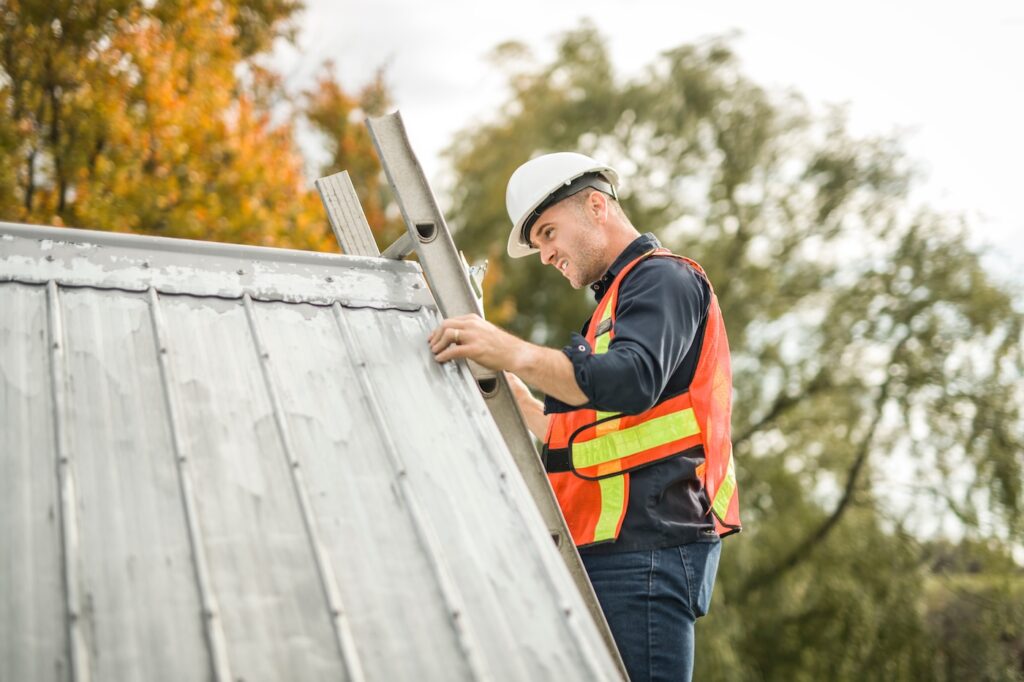
Routine maintenance ensures your insulation continues performing effectively and prevents long-term damage. A proactive approach also helps you catch early warning signs that could compromise your roofing system if left unaddressed.
Signs It’s Time to Inspect Insulation
Look for noticeable changes in your home’s comfort and energy efficiency, as these often indicate insulation problems.
- Indoor temperature fluctuations: Unexpected hot or cold spots may indicate insulation failure.
- Visible moisture: Condensation or staining suggests water intrusion.
- Higher utility bills: Rising energy costs can reflect thermal inefficiency.
Inspection and Repair Steps
Consistent evaluation and timely repairs keep your insulation performing at peak levels.
- Schedule regular inspections: Annual checkups help identify concerns early.
- Replace damaged insulation: Moist or deteriorating material must be removed promptly.
- Maintain ventilation pathways: Clear airflow prevents condensation and mold.
- Check drainage: Clean gutters and downspouts reduce water-related issues near the roofline.
Protect Your Investment with Buckeye State Roofing
Installing metal roof insulation is more than a protective measure; it is an essential upgrade that enhances energy efficiency, comfort, durability, and long-term value. For homeowners in Strongsville, OH, understanding when and how to integrate insulation ensures maximum performance from your metal roofing system.
Buckeye State Roofing provides expert evaluation, high-quality installation, and dependable service to help you get the most from your roofing investment. Contact our team today to schedule a free consultation and discover the best roofing solutions for your home.
