
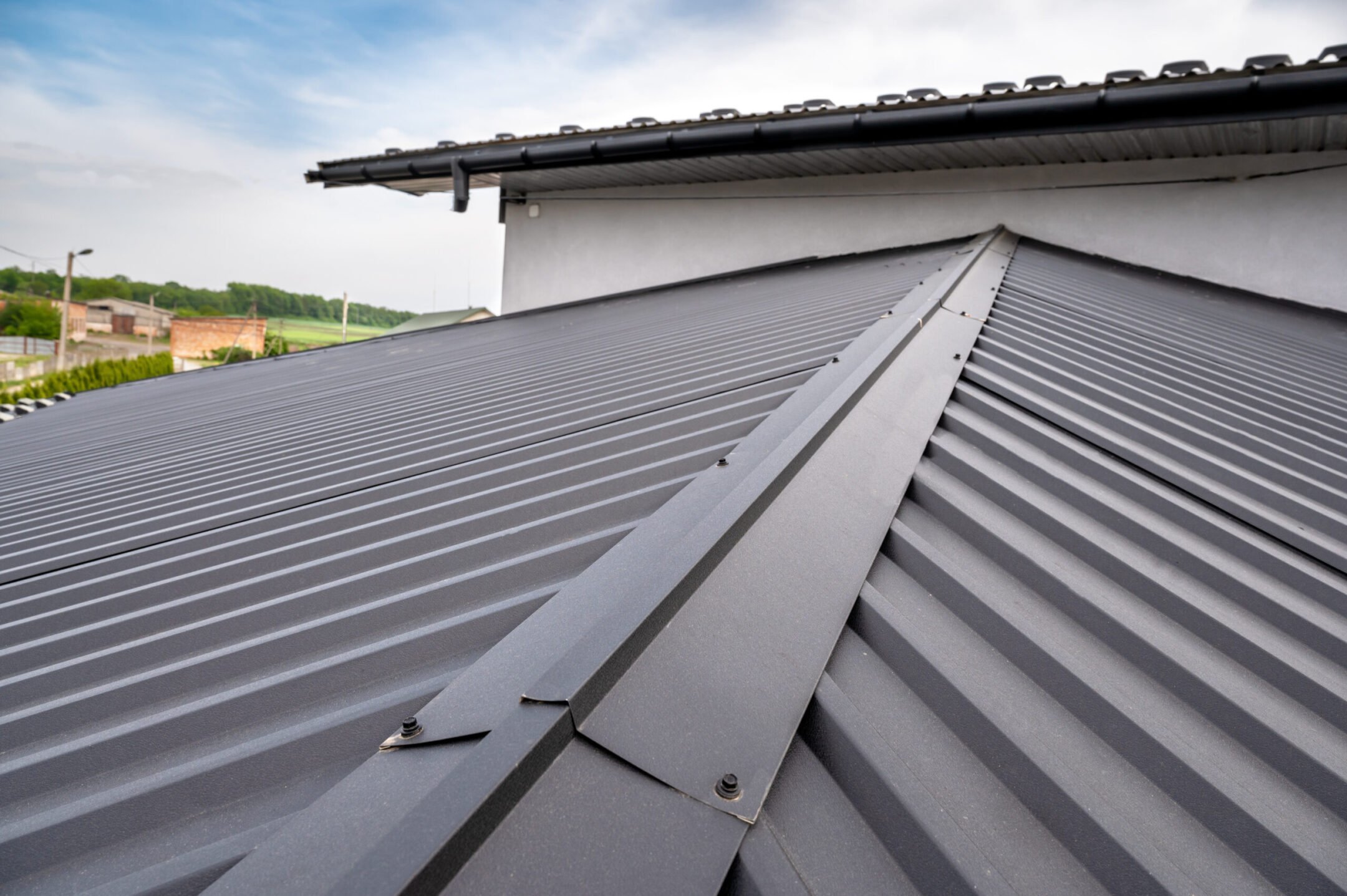
Metal Roof Replacement: Material Selection & Process
2/11/26
6 Min Read
Choosing the right metal roof replacement involves more than just picking out a new material—it requires understanding your building’s structural needs, performance expectations, and long-term goals. A properly planned metal roofing upgrade can improve energy efficiency, resist harsh weather, and significantly reduce future maintenance. Whether you’re replacing an old system or upgrading from a different material, this guide will walk you through the essential decisions and steps.
- Understand key metal roof materials and their benefits
- Learn the full replacement process, from inspection to installation
- Discover what to expect during tear-off and preparation
- Compare metal roofing options based on durability and style
- Get tips to extend the life of your new roof
If you’re considering this upgrade for your property, working with an experienced roofing contractor ensures you choose the right coating system, fasteners, and materials for long-term performance.
Why Consider Metal Roof Replacement?
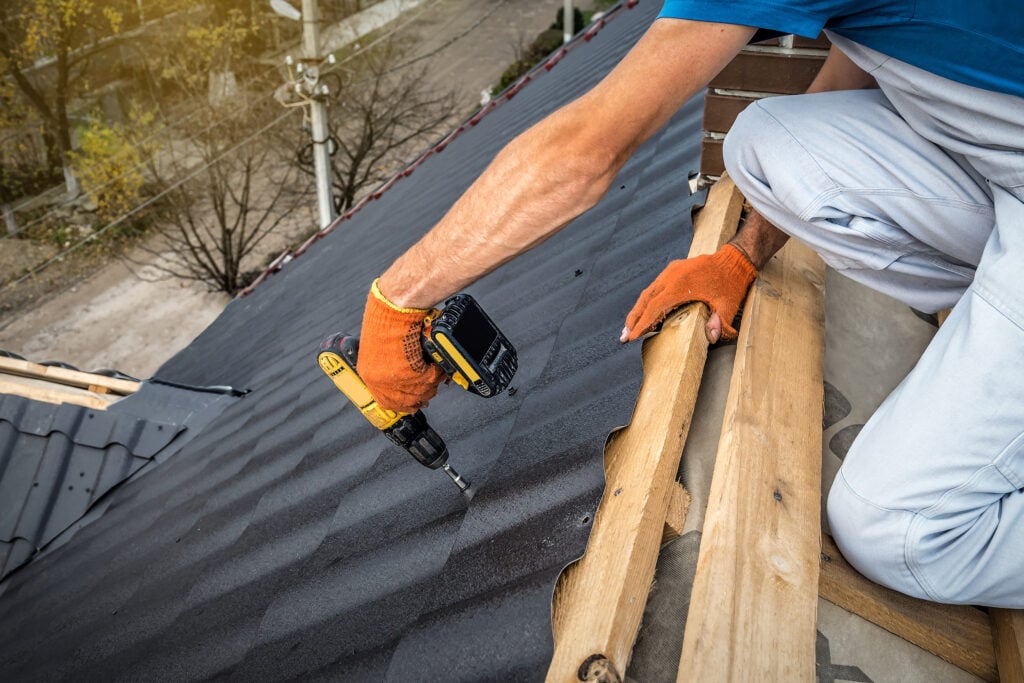
Metal roofing continues to grow in popularity due to its durability, energy efficiency, and curb appeal. If your current roof is leaking, rusting, or reaching the end of its life span, a metal roof replacement can offer significant value.
In Medina, OH, where weather can include high winds and UV radiation exposure, metal roofs offer long-term protection that many traditional roofing materials cannot. They are especially suitable for commercial buildings, homes, and properties needing added resilience.
- Durability: Metal roofing stands up to hail, rain, and wind with less wear than asphalt or rubber roof systems.
- Energy savings: Reflective surfaces help regulate indoor temperatures and reduce HVAC strain.
- Sustainability: Most metal materials are recyclable and produce less waste than other systems.
- Long-term cost control: Lower maintenance and fewer repairs over time reduce lifetime costs.
Choosing the Right Metal Roofing Material
Different types of metal roofs serve different purposes. Choosing the right material ensures that your replacement project meets both functional and aesthetic needs.
Steel Roofing
Steel is one of the most popular materials for metal roof replacement due to its strength and availability. It is coated with zinc or a mix of zinc and aluminum for corrosion resistance.
- Longevity: Typically lasts 40–70 years with proper care
- Affordability: More budget-friendly than copper or zinc
- Versatility: Works well for both residential and commercial roofs
Aluminum Roofing
Aluminum offers corrosion resistance naturally and is lightweight, making it ideal for coastal or high-humidity areas.
- Rust resistance: Great for properties near water
- Lightweight design: Puts less stress on the roof deck
- Recyclability: Often made from recycled content
Copper and Zinc Roofing
These premium materials offer natural resistance to weather and aging, developing a patina over time.
- High-end appearance: Distinctive aesthetic appeal
- Longevity: Can last 80+ years
- Low maintenance: Naturally resists mold, rust, and rot
6 Essential Phases of the Metal Roof Replacement Process
Understanding the metal roof replacement process helps you prepare for what’s ahead. Here are six key stages that most professional contractors follow:
1. Initial Inspection and Material Evaluation
A qualified roofer will assess your existing roof, including roof penetrations, structural integrity, and material condition. This phase determines whether a full tear-off is necessary or if retrofitting is possible.
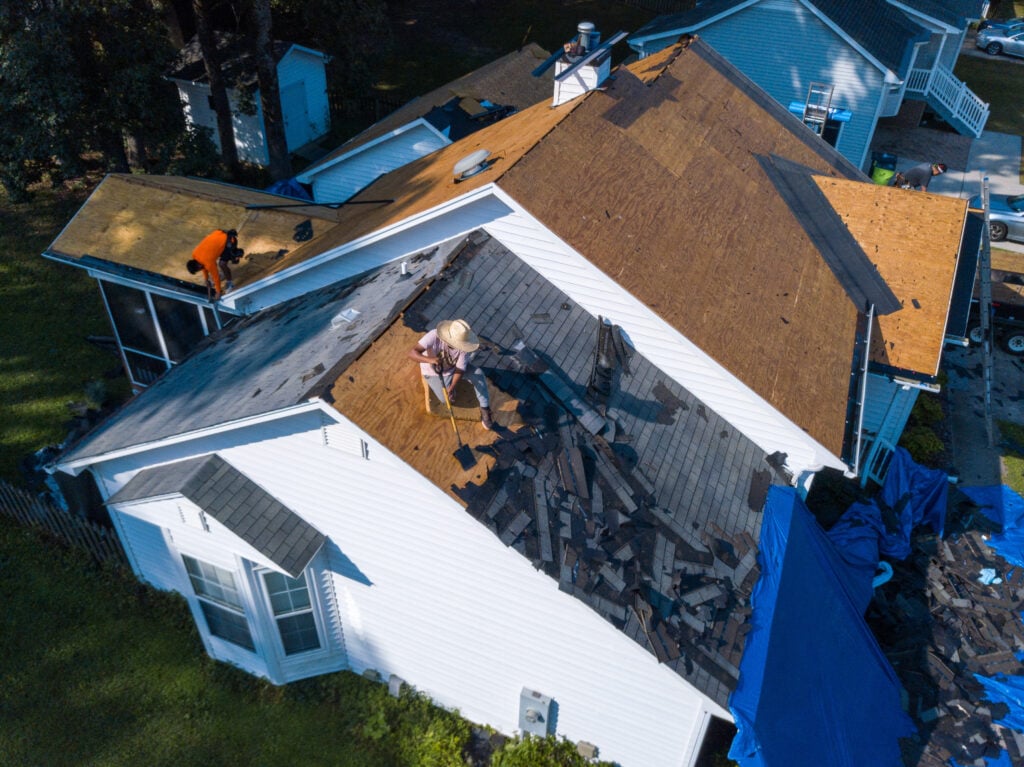
2. Tear-Off of the Old Roofing System
If your existing roof is damaged or incompatible, contractors will remove it completely. This exposes the roof deck and allows for thorough examination of the substrate.
3. Roof Deck Repair or Replacement
Any soft spots, moisture damage, or compromised decking will be addressed. A sound roof deck is critical for long-term performance.
4. Underlayment and Waterproofing Installation
This includes synthetic or self-adhering underlayment to add moisture resistance and help prevent leaks.
5. Metal Panel Installation
Your chosen metal roofing materials are installed using fasteners or clips designed for thermal expansion and wind resistance. Common options include standing seam metal roof panels and corrugated metal sheets.
6. Final Sealing and Cleanup
Flashing, sealants, and ridge caps are installed. Contractors will inspect all areas and remove old materials and debris.
Comparing Metal Roofing Materials
Use this table to compare major metal roofing options side by side based on cost, durability, and appearance.
| Material | Lifespan | Metal Roofing Prices (Per Sq. Ft.) | Appearance | Maintenance |
| Steel | 40–70 years | $5–$12 | Wide variety of finishes | Low |
| Aluminum | 40–60 years | $6–$14 | Sleek, modern | Low |
| Copper | 70–100 years | $15–$25 | Premium patina | Very low |
| Zinc | 60–100 years | $12–$18 | Soft matte finish | Very low |
Additional Tips to Extend the Life of Your New Metal Roof
Making the most of your investment means knowing how to care for your metal roofing system. With just a few steps, you can maximize performance and longevity.
- Annual inspections: Schedule yearly checkups to catch early signs of wear
- Keep gutters clean: Prevent water buildup and damage
- Trim nearby trees: Reduce impact damage and debris accumulation
- Avoid foot traffic: Only allow trained professionals on your roof when necessary
- Seal vulnerable areas: Monitor joints and flashing for signs of deterioration
Frequently Asked Questions About Metal Roof Replacement
Replacing your roof is a big investment, so it’s natural to have questions. Here are some answers to common concerns from homeowners and building owners.
How long does a metal roof replacement take?
Most projects are completed within 3 to 7 days, depending on roof size and weather conditions.
Will I need to leave my home during installation?
Not usually. Professional contractors can complete work while you’re home, though noise may be present.
Can metal roofing be installed over shingles?
In some cases, yes—but it depends on local code and condition of the existing roof. Tear-off is often preferred.
Is acrylic roof coating compatible with metal roofing?
Yes, acrylic coatings are often used to improve reflectivity and durability of metal panels.
How much does metal roofing installation cost?
Metal roof cost varies based on material, square footage, and location. Factors like installation costs and roof complexity can raise the total price.
Trust Buckeye State Roofing for Professional Metal Roof Replacement
Whether you’re dealing with an aging system or ready to upgrade to more efficient materials, Buckeye State Roofing provides expert metal roof replacement services that deliver performance and value. We’re proud to serve home and business owners in Medina, OH, and nearby communities with complete roofing solutions—from tear-off to final inspection.
Our experienced team uses premium metal roofing installation techniques and high-quality materials to help you protect your entire roof and building investment. Contact Buckeye State Roofing today for a free consultation and let us help you extend the life of your property with a durable, attractive metal roof.
