
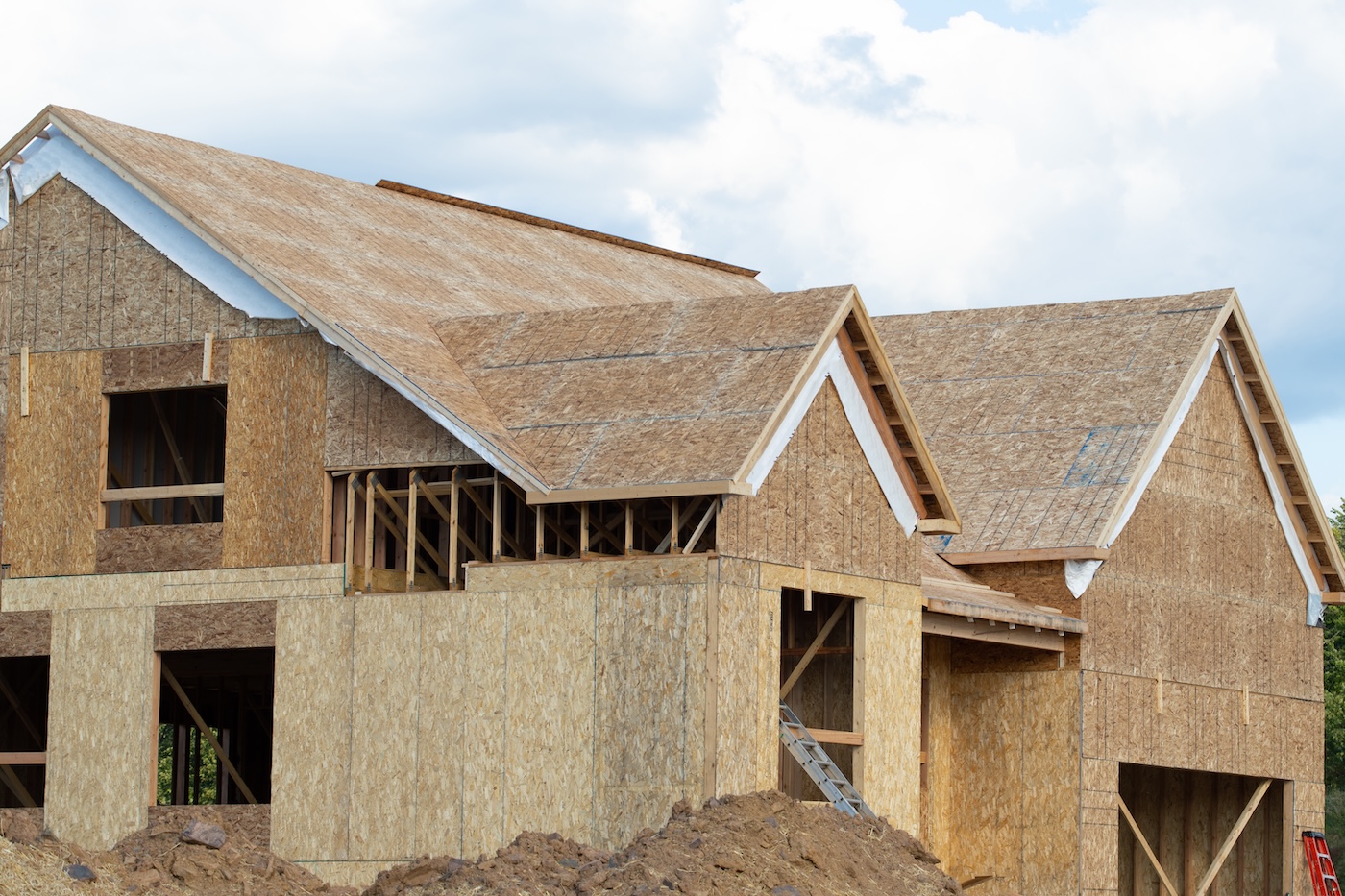
Plywood vs OSB: Which Is The Best Option For Your Roof?
1/12/26
6 Min Read
Plywood vs OSB is an important comparison for homeowners planning a roof replacement or new construction project. Choosing the right materials for your roof is crucial to ensure long lasting durability, weather resistance, and structural integrity. When deciding between plywood and OSB, it is important to understand their distinct characteristics and how each performs in roofing applications, especially when comparing engineered wood products used for roof and wall sheathing.
Whether you are a homeowner planning a roof replacement or a contractor seeking the best sheathing options, this comparison will guide you through the essentials.
- Understanding the properties and composition of plywood and OSB
- Advantages and disadvantages of each material in roofing
- Cost considerations between plywood and OSB
- Durability and moisture resistance factors impacting roof performance
- Best scenarios for selecting plywood or OSB
Why Understanding the Difference Between Plywood and OSB Matters for Roofing
Making an informed decision between plywood and OSB is essential because the choice directly impacts your roof’s lifespan, maintenance requirements, and overall performance. Roof sheathing serves as the structural foundation for shingles, underlayment, and ventilation components.
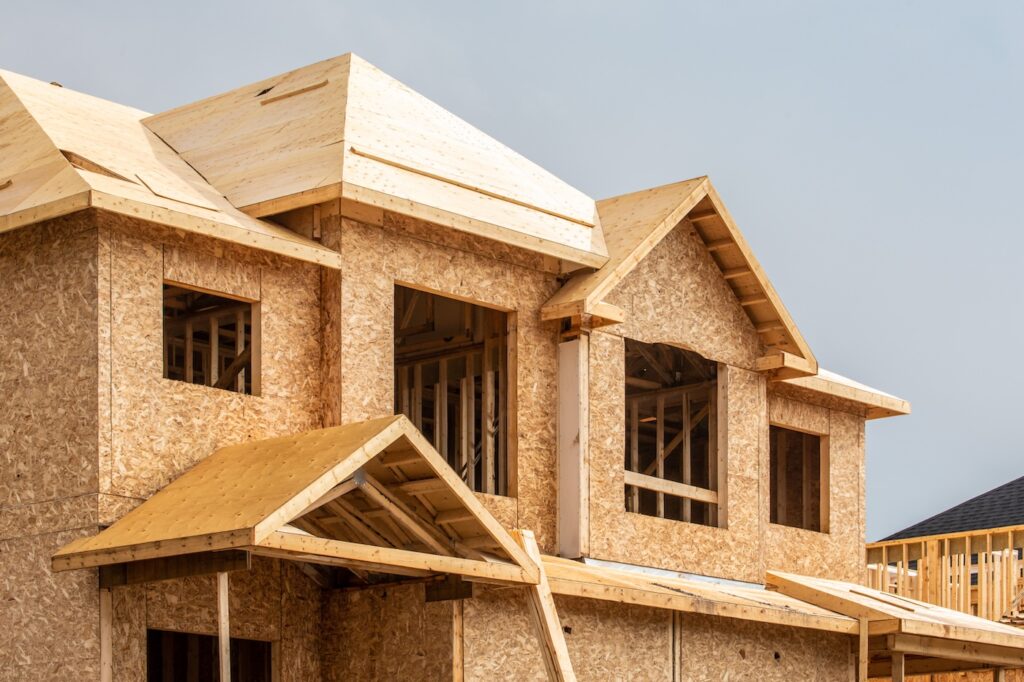
In Medina, Ohio, roofs are exposed to seasonal rain, snow, and temperature changes that can stress roofing materials over time. Selecting the right sheathing helps reduce the risk of premature failure and costly repairs, particularly when choosing between solid wood construction and engineered wood panels.
- Structural integrity: Roof sheathing must support roofing materials and withstand wind and snow loads.
- Moisture resistance: Roofs are exposed to weather elements, making water resistant materials a critical factor.
- Cost efficiency: Lower upfront cost does not always mean better long term value.
- Compatibility: Sheathing must work well with fasteners, underlayments, and shingles.
- Environmental impact: Manufacturing processes and sourcing affect sustainability.
7 Key Differences Between Plywood and OSB for Roofing
Understanding these seven major differences will help you determine which option is best for your roofing project.

1. Composition and Manufacturing Process
Plywood is made by gluing together thin sheets of wood veneer with their grains oriented perpendicular to each other. These thin sheets are typically cut from solid wood logs, creating a strong and layered panel.
OSB is manufactured from wood chips and strands that are compressed and bonded with adhesives into large panels, making it a type of engineered wood product.
- Plywood plies: Typically made from 3 to 9 thin veneer layers
- OSB panels: Composed of compressed wood chips and strands
2. Strength and Durability
Plywood generally offers slightly higher stiffness and strength due to its layered grain structure. Because plywood weighs less per panel than OSB in some thicknesses, it can also be easier to handle during installation.
OSB provides adequate strength for most residential roofing applications but may flex more under heavy loads.
- Plywood strength: Better resistance to shear forces and deflection
- OSB strength: Suitable for residential roofs but more sensitive to moisture stress
3. Moisture Resistance and Weather Performance
Moisture exposure is a critical consideration for roof sheathing. OSB is more prone to swelling when exposed to prolonged moisture, particularly along panel edges, even though many products are treated to be water resistant.
Plywood tends to handle brief water exposure better and can dry out without permanent damage if addressed quickly.
- Plywood: Handles short term moisture exposure more effectively
- OSB: More susceptible to edge swelling, despite moisture treatments
4. Cost Considerations
OSB is typically less expensive than plywood, making it a common choice for budget conscious projects. Many homeowners choose OSB when cost savings are a priority, especially for large roofing jobs.
- OSB cost: Usually 20 to 30 percent lower
- Plywood cost: Higher initial investment with potential longevity benefits
5. Installation and Workability
Both materials are relatively easy to cut and install, but plywood’s smoother surface can make fastening easier and reduce splintering during installation.

OSB panels tend to have a rough appearance, which can make handling less comfortable without proper protective gear.
- Plywood: Smoother surface and cleaner cuts
- OSB: Rough appearance and heavier texture
6. Environmental Impact
OSB uses fast growing trees and wood byproducts, including wood chips that might otherwise go to waste, making it a more resource efficient option. Plywood production relies on higher grade wood veneers.
- Plywood: Requires larger, older trees
- OSB: Maximizes timber usage and reduces waste
7. Aesthetic Appearance
While roof decking is usually hidden beneath shingles, appearance can matter in exposed applications or unfinished spaces.
- Plywood: Cleaner and more uniform appearance
- OSB: Coarser texture that may be visible in some settings
Material Selection Factors That Influence Your Roofing Decision
Choosing between plywood and OSB depends on project specific conditions. Climate, budget, and structural demands should all be considered before making a final decision.
Homeowners in Medina often prioritize moisture resistance due to frequent rain and snow, while others focus on affordability or availability when selecting materials for roof and wall sheathing.
- Climate and moisture levels: Plywood performs better in wet environments
- Budget constraints: OSB may be preferred when homeowners choose OSB for cost savings
- Structural requirements: Heavy snow loads may favor plywood
- Project timeline: Availability and installation speed can influence choice
Frequently Asked Questions About Plywood vs OSB in Roofing
Homeowners frequently ask similar questions when comparing plywood and OSB for roof sheathing. These questions usually focus on durability, moisture performance, cost differences, and long term reliability.
Is OSB durable enough for roofing?
Yes, OSB meets building code requirements for roof sheathing and offers adequate durability for most residential applications when properly installed and protected from prolonged moisture exposure.
Which material handles water exposure better?
Plywood generally handles brief water exposure better than OSB. It is less likely to swell or lose structural integrity if it gets wet and dries properly.
Does plywood cost significantly more than OSB?
Plywood typically costs about 20 to 30 percent more than OSB, though pricing can vary based on availability and region.
Can plywood and OSB be used together on the same roof?
While possible, it is generally recommended to use one type of sheathing to maintain consistent performance and fastening across the roof deck.
Which option is more environmentally friendly?
OSB is often considered more environmentally friendly due to efficient wood usage and reduced manufacturing waste.
Roofing Expertise You Can Count On with Buckeye State Roofing
Choosing between plywood and OSB comes down to balancing cost, durability, moisture exposure, and long term performance. Both materials are proven options when installed correctly, but your specific home and local conditions should guide the decision.
We’re proud to serve home and business owners in Medina, OH, and nearby communities with roofing inspections, repairs, and full replacements. Buckeye State Roofing provides expert guidance, clear communication, and quality workmanship on every project. If you are planning a roofing project and want help selecting the right materials,contact Buckeye State Roofing today for a free inspection or estimate.
