
Ridge Vent Roof (Types, Benefits & Installation Guide)
4/16/26
6 Min Read
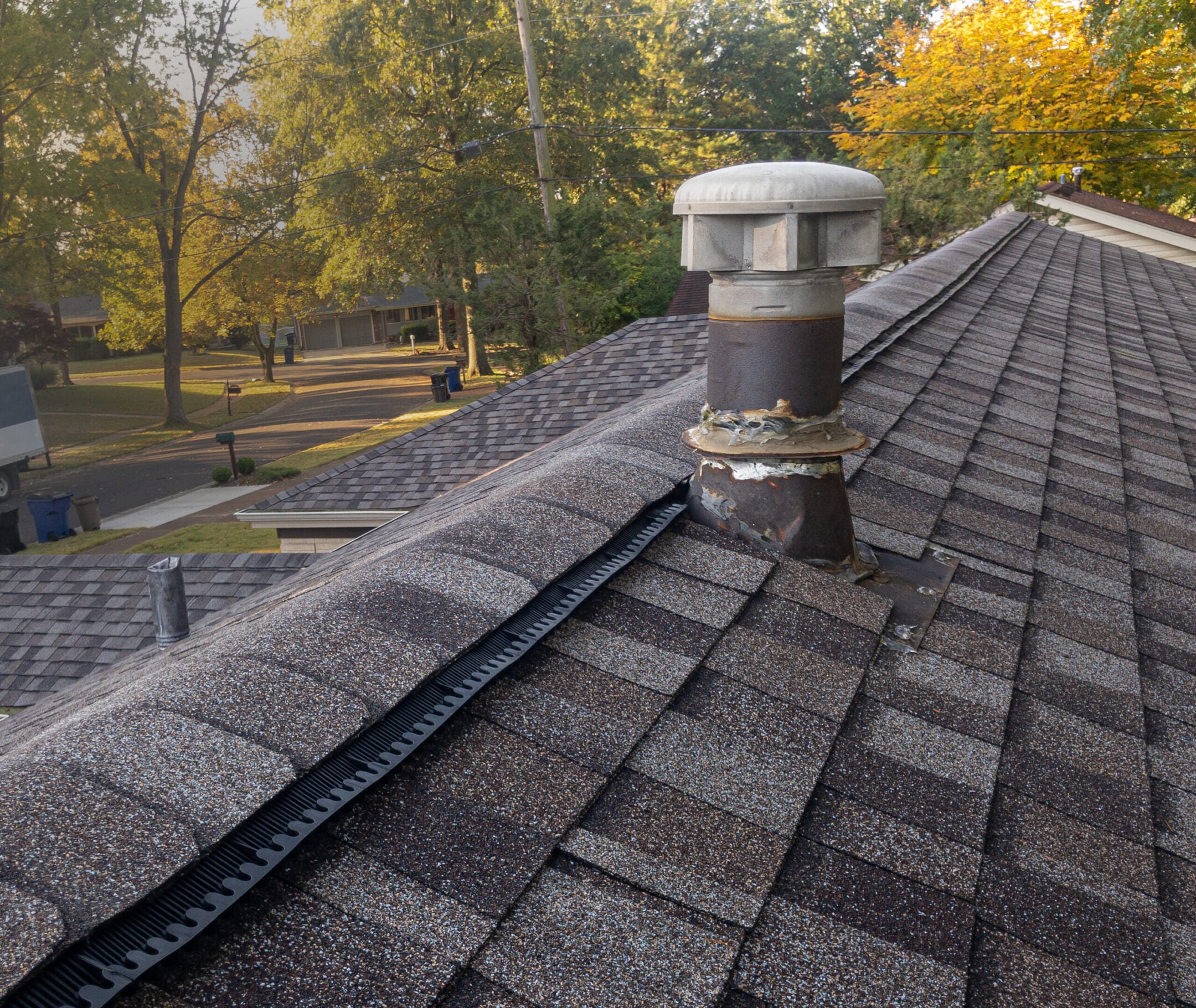
A ridge vent roof is one of the most effective ways to improve attic ventilation and protect the long-term performance of your roofing system. Installed along the peak of the roof, ridge vents act as a form of exhaust ventilation, allowing warm, moist air to escape while drawing in cooler air from intake vents below. This continuous airflow helps regulate temperature, reduce moisture buildup, and keep the entire attic properly ventilated.
- Continuous ventilation system: Runs along the roof peak for even airflow
- Energy efficiency support: Helps regulate attic temperatures
- Moisture control: Reduces condensation and mold risk
- Low-profile design: Blends seamlessly with roof shingles
- Long-term protection: Supports overall roofing system performance
Understanding how ridge vents work, the types available, and proper installation methods can help homeowners make informed decisions about their roofing system.
What Is a Ridge Vent Roof?
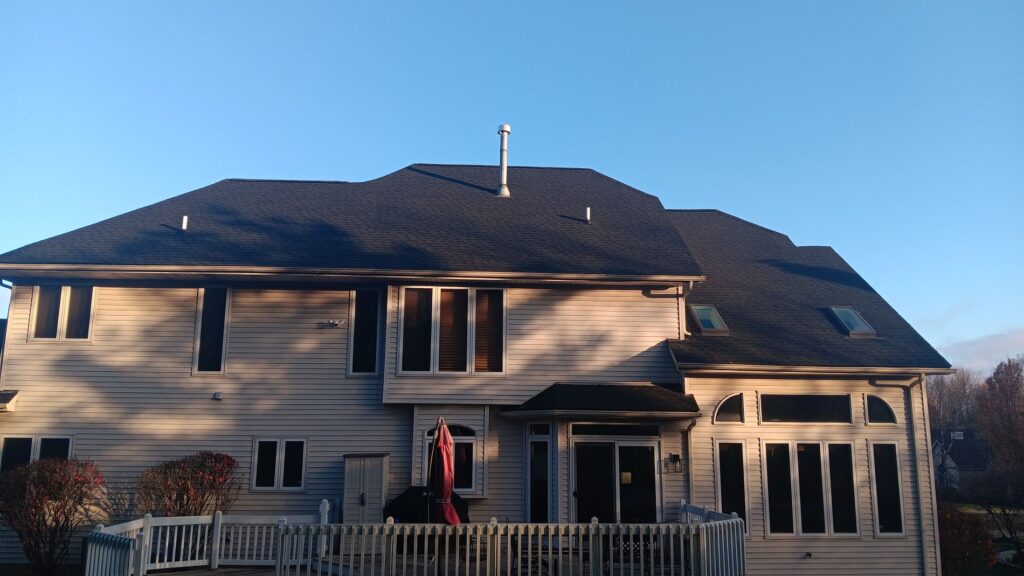
A ridge vent roof uses a specialized vent installed along the ridge line of the roof to allow hot air to escape from the attic. This system works as part of a balanced ventilation setup, typically paired with soffit vents that allow cooler air to enter while exhaust ventilation removes trapped heat.
Without proper airflow, heat and moisture can build up inside the attic, increasing the risk of shingle damage, mold growth, and even a roof leak over time. Ridge vents help prevent these issues by creating a natural flow of air through the attic space.
Because ridge vents run along the entire peak of the roof, they provide more consistent ventilation compared to other types of vents. This helps ensure the attic remains properly ventilated across the entire roof surface.
3 Types of Ridge Vent Systems
There are several types of ridge vent systems available, each designed to meet different roofing needs and preferences.
1. Shingle-Over Ridge Vents
Shingle-over vents are the most common type and are designed to blend in with the roof.
- Low-profile appearance: Covered with matching roof shingles
- Consistent airflow: Provides even ventilation along the ridge
- Aesthetic appeal: Maintains a clean roofline
These are ideal for homeowners who want effective ventilation without changing the look of their roof.
2. Metal Ridge Vents
Metal ridge vents are typically used on metal roofing systems and offer enhanced durability.
- Durable construction: Designed for metal roof applications
- Weather resistance: Holds up well in harsh conditions
- Strong airflow performance: Supports consistent exhaust ventilation
3. External Baffle Ridge Vents
These vents include a raised baffle that helps improve airflow performance.
- Enhanced airflow design: Helps pull air from the attic
- Wind resistance: Reduces the chance of rain or snow entering
- Improved efficiency: Supports better ventilation overall
Benefits of a Ridge Vent Roof
Installing a ridge vent roof offers several advantages that go beyond basic ventilation. These systems play a key role in maintaining the health of your entire roofing structure.
Improved Attic Ventilation
Ridge vents create continuous airflow that helps remove hot air from the attic. This keeps the space properly ventilated and prevents excessive heat buildup during warmer months.
Moisture and Condensation Control
Proper ventilation helps reduce moisture accumulation in the attic. This can prevent issues like mold growth, wood rot, and insulation damage over time, which can otherwise contribute to a roof leak if left unaddressed.
Extended Roof Lifespan
Excess heat and moisture can shorten the lifespan of roofing materials. Ridge vents help protect shingles and other components by maintaining a balanced attic environment.
Energy Efficiency
By reducing heat buildup in the attic, ridge vents can help lower cooling costs during warmer months. A properly ventilated attic supports more consistent indoor temperatures.
Low-Profile Appearance
Ridge vents are designed to blend into the roofline, making them less noticeable than other ventilation systems while still providing effective performance.
Ridge Vent Installation Guide
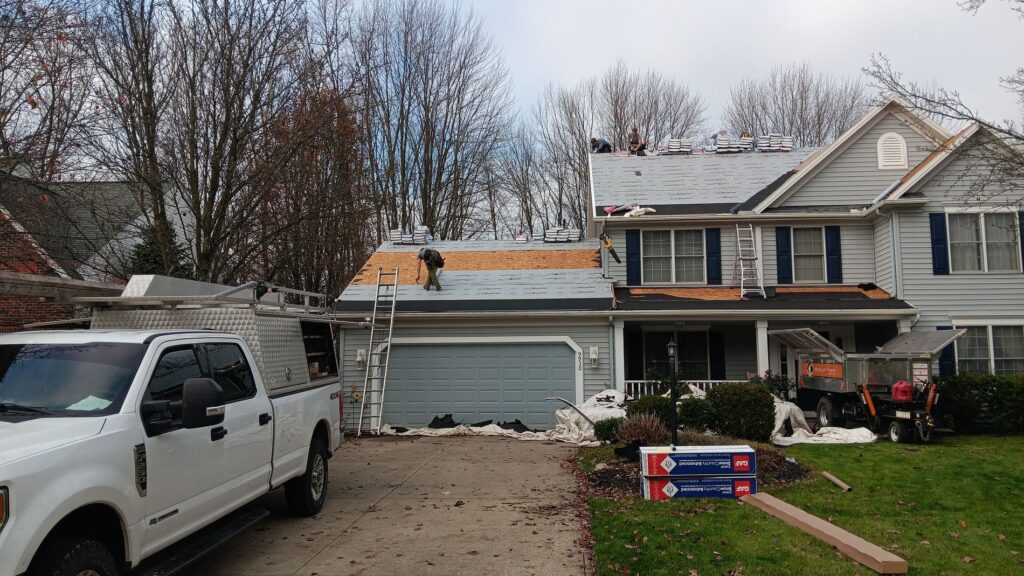
Proper installation is critical to ensure ridge vents function correctly and provide long-term benefits. Installation typically takes place during a roof replacement or new construction project.
Step 1: Preparing the Roof Ridge
The roofing contractor cuts a slot along the ridge of the roof to allow air to escape. This opening must be properly sized to ensure effective exhaust ventilation.
Step 2: Installing the Vent System
The ridge vent is placed over the opening and secured to the roof deck. The vent must be aligned properly to maintain consistent airflow along the entire ridge.
Step 3: Sealing and Covering
For shingle-over systems, shingles are installed over the vent to protect it and maintain the appearance of the roof. Proper sealing helps prevent water intrusion and reduces the risk of a leak forming over time.
Step 4: Ensuring Balanced Ventilation
Ridge vents work best when paired with intake vents, such as soffit vents. This balance allows fresh air to enter while warm air exits, keeping the attic properly ventilated year-round.
Improper installation can reduce the effectiveness of the vent and lead to ventilation issues, so it is important to work with an experienced roofing professional.
Ridge Vent vs Other Roof Ventilation Options
Ridge vents are often compared to other ventilation systems used in residential roofing.
- Box vents: Installed in sections rather than continuously
- Turbine vents: Use wind to pull air out of the attic
- Power vents: Use electricity to force airflow
Ridge vents provide more consistent exhaust ventilation across the entire roof, making them one of the most effective options when properly installed.
Frequently Asked Questions About Ridge Vent Roofs
Understanding how ridge vents work can help homeowners make better decisions about roof ventilation.
Do ridge vents work in all climates?
Yes, ridge vents are effective in most climates when installed as part of a balanced, properly ventilated roofing system.
Can ridge vents be added to an existing roof?
Yes, ridge vents can often be installed during a roof replacement or retrofit, depending on the roof structure.
Are ridge vents better than box vents?
Ridge vents typically provide more consistent airflow because they run along the entire ridge of the roof.
Do ridge vents require maintenance?
Ridge vents generally require minimal maintenance but should be inspected periodically to ensure they remain clear and functional.
Improve Roof Ventilation with Buckeye State Roofing
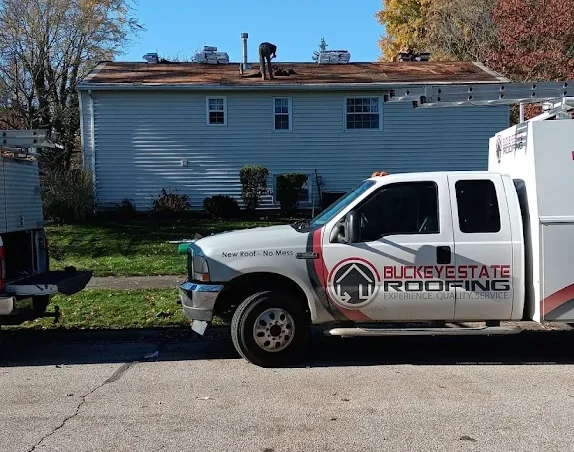
Proper ventilation is essential for maintaining the performance and longevity of your roofing system. A ridge vent roof can help regulate temperature, reduce moisture, and protect your home from long-term damage.
Buckeye State Roofing provides expert roof installation, replacement, and ventilation solutions throughout Northeast Ohio. Contact our team today to learn more about ridge vent systems and how they can improve your roof.
