
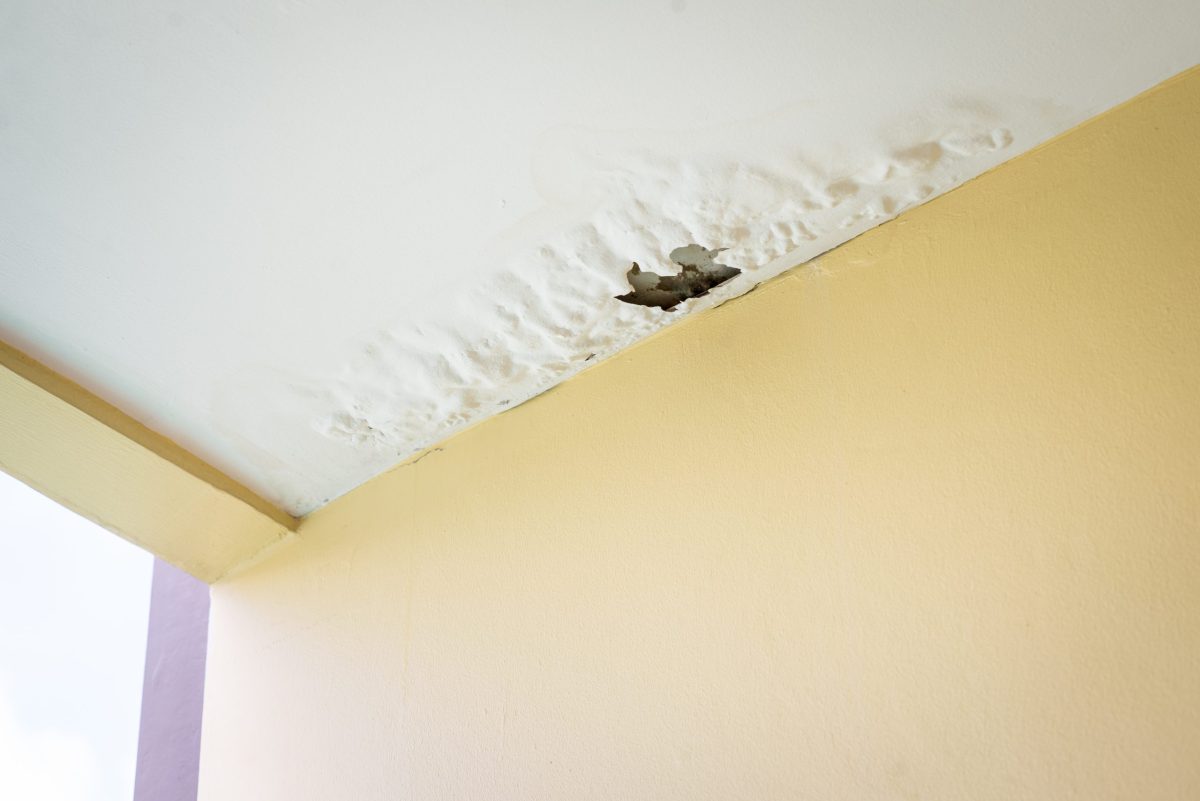
Roof Leak Repair: 7 Warning Signs & When to Call a Pro
7/07/26
8 Min Read
A small stain on the ceiling might not seem like a big deal, but it is often the first clue that your home needs roof leak repair before the damage spreads. Water has a way of traveling far from its original entry point, quietly soaking insulation, framing, and drywall long before you notice a drip. For homeowners in Strongsville and surrounding areas, catching the warning signs early can mean the difference between a simple patch and a full roof replacement down the road. This guide walks through the signs to watch for and when it’s time to bring in a professional.
In this post, you’ll learn:
- The most common warning signs that point to a roof leak
- Why leaks tend to get worse the longer they go unaddressed
- The typical causes behind roof leaks in Northeast Ohio homes
- Steps to take the moment you spot water damage
- How to decide between a DIY fix and calling a professional roofer
Why Addressing Roof Leaks Quickly Matters
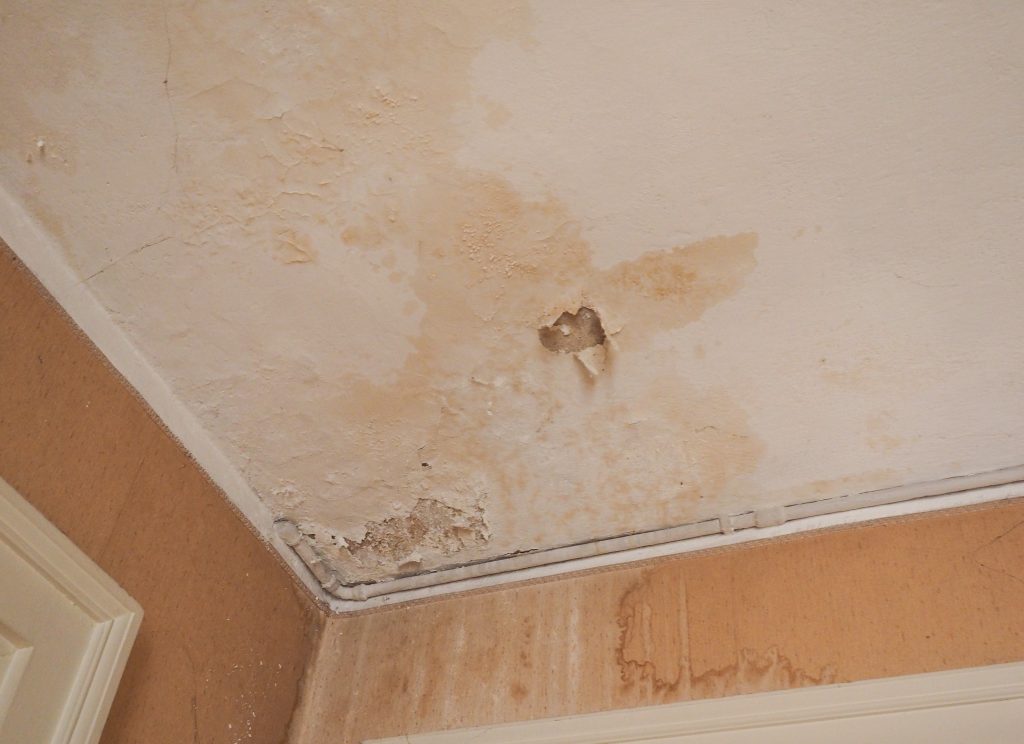
Roof leaks rarely stay small. What starts as a minor drip during a storm can turn into rotted decking, mold growth, and a compromised ceiling if it’s left alone. Homeowners in Strongsville and surrounding areas deal with heavy snow, freeze-thaw cycles, and seasonal storms that can all worsen an existing leak in a matter of weeks. Understanding the stakes helps explain why fast action pays off.
- Structural protection: Water that seeps into your attic or walls weakens wood framing and decking over time, which can lead to sagging or costly structural repairs.
- Health and air quality: Trapped moisture creates the perfect environment for mold and mildew, both of which can affect indoor air quality and trigger allergies.
- Energy efficiency: Wet insulation loses its ability to regulate temperature, which means your furnace or air conditioner has to work harder and your utility bills climb.
- Home value protection: Visible water stains, warped ceilings, or a history of leaks can lower your home’s resale value and raise red flags during inspections.
- Cost control: A leak caught early might only need a targeted repair, while a leak left untreated for months can require replacing large sections of your roof.
7 Warning Signs Your Roof Needs Leak Repair
Not every leak announces itself with a steady drip. Many start out subtle, showing up as small changes you might dismiss at first glance. Below are the seven most common warning signs homeowners should watch for throughout the year.
1. Water Stains on Ceilings or Walls
Brown or yellowish rings on your ceiling are one of the clearest signs that water is finding its way into your home. These stains often appear directly below the source of the leak, but water can also travel along rafters before dripping somewhere else entirely.
- Check ceilings after heavy rain or snowmelt
- Look near light fixtures, vents, and chimneys where leaks commonly start
- Note whether the stain grows larger over time, which signals an active leak
2. Missing, Cracked, or Curling Shingles
Shingles act as your roof’s first line of defense against the elements. When they crack, curl at the edges, or go missing entirely, the underlayment beneath is left exposed to wind-driven rain and snow.
- Walk your property line after storms to scan for shingles in the yard
- Look for shingles that appear discolored or granule-bare
- Pay close attention to areas around vents and roof valleys
3. Sagging Rooflines or Ceiling Areas
A roofline that dips or a ceiling that feels soft to the touch usually means water has been sitting in that area for a while. This is one of the more serious warning signs since it often points to weakened decking or framing underneath.
- Press gently on suspicious ceiling spots to feel for give
- Look for visible dips when viewing your roof from the street
- Treat sagging as a priority since it can indicate an imminent collapse risk
4. Damaged or Deteriorating Flashing
Flashing is the metal material installed around chimneys, skylights, and vents to seal seams where water could otherwise sneak in. Once flashing rusts, cracks, or pulls away from the surface, those joints become prime spots for leaks.
- Inspect flashing around any roof penetration, including chimneys and pipe vents
- Watch for gaps where flashing has separated from the roofline
- Consider flashing repair anytime you notice interior leaks near a chimney
5. Granules Collecting in Gutters
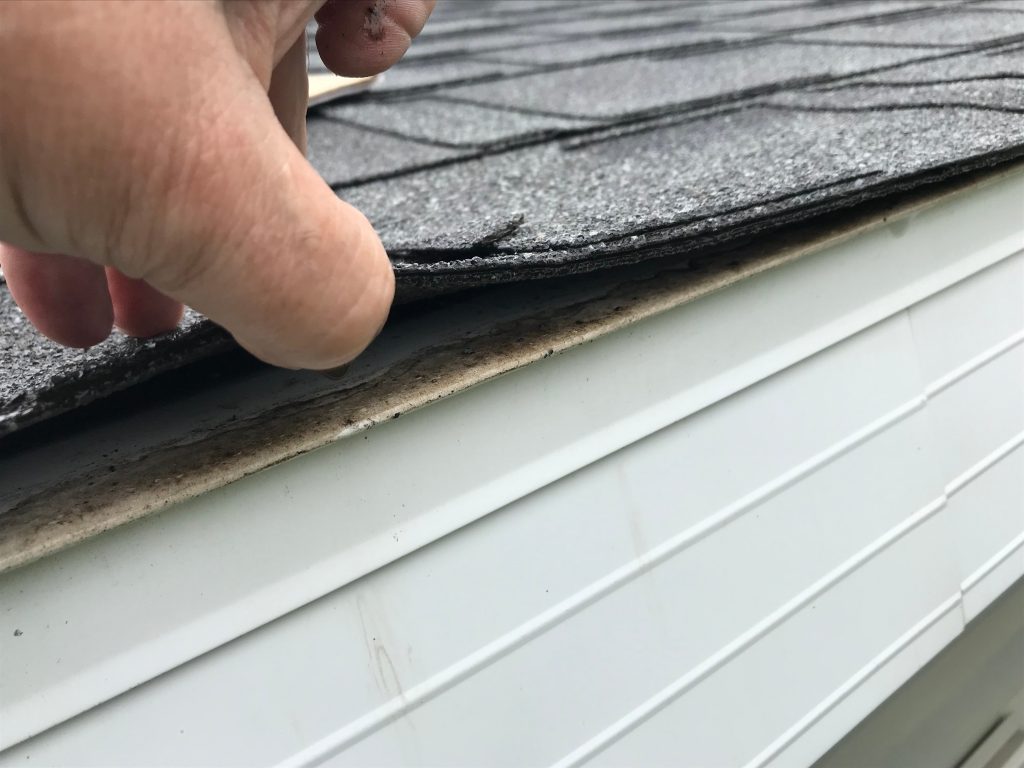
Asphalt shingles shed granules naturally as they age, but a sudden increase usually means the shingles are wearing down faster than expected. Once too many granules are lost, shingles lose their ability to block moisture.
- Check gutters and downspouts after cleaning for granule buildup
- Compare granule loss to the age of your current roof
- Treat heavy granule loss as a sign your roof may need a full inspection
6. Higher Than Usual Energy Bills
A leak doesn’t just damage building materials, it can also let conditioned air escape and outside air in. If your heating or cooling bills have crept up without an obvious reason, moisture-damaged insulation could be part of the problem.
- Compare recent utility bills to the same months last year
- Ask your HVAC technician if they’ve noticed anything unusual during routine service
- Combine this clue with other warning signs rather than relying on it alone
7. Mold, Mildew, or Musty Odors
A musty smell in your attic or upper rooms is often the earliest sign of a hidden leak, especially if you haven’t spotted visible water damage yet. Mold thrives in the dark, damp conditions created by a slow, ongoing leak.
- Check attics and closets on upper floors for unusual odors
- Look for dark spots or fuzzy growth on wood, drywall, or insulation
- Address musty smells right away since mold can spread quickly once established
What to Do the Moment You Spot a Leak
Finding a leak can feel stressful, but the steps you take in the first hour or two can limit the damage significantly. Here’s how homeowners in Strongsville and surrounding areas should respond when water starts coming through.
- Contain the water: Place a bucket or container under the drip and move any furniture or electronics out of the way.
- Relieve ceiling pressure: If you notice a bulge forming in the ceiling, carefully poke a small hole in the center to let trapped water drain in a controlled way rather than causing a larger collapse.
- Document the damage: Take photos and videos of the affected areas for insurance purposes before you begin any cleanup.
- Ventilate the space: Run fans or open windows if weather allows to reduce the chance of mold taking hold while you wait for repairs.
- Avoid the temptation to climb up during a storm: Wet, slick roofs are dangerous, and leak tracing is best left for calm, dry conditions.
- Call a professional promptly: Even a temporary tarp or seal is best handled by someone experienced with roof systems, since improper patches can trap moisture instead of releasing it.
DIY Patch or Professional Roof Leak Repair? What to Consider

It’s tempting to grab a tube of roofing sealant and handle a leak yourself, and for very minor issues that can work as a short-term fix. But roof leaks are often more complicated than they appear on the surface, and a mismatched repair can actually make the underlying problem worse. The table below breaks down when each approach makes sense.
| Situation | DIY Approach | Professional Repair |
| Small, visible crack in caulking around a vent | Reasonable short-term fix | Recommended for a lasting seal |
| Water stain with unknown source | Not recommended | Necessary to trace the true entry point |
| Missing shingles after a storm | Temporary tarp only | Needed for proper reshingling |
| Sagging ceiling or rooflines | Not recommended | Urgent professional evaluation required |
| Leak near chimney or skylight flashing | Not recommended | Specialized flashing work required |
| Recurring leak in the same spot | Not recommended | Full inspection to find root cause |
A few additional points to weigh before deciding:
- Warranty considerations: DIY repairs can sometimes void manufacturer warranties on shingles or underlayment.
- Safety risk: Roof work carries real fall risk, especially on steep pitches or wet surfaces.
- Hidden damage: A visible leak often represents only a fraction of the actual water intrusion, and a trained eye can catch what homeowners miss.
- Long-term cost: Paying for a proper repair once is typically less expensive than repeated DIY attempts that don’t solve the underlying issue.
Protect Your Home With Trusted Roof Leak Repair
A roof leak left unchecked rarely gets better on its own. Whether you’re noticing a fresh water stain, missing shingles after a storm, or a musty smell in the attic, the sooner you address it, the more you’ll save in both money and stress. Homeowners throughout Strongsville and surrounding areas trust experienced roofers to find the true source of a leak and fix it right the first time, rather than papering over the symptoms.
If you’re dealing with any of the warning signs above, don’t wait for the problem to grow. Contact us today and let the team at Buckeye State Roofing inspect your roof, pinpoint the issue, and get it repaired with lasting results you can count on.
