
Roof Moss Removal (5 DIY Solutions That Work)
4/09/26
6 Min Read
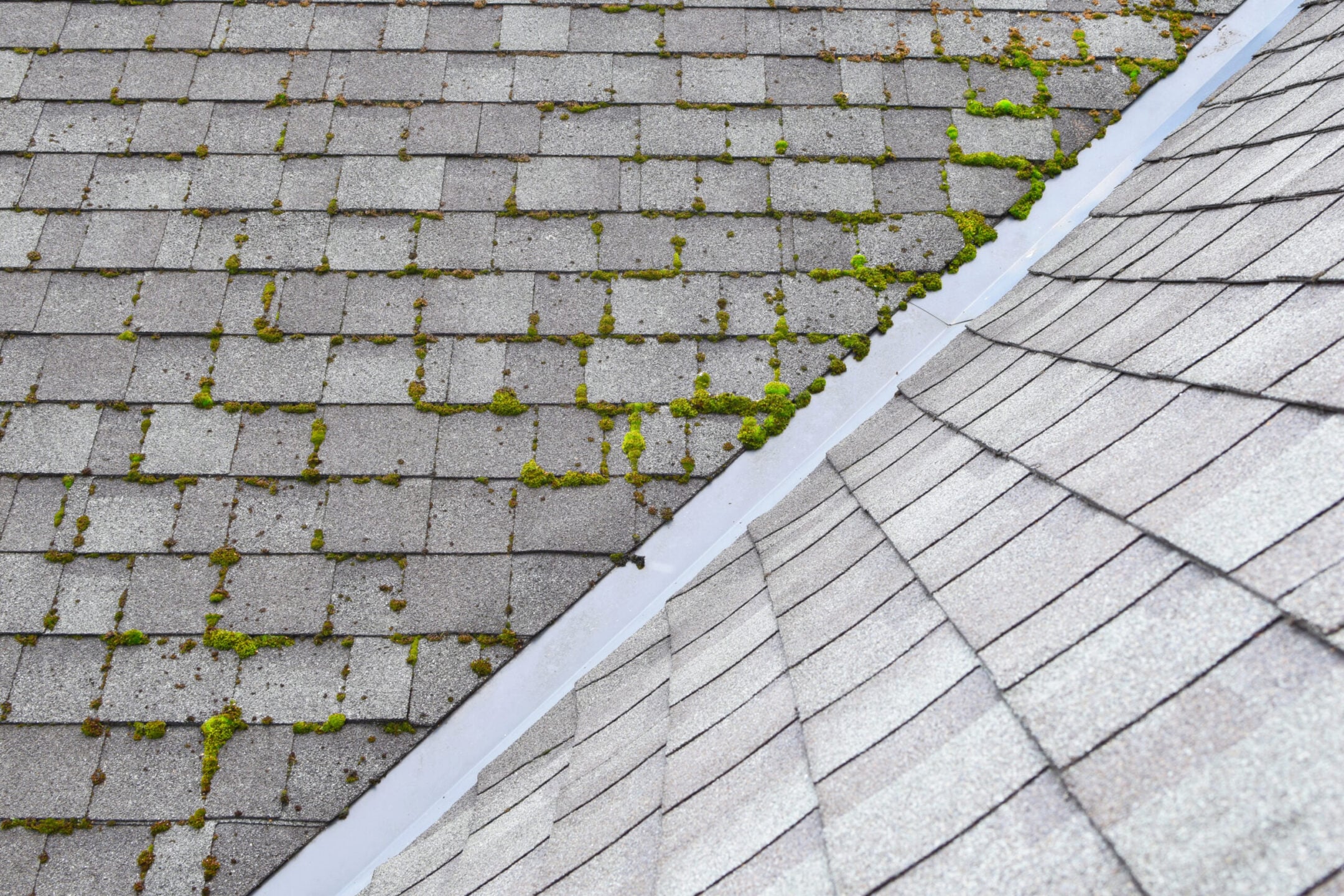
Dealing with moss buildup? roof moss removal is an important part of maintaining your roof’s lifespan and preventing moisture-related damage. Moss may look harmless, but it can trap water against roofing materials and lead to long-term issues if left untreated. Over time, this trapped moisture can weaken shingles, promote rot, and even lead to leaks inside the home. This is especially common on an asphalt shingle roof where moisture can sit between granules and layers.
- Moisture retention risk: Moss holds water against shingles
- Shingle damage: Can lift and weaken roofing materials
- Curb appeal impact: Creates uneven, discolored roof surfaces
- Growth spread: Moss can quickly expand across the roof
- Preventative maintenance: Regular care protects roof performance
Understanding how to safely clean and treat roof surfaces can help homeowners protect their roofing system and avoid costly repairs.
What Causes Moss Growth on Roofs?
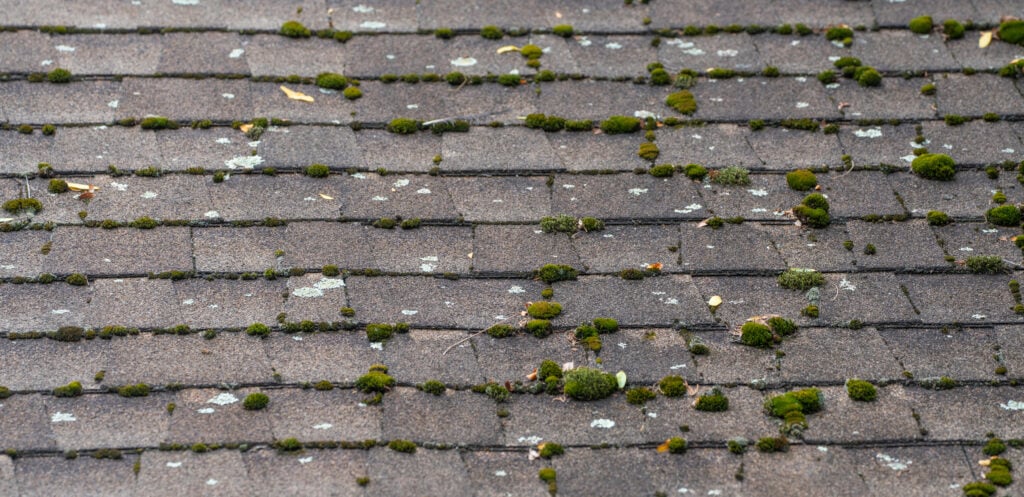
Moss tends to grow in damp, shaded areas where moisture lingers. Roof sections that receive little sunlight or have poor drainage are especially vulnerable. Over time, organic debris like leaves and dirt can create the perfect environment for moss to take hold and spread. A moss covered roof is often the result of long-term moisture combined with limited airflow.
Common causes include:
- Shaded roof areas: Trees block sunlight and slow drying
- Excess moisture: Poor drainage or humid conditions
- Debris buildup: Leaves and dirt trap moisture
- North-facing slopes: Less sun exposure encourages buildup
In many cases, moss presence is a sign that a shingle roof is not drying properly between rainfalls. Addressing these conditions is key to preventing it from returning after treatment and maintaining long-term roof health.
5 DIY Roof Moss Removal Methods
Cleaning a roof safely is essential to avoid damaging materials. While DIY methods can be effective, they must be done carefully to prevent unnecessary wear on shingles and other roofing components. These approaches work best for minor moss growth and routine maintenance.
1. Gentle Brushing
Using a soft wire brush or soft-bristle brush, moss can be lightly removed from the roof surface. Always brush downward to avoid lifting shingles.
- Soft pressure: Prevents damage to shingles
- Downward motion: Keeps shingles intact
- Best for light buildup: Not ideal for heavy coverage
This method works best for small areas and should be done slowly to avoid loosening granules from an asphalt shingle roof.
2. Garden Hose Rinse
A standard garden hose can help wash away loose debris without the risk of damage caused by high pressure washing.
- Low pressure cleaning: Safe for most roofing materials
- Removes loose debris: Helps clear surface buildup
- Avoid pressure washers: Can damage shingles
Rinsing can be a helpful follow-up step after brushing to remove excess debris and improve roof appearance.
3. Moss Treatment Solutions
Specialized products are designed to treat roof surfaces and prevent regrowth.
- Targeted treatment: Works at the root level
- Follow instructions: Prevents roof damage
- Even application: Ensures consistent results
These products are often the most effective option for moderate buildup and can help slow future issues when applied correctly.
4. DIY Vinegar Solution
A mixture of vinegar and water can be used as a natural option for smaller areas.
- Natural solution: Less harsh than chemicals
- Spot treatment: Works best on small patches
- Rinse after use: Helps protect roofing materials
While effective, vinegar should be used carefully to avoid affecting surrounding landscaping or nearby surfaces.
5. Zinc or Copper Strips
Installing copper or zinc strips along the roof ridge can help prevent buildup from returning.
- Rain activated protection: Releases particles that inhibit growth
- Long-term solution: Reduces future buildup
- Low maintenance: Works over time with rainfall
These strips provide ongoing protection and are often used as a preventative step after cleaning.
Safety Considerations for DIY Roof Cleaning
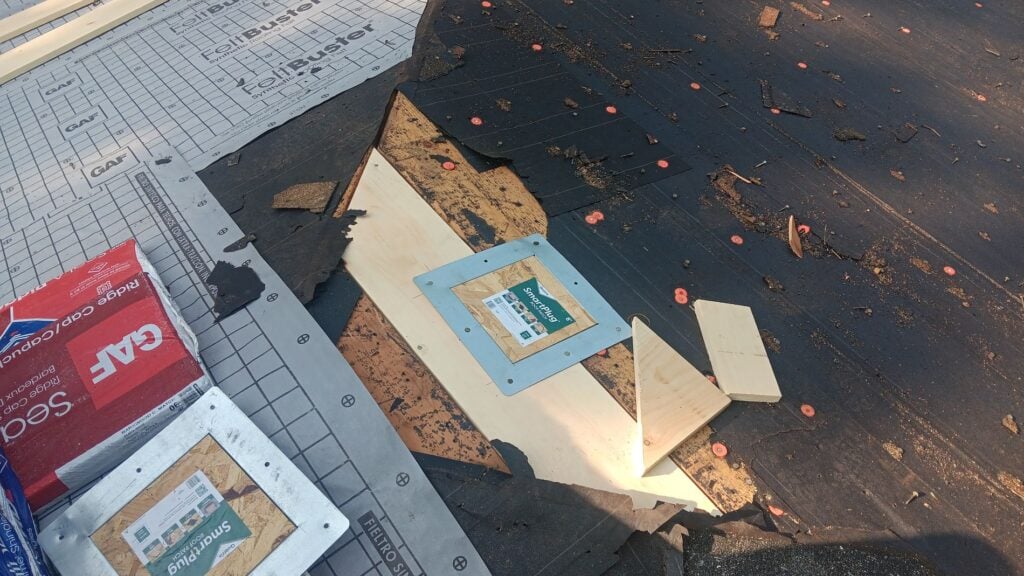
Roof work can be dangerous, especially when surfaces are wet or slippery. Taking proper precautions is essential before attempting any cleaning project. Even minor moss growth can create slick conditions that increase the risk of slipping.
- Use proper footwear: Prevents slipping on wet surfaces
- Work in dry conditions: Improves safety and stability
- Use a harness if needed: Adds protection on steep roofs
- Avoid walking excessively: Reduces risk of shingle damage
Homeowners should also consider ladder safety and avoid working alone. If conditions feel unsafe, it is best to avoid the risk and consult a professional.
When to Call a Roofing Professional
While DIY methods can work for smaller areas, more severe buildup may require professional attention. Improper techniques can damage shingles and shorten the lifespan of your asphalt shingle roof.
Signs you may need professional help include:
- Thick coverage: Difficult to remove safely
- Roof damage present: Shingles lifting or deteriorating
- Recurring issues: Indicates underlying problems
- Steep or complex roof design: Increases safety risks
Professional roofers can safely clean and treat roof surfaces while also identifying underlying issues such as poor ventilation, drainage concerns, or aging materials.
Frequently Asked Questions About Roof Moss Removal
Understanding the best approach to maintaining your roof can help prevent unnecessary damage and extend its lifespan. Here are answers to common questions.
Is moss really bad for my roof?
Yes, it can trap moisture against roofing materials, leading to shingle deterioration, wood rot, and potential leaks over time if not addressed.
Can I pressure wash moss off my roof?
No, pressure washing can damage shingles, remove protective granules, and shorten the lifespan of your roof. Low-pressure methods are always recommended.
How often should moss be addressed?
It depends on your environment, but roofs should be inspected regularly and cleaned as soon as buildup begins to develop.
Will it come back after cleaning?
It can return if underlying conditions like shade, moisture, and debris buildup are not addressed. Preventative measures are key.
Protect Your Roof with Buckeye State Roofing
Keeping your roof clear of buildup is an important part of maintaining its performance and longevity. While DIY solutions can help with minor issues, proper care and regular inspections are essential to preventing long-term damage.
Buckeye State Roofing proudly provides roof inspections, repairs, and replacement services throughout Northeast Ohio. Contact our team today to keep your roof in top condition year-round.
