
Roof Repair vs Replacement (6 Signs You Need A New Roof)
2/23/26
6 Min Read
Choosing between a roof repair vs replacement is a major decision for homeowners. Your roof plays a vital role in protecting your home, so when issues arise—whether it’s a few damaged shingles or widespread leaks—it’s important to evaluate the extent of the damage and determine the best long-term solution. Understanding the signs that point to repair versus full replacement can help you make a smart investment in your home’s safety and value.
- Cost savings: Know when repair is enough versus when full replacement is more cost-effective
- Preventative planning: Avoid escalating damage by recognizing early warning signs
- Material considerations: Different roofing types affect repair or replacement timelines
- Weather preparedness: Ensure your roof is ready for harsh conditions in Ohio
- Long-term value: Protect your home’s equity and resale potential
If you’re unsure which path to take, a trusted roofing company can help assess your roof’s condition and recommend the right approach.
Roof Lifespan and Common Failure Signs
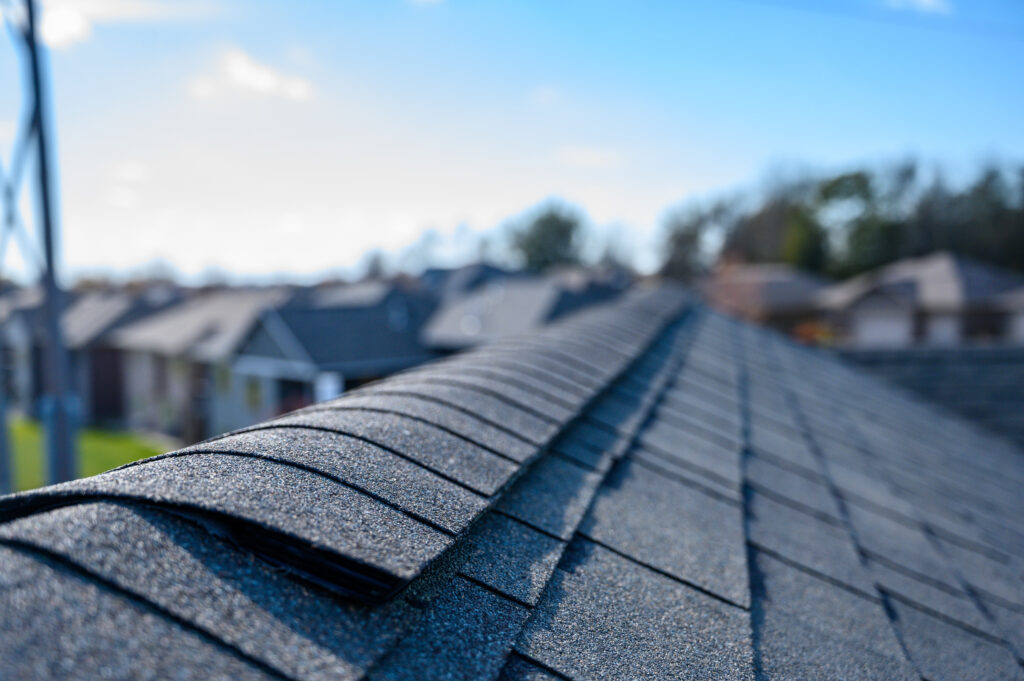
Every roofing system has an expected lifespan, and knowing where your roof stands can help you decide if you need a repair or a replacement. Asphalt shingles typically last 20–30 years, while metal and tile roofs may exceed 50 years. However, premature damage can happen due to weather, poor installation, or neglected maintenance.
The condition of the roof deck, shingles, and flashing all factor into your decision. Minor problems like a small leak or a few missing shingles may be handled with a quick repair, but structural issues or widespread damage are often better addressed with a new roof.
6 Signs You Need a Roof Replacement
Some roof problems go beyond basic repair. Below are six key indicators that it’s time to consider a full roof replacement.
1. Widespread Shingle Damage
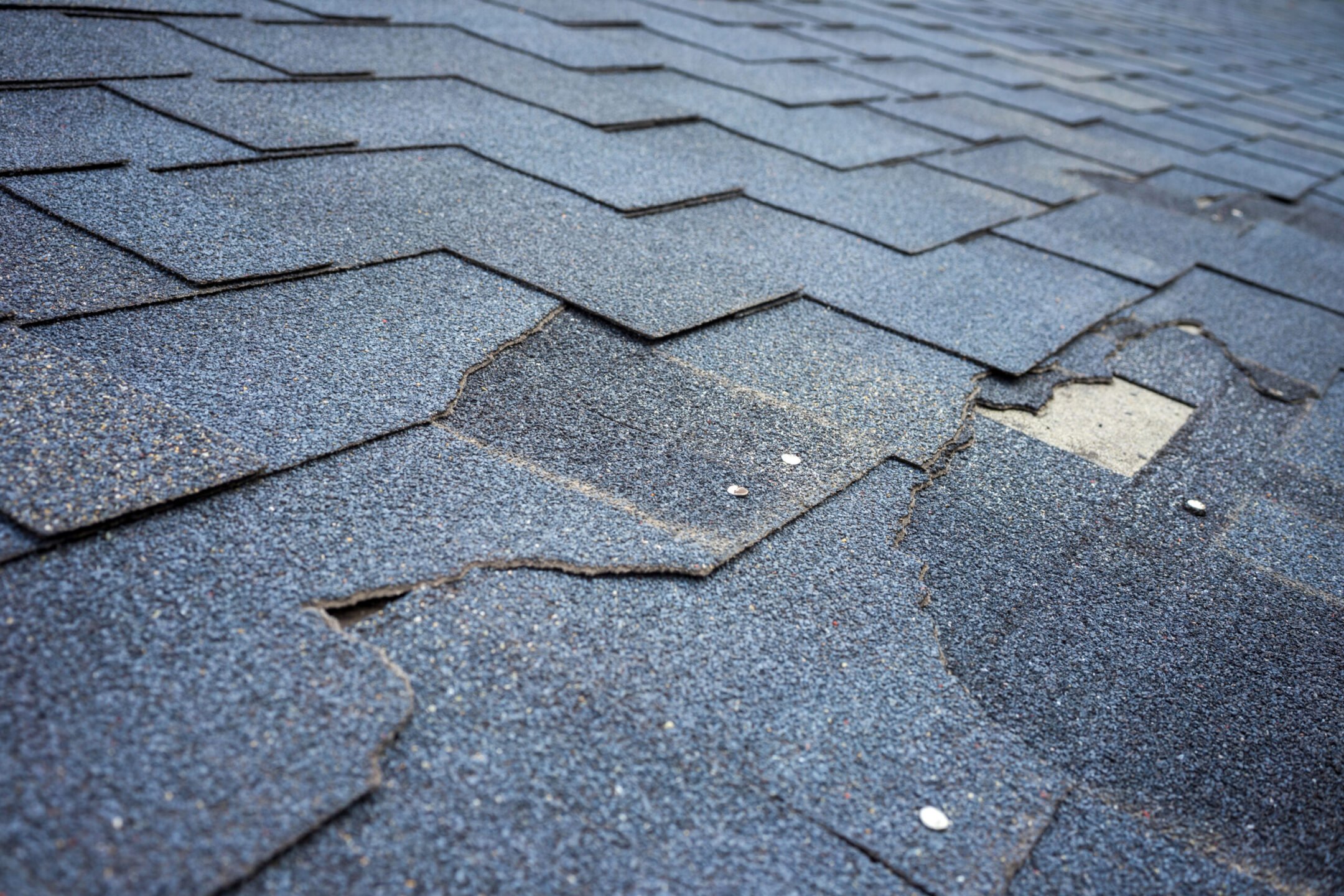
If large portions of your asphalt shingle roof are curling, cracking, or missing, the system has likely reached the end of its life.
- Granule loss: Excessive granules in gutters indicate aging shingles
- Patchy appearance: Inconsistent coloring and bare spots reduce effectiveness
- Structural exposure: Gaps allow moisture into the roof deck underneath
2. Recurring Leaks
Frequent roof leaks—even after recent repairs—signal underlying issues that repairs alone may not solve.
- Multiple leak points: Suggests systemic failure or poor previous installation
- Interior damage: Water stains on ceilings or walls may stem from roof penetrations
- Mold or mildew: A consistent sign of prolonged moisture intrusion
3. Sagging or Warped Roof Plane
A visibly sagging roof plane is often a sign of trapped moisture, rotting wood, or structural instability—none of which can be fixed with basic repairs.
- Soft spots: Dangerous to walk on, indicating rot beneath roofing material
- Uneven appearance: May signal damage to the underlying structure
- Weight issues: Snow, debris, or old layers can overload weakened framing
4. Extensive Storm or Hail Damage
After a major storm, especially one with hail or high winds, a roofing professional should inspect your home. If damage is widespread, a replacement may be more practical.
- Torn or lifted shingles: Compromise waterproofing
- Damaged flashing: Increases vulnerability at joints and edges
- Insurance claims: Sometimes replacement is covered under storm damage policies
5. Rising Energy Bills
Older roofs lose efficiency due to inadequate ventilation and insulation breakdown, allowing cool air to escape and UV radiation to penetrate more easily.
- Attic ventilation problems: Poor airflow increases HVAC strain
- Outdated materials: May not meet today’s energy-efficient standards
- Inconsistent indoor temperatures: Often tied to roofing performance
6. Multiple Repairs in Recent Years
If you’ve already paid for multiple repairs in a short period, it may be time to consider investing in a new roof instead of continuously patching a failing system.
- Cumulative costs: Repairs add up and don’t extend lifespan significantly
- Outdated roofing material: May no longer be compatible with current repair standards
- Better warranties: New roofs come with better coverage and long-term protection
Roof Repair vs Replacement: Cost, Time & Value
Here’s a quick comparison of roof repair versus full roof replacement to help you weigh the benefits and trade-offs:
| Factor | Roof Repair | Roof Replacement |
| Cost | Lower upfront cost | Higher investment, better long-term ROI |
| Timeline | 1–2 days for most repairs | 3–7 days depending on size and material |
| Coverage | Limited to affected areas | Covers entire roof system |
| Longevity | Temporary fix | 20–50 years depending on material |
| Warranty | Often limited or none | Manufacturer and workmanship coverage |
| Energy Efficiency | Unchanged or minimally improved | Modern materials increase performance |
When Is Roof Repair the Right Choice?
Not every issue calls for replacement. In some cases, repairs offer excellent value—especially when the rest of the roof is still in good condition.
- Isolated damage: A few missing or torn shingles can be replaced easily
- Flashing or sealant failure: Repairing roof penetrations can stop active leaks
- Budget constraints: Repair is a cost-effective short-term solution
- Newer roofs: Systems under 10 years old are often better candidates for repair
A roofing contractor can help determine if repairs are sufficient or if underlying issues make replacement the better option.
How a Roofing Professional Can Help
A professional inspection provides clarity and confidence. During a roof assessment, a licensed contractor will evaluate the overall condition, examine the roof deck underneath, and check for signs of failure not visible from the ground.
They can also help estimate installation costs, compare roofing materials, and provide insight into local weather risks in places like Strongsville, OH. Their experience ensures that any roofing project—from quick repairs to full replacements—is completed to code using the best practices and materials.
Frequently Asked Questions About Roof Repair vs Replacement
Here’s a quick guide to help you clarify some of the most common concerns about choosing between roof repair and replacement. Understanding these answers can make your next roofing decision more confident and cost-effective.
Can I repair a metal roof instead of replacing it?
Yes, depending on the issue. For example, a corrugated metal panel with isolated rust can be repaired. However, widespread rust or fastener failure may require full metal roof replacement.
How much does a new roof cost?
Metal roofing prices vary based on material and slope, while asphalt shingles remain the most affordable. Your total metal roof cost or shingle replacement cost depends on size, complexity, and labor.
What’s the average lifespan of a roof?
Most asphalt roofs last 20–30 years, while metal roofing installation can last 40–70 years with proper maintenance.
Is roof repair covered by insurance?
Repairs due to storm damage or sudden accidents are often covered. However, wear-and-tear or poor maintenance is usually excluded.
Make the Smart Choice with Buckeye State Roofing
Choosing between repair and replacement depends on the age, condition, and performance of your roof. If you’re noticing recurring leaks, energy loss, or damage after a storm, a new roof may offer better value, protection, and peace of mind.
We’re proud to serve homeowners in Strongsville, OH, and nearby communities with expert roof inspections, repair guidance, and full roof replacements. Contact Buckeye State Roofing today to schedule your inspection and make the right decision for your home.
