
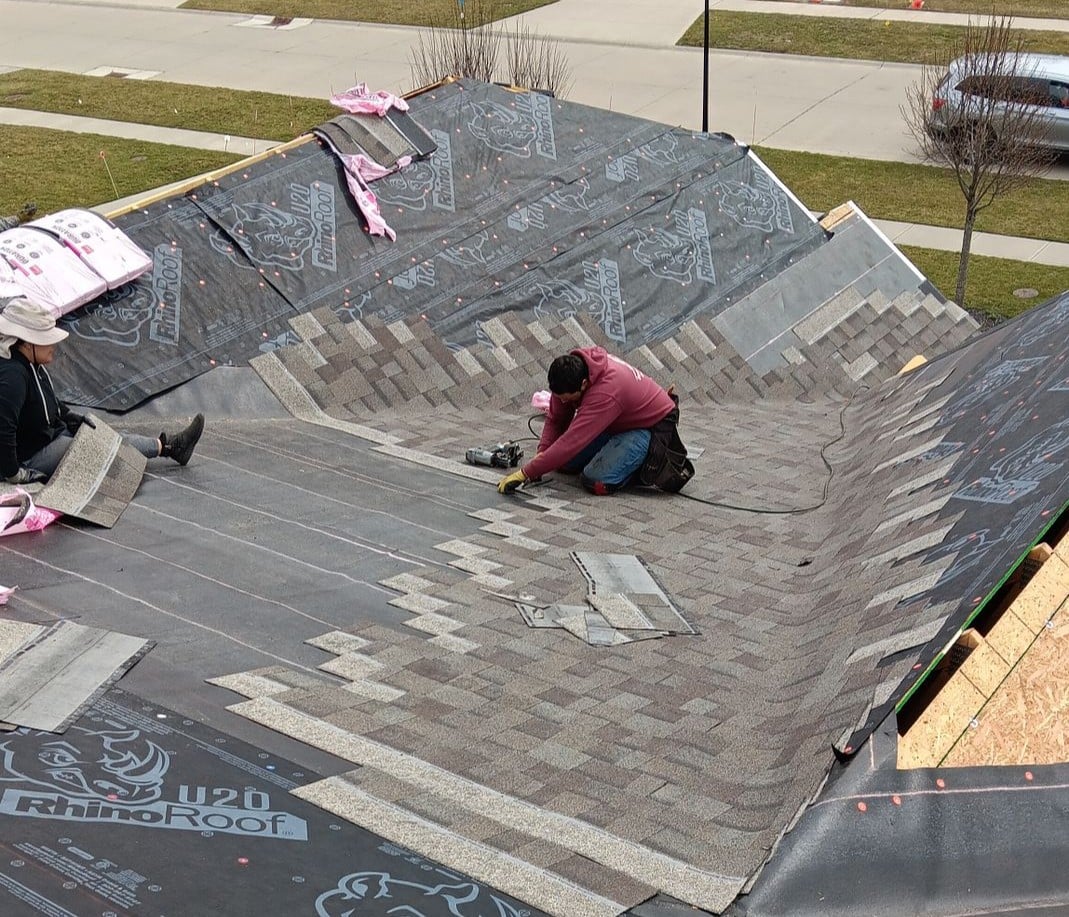
Roof Replacement Cost: What Impacts Pricing In 2026
5/14/26
7 Min Read
Understanding roof replacement cost is important for homeowners planning a roofing project in 2026. While many people focus on the final price alone, several factors influence the actual cost of replacing a roof, including roofing materials, labor, roof size, and structural conditions.
- Material selection: Different roofing systems vary in price
- Roof size and complexity: Larger roofs increase labor and material costs
- Labor expenses: Installation requirements affect overall pricing
- Structural condition: Repairs beneath the roof can increase costs
- Long-term value: Quality materials impact lifespan and maintenance
Knowing what affects pricing helps homeowners prepare financially and make informed decisions about their roofing investment.
What Is Included In Roof Replacement Cost?
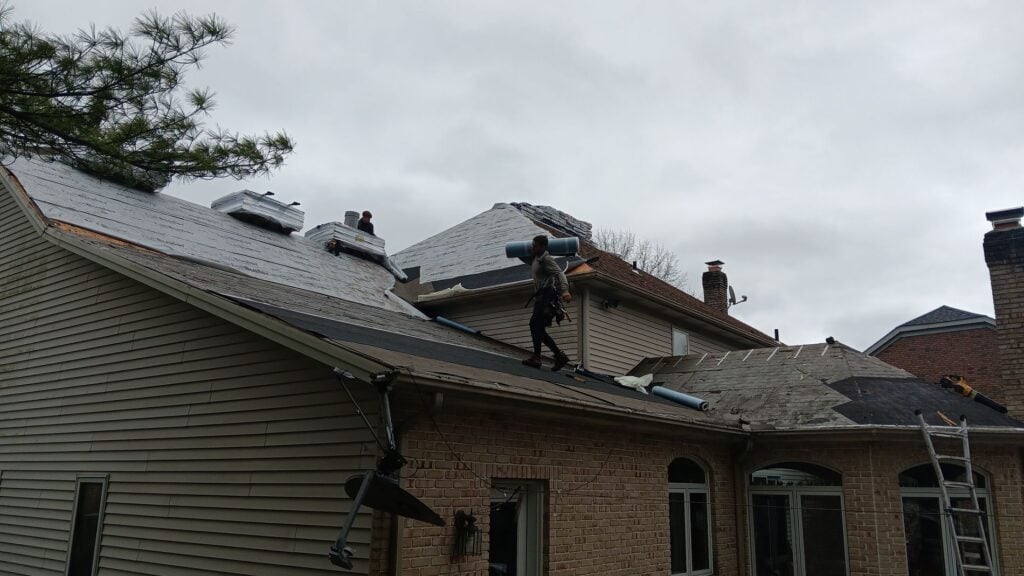
A roof replacement project includes far more than just shingles or roofing material. The total cost often covers tear-off labor, underlayment, flashing, ventilation upgrades, cleanup, disposal fees, and installation of the new roofing system.
Roofing contractors also inspect the roof deck and underlying structure during the replacement process. If hidden damage or moisture issues are discovered, additional repairs may be necessary before the new roof installation can begin.
The average roof replacement cost is often calculated by square foot, meaning larger homes and more complex roofing systems generally require higher budgets. Because every home is different, roof replacement costs vary depending on the scope of work and roofing system selected.
8 Factors That Impact Roof Replacement Cost
Several major factors influence the final cost of a roofing project. Understanding these variables helps homeowners better estimate potential expenses.
1. Roofing Material Type
The type of roofing material chosen has one of the biggest impacts on project pricing. Asphalt shingles are generally considered the most affordable roofing material, while metal shingles, slate, and tile systems typically cost more.
An asphalt shingle roof remains one of the most common residential roofing choices because it balances durability and affordability.
- Asphalt shingles: Lower upfront cost
- Metal shingles: Higher durability and lifespan
- Tile or slate roofing: Premium material pricing
2. Roof Size
Larger roofs require more materials, labor, and installation time, which directly increases project cost.
Roofing contractors calculate pricing based on square foot measurements and the amount of roofing material required for the entire roof.
- More materials needed: Increases total expense
- Additional labor: Larger projects take longer
- Waste factor: Extra materials may be required
3. Roof Complexity
Roof complexity significantly impacts labor costs and installation difficulty. Roof slope, multiple valleys, skylights, and chimneys all increase the amount of detailed work required.
More complex roofing systems also increase safety requirements and installation time.
- Steep roof slope: Increases labor difficulty
- Roof penetrations: Require additional flashing work
- Complex layouts: Extend installation timeline
4. Roof Deck Condition
During the replacement process, contractors inspect the roof deck for signs of water damage or structural deterioration.
If the underlying structure is compromised, repairs may be necessary before the new roof installation can begin.
- Moisture damage: Weakens decking materials
- Structural repairs: Increase labor and material costs
- Hidden issues: Often discovered after tear-off
5. Labor Costs
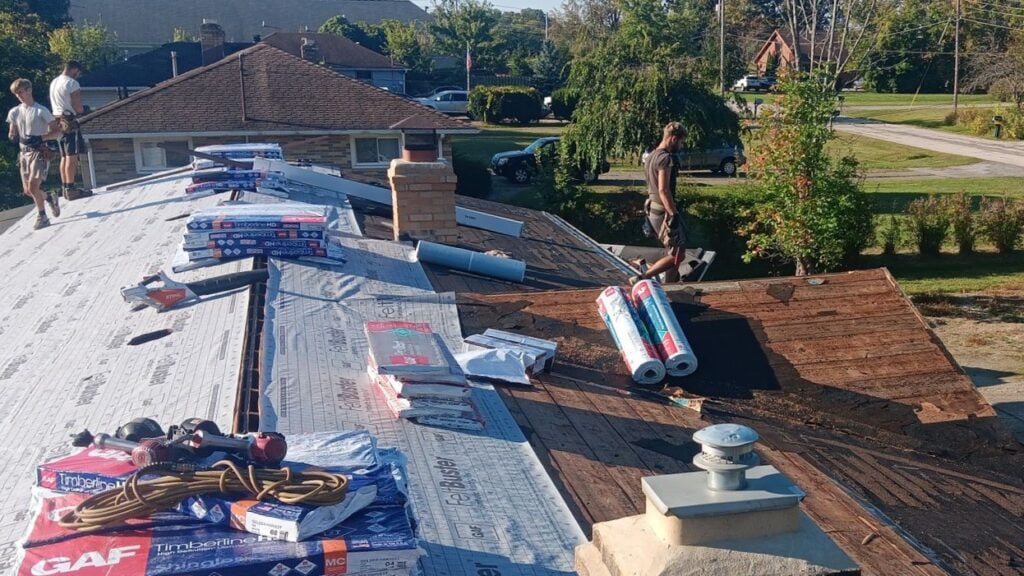
Labor rates vary depending on project difficulty, roof accessibility, and regional market conditions.
Experienced roofing contractors may charge higher rates, but quality workmanship often reduces long-term repair expenses and unexpected installation costs later.
- Installation difficulty: Impacts labor hours
- Crew size: Larger projects may require additional workers
- Regional pricing: Costs vary by location
6. Removal Of Existing Roofing
Removing old roofing materials adds labor, disposal, and cleanup costs to the project.
Homes with multiple roofing layers may require additional tear-off work before replacement can begin.
- Tear-off labor: Required before installation
- Disposal fees: Adds project expense
- Multiple layers: Increase removal difficulty
7. Ventilation And Upgrades
Roof replacement projects often include ventilation improvements or upgraded roofing components to improve long-term performance.
Proper ventilation helps regulate attic temperature and reduce moisture buildup throughout the entire roof system.
- Ventilation systems: Improve airflow and efficiency
- Flashing upgrades: Protect vulnerable roof areas
- Underlayment improvements: Add moisture protection
8. Permit And Inspection Requirements
Many municipalities require permits and inspections during roof replacement projects.
Permit costs vary depending on local regulations and project size.
- Permit fees: Required in many areas
- Inspection scheduling: Impacts project timeline
- Code compliance: Ensures proper installation standards
Roof Replacement Cost Comparison
Roof replacement pricing varies significantly depending on material type and installation requirements.
| Roofing Material | Average Cost Level | Lifespan Range | Maintenance Needs |
| Asphalt Shingle Roof | Low-Medium | 20–30 Years | Moderate |
| Metal Shingles | Medium-High | 40–70 Years | Low |
| Tile Roofing | High | 50+ Years | Moderate |
| Slate Roofing | Very High | 75–100+ Years | Low |
| Flat Roofing Systems | Medium | 20–30 Years | Moderate |
While premium materials increase upfront costs, they may reduce long-term maintenance and replacement expenses.
How Roof Replacement Costs Have Changed In 2026
Roof replacement pricing continues to change due to material costs, labor demand, and supply chain conditions. In 2026, many homeowners are seeing increased costs for premium roofing materials and specialized labor.
Weather-related demand and regional construction activity can also impact pricing throughout the year. Scheduling projects during less busy seasons may help reduce delays and improve contractor availability.
Working with a reputable roofing contractor helps homeowners receive accurate estimates and understand the actual cost of replacing their roof before work begins.
Ways To Reduce Roof Replacement Costs
While roof replacement is a major investment, there are several ways homeowners can better manage costs without sacrificing quality. According to the National Roofing Contractors Association, biannual roof inspections can uncover cracked, warped, or missing shingles, loose seams, deteriorated flashings, and other visible signs of problems before they become costly structural repairs — making routine maintenance one of the most effective ways to manage long-term roof replacement expenses.
- Schedule regular inspections: Helps prevent major damage
- Address repairs early: Avoids larger structural problems
- Choose durable materials: Reduces long-term expenses
- Compare estimates: Evaluates pricing and services
- Work with experienced contractors: Improves installation quality
Balancing upfront cost with long-term value is important when selecting roofing materials and contractors.
Signs It May Be Time For Roof Replacement
Recognizing warning signs early helps homeowners plan ahead before severe damage develops.
- Frequent leaks: Indicates system deterioration
- Missing shingles: Reduces roof protection
- Sagging roof areas: May signal structural issues
- Granule loss: Suggests aging shingles
- Storm damage: Can weaken roofing materials
A professional inspection helps determine whether repairs or full replacement are the best solution.
Frequently Asked Questions About Roof Replacement Cost
Roof replacement pricing depends on several variables, and homeowners often have questions about budgeting and project expectations.
What is the average roof replacement cost?
The average roof replacement cost varies based on roof size, roofing material, labor, and roof complexity. Larger homes and premium materials typically increase the final project price.
Does roof replacement include underlayment?
Yes, most full roof replacement projects include new underlayment installation as part of the system. This layer helps provide additional moisture protection beneath the roofing material.
Can roof deck repairs increase project cost?
Yes, damaged decking or issues within the underlying structure can significantly increase costs. These repairs are often discovered after old roofing materials are removed.
Does roof slope affect installation costs?
Yes, a steeper roof slope increases labor difficulty, safety requirements, and installation time. More complex roofs typically lead to higher installation costs overall.
Do labor costs make up a large part of roof replacement cost?
Yes, labor costs are a major part of most roof replacement projects, especially on steep or complex roofs. Factors like roof slope, accessibility, and installation difficulty all impact total labor expenses.
Plan Your Roofing Project With Buckeye State Roofing
Understanding roof replacement cost helps homeowners make informed decisions and prepare for the replacement process. From material selection to labor and structural repairs, several factors influence the final investment.
Buckeye State Roofing provides expert inspections, roof replacement services, and detailed estimates throughout Northeast Ohio. Contact our team today to learn more about roofing options and receive a professional evaluation for your home.
