
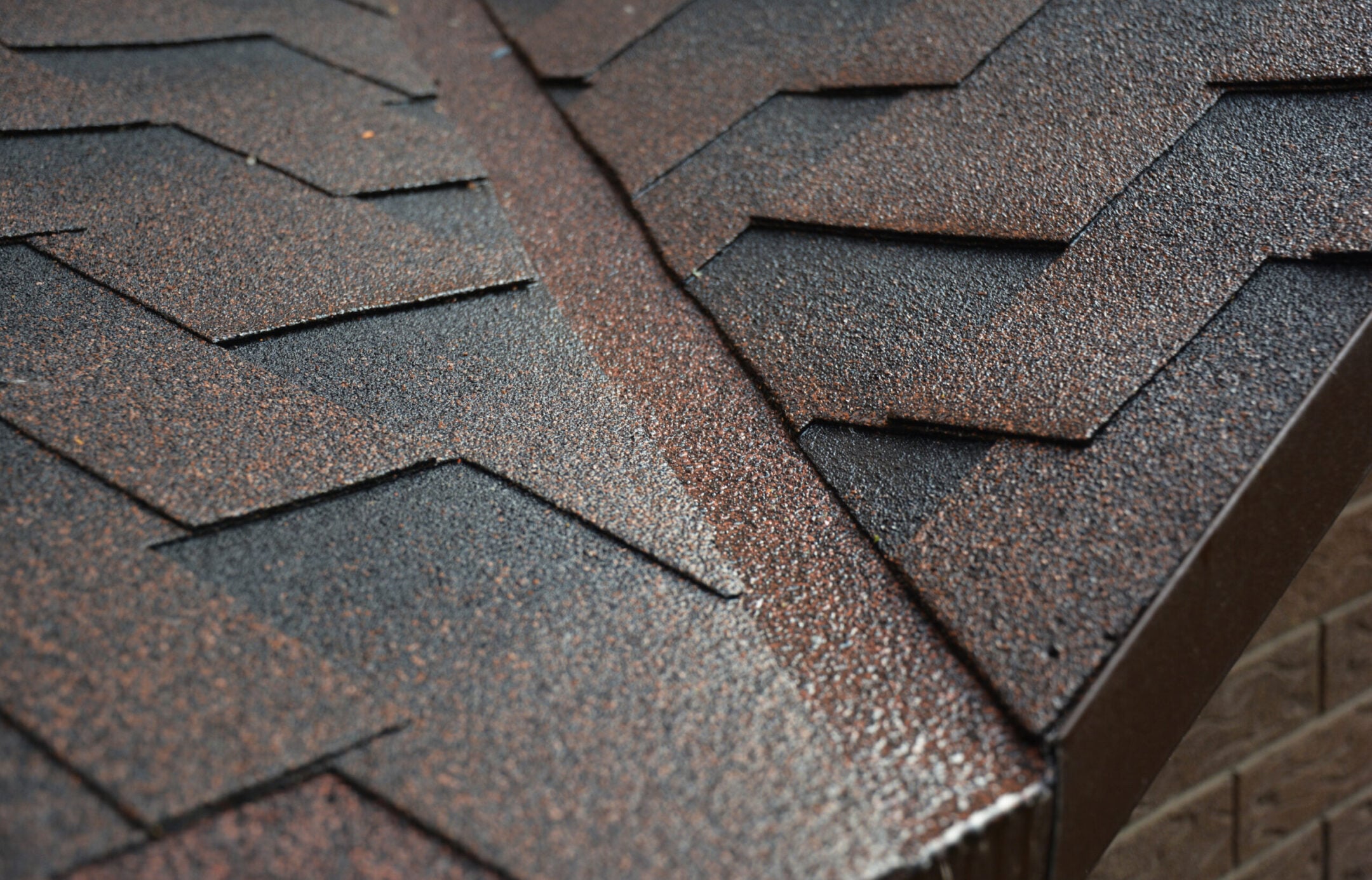
Roof Valley Flashing Materials: Copper, Steel Or Aluminum?
4/21/26
6 Min Read
Choosing the right roof valley flashing material is essential for protecting one of the most vulnerable areas of your roofing system. Roof valleys are where two slopes meet, directing large amounts of water off the roof. Without properly installed metal flashing, this area carries a high risk of leaks, water damage, and premature roof failure.
- High water flow area: Valleys handle the most runoff on a roof
- Leak prevention: Flashing protects seams from water intrusion
- Material matters: Durability depends on the flashing type used
- Long-term performance: Impacts overall roof lifespan
- Compatibility: Must match roofing materials and climate
Understanding the differences between copper, steel, and aluminum helps homeowners choose a solution that balances durability, cost, and long-term protection.
What Is Roof Valley Flashing?
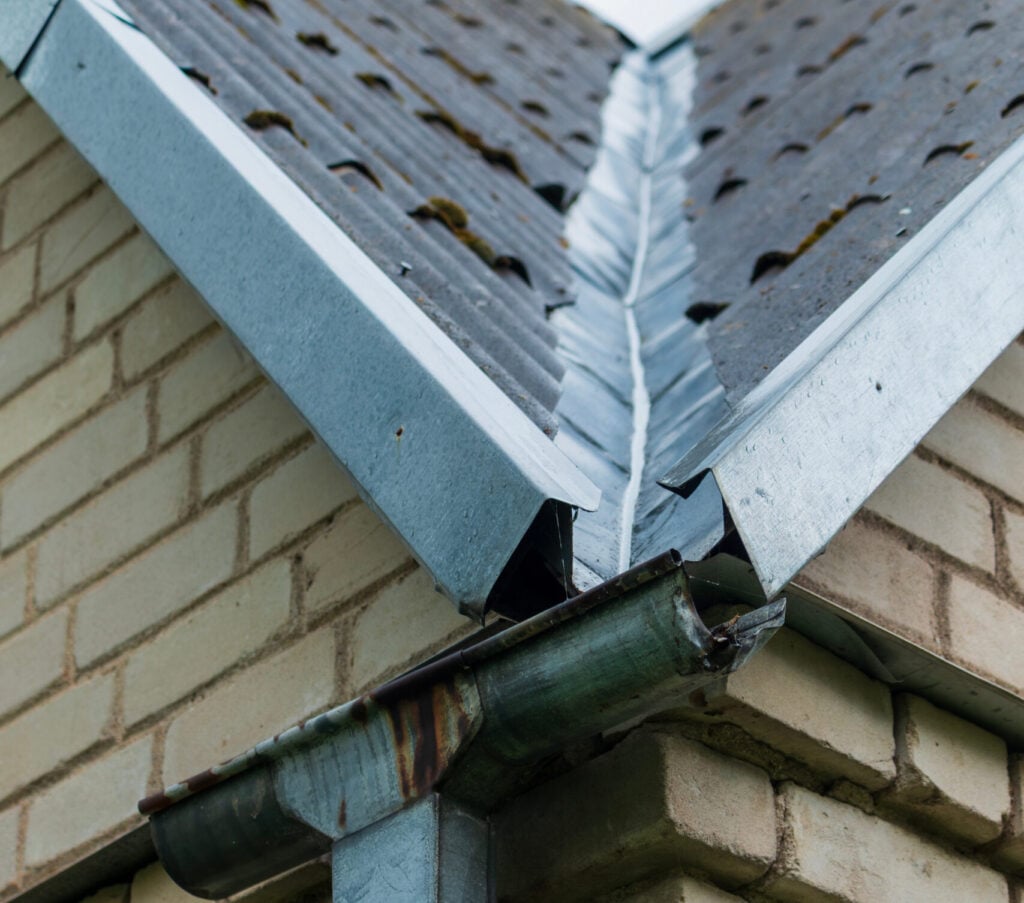
Roof valley flashing is a metal barrier installed where two roof planes meet, guiding water safely into the gutter system. Because this area handles concentrated runoff, it is one of the most common places for a leak to develop if materials fail or installation is incorrect.
Flashing is installed over underlayment and typically extends several inches on each side of the valley. Roofers follow specific methods to ensure proper overlap, length, and alignment so water flows cleanly without reaching vulnerable seams.
Why Material Choice Matters
Not all flashing materials perform the same under different conditions. Factors like roof pitch, weather exposure, and surrounding debris all influence long-term performance and risk levels.
- Durability: Lifespan varies significantly by material
- Corrosion resistance: Critical in wet or snowy climates
- Cost differences: Impacts upfront investment
- Appearance: Some metals offer a premium finish
- Maintenance needs: Some require more upkeep over time
Choosing the right material reduces the risk of early failure and protects the entire roofing system.
Copper Roof Valley Flashing
Copper is widely considered the premium option for roof valley flashing due to its longevity and resistance to corrosion. It is often used on higher-end homes or roofing systems where long-term performance is the priority.
Benefits of Copper Flashing
Copper offers exceptional durability and a distinct appearance that evolves over time. It performs well in harsh weather conditions and requires minimal maintenance once installed.
- Long lifespan: Often exceeds 50 years
- Corrosion resistant: Naturally resists rust and breakdown
- Distinct appearance: Develops a natural patina
- Low maintenance: Holds up with minimal upkeep
The main drawback is cost, as copper is significantly more expensive than other materials. However, many homeowners view it as a long-term investment due to its durability and reliability.
Steel Roof Valley Flashing
Steel is one of the most commonly used materials for roof valley flashing, offering a balance between strength and affordability. Galvanized steel is frequently chosen by roofers for standard residential applications.
Benefits of Steel Flashing
Steel performs well in areas that experience heavy water flow or debris. Its strength makes it a reliable option for many roofing systems.
- High strength: Handles heavy runoff and debris
- Cost-effective: More affordable than copper
- Widely used: Common across many roofing systems
- Protective coating: Galvanization helps prevent corrosion
Steel can corrode over time if the coating wears down, so periodic inspection is important to maintain performance.
Aluminum Roof Valley Flashing
Aluminum is a lightweight and corrosion-resistant option commonly used in residential roofing. It is especially effective in environments where moisture exposure is frequent.
Benefits of Aluminum Flashing
Aluminum offers a balance between affordability and resistance to rust, making it a practical option for many homeowners.
- Lightweight: Easy to handle and install
- Corrosion resistant: Does not rust like steel
- Affordable: Lower cost than copper
- Flexible: Adapts well to roof shapes
Because aluminum is softer than steel, it may be more prone to denting or damage from debris or foot traffic.
Open Valley vs Closed Valley Methods
Roof valley flashing can be installed using different methods, which also impact performance and appearance.
Open Valley
An open valley leaves the metal flashing exposed, allowing water to flow directly along the surface. This method is often used for durability and easier maintenance.
- Better water flow: Reduces buildup and blockage
- Visible metal flashing: Easier to inspect
- Lower debris retention: Helps prevent clogs
Closed Valley
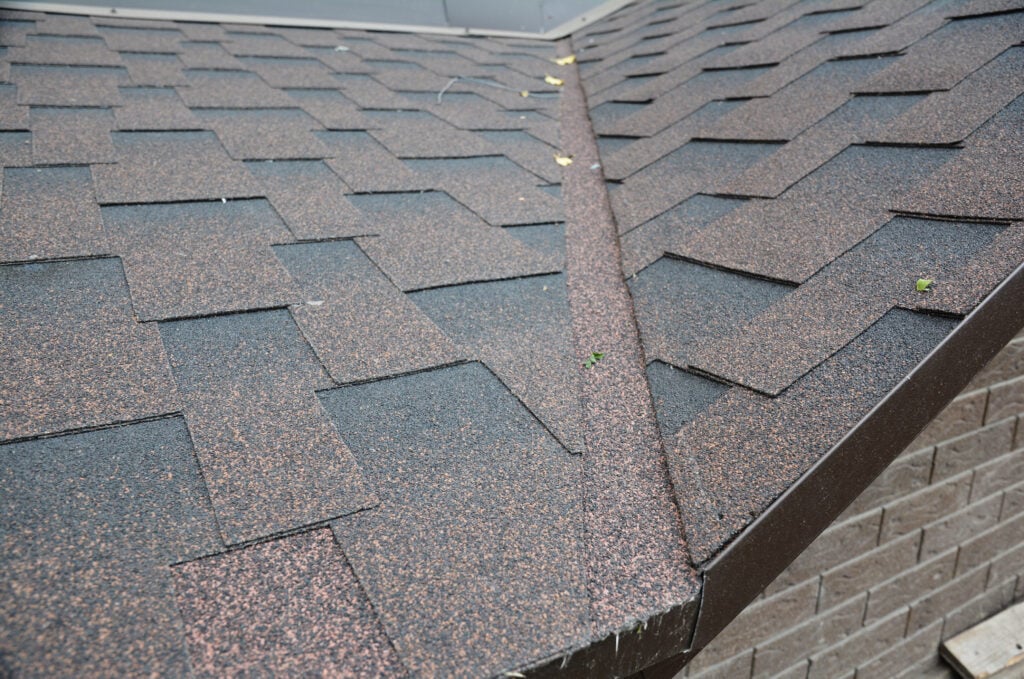
A closed valley covers the flashing with shingles, creating a more uniform roof appearance. While visually appealing, it may require more precise installation.
- Cleaner look: Blends with surrounding shingles
- Hidden flashing: Less visible from ground level
- Requires precision: Poor installation increases risk of leaks
6 Key Factors When Comparing Roof Valley Flashing Materials
Choosing between materials comes down to a few key considerations that impact long-term performance.
- Lifespan Expectations: Copper lasts the longest, while steel and aluminum provide shorter but reliable performance
- Corrosion Resistance: Aluminum and copper resist rust naturally, while steel depends on coatings
- Strength And Durability: Steel provides added toughness in high-flow areas
- Cost Considerations: Aluminum and steel are budget-friendly, while copper is a premium investment
- Aesthetic Appearance: Copper develops a patina, while others maintain a consistent finish
- Maintenance Needs: Some materials require more frequent inspection and upkeep
Installation Considerations for Roof Valley Flashing
Proper installation is just as important as material selection. Even high-quality flashing can fail if installed incorrectly. Roofers must follow proper methods to ensure water is directed safely off the roof.
- Correct overlap: Prevents water intrusion
- Proper fastening: Keeps flashing secure
- Underlayment integration: Adds an extra layer of protection
- Consistent alignment: Ensures smooth water flow
Flashing pieces must be cut to the correct length and installed with proper spacing to maintain effectiveness.
Signs Your Roof Valley Flashing May Be Failing
Identifying early warning signs can help prevent more serious damage.
- Visible corrosion: Indicates material breakdown
- Water stains: Suggest potential leak development
- Loose shingles: Around the valley area
- Debris buildup: Increases moisture retention and risk
Addressing these issues early can prevent costly repairs.
Frequently Asked Questions About Roof Valley Flashing
Roof valley flashing plays a critical role in protecting some of the most vulnerable areas of a roofing system. Understanding how it works, what materials perform best, and when to replace it can help homeowners prevent leaks and extend roof lifespan.
Which flashing material lasts the longest?
Copper typically lasts the longest, often exceeding 50 years with proper installation.
Is aluminum better than steel flashing?
Aluminum resists corrosion better, while steel offers greater strength. The best option depends on your environment.
Can roof valley flashing be replaced?
Yes, flashing can be replaced during repairs or a full roof replacement.
How do I know if my flashing is leaking?
Signs include water stains, attic moisture, or visible damage near roof valleys.
Protect Your Roof with Buckeye State Roofing
Choosing the right roof valley flashing material is essential for preventing leaks and protecting your home. Whether you choose copper, steel, or aluminum, proper installation and maintenance are key to long-term performance.
Buckeye State Roofing provides expert roof inspections, repairs, and replacements throughout Northeast Ohio. Contact our team today to ensure your roof valley flashing is built to last.
