
Roof Vent Installation: 7 Benefits For Better Airflow
5/19/26
7 Min Read
Proper roof vent installation plays a major role in protecting a home from heat buildup, moisture problems, and premature roof deterioration. A properly ventilated roofing system helps regulate attic temperatures and improves airflow throughout the home, which can extend roof lifespan and improve overall energy efficiency.
- Improves attic airflow: Helps regulate indoor temperatures
- Reduces moisture buildup: Prevents mold and condensation issues
- Extends roof lifespan: Protects roofing materials from excess heat
- Supports energy efficiency: Reduces HVAC strain
- Protects structural components: Helps prevent moisture damage
Understanding how roof ventilation works helps homeowners make informed decisions about protecting their roofing system and improving long-term performance.
What Is Roof Vent Installation?
Roof vent installation is the process of adding ventilation components that allow air to circulate through the attic and roofing system. These vents help move warm, moist air out of the attic while drawing in cooler outside air through intake vents.
A balanced ventilation system helps maintain consistent attic temperatures and reduces trapped moisture that can damage insulation, decking, and roofing materials. Without proper airflow, heat and humidity can accumulate beneath the roof, increasing the risk of long-term structural issues.
Roof vents are commonly installed during a new roof project, but a new roof vent can also be added to improve existing roofing systems without replacing the entire roof.
7 Benefits Of Roof Vent Installation
Proper ventilation offers several important advantages for homeowners and roofing systems alike.
1. Improves Airflow Throughout The Attic
Roof vents help create continuous airflow that prevents hot, stagnant air from becoming trapped inside the attic.
This airflow helps maintain more stable temperatures and improves the performance of the overall roofing system.
- Better circulation: Keeps air moving consistently
- Temperature control: Reduces attic heat buildup
- Balanced ventilation: Supports healthier airflow
2. Reduces Heat Buildup
Without proper ventilation, attic temperatures can rise significantly during warmer months, placing extra stress on roofing materials and HVAC systems. According to the U.S. Department of Energy, conventional roofs can reach temperatures of 150°F or more on a sunny summer afternoon — and without proper roof ventilation to release that trapped heat, roofing materials, shingles, and HVAC systems all experience significantly accelerated wear.
- Lower attic temperatures: Reduces heat accumulation
- Protects shingles: Limits heat-related wear
- Improves comfort: Helps stabilize indoor temperatures
- Supports energy efficiency: Helps reduce cooling strain
- Ventilation balance: Improves attic airflow consistency
3. Prevents Moisture Damage
Moisture trapped inside the attic can lead to mold growth, wood rot, and insulation damage over time.
Ventilation helps remove humid air and reduces condensation buildup beneath the roof deck.
- Moisture control: Reduces condensation risk
- Protects insulation: Prevents damp conditions
- Reduces mold growth: Supports healthier attic conditions
4. Extends Roof Lifespan
Excessive heat and trapped moisture can shorten the lifespan of roofing materials and weaken the roofing system over time.
A properly ventilated attic helps preserve shingles, underlayment, ridge cap shingles, and structural components.
- Protects roofing materials: Reduces premature aging
- Supports roof performance: Maintains long-term durability
- Minimizes wear: Reduces stress on roofing components
5. Improves Energy Efficiency
Roof ventilation can improve overall energy efficiency by helping regulate attic temperatures and reducing strain on cooling systems.
Homes with better airflow often experience lower cooling costs during warmer seasons.
- Reduces HVAC strain: Improves cooling performance
- Supports energy savings: Helps lower utility costs
- Stabilizes temperatures: Improves indoor comfort
6. Helps Prevent Ice Dams
In colder climates, poor ventilation can contribute to uneven roof temperatures that increase the risk of ice dams forming along roof edges.
Roof vents help maintain more consistent roof temperatures during winter conditions.
- Improves winter ventilation: Reduces trapped heat
- Helps prevent ice dams: Supports even roof temperatures
- Protects gutters and shingles: Limits winter damage risk
7. Protects The Underlying Structure
Ventilation helps preserve the roof deck and underlying structure by reducing long-term exposure to excess moisture and heat.
This protection is especially important for older homes or roofing systems with limited airflow.
- Protects roof decking: Reduces moisture exposure
- Supports structural integrity: Prevents long-term deterioration
- Improves roof performance: Enhances overall system health
Common Types Of Roof Vents
Several types of roof vents are available depending on roof design, ventilation goals, and airflow requirements.
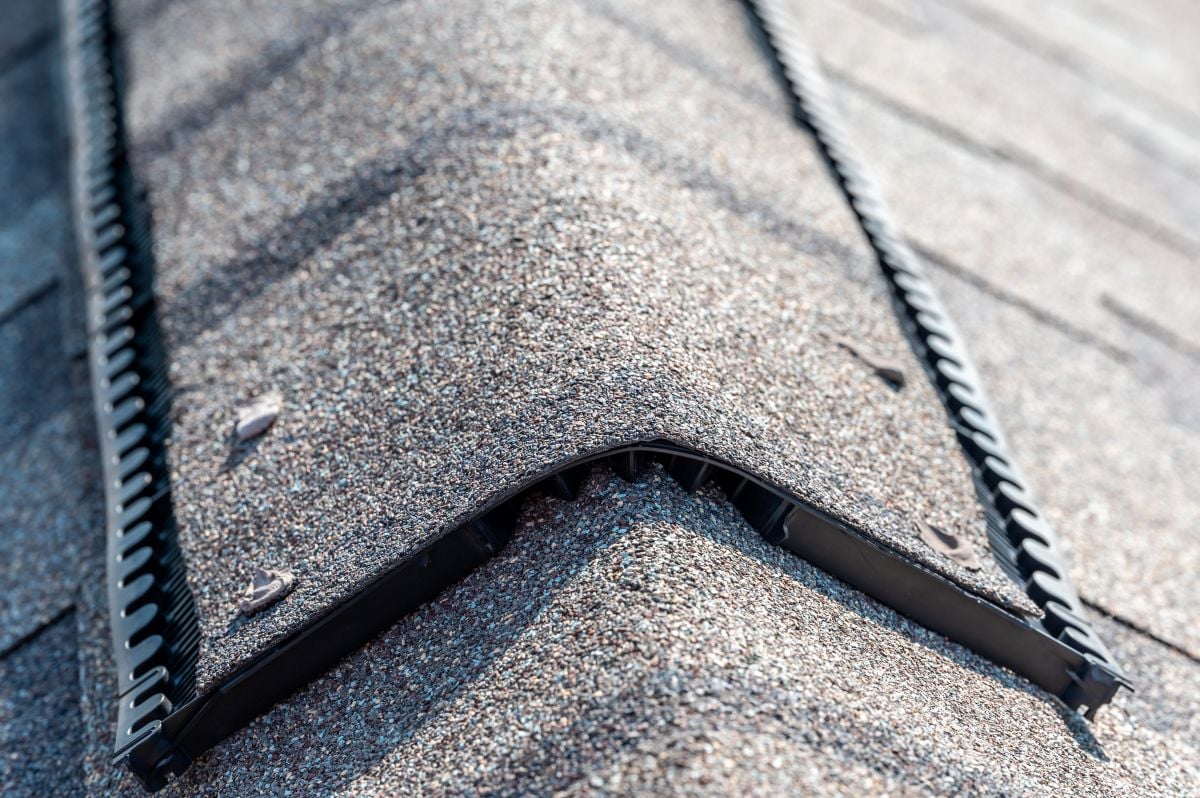
Ridge Vents
Ridge vents run along the entire ridge of the roof and allow warm air to escape naturally from the attic space. These systems are commonly installed beneath ridge cap shingles to create a cleaner appearance on a new roof.
- Continuous ventilation: Provides balanced airflow
- Low-profile design: Blends into roofing system
- Energy efficient: Supports passive ventilation
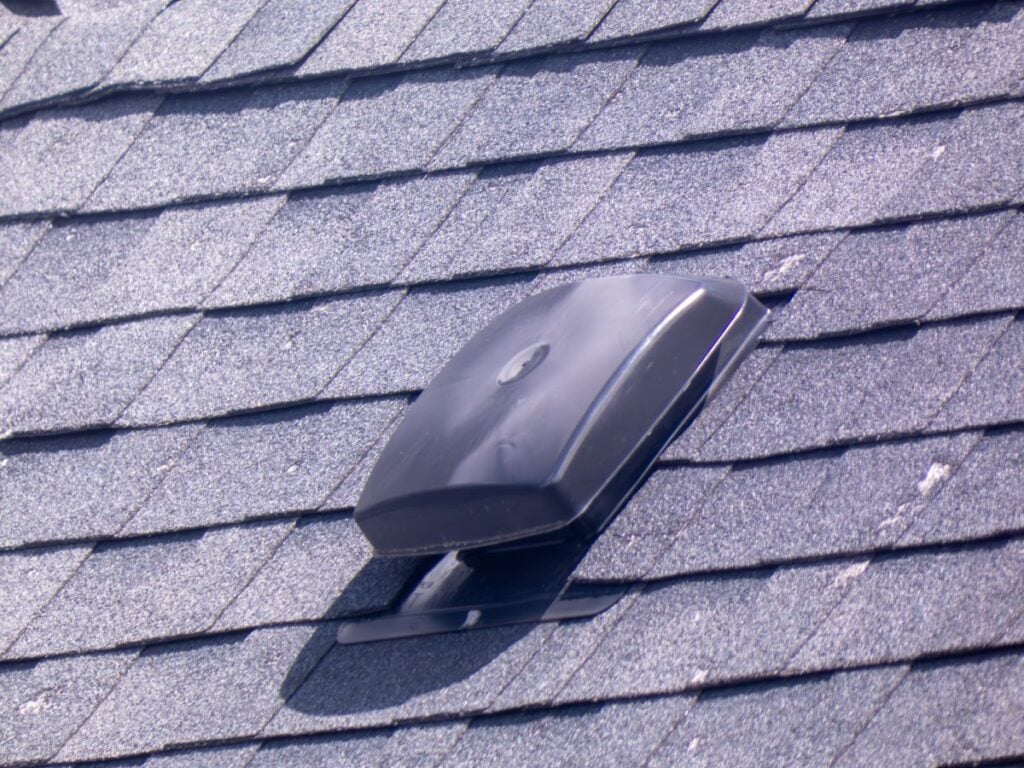
Box Vents
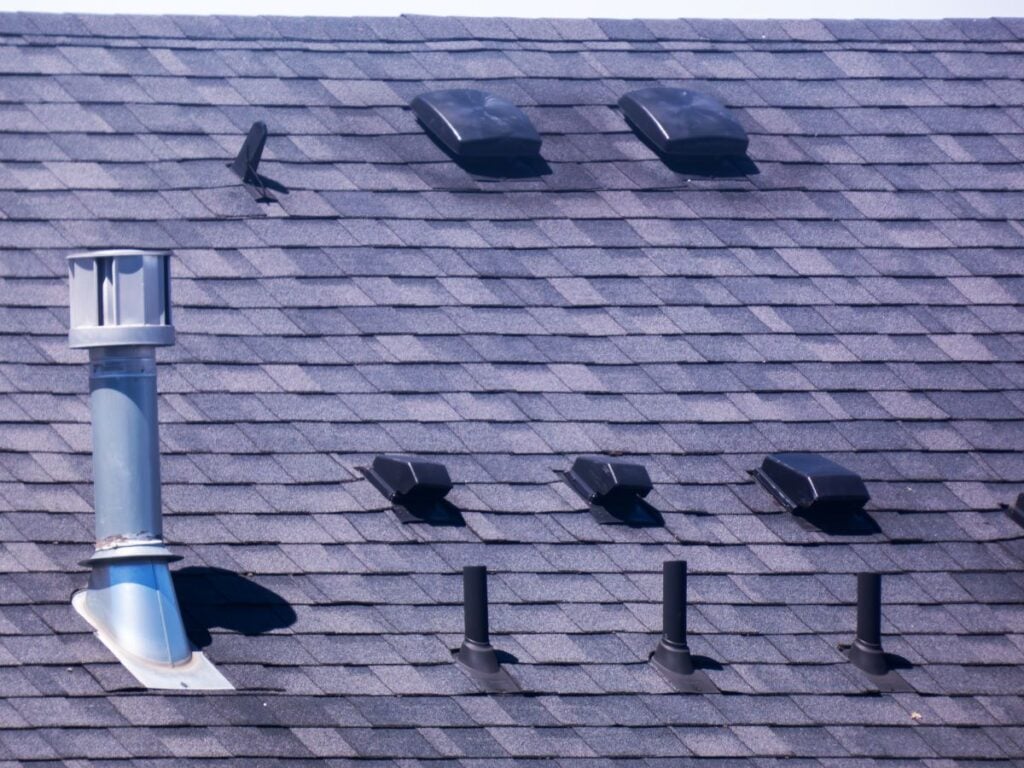
A static vent, commonly called a box vent, is installed near the upper portion of the roof and allows hot air to exit through individual vent openings.
- Simple design: Common on many residential roofs
- Affordable option: Cost-effective ventilation solution
- Reliable airflow: Helps remove trapped heat
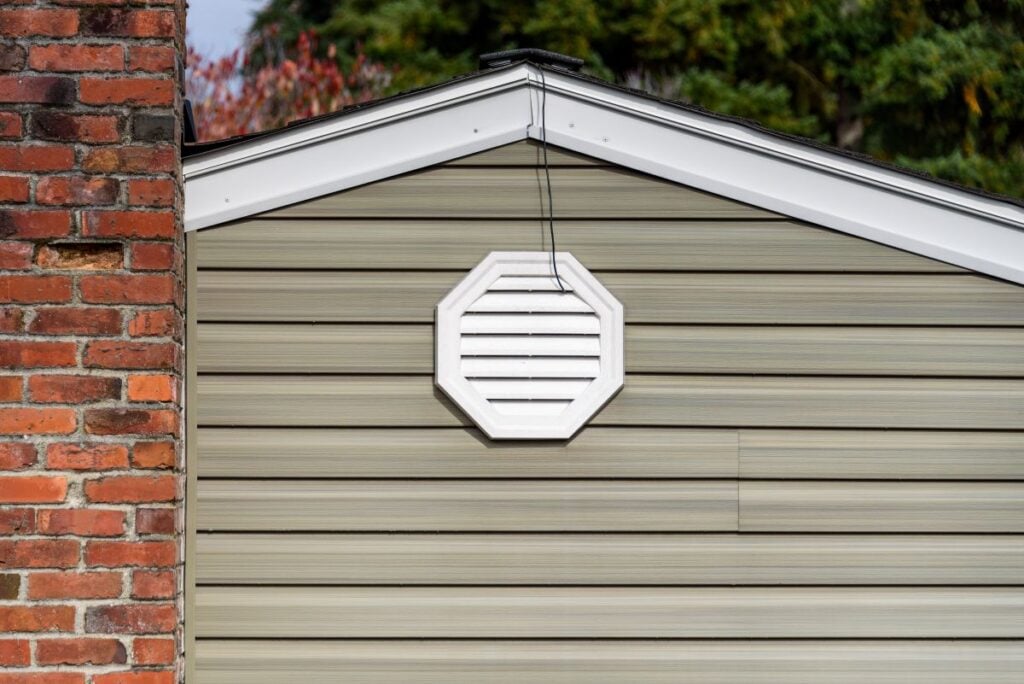
Gable Vents
Gable vents are installed near the peak of exterior walls and help improve cross-ventilation within attic spaces.
- Sidewall ventilation: Improves airflow movement
- Works with other vents: Supports balanced systems
- Common on older homes: Frequently paired with ridge vents
Turbine Vents
Turbine vents use wind movement to pull hot air and moisture out of the attic space.
- Wind-powered ventilation: Improves attic airflow
- Effective heat removal: Helps reduce attic temperatures
- Mechanical movement: Spins to improve exhaust airflow
Roof Vent Comparison Table
Different vent types offer unique advantages depending on the roofing system and airflow requirements.
| Roof Vent Type | Primary Function | Best For | Ventilation Style |
| Ridge Vent | Exhaust ventilation | Sloped residential roofs | Continuous airflow |
| Static Vent | Heat release | Standard attic ventilation | Passive airflow |
| Gable Vents | Cross ventilation | Older attic systems | Sidewall airflow |
| Turbine Vents | Wind-powered exhaust | High heat attic spaces | Active airflow |
Choosing the right vent combination helps improve airflow and maximize ventilation performance.
Signs Your Roof Needs Better Ventilation
Poor ventilation can create several warning signs that indicate airflow improvements may be necessary.
- Excessive attic heat: Indicates poor airflow circulation
- Moisture buildup: Suggests trapped humidity
- Mold or mildew growth: Caused by excess condensation
- High energy bills: HVAC systems working harder
- Ice dam formation: Uneven roof temperatures during winter
Addressing these issues early helps prevent long-term roofing damage.
4 Important Steps During Roof Vent Installation
Proper installation techniques help ensure roof vents perform correctly and maintain a waterproof seal throughout the roofing system.
- Proper Vent Placement: Supports balanced attic airflow across the roofing system
- Secure Roofing Nails: Helps prevent loose vent sections during strong weather
- Waterproof Seal Installation: Reduces leak risk around vent openings
- Professional Installation: Improves long-term performance and ventilation efficiency
Working with an experienced roofing contractor helps ensure the ventilation system is installed correctly and integrated properly into the new roof.
Frequently Asked Questions About Roof Vent Installation
Roof ventilation systems vary depending on roof design, attic size, and airflow needs. Understanding common concerns helps homeowners make informed decisions.
How many roof vents does a house need?
The number of roof vents depends on attic size, roof layout, and ventilation requirements. A roofing professional can determine the proper balance of intake and exhaust ventilation.
Can roof vent installation improve energy efficiency?
Yes, improved attic airflow can help reduce heat buildup and lower cooling costs during warmer months. Proper ventilation also reduces strain on HVAC systems.
Are ridge vents better than box vents?
Ridge vents often provide more consistent airflow across the entire ridge, while a static vent offers targeted ventilation in specific areas. The best option depends on the roofing system and attic design.
Does roof vent installation help prevent moisture damage?
Yes, ventilation helps reduce trapped humidity and condensation that can lead to moisture damage, mold growth, and roof deck deterioration.
Improve Roof Airflow With Buckeye State Roofing
Proper roof vent installation helps protect your home from heat buildup, moisture problems, and premature roof deterioration. Improving attic airflow supports better energy efficiency and extends the life of your roofing system.
Buckeye State Roofing provides expert ventilation upgrades, roof replacement services, and inspections throughout Northeast Ohio. Contact our team today to improve your roof ventilation and protect your home year-round.
