
Roof Warranty: What Does It Cover? (Homeowners Guide)
1/21/26
6 Min Read
A roof warranty is an important safeguard for homeowners who want long term protection for their roofing investment. Whether you are installing a new roof or maintaining an existing one, understanding warranty coverage helps prevent surprises and reduce financial risk. Knowing what a roof warranty includes also clarifies responsibilities after an installation job and helps homeowners make informed decisions when issues arise across the entire roofing system.
This guide explains:
- What protections roof warranties usually include
- Which items are commonly excluded from coverage
- How maintenance impacts warranty validity
- What homeowners should expect during a claim
- How to choose the right warranty for your roof
What a Roof Warranty Typically Covers
Most roof warranties are designed to address problems tied to materials or the installation process. While coverage varies by manufacturer and contractor, there are several protections homeowners can usually expect when roofs are installed according to guidelines.

Roof warranties generally apply to failures that occur under normal conditions and within the stated warranty period. Issues such as roof leaks caused by defective materials, failed shingles, or installation errors may qualify for coverage when maintenance requirements are met and the roof deck has not been compromised.
- Material defects: Covers roofing materials that fail due to manufacturing issues under a manufacturer warranty, including defective shingles.
- Installation errors: Addresses problems caused by improper workmanship during the installation process.
- Leak-related failures: Applies when roof leaks result from covered defects within the entire roofing system.
- Defined coverage terms: Outlines the length of warranty coverage and eligibility requirements.
- Limited cosmetic coverage: May include appearance related issues for a short timeframe.
Types of Roof Warranties Homeowners Should Know
Homeowners often receive more than one type of roof warranty after a roof installation. Each type provides protection for different aspects of the roofing system and may vary depending on the roofing company and materials used.
Understanding these warranty types helps homeowners know which protections apply when issues arise and which situations may require roof repair outside of warranty coverage, such as damage related to attic ventilation problems or homeowner modifications.
Roof Warranty Types Compared
The table below highlights common roof warranty types and how they typically apply to roofs installed on residential homes.
| Warranty Type | What It Covers | Typical Duration | Key Notes |
| Manufacturer warranty | Defective materials and products | 10 to 50 years | Some include limited lifetime coverage |
| Workmanship warranty | Installation related errors | 1 to 10 years | Often referred to as contractor warranties |
| Extended system warranty | Materials and labor | Varies | Often considered an extended warranty |
| Transferable warranty | Coverage for new homeowner | Limited timeframe | Can improve resale value |
| Prorated warranty | Reduced coverage as roof ages | Long term | Coverage decreases over time |
6 Critical Factors That Affect Roof Warranty Coverage
Understanding what impacts warranty eligibility is just as important as knowing what is covered. These six factors often determine whether a claim is approved or denied.
- Proper installation: Roofing must be installed according to manufacturer specifications during the original installation job.
- Routine maintenance: Lack of upkeep, including poor attic ventilation, can void warranty coverage.
- Approved repairs: Unauthorized roof repair or alterations may cancel warranty protection.
- Timely reporting: Delays in reporting issues can affect claim eligibility.
- Environmental exclusions: Storm and weather damage is usually excluded.
- Documentation: Records of installation, tear off procedures, and maintenance are often required.
Additional Details Homeowners Should Review in Warranty Documents
Beyond basic coverage terms, roof warranty documents often include important details that homeowners overlook. Reviewing these items closely can prevent misunderstandings and help ensure warranty coverage remains valid throughout the life of the roof.

- Coverage start date: Some warranties begin at material delivery rather than project completion.
- Inspection requirements: Periodic inspections may be required to maintain coverage.
- Transfer limitations: Transfers may require registration or processing fees.
- Claim deadlines: Delayed claims can result in denial.
- Approved materials: Using non approved products can void coverage.
- Structural exclusions: Damage to the roof deck may not be covered unless specified.
- Cost limitations: Disposal costs from tear off work are often excluded from warranty claims.
How to Maintain Your Roof Without Voiding the Warranty
Maintaining your roof properly helps preserve both performance and warranty coverage. Many warranties outline specific homeowner responsibilities that must be followed to keep protection in place.
In Medina, OH, seasonal storms, snow, and temperature swings place added stress on roofing systems. Regular inspections, proper attic ventilation, and timely repairs help prevent small issues from turning into larger problems that could jeopardize warranty coverage across the entire roofing system.
- Scheduled inspections: Annual inspections help identify early concerns.
- Routine cleaning: Removes debris that can trap moisture and cause damage.
- Prompt repairs: Addressing issues quickly helps avoid denied claims.
- Maintenance records: Documentation supports warranty claims.
- Qualified contractors: Using approved professionals protects coverage terms.
What Roof Warranties Do Not Cover
While roof warranties provide valuable protection, they also include exclusions that homeowners should understand before filing a claim.
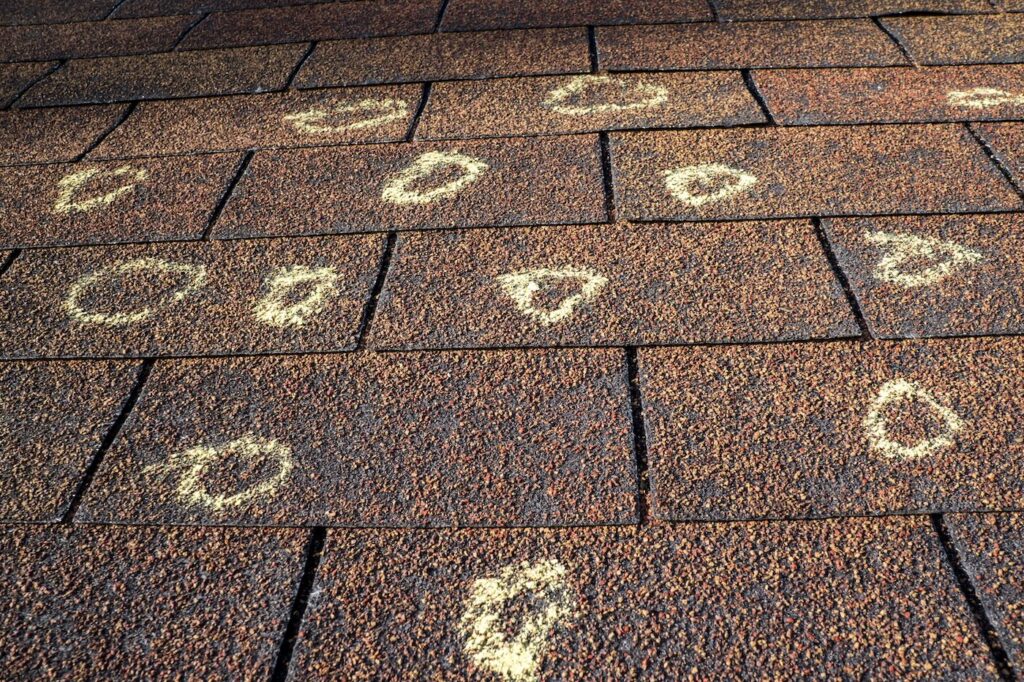
- Natural disasters: Damage from hail, windstorms, or tornadoes usually requires insurance.
- Normal wear: Aging materials beyond warranty terms are not covered.
- Neglect: Failure to maintain the roof or ventilation system can void warranty coverage.
- Unauthorized modifications: Alterations can cancel warranty protection.
- Additional expenses: Disposal costs and related labor are typically excluded.
Questions Homeowners Ask About Roof Warranties
Homeowners often have questions about coverage limits, labor costs, and transfers. These answers address common concerns.
- How long does a roof warranty last? Material warranties may range from 10 to 50 years, with some offering lifetime coverage under specific conditions. Workmanship warranties are usually shorter.
- Can a roof warranty be transferred to a new homeowner? Many warranties allow transfers within a set timeframe, which can add value when selling a home.
- Are labor costs included in all warranties? Not always. Some warranties cover materials only unless labor coverage is specified.
- What happens if repairs are done without approval? Unauthorized repairs may void the warranty, even if the issue appears minor.
Roof Protection You Can Rely On with Buckeye State Roofing
Understanding roof warranty coverage helps homeowners protect their investment and avoid unnecessary stress. When combined with professional installation and proper maintenance, warranties provide long term peace of mind for new roof systems and existing roofs alike.
We’re proud to serve home and business owners in Medina, OH, and nearby communities with roofing services and more. Buckeye State Roofing is a trusted roofing company known for quality workmanship and clear communication.
If you have questions about roof warranties, need roof repair, or want a professional inspection, contact Buckeye State Roofing today for a free estimate or consultation.
