
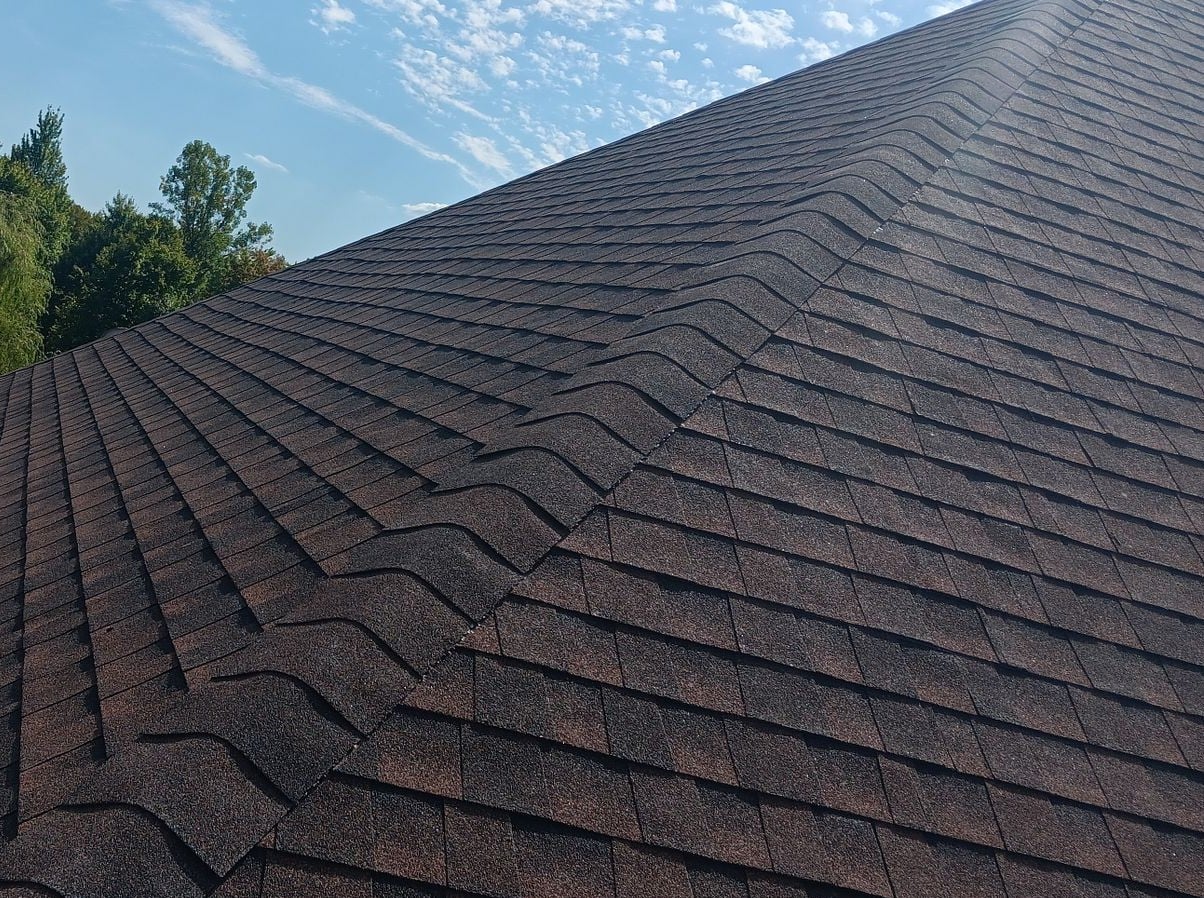
Roofing Project Timeline: What To Expect
5/07/26
6 Min Read
Understanding the typical roofing project timeline helps homeowners prepare for the roofing process and avoid unnecessary surprises. Whether you are planning a repair or full roof replacement project, knowing what happens during each stage helps set realistic expectations for scheduling, materials, and completion.
- Project planning: Helps homeowners prepare in advance
- Scheduling expectations: Understands how long work may take
- Weather considerations: Impacts roofing timelines
- Installation process: Explains each stage of the project
- Better communication: Helps homeowners stay informed
Every roofing project is different, but most follow a similar replacement process from inspection through final cleanup.
What Affects A Roofing Project Timeline?
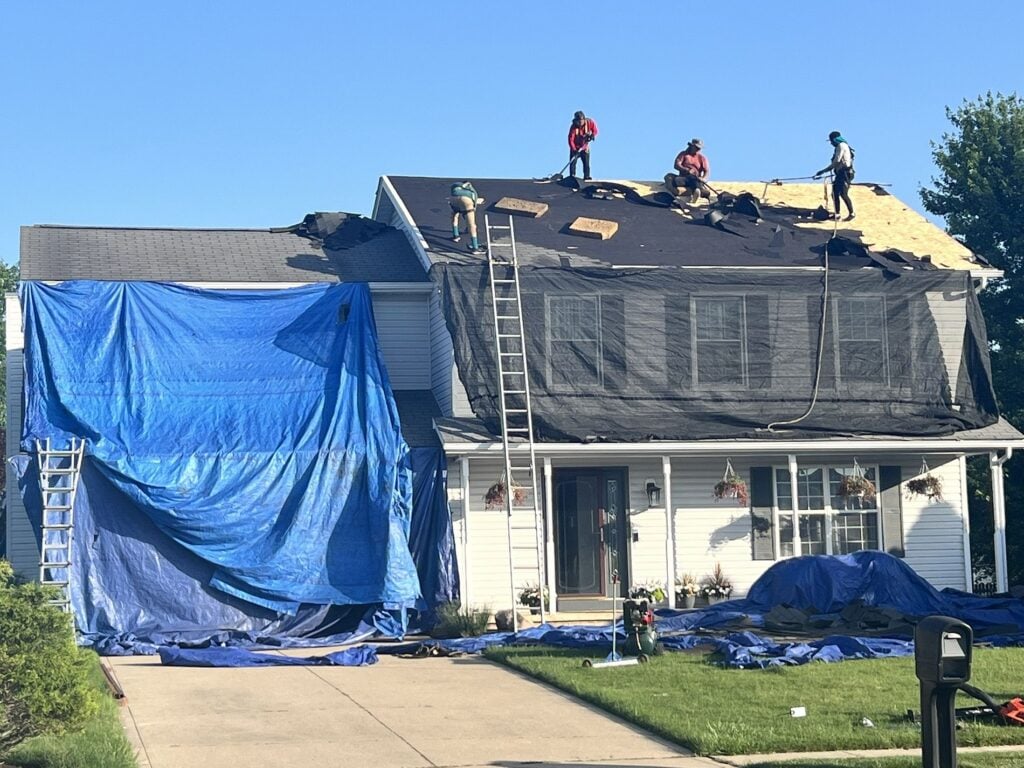
Several factors influence how long a roofing project takes to complete. While some projects may only require a few days, larger or more complex roofing systems can take longer depending on conditions and material availability.
The size of the roof, weather conditions, roof complexity, roofing materials, and the condition of the underlying structure all play a role in determining the timeline. Unexpected structural repairs or delays caused by storms may also extend the schedule.
According to the National Roofing Contractors Association, most new roofs are designed to provide useful service for about 20 years, with lifespan determined by local conditions, material quality, and adequate maintenance — which is why understanding each stage of the installation process matters for protecting that long-term investment.
7 Stages Of A Roofing Project Timeline
Most roofing projects follow a structured process designed to keep the installation organized and efficient while protecting the property throughout construction.
1. Initial Roof Inspection
The project begins with a detailed inspection to evaluate the condition of the roofing system and identify any visible damage or problem areas.
During this stage, a roofing professional assesses shingles, flashing, ventilation, underlayment, and the roof deck to determine the scope of work and evaluate the underlying structure.
- Damage evaluation: Identifies repairs or replacement needs
- Material assessment: Reviews roofing condition
- Project planning: Helps establish timeline expectations
2. Estimate And Material Selection
After the inspection, homeowners receive an estimate outlining project costs, recommended materials, and scheduling information.
This stage also includes selecting appropriate roofing materials, colors, and warranty options that best fit the home and budget.
- Detailed estimate: Explains labor and material costs
- Material selection: Chooses roofing products and colors
- Warranty review: Covers available protection options
3. Scheduling And Permit Preparation
Once materials are selected, the roofing contractor schedules the project and handles any required permits or preparation steps before installation begins.
Permit timelines vary depending on local regulations and project scope.
- Project scheduling: Establishes installation dates
- Permit coordination: Ensures code compliance
- Material delivery planning: Organizes job site logistics
4. Roof Tear-Off And Preparation
For a roof replacement project, the old roofing material is removed to expose the roof deck beneath. This allows contractors to inspect for hidden structural issues, moisture damage, or deterioration within the underlying structure.
Proper preparation is critical for ensuring the new roofing system performs correctly.
- Old material removal: Clears existing roofing layers
- Roof deck inspection: Identifies damaged areas
- Site preparation: Protects landscaping and property
5. Roof Installation
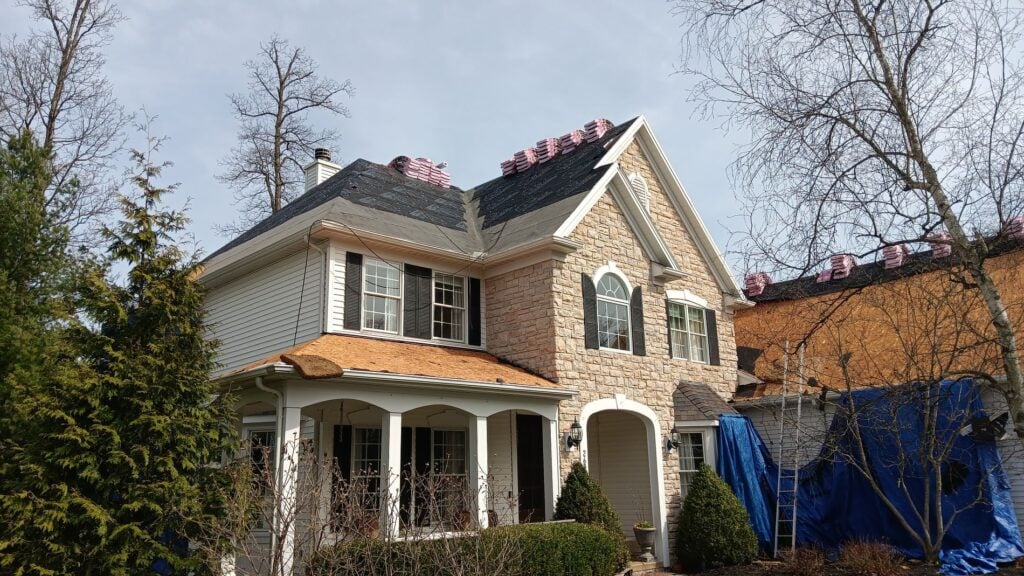
The new roof installation phase includes placing underlayment, flashing, ventilation components, and the final roofing materials.
The length of installation depends on roof complexity, weather conditions, and material type. Asphalt shingle roofs may take less time than tile or metal roofing systems.
- Underlayment installation: Adds moisture protection
- Flashing placement: Protects vulnerable roof areas
- Roofing installation: Completes the new roofing surface
6. Cleanup And Final Inspection
After installation is complete, the roofing crew removes debris, cleans the property, and performs a final inspection to ensure quality workmanship.
A final walkthrough helps confirm all project details were completed properly and that the replacement process meets expectations.
- Debris removal: Cleans nails and materials from site
- Quality inspection: Verifies installation standards
- Final walkthrough: Reviews completed project
7. Warranty And Post-Project Support
Once the project is complete, homeowners receive warranty information and guidance on future maintenance or inspections.
This final stage helps ensure homeowners understand how to protect their roof long-term and maintain the performance of the new roofing system.
- Warranty documentation: Explains coverage details
- Maintenance guidance: Helps extend roof lifespan
- Future support: Provides ongoing service options
Roofing Project Timeline Comparison
Project timelines vary depending on roofing type, complexity, and weather conditions.
| Roofing Project Type | Typical Timeline | Factors That Impact Schedule | Complexity Level |
| Roof Repair | 1–2 Days | Damage severity | Low |
| Asphalt Roof Replacement | 1–3 Days | Roof size and weather | Medium |
| Metal Roof Installation | 2–5 Days | Material complexity | Medium-High |
| Tile Roof Replacement | 5–10 Days | Weight and installation process | High |
| Commercial Roofing Project | Several Days To Weeks | Building size and access | High |
While timelines vary, proper planning and communication help projects stay on track.
5 Factors That Can Delay A Roofing Project
Some delays are unavoidable, especially when weather or hidden damage affects the project schedule.
- Weather Conditions: Rain, snow, and strong winds can pause installation
- Material Availability: Delays may occur if materials are backordered
- Structural Repairs: Damaged roof decking may require additional work
- Permit Delays: Approval timelines vary by location
- Unexpected Damage: Hidden moisture or ventilation issues can extend the timeline
Understanding these factors helps homeowners prepare for possible schedule adjustments.
How Homeowners Can Prepare For A Roofing Project
Preparing the property before installation begins helps improve safety and reduce disruptions during construction.
- Move vehicles: Clears driveway access for crews
- Protect valuables: Vibrations may affect wall hangings or attic items
- Trim landscaping: Provides easier roof access
- Notify neighbors: Helps prepare nearby homes for construction noise
- Secure pets: Keeps animals safe during the project
Simple preparation steps help the project move more smoothly.
Benefits Of Understanding The Roofing Timeline
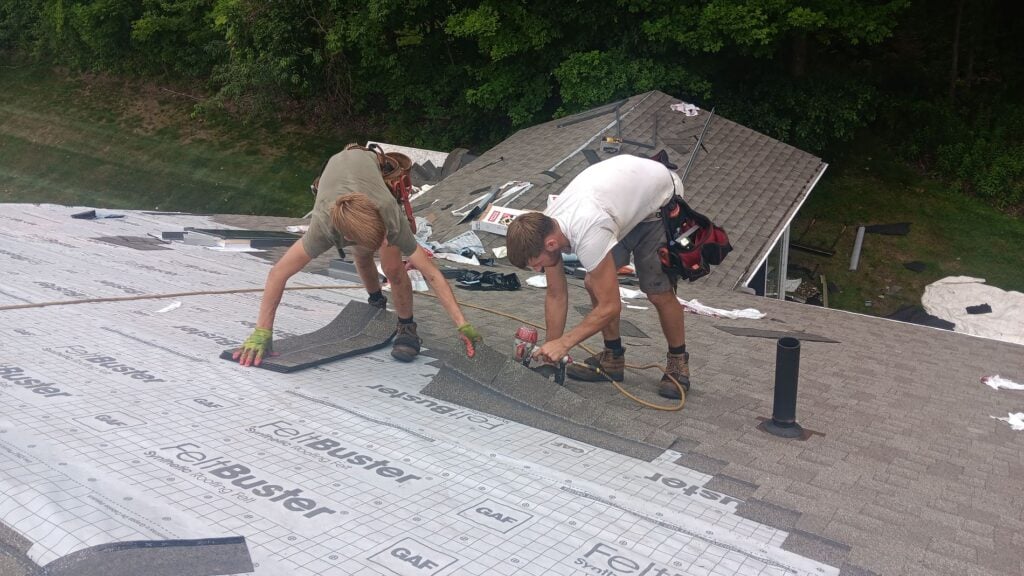
Knowing what to expect during a roofing project helps homeowners feel more confident throughout the process.
- Better communication: Improves coordination with contractors
- Reduced stress: Sets realistic expectations
- Improved planning: Helps prepare property and schedule
- Fewer surprises: Explains each stage of construction
- Smoother project experience: Keeps homeowners informed
A clear timeline helps homeowners understand how each phase contributes to a successful roofing project.
Frequently Asked Questions About Roofing Project Timelines
Roofing schedules vary depending on the type of project and property conditions. Understanding common questions helps homeowners prepare more effectively.
How long does a roof replacement usually take?
Most residential roof replacements take between one and three days depending on size, roof complexity, and weather conditions.
Can weather delay a roofing project?
Yes, rain, snow, and strong winds can temporarily pause installation for safety reasons.
Will roofers inspect the roof deck during replacement?
Yes, contractors inspect the roof deck after removing old materials to identify hidden damage within the underlying structure.
Do roofing companies handle permits?
Most professional roofing contractors coordinate permit requirements as part of the replacement process.
Plan Your Roofing Project With Buckeye State Roofing
Understanding the roofing project timeline helps homeowners prepare for each stage of the process while reducing stress and uncertainty. From inspections and material selection to installation and final cleanup, proper planning plays a major role in project success.
Buckeye State Roofing provides expert roof replacement, repair, and new roof installation services throughout Northeast Ohio. Contact our team today to schedule an inspection and start planning your next roofing project.
