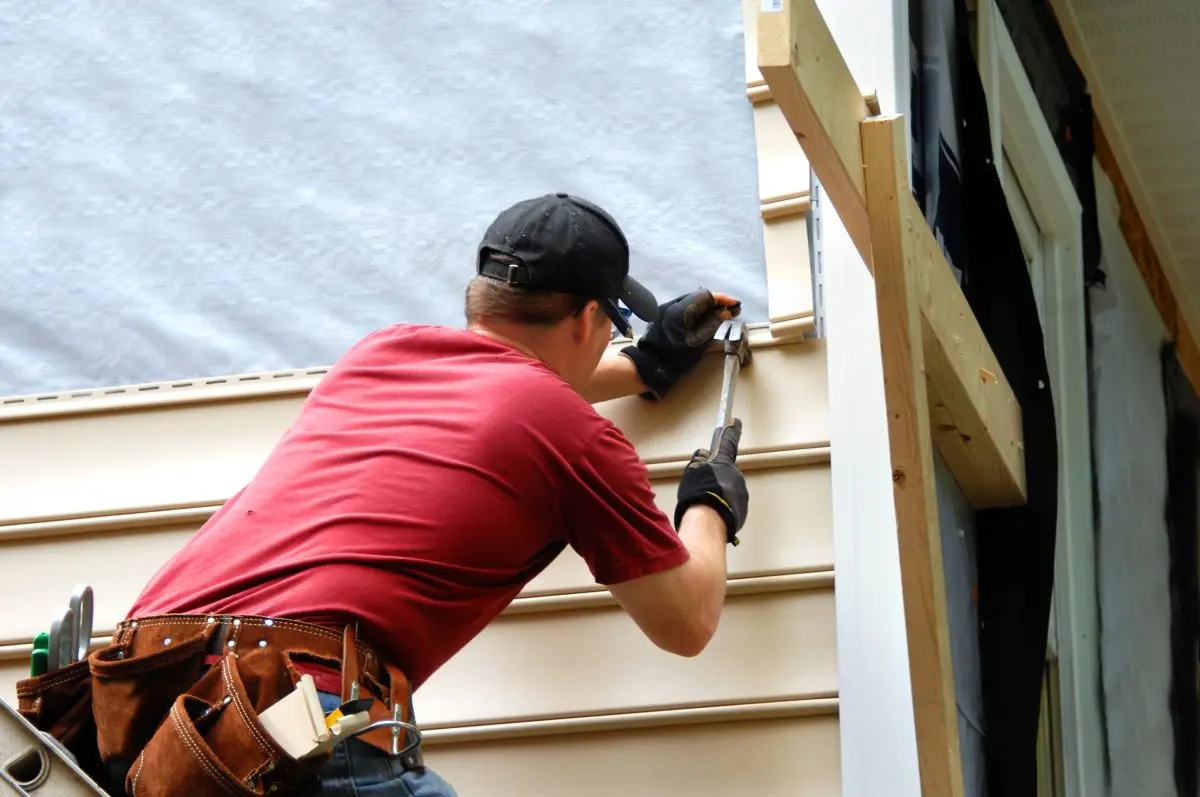
Siding Replacement: 7 Signs It’s Time & What to Expect
7/23/26
9 Min Read
Your home’s siding does more than shape its curb appeal, it forms a critical barrier against wind, rain, and temperature swings, which is why siding replacement becomes necessary long before most homeowners expect it. Cracked panels, fading color, and creeping moisture can all signal that your current siding is no longer doing its job. For homeowners in Parma Heights and surrounding areas, working with a team that already understands how a home’s exterior systems work together makes it easier to catch these issues early. This guide covers the warning signs to watch for and what the replacement process typically involves.
In this post, you’ll learn:
- The clearest signs that your siding needs replacing
- The main causes behind common siding problems
- What the replacement process typically looks like
- How to choose the right siding material for your home
- Tips for protecting your investment after installation
Why Siding Replacement Matters
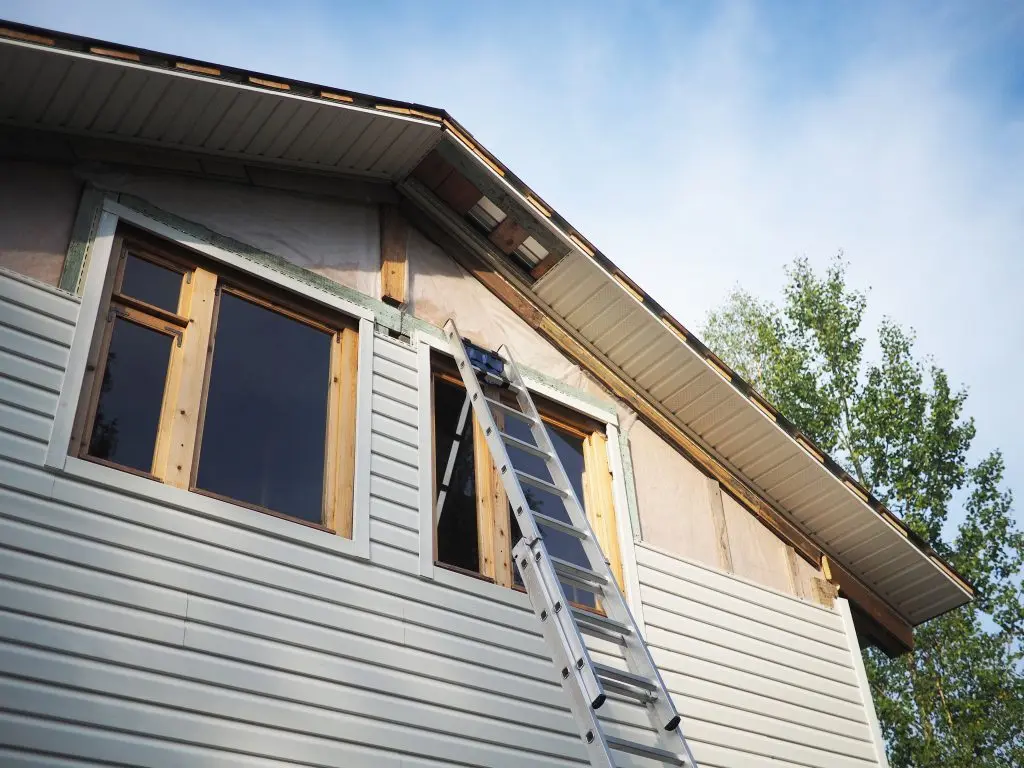
Siding is your home’s first line of defense against the elements, and once it starts failing, the problems rarely stay isolated to just the exterior. Water that gets behind damaged siding can affect insulation, framing, and even indoor air quality. Homeowners throughout Parma Heights and surrounding areas benefit from addressing siding issues before they turn into larger, costlier repairs, since even small gaps can let moisture travel far beyond the point where it first entered.
- Moisture protection: New siding creates a reliable barrier that keeps water from seeping into your walls and framing.
- Energy efficiency: Modern siding materials paired with proper insulation can reduce drafts and lower heating and cooling costs.
- Curb appeal and home value: Fresh, well maintained siding is one of the fastest ways to improve your home’s appearance and resale potential.
- Reduced maintenance: Newer siding materials often require less upkeep than older wood or aging vinyl products.
- Long-term durability: Quality siding installed correctly can protect your home for decades with minimal issues, especially when paired with routine inspections.
7 Signs It’s Time for Siding Replacement
Siding damage doesn’t always announce itself right away, which is why it helps to know what to look for during a walk around your property. Here are the seven most common signs that replacement is worth considering.
1. Cracked, Warped, or Loose Panels
Cracks and warping are often the first visible signs that siding has reached the end of its useful life. Once panels lose their shape or crack, they can no longer protect the wall behind them from moisture and wind.
- Walk the perimeter of your home looking for visible cracks or gaps
- Check for panels that appear loose or are pulling away from the wall
- Pay close attention to areas exposed to direct sun and wind
2. Fading or Peeling Paint
Paint that peels, bubbles, or fades unevenly across your siding often points to moisture trapped underneath the surface. This is especially common with wood siding but can also affect other materials over time.
- Compare paint condition on different sides of the house
- Look for peeling that seems concentrated near seams or corners
- Treat repeated peeling in the same spot as a sign of an underlying moisture issue
3. Rot or Soft Spots
Wood siding is particularly vulnerable to rot, especially in areas that stay damp or receive limited sunlight. Soft, spongy spots are a clear indicator that moisture has compromised the material, and by the time rot is visible on the surface, it has often already spread further than it appears.
- Press gently on suspicious areas to check for give
- Inspect corners, seams, and areas near the ground more closely
- Address rot quickly since it can spread to structural framing if ignored
4. Increasing Energy Bills
Siding that has deteriorated or was never properly insulated can allow conditioned air to escape more easily. If your energy bills have climbed without an obvious explanation, your siding could be part of the issue, particularly if the increase coincides with visible wear on the exterior.
- Compare recent utility bills to previous years during similar seasons
- Feel for drafts near exterior walls on windy days
- Consider this alongside other warning signs rather than as a standalone indicator
5. Mold, Mildew, or Fungus Growth
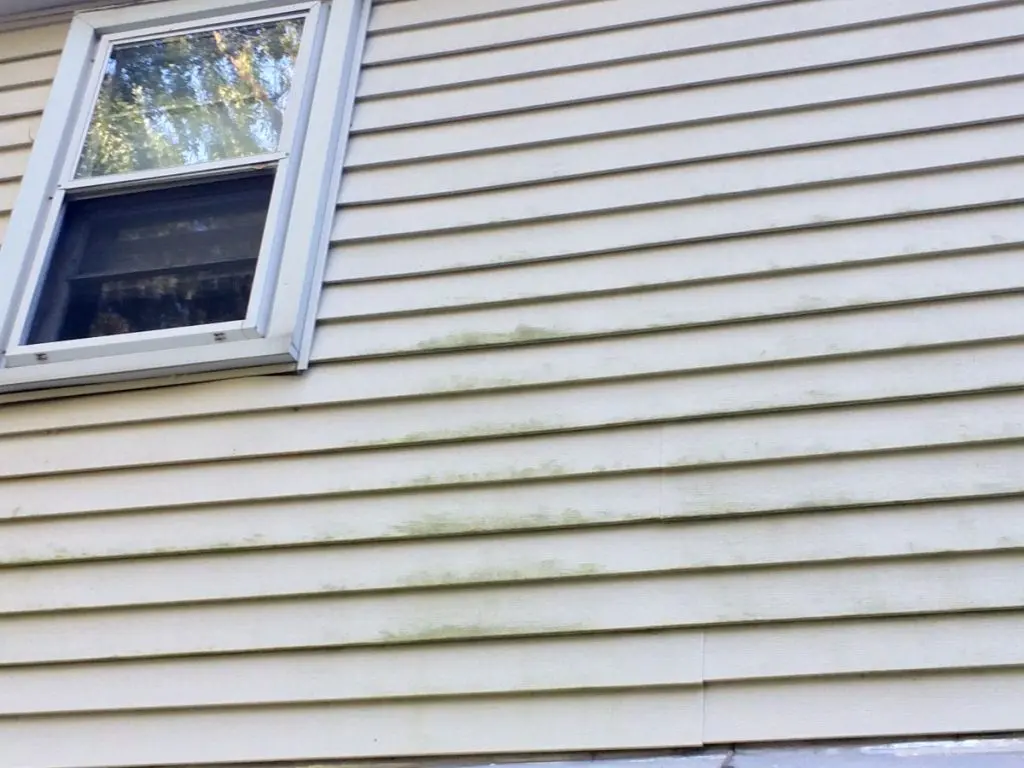
Persistent mold or mildew on your siding, especially in shaded or poorly ventilated areas, often signals trapped moisture behind the surface. This can also point to broader ventilation or drainage issues around your home, such as gutters that overflow onto the siding or shrubs planted too close to the exterior wall.
- Look for dark streaks or fuzzy growth, particularly on north facing walls
- Check whether pressure washing removes the growth or if it returns quickly
- Treat recurring growth as a sign that moisture is getting trapped rather than draining away
6. Frequent or Costly Repairs
If you find yourself calling for siding repairs more than once a year, the cost of ongoing patchwork may be approaching what a full replacement would cost. Aging siding tends to develop new problems faster than a single repair can keep up with.
- Track how often you’ve needed repairs over the past couple of years
- Add up recent repair costs to compare against a replacement estimate
- Consider whether your siding is nearing or past its expected lifespan
7. Interior Signs of Water Damage
Sometimes the clearest signs of failing siding show up inside the home rather than outside. Water stains on interior walls, especially near exterior corners, often trace back to compromised siding.
- Check interior walls near exterior corners and window frames
- Note any musty smells that seem to originate from exterior walls
- Investigate promptly, since interior water stains usually mean the damage has been ongoing for a while
From Old Siding to New Siding: What to Expect
Understanding the general flow of a siding replacement project helps homeowners in Parma Heights and surrounding areas plan ahead and know what questions to ask their contractor. While every project varies slightly depending on the size of the home and the material chosen, most replacements follow a similar sequence from start to finish.
- Initial inspection and estimate: A contractor evaluates your current siding, identifies underlying issues, and provides a detailed estimate covering materials and labor.
- Material selection: You’ll choose from options like vinyl, fiber cement, wood, or engineered wood based on budget, style, and durability preferences.
- Removal of old siding: The existing siding is stripped away, allowing the crew to inspect the sheathing and framing underneath for hidden damage.
- Repairs to underlying structure: Any rot, moisture damage, or insulation issues found during removal are addressed before new siding goes on.
- Installation of new siding: New panels, trim, and flashing are installed according to manufacturer specifications to ensure a proper seal against the elements.
- Final walkthrough and cleanup: The crew reviews the completed work with you and clears the property of debris and packaging materials.
Siding Installation: From Removal to Install
Once the old siding comes off and any underlying repairs are complete, the actual install siding phase begins. Crews work section by section, starting at the base of the wall and moving upward, checking each row for proper alignment before securing the next.
- Starter strips and corner posts are installed first to guide the rest of the project
- Panels are overlapped and fastened according to manufacturer spacing guidelines
- Trim, flashing, and caulking are added around windows and doors to complete the seal
Choosing the Right Siding Materials for Your Home
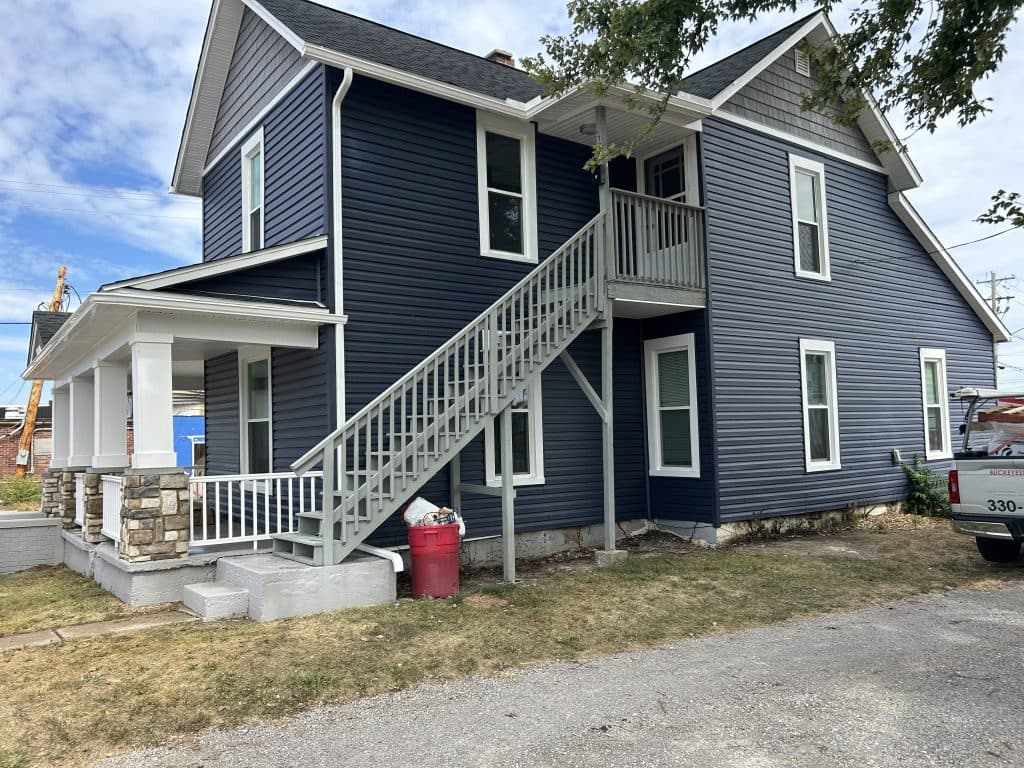
Not all siding materials perform the same way, and the right choice depends on your budget, climate, and maintenance preferences. The table below compares some of the most common options homeowners consider, though a contractor can help narrow things down further based on your home’s specific exposure and architectural style.
| Material | Average Lifespan | Maintenance Level | Typical Cost Range |
| Vinyl | 20 to 40 years | Low | Affordable |
| Fiber cement | 30 to 50 years | Low to moderate | Mid-range to premium |
| Wood | 20 to 40 years with upkeep | High | Mid-range |
| Engineered wood | 25 to 30 years | Moderate | Mid-range |
| Aluminum | 30 to 40 years | Low | Mid-range |
A few points to keep in mind when comparing materials:
- Climate considerations: Materials that resist moisture and temperature swings tend to perform better in areas with harsh winters.
- Maintenance commitment: Wood siding offers a classic look but requires more regular upkeep than vinyl or fiber cement.
- Style and resale value: Certain materials, like fiber cement, are increasingly popular with buyers looking for durability paired with a natural wood appearance.
- Insulation compatibility: Ask your contractor about insulated siding options if energy efficiency is a top priority.
Why Fiber Cement Siding Like James Hardie Stands Out
Fiber cement has become one of the most requested upgrades among homeowners weighing durability against cost. Brands like James Hardie have built a reputation for holding up against moisture, pests, and fire better than traditional wood, all while offering a wide range of textures and colors that mimic natural wood grain.
- Resists warping, cracking, and pest damage far better than wood
- Holds paint longer, which reduces the frequency of repainting
- Backed by long manufacturer warranties on many popular product lines
What Affects Cost: Labor, House Size, and Other Factors
Siding replacement costs are shaped by more than just the material itself. Labor costs, house size, and other factors like the number of corners, windows, and stories all play a role in the final estimate.
- Labor costs: More complex installations, such as homes with multiple stories or intricate trim work, require additional labor hours.
- House size: Larger homes naturally require more material and labor time to complete.
- Other factors: Removal of old siding, repairs to hidden damage, and material upgrades can all shift the total project cost.
Simple Ways to Save Money on Siding Replacement
While siding replacement is a meaningful investment, there are practical ways to save money without cutting corners on quality. A little planning ahead often makes the biggest difference in the final price.
- Get multiple detailed estimates to compare pricing and scope
- Schedule during the contractor’s slower season when possible
- Ask about mid-range material options that balance cost and durability
- Bundle siding work with other exterior projects to reduce overall labor costs
Work With Trusted Siding Contractors You Can Count On
Siding does more work than most homeowners realize, quietly protecting your home from moisture, wind, and temperature extremes every day. Ignoring warning signs like cracked panels, rot, or rising energy bills almost always leads to more extensive and expensive repairs down the road. Homeowners throughout Parma Heights and surrounding areas count on experienced contractors to identify the real issue and recommend siding that fits both their home and their budget.
Replacing siding at the right time protects far more than appearances. It safeguards the structure underneath, keeps energy costs in check, and gives you one less thing to worry about as the seasons change year after year.
If you’ve noticed any of the warning signs covered in this guide, don’t wait for the damage to spread. Contact us today and let the team at Buckeye State Roofing inspect your siding and help you plan a replacement that protects your home for years to come.