
Signs You Need A New Roof: 8 Warning Signals In 2026
6/16/26
7 Min Read
Signs you need a new roof are not always obvious from the ground. While some roofing problems develop gradually, others can quickly lead to leaks, structural damage, and expensive repairs if left unaddressed. Recognizing the warning signs early can help homeowners avoid larger issues and plan for a roof replacement before significant damage occurs. If you’re concerned about the condition of your roof, a professional roof inspection can help identify potential problems and determine whether replacement may be necessary.
- Prevents water damage: Stops leaks before they spread
- Protects structural components: Reduces hidden deterioration
- Improves energy efficiency: Supports attic performance
- Enhances curb appeal: Improves home appearance
- Avoids costly repairs: Addresses issues proactively
Knowing what to look for can help homeowners make informed roofing decisions and protect their investment.
How Long Does A Roof Typically Last?
Roof lifespan varies depending on roofing material, climate conditions, installation quality, and maintenance history.
Common lifespan ranges include:
- Asphalt shingle roof: 20–30 years
- Architectural shingles: 25–35 years
- Metal roof: 40–70 years
- Tile roofing: 50 years or more
- Slate roofing: Often exceeds 75 years
Even durable roofing systems eventually reach the point where replacement becomes more practical than continued repairs.
8 Warning Signals You Need A New Roof
Several indicators suggest a roof may be nearing the end of its useful lifespan.
1. Missing Or Damaged Shingles
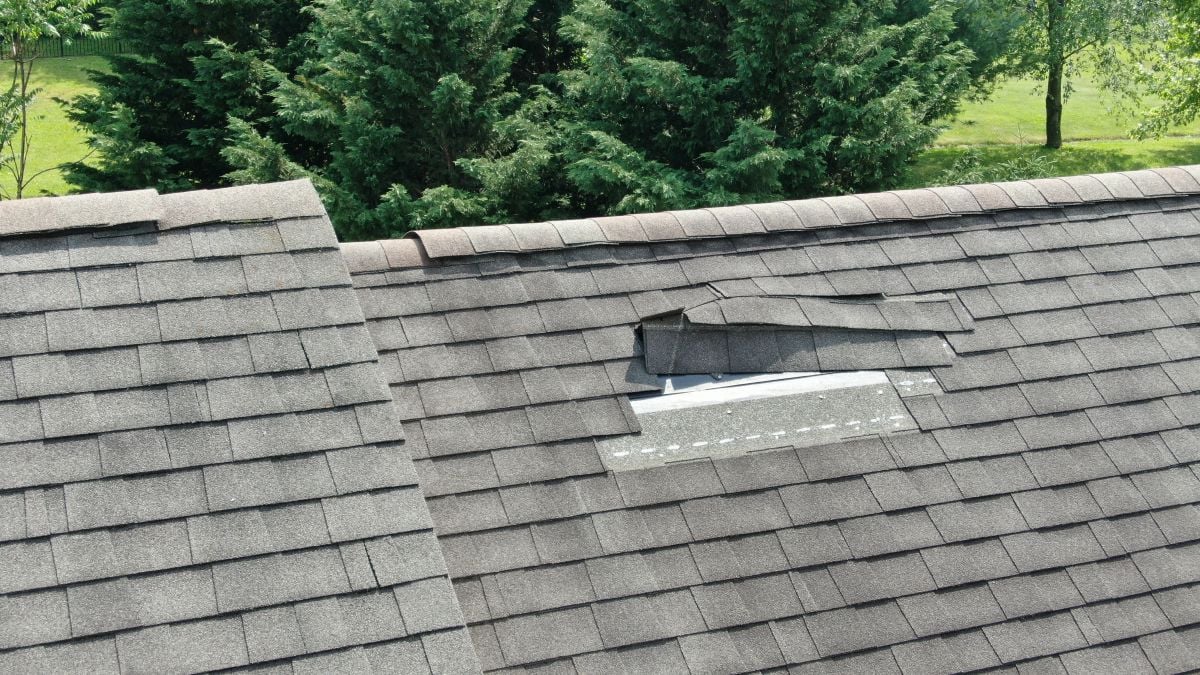
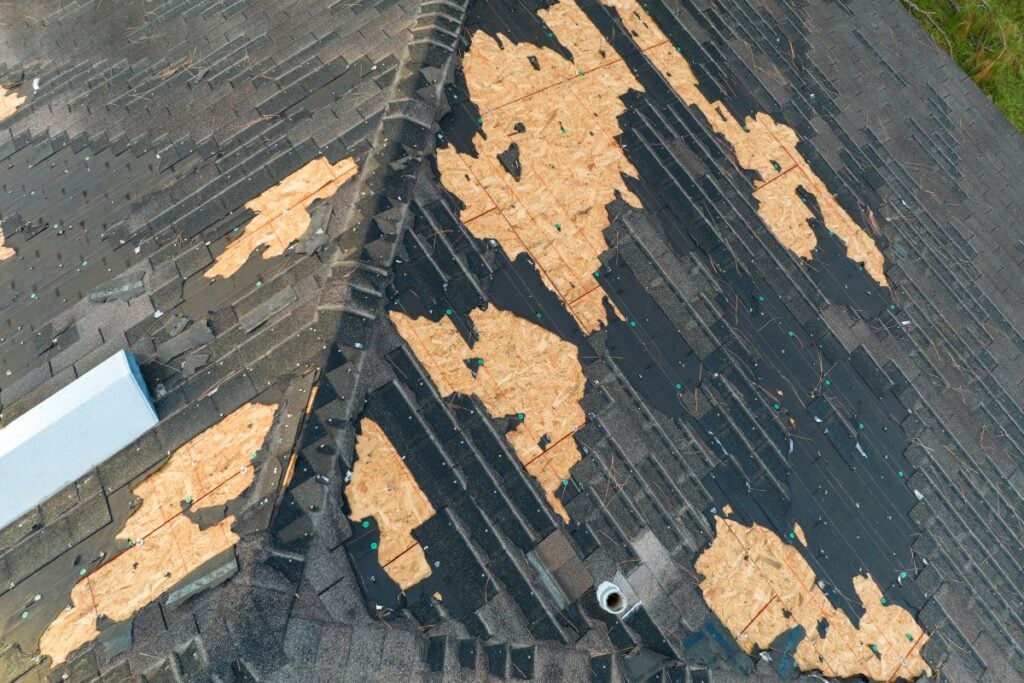
Missing shingles are one of the most common signs of roof deterioration. Damaged, cracked, curling, or loose shingles reduce the roof’s ability to shed water effectively and protect the home.
- Missing shingles: Expose underlying materials
- Cracked shingles: Reduce weather resistance
- Curling edges: Indicate aging roofing materials
2. Frequent Roof Leaks
Recurring leaks often signal more extensive roofing problems than a simple repair can solve. Water intrusion can damage insulation, drywall, and structural components over time.
- Ceiling stains: Common leak indicator
- Attic moisture: Suggests roofing failure
- Water damage: Can spread throughout the home
3. Granules In Gutters
Asphalt shingles contain protective granules that help shield the roof from UV exposure and weather damage. Excessive granule loss is often a sign that shingles are deteriorating.
- Granule buildup: Indicates aging shingles
- Reduced protection: Increases weather exposure
- Shortened lifespan: Signals roof wear
4. Sagging Roof Areas
A sagging roof may indicate serious issues affecting the roof deck or underlying roof structure. This problem often requires immediate professional evaluation.
- Uneven roof lines: Suggest structural concerns
- Moisture damage: Weakens decking materials
- Safety risk: May require urgent attention
5. Storm Damage
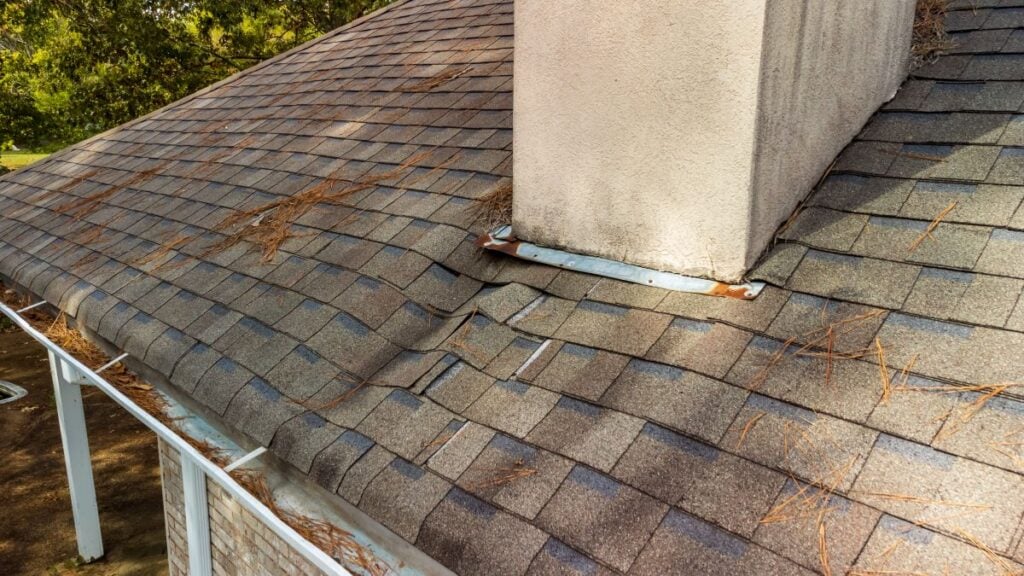
Severe weather can significantly reduce roof lifespan. Wind, hail, and falling debris can damage shingles and create vulnerabilities that lead to leaks.
- Hail damage: Bruises or cracks shingles
- Wind damage: Removes roofing materials
- Impact damage: Creates leak entry points
6. Moss Or Algae Growth
While small amounts of discoloration may be cosmetic, significant moss growth can trap moisture against the roof surface and accelerate deterioration.
- Moisture retention: Increases roof wear
- Material breakdown: Speeds aging process
- Drainage concerns: May affect water flow
7. Rising Energy Bills
An aging roofing system can contribute to poor attic ventilation and reduced insulation performance. This may force HVAC systems to work harder throughout the year.
- Heat buildup: Affects indoor comfort
- Poor ventilation: Reduces efficiency
- Higher utility costs: May indicate roofing issues
8. Roof Age Exceeds Expected Lifespan
Even if no major problems are visible, an older roof approaching the end of its expected lifespan may require replacement to avoid future issues. According to the National Roofing Contractors Association, most new roofs are designed to provide useful service for about 20 years, with actual lifespan determined by local climatic conditions, material quality, proper installation, and adequate maintenance — making a roof approaching that threshold a strong candidate for professional evaluation even when no major problems are immediately visible.
- Aging materials: Lose effectiveness over time
- Increased repair frequency: Signals deterioration
- Replacement planning: Helps avoid emergencies
What Happens If You Delay Roof Replacement?
Postponing roof replacement can allow minor issues to develop into more significant and expensive problems. Water intrusion, structural deterioration, and insulation damage often become worse over time.
Increased Water Damage
Small leaks can quickly expand and affect multiple areas of the home. Water damage often extends beyond the roofing system itself.
- Interior staining: Damages ceilings and walls
- Mold growth: Develops in damp areas
- Structural deterioration: Weakens building materials
Higher Repair Costs
As roofing issues worsen, repairs often become more extensive and expensive.
- Additional labor: More repairs required
- Material replacement: Larger affected areas
- Long-term expenses: Costs continue to rise
Reduced Home Value
Visible roofing problems can negatively affect curb appeal and buyer confidence.
- Lower resale appeal: Deters buyers
- Inspection concerns: May affect transactions
- Property value impact: Reduces marketability
Roof Replacement vs Roof Repair
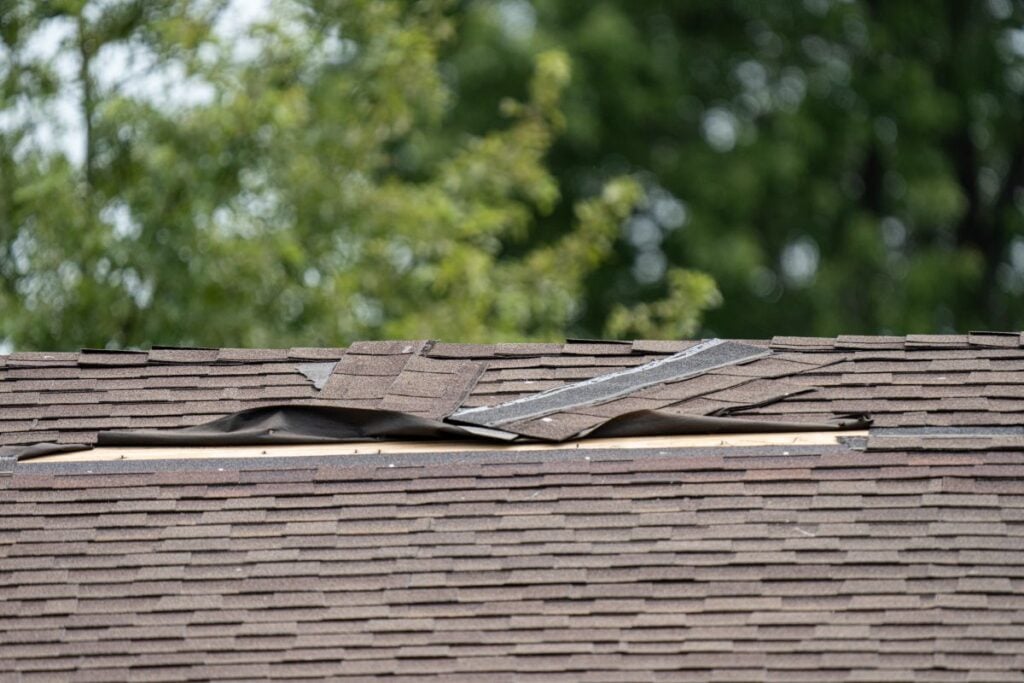
Not every roofing issue requires a complete replacement. The right solution depends on the age, condition, and extent of damage affecting the roof.
When Repairs May Be Enough
Minor issues can often be corrected without replacing the entire roofing system.
- Limited storm damage: Small affected areas
- Isolated leaks: Localized repairs possible
- Newer roof systems: Significant lifespan remaining
When Replacement Makes More Sense
Replacement is often the better option when widespread deterioration affects the roofing system.
- Extensive damage: Multiple problem areas
- Old roof: Nearing end of lifespan
- Frequent repairs: Increasing maintenance costs
Roof Lifespan Comparison Table
Different roofing materials offer different service lives and performance expectations.
| Roofing Material | Typical Lifespan |
| 3-Tab Asphalt Shingles | 20–25 Years |
| Architectural Shingles | 25–35 Years |
| Metal Roof | 40–70 Years |
| Clay Tile Roof | 50+ Years |
| Slate Roof | 75+ Years |
Routine inspections help maximize lifespan regardless of roofing material.
Additional Signs Of Roofing Problems
Beyond the major warning signals, several smaller indicators can suggest a roof is beginning to fail.
- Damaged flashing: Creates leak opportunities
- Loose roofing materials: Reduces protection
- Visible daylight in attic: Indicates openings
- Rotting roof decking: Suggests moisture issues
- Frequent repairs: May indicate replacement is needed
Early detection can help homeowners avoid more extensive roofing problems.
Frequently Asked Questions About Roof Replacement
Many homeowners are unsure whether their roof needs repairs or full replacement. Understanding common warning signs can help guide the decision.
How do I know if my roof needs replacement or repair?
The answer depends on the age of the roof and the extent of damage. A professional inspection can determine whether repairs are sufficient or if replacement is the more cost-effective solution.
Can missing shingles mean I need a new roof?
Sometimes. A few missing shingles may only require repairs, but widespread shingle loss often indicates larger roofing problems that may justify replacement.
How often should a roof be inspected?
Most roofing professionals recommend inspections at least once per year and after major storms. Regular inspections help identify problems before they become costly.
Does a sagging roof always mean replacement is needed?
Not always, but sagging areas often indicate structural issues that require immediate attention. Professional evaluation is important to determine the appropriate solution.
Can a new roof improve energy efficiency?
Yes. Modern roofing materials, improved ventilation, and updated insulation systems can help improve energy efficiency and indoor comfort.
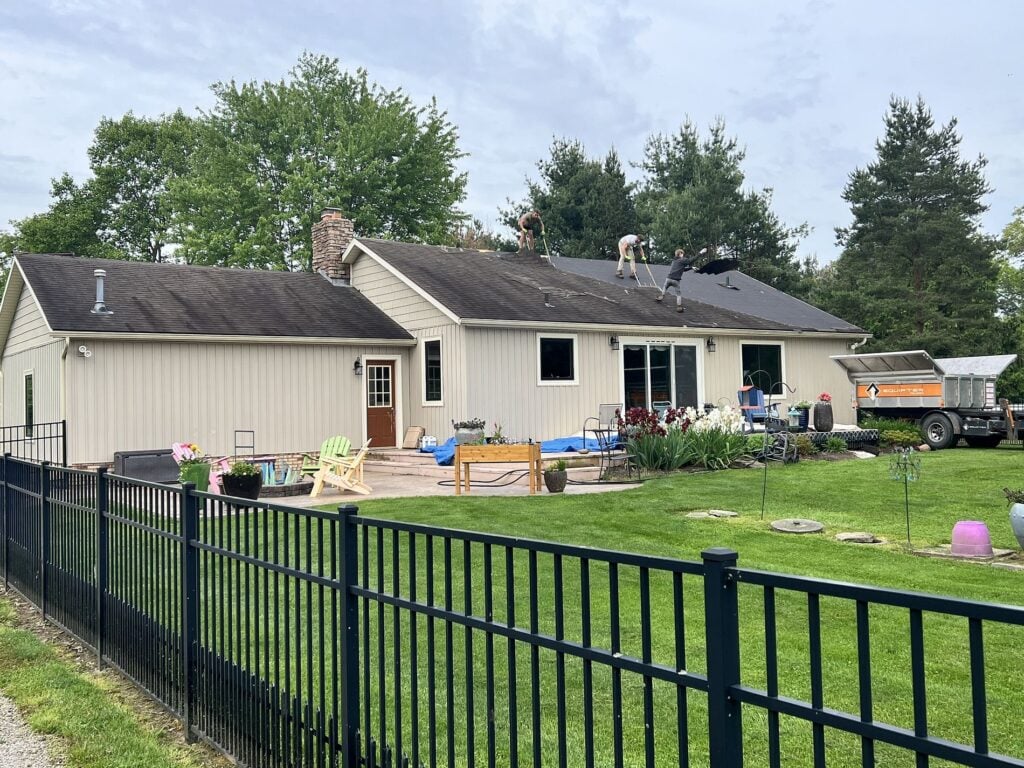
Protect Your Home With Buckeye State Roofing
Recognizing the signs you need a new roof can help prevent water damage, structural problems, and costly emergency repairs. Addressing roofing concerns early often saves homeowners time, money, and stress.
Buckeye State Roofing provides roof inspections, roof replacement services, and roofing expertise throughout Northeast Ohio. Schedule a roof evaluation to assess the condition of your roof and discuss the best solution for your home.
