
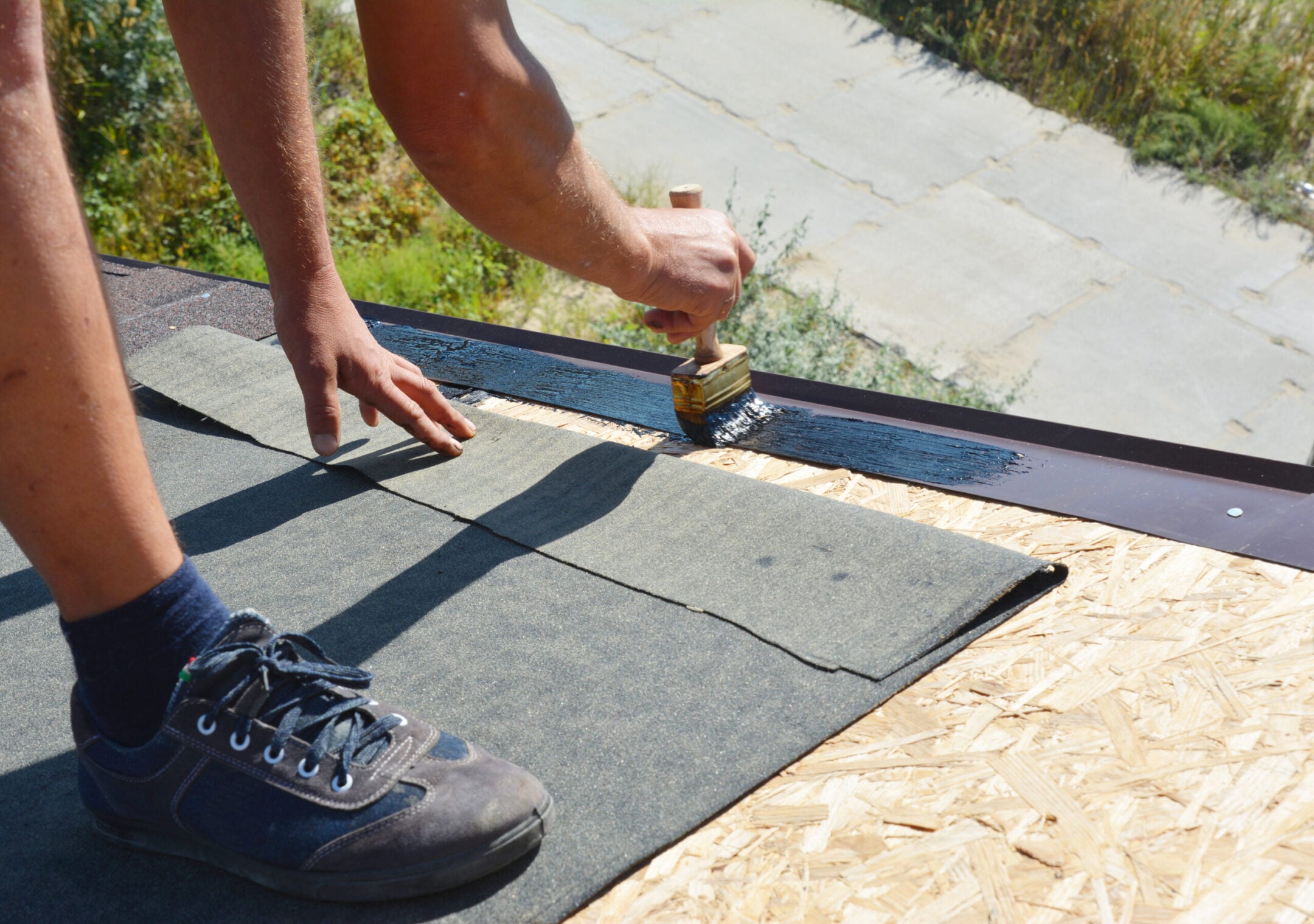
Single Ply Membrane Roof (Types, Lifespan & More)
4/07/26
6 Min Read
When it comes to flat and low-slope commercial roofing, a single ply membrane roof is one of the most widely used and reliable systems available. Known for flexibility, durability, and cost efficiency, these roofing systems are designed to protect large roof surfaces while standing up to weather, UV exposure, and temperature changes. They are especially popular for commercial buildings where long-term performance and efficiency are key priorities.
- Lightweight roofing system: Ideal for large commercial roof structures
- Flexible material design: Expands and contracts with temperature changes
- Strong weather resistance: Handles UV exposure, rain, and wind
- Energy efficiency potential: Reflective options help reduce heat absorption
- Long-term performance: Designed for durability with proper installation
Understanding the types, lifespan, and key benefits of single ply membrane roofing can help property owners make informed decisions when planning a roof installation or replacement.
What Is a Single Ply Membrane Roof?
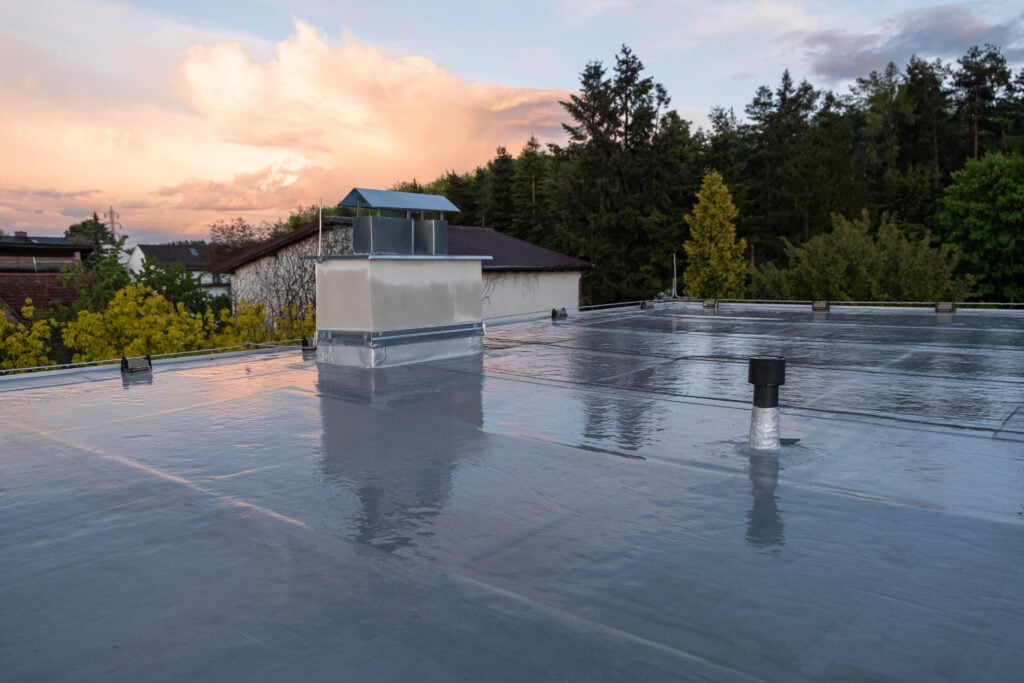
A single ply membrane roof is a roofing system made from flexible sheets of synthetic material that are applied in a single layer across a flat or low-slope roof. These membranes are designed to create a watertight barrier that protects the roof deck and building interior from moisture. Because the system is installed as a single layer, it simplifies the installation process while still providing strong protection.
Single ply systems are commonly used in commercial roofing because they are lightweight, relatively quick to install, and adaptable to a wide range of building designs. The membrane is typically secured using mechanical fasteners, adhesives, or ballast, depending on the specific system. This versatility makes single ply roofing a practical solution for many commercial and industrial properties, especially those with large surface areas.
3 Types of Single Ply Membrane Roofing
There are several types of single ply membrane roofing systems, each offering unique benefits depending on the building’s needs and environmental conditions. Choosing the right type often depends on factors such as exposure to chemicals, temperature fluctuations, and long-term maintenance expectations.
1. TPO Roofing (Thermoplastic Polyolefin)
TPO is one of the most popular single ply roofing materials due to its affordability and energy efficiency. It is commonly used on commercial buildings looking to improve energy performance without significantly increasing installation costs.
- Reflective surface: Helps reduce cooling costs
- Heat-welded seams: Creates strong, watertight bonds
- UV resistance: Performs well under sun exposure
2. PVC Roofing (Polyvinyl Chloride)
PVC roofing is known for durability and resistance to chemicals, making it ideal for certain commercial applications. It is often chosen for buildings where exhaust systems or grease exposure may be a concern.
- Chemical resistance: Ideal for restaurants or industrial buildings
- Strong seams: Heat-welded for durability
- Fire resistance: Offers added safety benefits
3. EPDM Roofing (Ethylene Propylene Diene Monomer)
EPDM is a rubber roofing membrane known for flexibility and long-term performance. It performs especially well in climates with wide temperature swings.
- Rubber material: Highly flexible in varying temperatures
- Weather durability: Handles extreme weather conditions
- Cost effective: Often more affordable upfront
Lifespan of Single Ply Membrane Roofs
The lifespan of a single ply membrane roof depends on the material used, installation quality, and ongoing maintenance. While these systems are designed for durability, their performance over time is directly tied to how well they are installed and maintained.
- TPO lifespan: Typically 15–25 years
- PVC lifespan: Often 20–30 years
- EPDM lifespan: Can reach 25–30 years with proper care
Regular inspections, timely repairs, and proper drainage all play a role in extending the lifespan of a single ply roofing system. Working with an experienced roofing contractor can help ensure the system performs as expected over time.
Installation Methods for Single Ply Roofing
Single ply membrane systems can be installed using different methods depending on the building structure and project requirements. Choosing the right method ensures the membrane performs properly, resists weather exposure, and maintains long-term durability across the entire roof surface.
Mechanically Fastened Systems
This method uses fasteners to secure the membrane directly to the roof deck. It is commonly used for large commercial buildings because it offers strong wind resistance and consistent performance across wide roof spans. It is also one of the more efficient installation methods.
Fully Adhered Systems
In this system, the membrane is bonded directly to the roof deck using adhesives. This creates a smooth, uniform appearance and provides full surface adhesion, which can improve durability and reduce the risk of membrane movement over time.
Ballasted Systems
Ballasted systems use stone or pavers to hold the membrane in place. This approach can help protect the membrane from UV exposure and reduce movement, making it a practical option for certain flat roof designs where structural support allows.
Benefits of Single Ply Membrane Roofing
Single ply roofing systems offer several advantages that make them a preferred choice for commercial properties. These systems are designed to balance performance, efficiency, and cost, making them a practical solution for many building owners.
- Durability: Designed to withstand weather exposure and temperature changes
- Flexibility: Adapts to building movement and seasonal expansion
- Low maintenance: Requires minimal upkeep compared to other systems
- Energy efficiency: Reflective surfaces can help reduce cooling costs
- Lightweight design: Reduces structural stress on the building
These benefits make single ply membrane roofing a reliable and cost-effective solution for a wide range of commercial roofing applications.
Frequently Asked Questions About Single Ply Membrane Roofs
Understanding how single ply systems work can help property owners make confident decisions about installation, maintenance, and long-term performance. Below are answers to common questions about these roofing systems.
How do I know which single ply membrane is best?
The right choice depends on your building type, budget, and environmental conditions. A roofing contractor can help evaluate your needs and recommend whether TPO, PVC, or EPDM is the best fit.
Are single ply roofs good for all climates?
Yes, single ply membranes are designed to perform well in a variety of climates, including areas with strong sun exposure, heavy rain, and temperature fluctuations. Their flexibility allows them to adapt to different environmental conditions.
Can a single ply membrane roof be repaired?
Yes, most single ply systems can be repaired if damage occurs. Addressing small issues early can help extend the life of the roof and prevent more extensive repairs later.
How often should a single ply roof be inspected?
It’s recommended to have a professional inspection at least once or twice a year, as well as after major weather events. Regular inspections help catch potential problems early and maintain roof performance.
Reliable Commercial Roofing with Buckeye State Roofing
A properly installed single ply membrane roof can provide long-lasting protection and performance for commercial properties. Choosing the right material and installation method is key to getting the most value from your roofing system.
Buckeye State Roofing proudly provides commercial roofing services, roof replacements, and inspections throughout Northeast Ohio. Contact our team today to learn more about single ply membrane roofing and find the right solution for your building.
