Storm Damage Restoration: What Homeowners Should Do
9/24/26
8 Min Read
When severe weather leaves your home damaged, the path back to normal can feel overwhelming, which is why understanding storm damage restoration before you need it makes such a difference. Wind, hail, falling trees, and heavy rain can affect far more than shingles, and the choices you make in the first few days shape the cost and speed of recovery. For homeowners in Parma and surrounding areas, working with a roofing team that knows how every part of a home fits together keeps the process organized. This guide walks through the process.
In this post, you’ll learn:
- Why a quick, organized response to storm damage protects your home
- The seven steps of a typical storm damage restoration process
- Which parts of your home storms most often damage
- How to choose a restoration contractor you can trust
- What to expect from start to finish
Why Storm Damage Restoration Needs a Plan
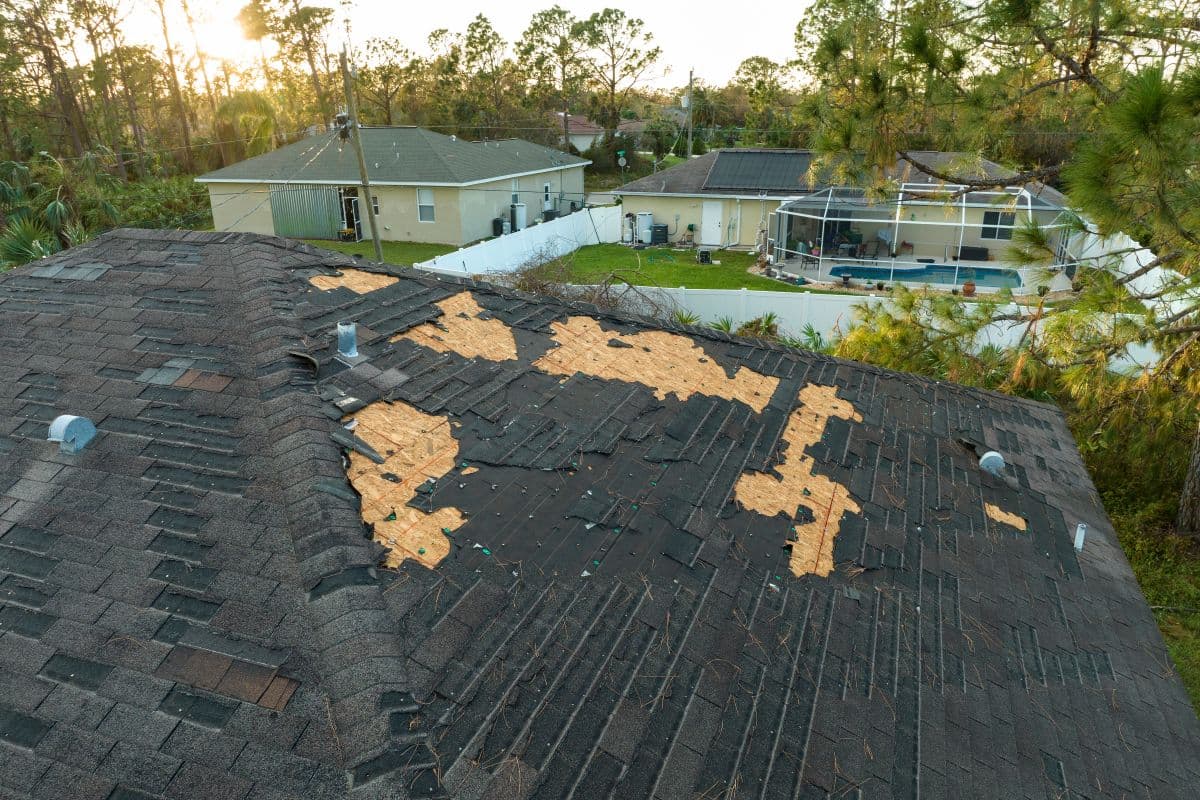
Storm damage rarely stays in one place. Water that gets through a damaged roof can soak insulation, stain ceilings, and feed mold in walls, and wind that lifts shingles can also loosen siding, gutters, and flashing. Homeowners throughout Parma and surrounding areas who approach restoration with a clear plan tend to recover faster and spend less than those who handle repairs one problem at a time, because a single plan keeps every contractor, adjuster, and repair task working toward the same goal.
- Limits secondary damage: Acting quickly keeps water from spreading into insulation, drywall, and framing where repairs get far more expensive.
- Supports your insurance claim: Organized documentation and timely reporting make it easier to get fair coverage for the full scope of damage.
- Restores safety and comfort: A properly restored home protects your family from leaks, mold, and structural weakness.
- Protects home value: Complete, quality repairs keep storm damage from becoming a problem during a future sale.
- Reduces stress: Following a clear process turns an overwhelming situation into a series of manageable steps.
- Prevents repeat repairs: Addressing the root cause of damage the first time keeps the same problem from returning after the next storm.
7 Steps in the Storm Damage Restoration Process
Every storm is different, but restoration generally follows the same path from emergency response to final repairs. Here are the seven steps most homeowners will go through.
1. Make the Home Safe
Before anything else, make sure everyone is safe and the property is secure. Downed power lines, unstable trees, and standing water create real hazards after a storm, so avoid damaged areas until they are cleared. If you smell gas or see structural damage, leave the home and call emergency services right away.
- Stay away from downed lines and report them to your utility
- Turn off power to any area with water intrusion if it is safe to do so
- Keep children and pets away from debris and damaged structures
2. Document All Damage
Take photos and video of everything affected, inside and out, before cleanup begins. Thorough records support your insurance claim and give your contractor a clear starting point. Even small details, like a dented vent or a stained ceiling corner, can matter later when the full scope of repairs is reviewed.
- Capture wide shots and close-ups of each damaged area
- Photograph damaged belongings and note their approximate value
- Record the date and time of the storm for your claim
3. Stop Further Damage With Temporary Repairs
Once the home is safe and documented, protect it from additional weather. Tarping a damaged roof or boarding a broken window keeps rain out while permanent repairs are arranged. These measures are meant to be short term, but they can prevent thousands of dollars in additional interior damage.
- Ask a professional about emergency tarping for roof damage
- Avoid climbing onto a wet or damaged roof yourself
- Save receipts for temporary repairs since they are often reimbursable
4. File Your Insurance Claim

Contact your insurance provider as soon as you can and provide your documentation. Most policies require prompt notice, and starting early helps avoid delays when many neighbors are filing at once. Being one of the first claims in the queue often means an earlier adjuster visit and a faster path to repairs.
- Ask about your deductible and what your policy covers
- Request a timeline for the adjuster’s visit
- Keep a log of every call, email, and claim number
5. Get a Professional Damage Assessment
A trained roofer or restoration contractor can find damage that is invisible from the ground, such as bruised shingles, compromised flashing, and wet insulation. Their written report helps ensure the claim reflects the true scope of the work. This step is especially valuable because adjusters sometimes miss hidden damage that only shows up on a closer inspection.
- Request photos taken directly on the roof and in the attic
- Ask for an itemized report you can share with your insurer
- Compare the contractor’s findings with the adjuster’s estimate
6. Complete Permanent Repairs
After the claim is approved and the scope is agreed on, the real restoration work begins. This may include roof repair or replacement, siding and gutter work, drywall and insulation replacement, and interior finishing. Larger projects are often completed in phases, with the most urgent weatherproofing work handled first.
- Confirm the scope of work matches what your claim approved
- Ask about materials, timelines, and warranty coverage
- Make sure repairs address root causes, not just visible symptoms
7. Final Walkthrough and Follow-Up
Once the work is done, walk the property with your contractor to confirm everything meets expectations. Keep all paperwork, warranties, and inspection records together for future reference.
- Check that cleanup is complete and debris has been removed
- Collect warranty documents for materials and workmanship
- Schedule a follow-up inspection after the next major storm
Areas of Your Home Storms Commonly Damage
Roof damage gets the most attention, but storms can affect many parts of a home at once. Homeowners in Parma and surrounding areas should look at the whole property rather than assuming only the roof was hit, since overlooked damage tends to surface months later as leaks, rot, or higher energy bills.
Roofing and Flashing
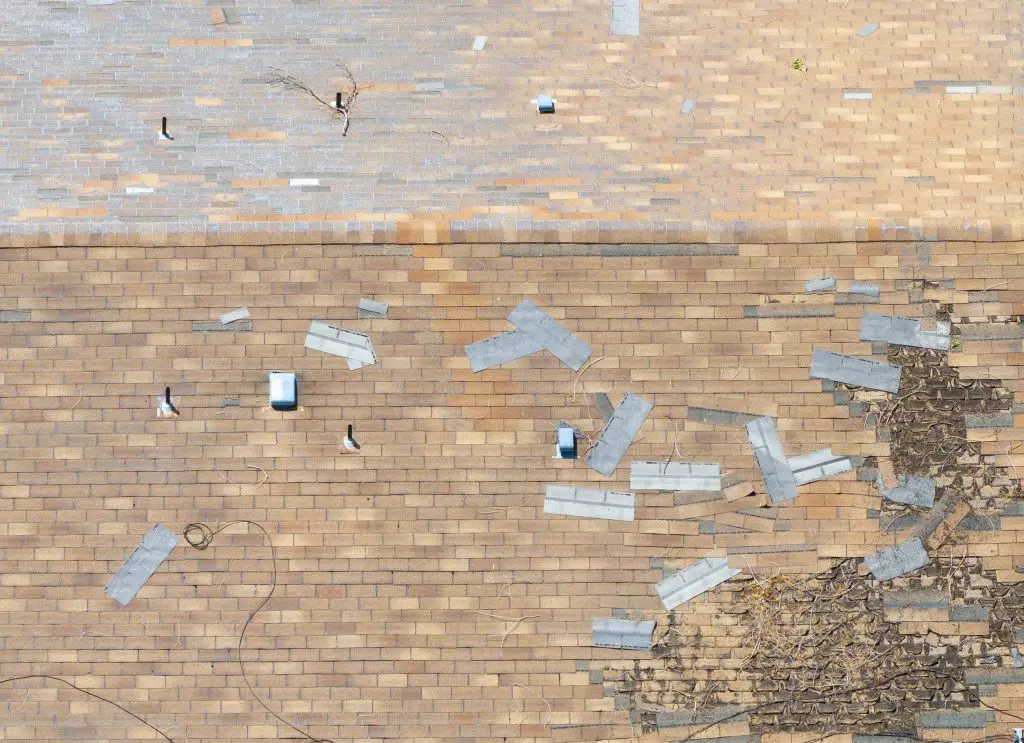
Wind can lift or tear shingles, hail can bruise and crack them, and falling limbs can puncture the surface. Flashing around chimneys and vents is especially vulnerable and often the first place leaks begin.
Siding and Gutters
Strong winds and flying debris can crack siding panels and pull gutters away from the fascia. Damaged gutters can send water down the walls and toward the foundation, causing problems well beyond the exterior.
Windows and Doors
Hail and debris can crack glass or damage frames, while heavy rain can force water past worn seals. Check for fogging between panes, drafts, and water stains around trim.
Attic and Interior Spaces
Water often shows up first in the attic as damp insulation, darkened wood, or musty odors. Left alone, it can spread into ceilings and walls, leading to mold and costly drywall replacement.
How to Choose the Right Restoration Contractor

After a major storm, homeowners are often approached by contractors they have never heard of, so it pays to know what to look for before signing anything. Taking a day or two to compare options is almost always worth it. The table below contrasts the signs of a dependable contractor with common warning signs.
| What to Look For | Green Flag | Red Flag |
| Local presence | Established local business with real references | Out-of-area crews that appear only after storms |
| Estimates | Detailed, itemized written estimate | Vague or verbal quote with pressure to sign immediately |
| Insurance | Proof of liability and workers’ compensation coverage | Unwillingness to share insurance documents |
| Payment | Reasonable deposit with a clear payment schedule | Demand for full payment before work begins |
| Communication | Clear updates and a single point of contact | Hard to reach and slow to answer questions |
A few additional tips can help you feel confident in your decision:
- Check reviews and references: Past customers can tell you how a contractor handles problems and deadlines.
- Get everything in writing: Scope, materials, timelines, and warranties should all appear in the contract.
- Be cautious with insurance promises: No reputable contractor can guarantee how your insurer will rule on a claim.
- Choose experience over speed: Quality restoration takes careful work, and rushing often leads to repeat problems.
- Ask about warranties: A contractor who stands behind materials and workmanship in writing is showing confidence in the quality of the finished job.
Rely on Buckeye State Roofing for Storm Damage Restoration
Storm damage restoration is easier when you know what comes next and have a trusted team beside you. Quick action, careful documentation, and quality repairs protect your home, your insurance claim, and your peace of mind. Homeowners throughout Parma and surrounding areas count on experienced professionals who look at the whole picture and make sure repairs are done right the first time.
The weeks after a storm can be hectic, but a steady, step-by-step approach keeps you in control of the process. With the right preparation and the right partner, your home can be restored to a condition that is every bit as strong and comfortable as it was before the weather hit.
If your home has been hit by severe weather, don’t wait for small problems to grow. Contact us today and let the team at Buckeye State Roofing inspect the damage, explain your options, and guide you through every step of restoration.