
Tile Roof Repair: 8 Critical Signs And Smart Fixes
5/05/26
7 Min Read
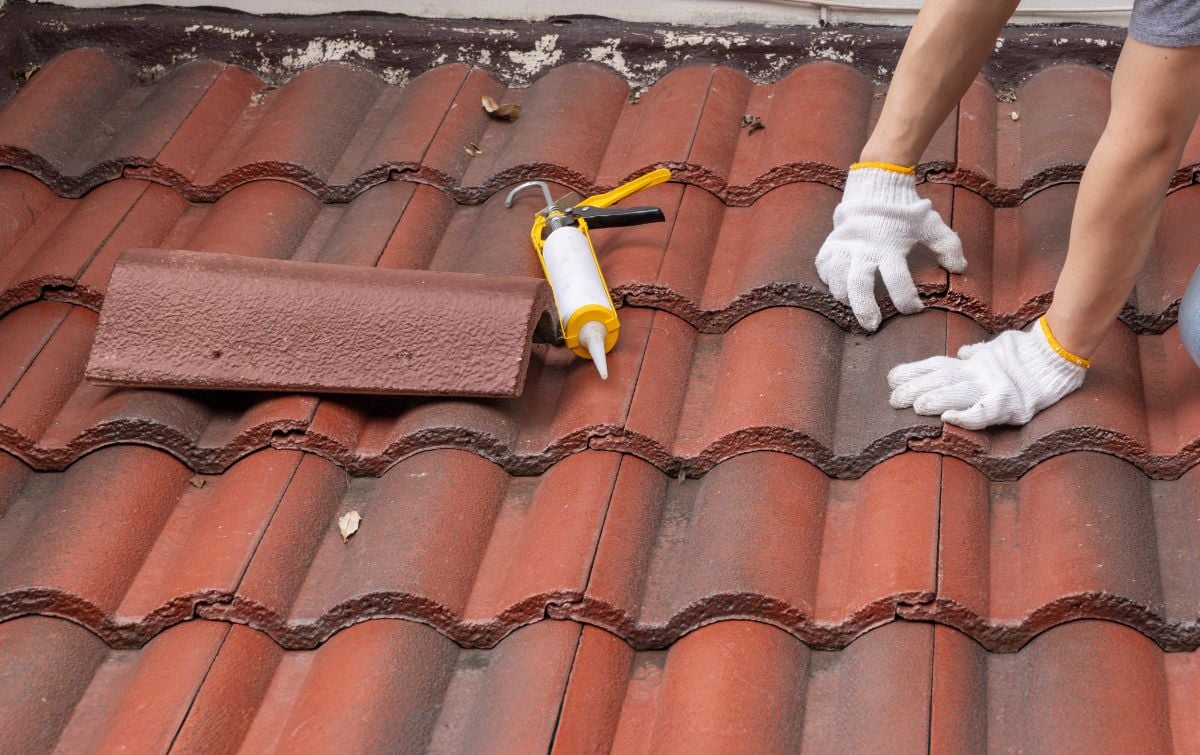
Proper tile roof repair is essential for protecting a home from leaks, structural damage, and long-term roofing issues. Tile roofs are known for their durability and lifespan, but cracked tiles, moisture intrusion, and underlayment wear can still lead to serious problems if repairs are delayed. This is especially true for clay tile roofs exposed to severe weather or aging materials.
- Long-lasting roofing system: Tile roofs can last for decades with proper care
- Leak prevention: Early repairs help stop water intrusion
- Protects structural integrity: Prevents damage beneath the tiles
- Maintains curb appeal: Preserves the appearance of the roof
- Reduces repair costs: Addressing issues early prevents larger problems
Understanding the warning signs of damage and the smartest repair methods helps homeowners protect their investment and extend the life of their roofing system.
What Is Tile Roof Repair?
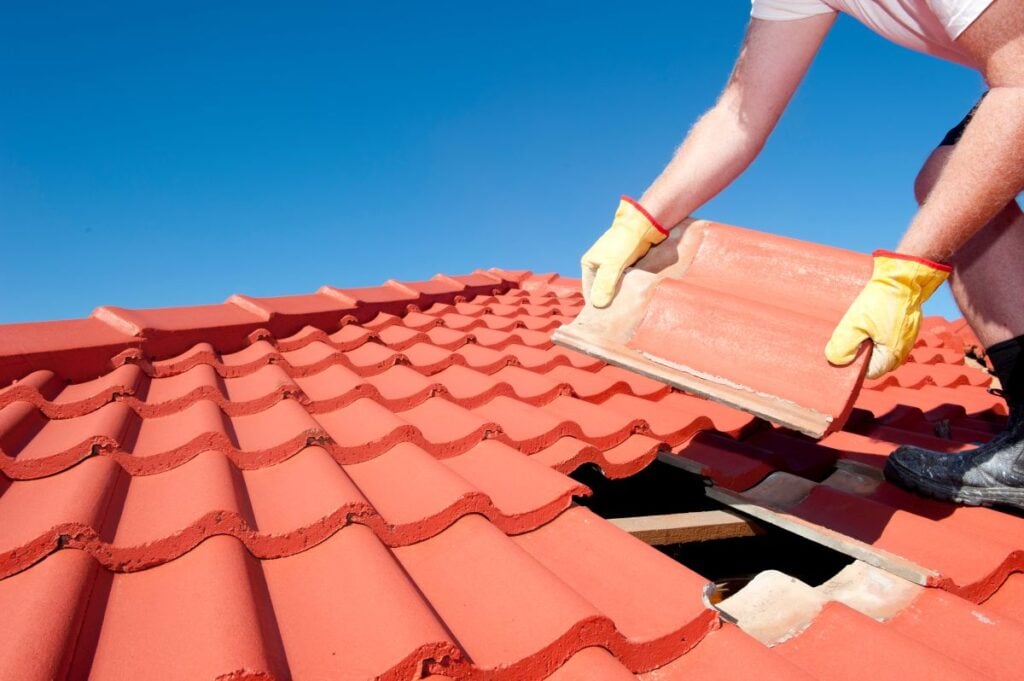
Tile roof repair involves identifying and correcting issues that affect the performance of a tile roofing system. This may include replacing broken roof tiles, repairing flashing, fixing underlayment problems, or addressing leaks caused by weather and aging materials.
Unlike some other roofing systems, tile roofs often allow individual sections to be repaired without replacing the entire roof. Clay tile roofs in particular are known for their longevity, but they can still develop issues from strong winds, falling branches, or improper installation over time. According to the National Roofing Contractors Association, slate, clay tile, and certain metals can last significantly longer than the average 20-year roof lifespan — but only when proper design, quality materials, and adequate maintenance work together to protect the system over time.
8 Critical Signs Your Tile Roof Needs Repair
Recognizing early signs of damage can help homeowners avoid more serious repairs and prevent long-term structural problems.
1. Cracked Or Broken Roof Tiles
Damaged tiles are one of the most obvious warning signs that repairs are needed. Cracks allow moisture to penetrate beneath the roofing surface, increasing the risk of water damage.
- Visible cracks: Exposes the roof to water intrusion
- Loose pieces: Can shift during storms or high winds
- Reduced protection: Weakens the roofing system
2. Roof Leaks Or Water Stains
Water stains on ceilings or walls may indicate a leak developing beneath the tile roof system. Even small leaks can lead to major water damage if ignored.
- Interior staining: Indicates moisture intrusion
- Attic moisture: Suggests hidden roof leaks
- Mold risk: Increased moisture encourages growth
3. Sliding Or Displaced Tiles
Tiles that have shifted out of place expose the underlayment and create vulnerable areas on the roof surface.
- Exposed underlayment: Reduces waterproofing protection
- Storm-related movement: Common after strong winds
- Increased leak risk: Water can enter beneath the tiles
4. Damaged Flashing
Flashing around vents, chimneys, and valleys helps prevent leaks in vulnerable roof areas. Damaged flashing is a common source of moisture intrusion.
- Rust or corrosion: Weakens flashing performance
- Separated seams: Allows water penetration
- Loose sections: Creates vulnerable gaps
5. Underlayment Deterioration
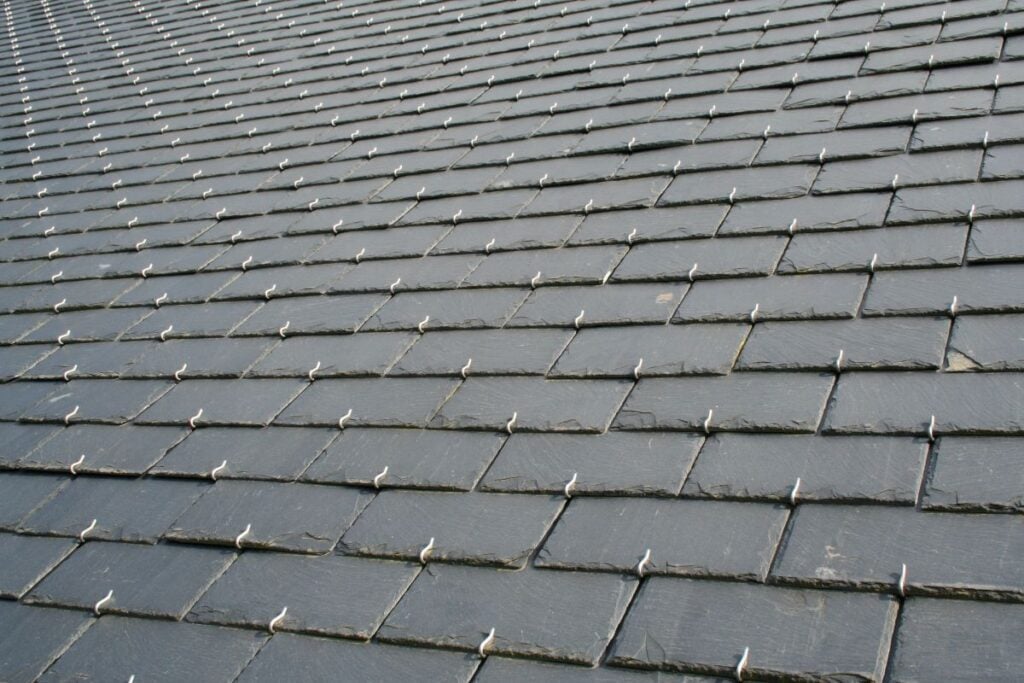
The underlayment beneath tile roofing plays a major role in waterproofing. Over time, aging underlayment can break down and require repair or replacement.
- Aging materials: Lose moisture resistance over time
- Hidden deterioration: May not be visible from outside
- Reduced protection: Increases leak potential
6. Moss Or Algae Growth
Excessive moss or algae can trap moisture on the roof surface and contribute to long-term damage.
- Moisture retention: Increases deterioration risk
- Surface wear: Impacts tile condition
- Drainage issues: Can block water flow
7. Sagging Roof Areas
A sagging roof section may indicate structural issues beneath the tile system. This problem should be inspected immediately to prevent further damage.
- Structural concerns: May involve roof decking
- Visible unevenness: Indicates weakening support
- Safety risk: Requires prompt attention
8. Storm Damage
Severe weather can crack, loosen, or displace roof tiles, especially during strong winds, hailstorms, or impacts from falling branches.
- Impact damage: Cracks caused by debris or hail
- Lifted tiles: Wind can loosen roofing sections
- Emergency repair needs: Immediate action may be necessary
Smart Fixes For Tile Roof Problems
The right repair method depends on the type and severity of the damage. Addressing issues quickly helps preserve the overall roofing system and prevent more expensive repairs later.
Tile Replacement
Replacing damaged tiles is one of the most common tile roof repair methods. A roofing professional can often install replacement tiles without disturbing surrounding sections of the roof.
- Restores protection: Prevents water intrusion
- Preserves appearance: Matches existing roofing materials
- Cost-effective solution: Limits larger repairs
Flashing Repairs
Repairing flashing around penetrations and valleys helps eliminate common leak points and improve waterproofing.
- Seals vulnerable areas: Prevents leaks
- Improves drainage: Directs water properly
- Protects transitions: Reinforces weak points
Underlayment Replacement
If moisture reaches beneath the tiles, underlayment replacement may be required to restore protection.
- Restores waterproof barrier: Improves moisture resistance
- Supports tile system: Protects structural deck
- Extends roof lifespan: Improves long-term performance
Roof Cleaning And Maintenance
Routine maintenance helps remove debris, moss, and buildup that contribute to roof deterioration.
- Prevents moisture buildup: Reduces damage risk
- Improves drainage: Keeps water flowing properly
- Maintains appearance: Preserves curb appeal
Tile Roof Repair Cost Comparison
Repair costs vary depending on the extent of the damage and the type of repair required.
| Repair Type | Typical Cost Level | Best For | Urgency Level |
| Tile Replacement | Low-Medium | Cracked or broken tiles | Medium |
| Flashing Repair | Medium | Leak-prone areas | High |
| Underlayment Repair | Medium-High | Moisture intrusion | High |
| Roof Cleaning | Low | Moss and debris buildup | Medium |
| Structural Repair | High | Sagging roof sections | Critical |
Addressing smaller issues early often helps homeowners avoid more expensive repairs later.
Common Causes Of Tile Roof Damage
Several factors can contribute to tile roof deterioration over time. Identifying the source of the problem helps determine the best repair approach.
- Strong winds: Can loosen or crack roof tiles
- Falling branches: Often cause direct impact damage
- Improper installation: Reduces long-term roof performance
- Aging underlayment: Weakens waterproof protection
- Moisture exposure: Increases risk of water damage
Routine inspections from a roofing professional help catch these issues before they become severe.
Benefits Of Prompt Tile Roof Repair
Timely repairs help maintain the performance and lifespan of a tile roofing system while reducing the risk of major structural damage.
- Prevents leaks: Stops moisture intrusion early
- Protects underlayment: Maintains waterproofing layers
- Extends roof lifespan: Reduces wear over time
- Maintains energy efficiency: Supports indoor temperature control
- Protects property value: Keeps the roof in strong condition
These benefits make proactive maintenance an important part of tile roof ownership.
When To Consider Full Tile Roof Replacement
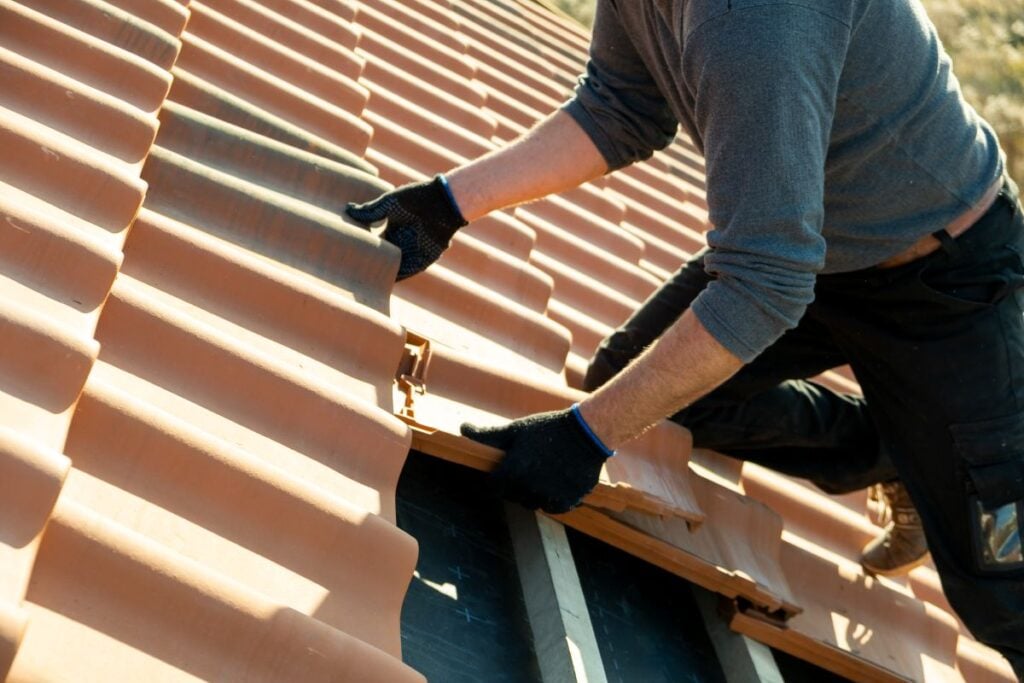
While many tile roof issues can be repaired, some situations require a full replacement instead of continued repairs.
- Widespread tile damage: Large sections affected
- Severe underlayment failure: Waterproofing no longer effective
- Structural deterioration: Roof deck damage present
- Advanced roof age: System near end of lifespan
A roofing professional can determine whether repair or replacement is the best long-term solution.
Frequently Asked Questions About Tile Roof Repair
Tile roof systems require specialized maintenance and repair techniques. Understanding common concerns helps homeowners make informed decisions.
Can broken roof tiles be replaced individually?
Yes, individual tiles can often be replaced using matching replacement tiles without replacing the full roof.
How long does tile roof repair take?
Smaller repairs may take a few hours, while larger repairs can require multiple days depending on the damage.
Are clay tile roofs difficult to repair?
Clay tile roofs require specialized handling because the materials can crack if walked on improperly.
How often should tile roofs be inspected?
Tile roofs should typically be inspected annually and after major storms.
Protect Your Roof With Buckeye State Roofing
Tile roof repair is essential for preventing leaks, protecting structural integrity, and extending the lifespan of your roofing system. Addressing damage early helps homeowners avoid costly repairs and maintain long-term roof performance.
Buckeye State Roofing provides expert inspections, repairs, and replacement services throughout Northeast Ohio. Contact our team today to keep your tile roof in top condition year-round.
