
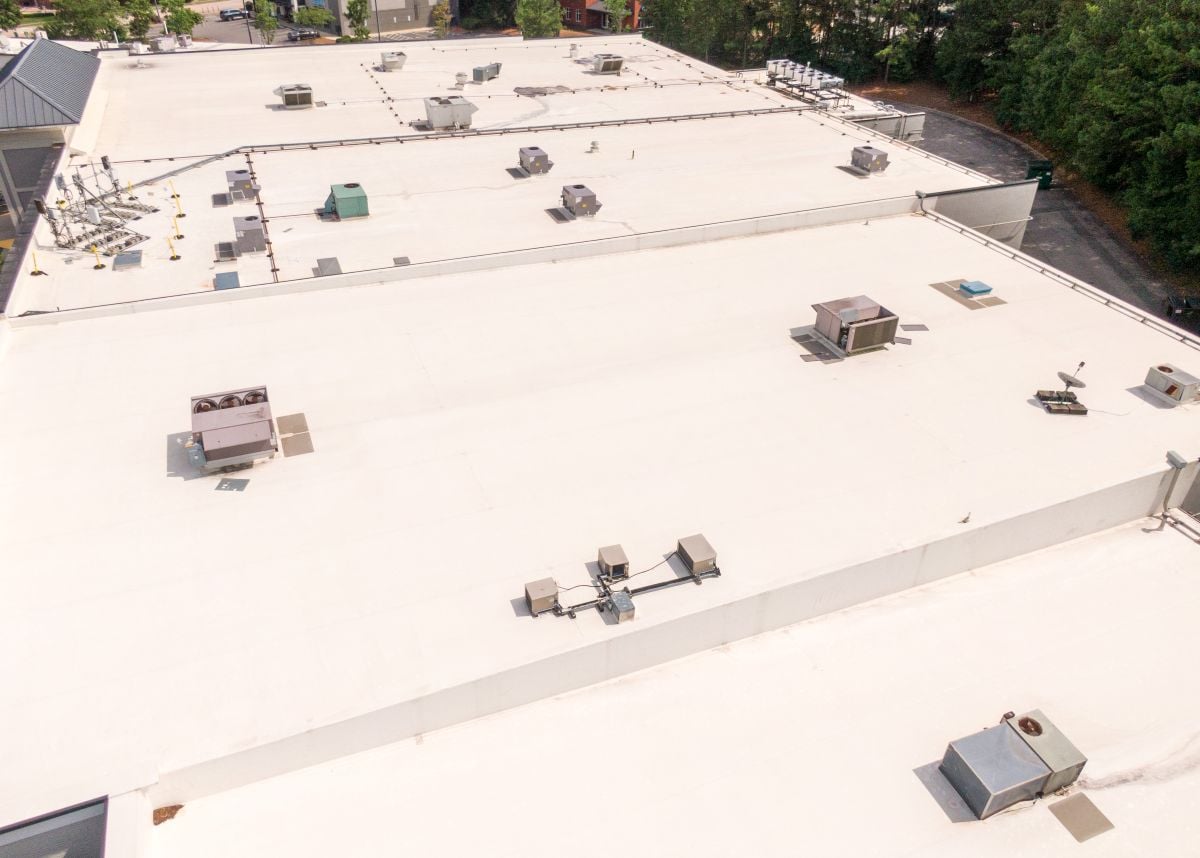
TPO vs EPDM: 7 Key Differences Explained For 2026
5/12/26
6 Min Read
Choosing between TPO vs EPDM roofing is an important decision for commercial property owners planning a new roofing system or replacement project. Both materials are widely used on flat roof and low-slope commercial buildings, but they differ in durability, energy efficiency, installation methods, and long-term performance.
- Popular commercial roofing systems: Common on low-slope roofs
- Different material compositions: Rubber vs thermoplastic membrane
- Energy efficiency differences: Reflective performance varies
- Installation methods: Impacts labor and repair processes
- Long-term maintenance: Lifespan and upkeep requirements differ
Understanding the major differences between TPO and EPDM helps building owners choose the right roofing system for their property and budget.
What Is TPO Roofing?
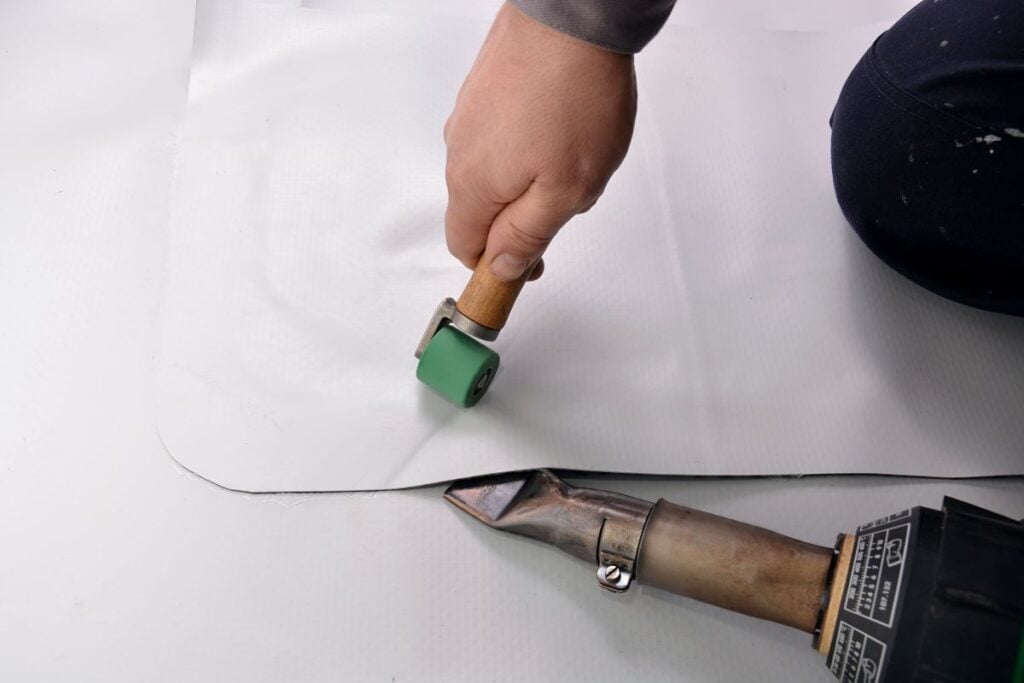
TPO (thermoplastic polyolefin) roofing is a single-ply roofing membrane commonly used on commercial roof systems. It is manufactured using a blend of rubber and thermoplastic materials, creating a flexible and durable membrane designed for energy efficiency.
One of the biggest advantages of TPO roofing is its reflective surface. Most TPO membranes are white or light-colored, helping reduce heat absorption and improve cooling efficiency for commercial buildings.
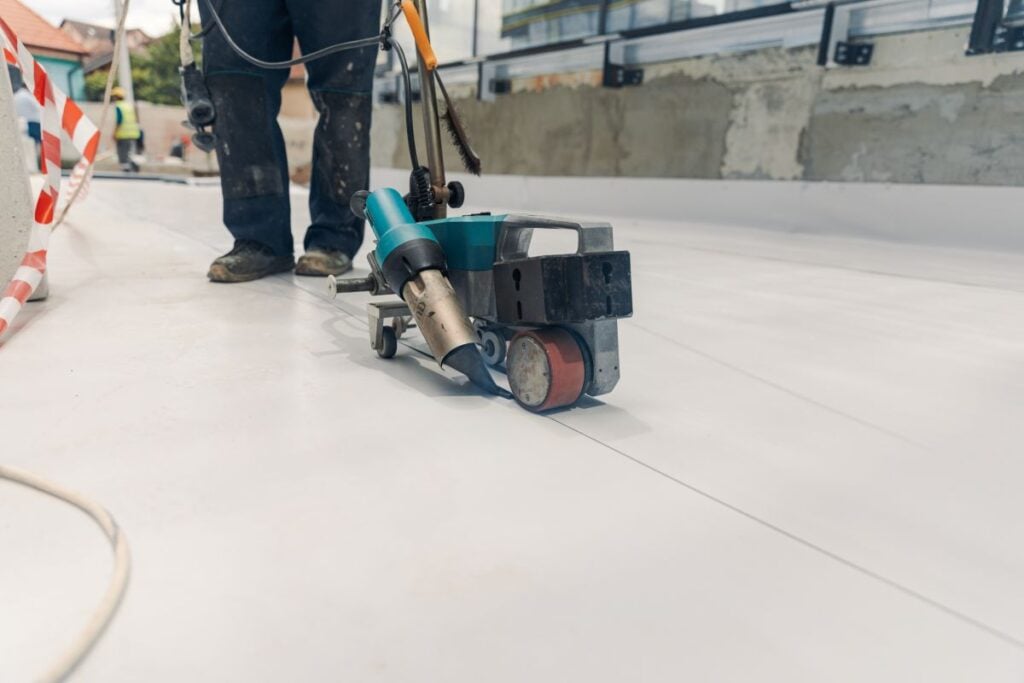
TPO roofing systems are also known for heat-welded seams, which create strong waterproof connections that help reduce leak risk over time.
What Is EPDM Roofing?
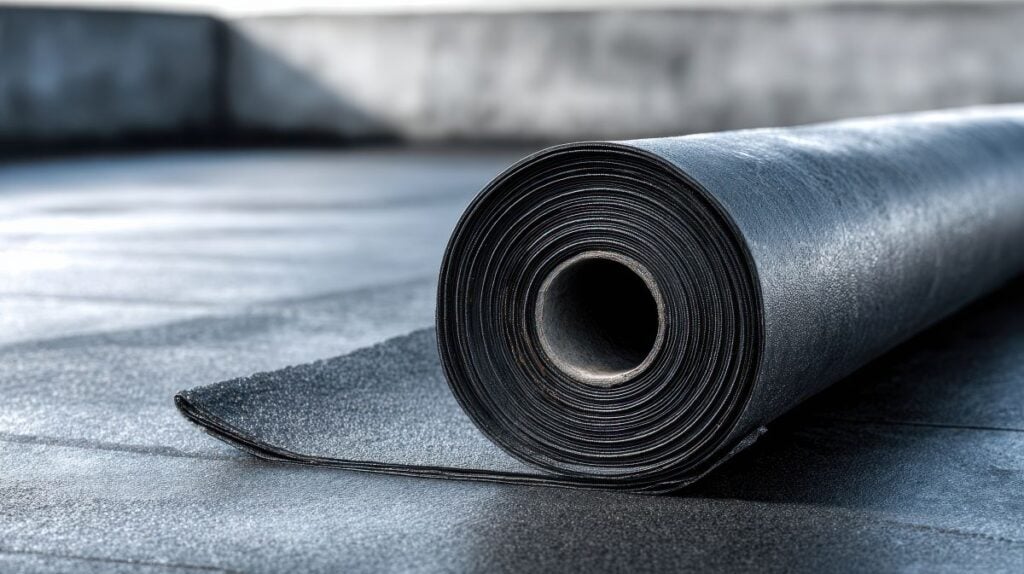
EPDM (ethylene propylene diene monomer) is a synthetic rubber roofing membrane commonly installed on flat roof systems. EPDM roofing has been widely used for decades due to its flexibility, weather resistance, and relatively simple installation process.
Unlike TPO, EPDM membranes are typically black, allowing them to absorb heat more easily. This can be beneficial in colder climates where additional heat retention is useful.
EPDM systems are often installed using adhesives or mechanically attached methods, making repairs and modifications relatively straightforward compared to some other roofing systems.
7 Key Differences Between TPO And EPDM
While both systems are designed for commercial roofing applications, several important differences impact performance, maintenance, and long-term value.
1. Material Composition
TPO and EPDM are made from different materials, which affects flexibility, seam strength, and overall performance.
TPO combines thermoplastic materials with rubber components, while EPDM is a synthetic rubber membrane.
- TPO membrane: Thermoplastic-based roofing system
- EPDM membrane: Synthetic rubber roofing material
- Performance variation: Material impacts flexibility and durability
2. Energy Efficiency
Energy efficiency is one of the biggest reasons many building owners choose TPO roofing systems. According to SPRI, the recognized authority in the single-ply roofing industry, most light-colored TPO membranes are ENERGY STAR qualified and Cool Roof Rating Council certified, and have been directly attributed to reductions in buildings’ energy consumption and costs by greatly diminishing the need for air conditioning — making TPO one of the most energy-efficient options available for commercial flat roofs.
- TPO roofing: Reflective and energy efficient
- EPDM roofing: Better heat absorption in colder climates
- Cooling costs: TPO may reduce summer energy use
- Reflective surface: Helps reduce rooftop temperatures
- HVAC efficiency: Lower heat transfer can reduce strain on cooling systems
- Energy savings potential: Can improve long-term operating costs for commercial buildings
3. Installation Methods
The installation process differs significantly between TPO and EPDM roofing systems.
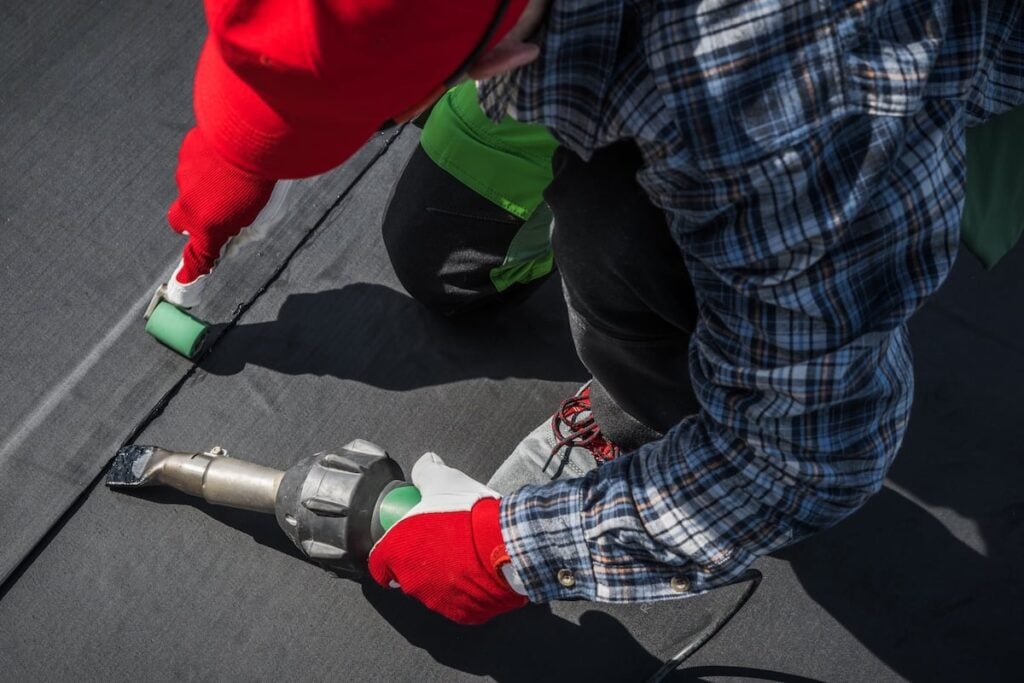
TPO systems typically use heat-welded seams, while EPDM often relies on adhesives or taped seams.
- Heat-welded seams: Common with TPO membranes
- Adhesive installation: Common with EPDM systems
- Repair methods: Installation style affects maintenance
4. Lifespan And Durability
Both systems can provide long-lasting performance when installed correctly, but durability can vary depending on climate and maintenance.
TPO roofing systems generally offer strong UV resistance, while EPDM performs well in colder temperatures and changing weather conditions.
- UV resistance: Stronger with TPO roofing
- Weather flexibility: EPDM handles temperature changes well
- Maintenance impact: Proper care affects lifespan
5. Cost Differences
Budget is often a major consideration when comparing roofing systems.
EPDM is usually more affordable upfront, while TPO may provide greater long-term energy savings depending on climate and building use.
- Lower upfront cost: Common with EPDM
- Energy savings potential: Strong advantage for TPO
- Long-term value: Depends on maintenance and climate
6. Appearance And Color Options
The appearance of the roofing system may matter for visibility, energy performance, or branding considerations.
TPO membranes are commonly white or light-colored, while EPDM roofing is usually black.
- Reflective surface: Common with TPO
- Dark membrane appearance: Standard for EPDM
- Heat management: Color affects roof temperature
7. Maintenance And Repairs
Maintenance requirements vary depending on membrane type, seam method, and exposure conditions.
EPDM repairs are often simpler because rubber membranes can be patched relatively easily, while TPO repairs may require specialized heat-welding equipment.
- Patch repairs: Easier with EPDM systems
- Seam maintenance: Important for both systems
- Inspection needs: Routine maintenance extends lifespan
TPO vs EPDM Roofing Comparison
Comparing both systems side by side helps property owners better understand which option fits their building needs.
| Roofing Feature | TPO Roofing | EPDM Roofing |
| Material Type | Thermoplastic membrane | Synthetic rubber membrane |
| Common Color | White or light-colored | Black |
| Energy Efficiency | High reflectivity | Higher heat absorption |
| Seam Method | Heat-welded seams | Adhesive or taped seams |
| UV Resistance | Strong | Moderate |
| Cold Weather Flexibility | Moderate | Excellent |
| Typical Cost | Medium | Lower upfront cost |
Both systems offer advantages depending on climate, building design, and long-term maintenance priorities.
Which Roofing System Is Better For Commercial Buildings?
The best roofing system depends on the building location, energy goals, budget, and maintenance expectations.
TPO roofing is often preferred for buildings seeking improved energy efficiency and reflective performance. EPDM may be a stronger option for colder climates or projects prioritizing lower upfront installation costs.
A professional commercial roofing contractor can evaluate the structure, roof complexity, and environmental conditions to recommend the best solution.
Common Problems With TPO And EPDM Roofs
Like any roofing system, both TPO and EPDM roofs can develop issues over time if maintenance is neglected.
- Seam separation: May lead to leaks
- Punctures: Common from foot traffic or debris
- Moisture intrusion: Caused by damaged membranes
- Shrinkage: More common with aging EPDM systems
- UV wear: Can impact older roofing materials
Routine inspections help identify these issues before they lead to major repairs.
Benefits Of Single-Ply Roofing Systems
Both TPO and EPDM are considered single-ply roofing systems, offering several advantages for commercial buildings.
- Lightweight design: Reduces structural stress
- Flexible installation: Works for many low-slope roofs
- Efficient repairs: Damaged sections can often be repaired
- Cost-effective maintenance: Lower upkeep compared to some systems
- Commercial compatibility: Common across many building types
These advantages make single-ply roofing a popular option for commercial properties.
Frequently Asked Questions About TPO vs EPDM
Understanding the basics of both roofing systems helps property owners make more informed decisions.
Is TPO better than EPDM?
TPO offers stronger energy efficiency, while EPDM often performs better in colder climates.
Which roofing system lasts longer?
Both systems can last decades with proper installation and maintenance.
Is EPDM cheaper than TPO?
EPDM generally has a lower upfront cost, though long-term energy savings may favor TPO.
Which roof is easier to repair?
EPDM repairs are often simpler because rubber membranes can be patched more easily.
Compare Commercial Roofing Options With Buckeye State Roofing
Choosing between TPO and EPDM roofing depends on your building, budget, and long-term performance goals. Understanding the key differences helps property owners select the right roofing system for their commercial property.
Buckeye State Roofing provides expert commercial roof installation, replacement, and repair services throughout Northeast Ohio. Contact our team today to compare roofing options and find the best solution for your building.
