
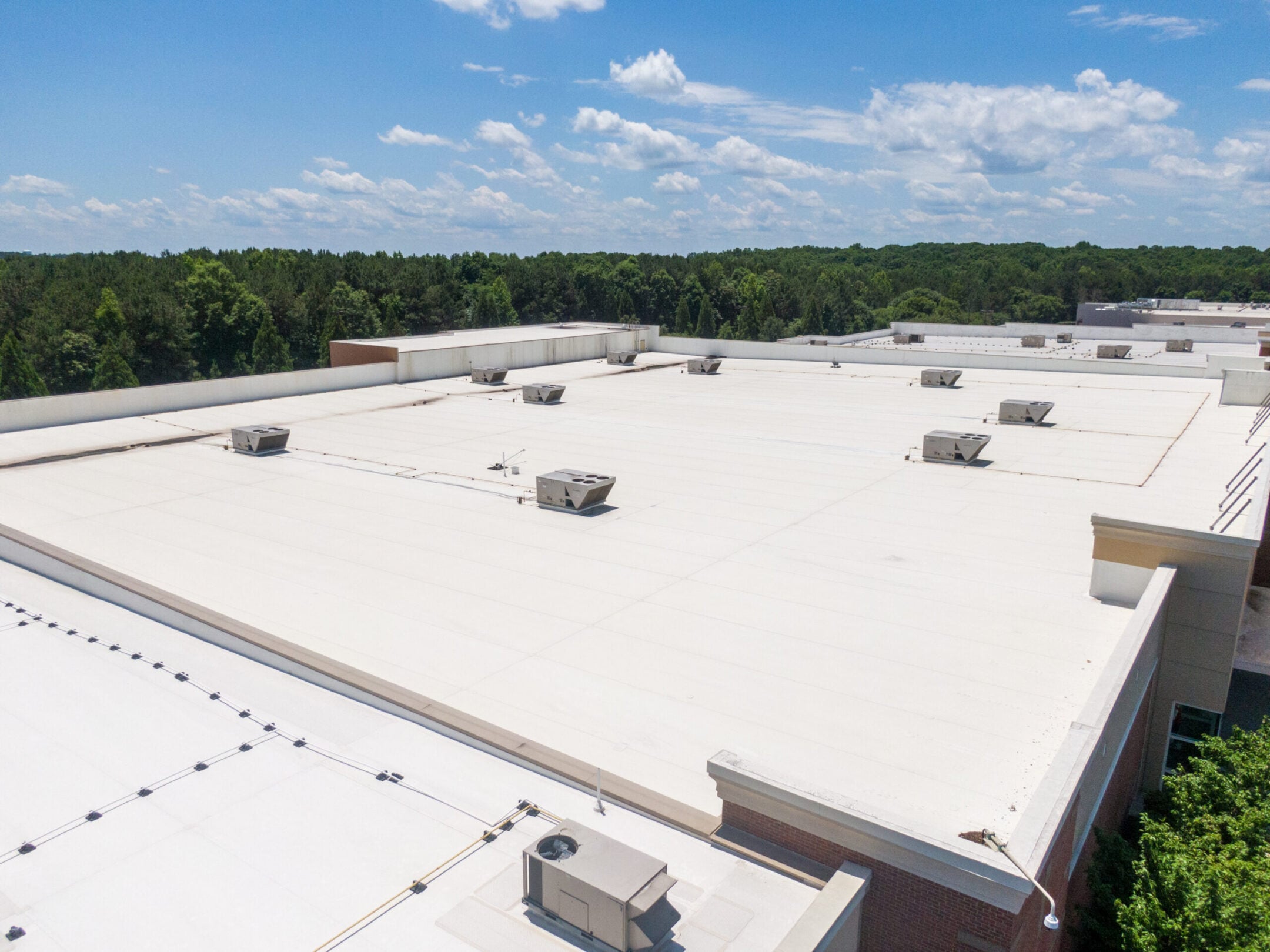
TPO vs PVC Roofing: Which Option Is Best For Your Business?
4/14/26
7 Min Read
Choosing between tpo vs pvc roofing is one of the most important decisions a commercial property owner can make when planning a roof installation or replacement. Both systems are widely used in commercial roofing because they offer durability, energy efficiency, and strong waterproofing performance. However, each roofing material has unique strengths that can impact long-term performance, maintenance, and overall cost.
- Single ply systems: Both designed for flat roofs and low-slope applications
- Heat-welded seams: Create strong, watertight protection
- Commercial applications: Ideal for warehouses, offices, and retail spaces
- Energy efficiency: Reflective surfaces help reduce cooling costs
- Long-term value: Performance depends on material choice and installation method
Understanding how tpo and pvc membranes compare in real-world conditions can help business owners choose a roofing system that supports both short-term needs and long-term building performance.
What Is TPO Roofing?
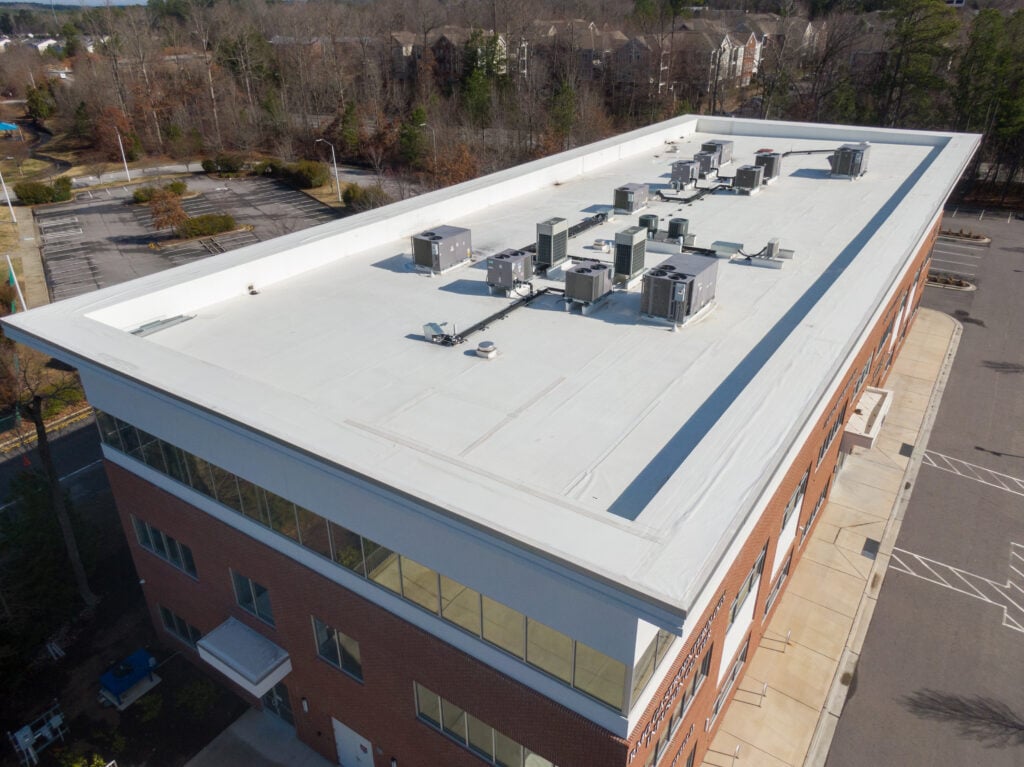
TPO (thermoplastic polyolefin) is a single ply membrane roofing system that has become one of the most widely used options in commercial roofing. It is known for its balance of affordability, flexibility, and performance, making it a practical choice for flat roofs. TPO membranes are manufactured from a blend of rubber and plastic materials, allowing them to adapt to temperature changes while maintaining durability.
Energy Efficiency and Surface Performance
One of the biggest advantages of TPO roofing is its reflective surface, which helps reduce heat absorption and improve building efficiency. This makes it especially valuable for large commercial roofing systems exposed to consistent sunlight.
- Reflective membrane: Helps lower rooftop temperatures
- Environmentally friendly: Supports reduced energy consumption
- UV resistant surface: Performs well under prolonged sun exposure
Because of these properties, TPO membranes are often selected for buildings focused on energy performance and sustainability.
Installation and Long-Term Performance
TPO is also valued for its ease of installation and adaptability across different roofing system designs. As a lightweight roofing material, it reduces strain on the structure while allowing for efficient installation timelines.
- Lightweight roofing material: Reduces structural load on large buildings
- Heat-welded seams: Create strong, watertight protection
- Flexible membrane: Handles expansion and contraction across the roof surface
With proper installation and maintenance, TPO roofing systems can deliver reliable performance across a wide range of commercial applications. Choosing the right installation method also plays a key role in how well the system performs over time.
What Is PVC Roofing?
PVC (polyvinyl chloride) is another type of single ply membrane roofing system, but it is generally considered a more premium option within commercial roofing. Known for its strength and durability, PVC membranes are designed to perform in environments where the roof may be exposed to harsher conditions or chemical elements.
Strength and Chemical Resistance
PVC roofing stands out for its ability to resist chemicals, grease, and oils, making it ideal for specialized commercial roofing applications such as restaurants, manufacturing facilities, and industrial buildings.
- Chemical resistance: Protects against grease, oils, and industrial runoff
- Durable membrane: Maintains performance in demanding environments
- Heat-welded seams: Provide strong, watertight protection
This level of resistance helps extend the lifespan of the roofing system in environments where other roofing materials may break down more quickly.
Durability and Added Protection
In addition to its strength, PVC offers enhanced durability and safety features that contribute to long-term roofing system performance. It is designed to handle environmental stress while maintaining structural integrity.
- Fire resistance: Naturally flame-retardant material
- Long-lasting roofing system: Designed for extended service life
- Low maintenance needs: Performs well with routine inspections
While PVC membranes typically come at a higher upfront cost than TPO, they are often viewed as a long-term investment due to their durability and ability to perform in more demanding commercial roofing conditions.
4 Key Differences Between TPO and PVC Roofing
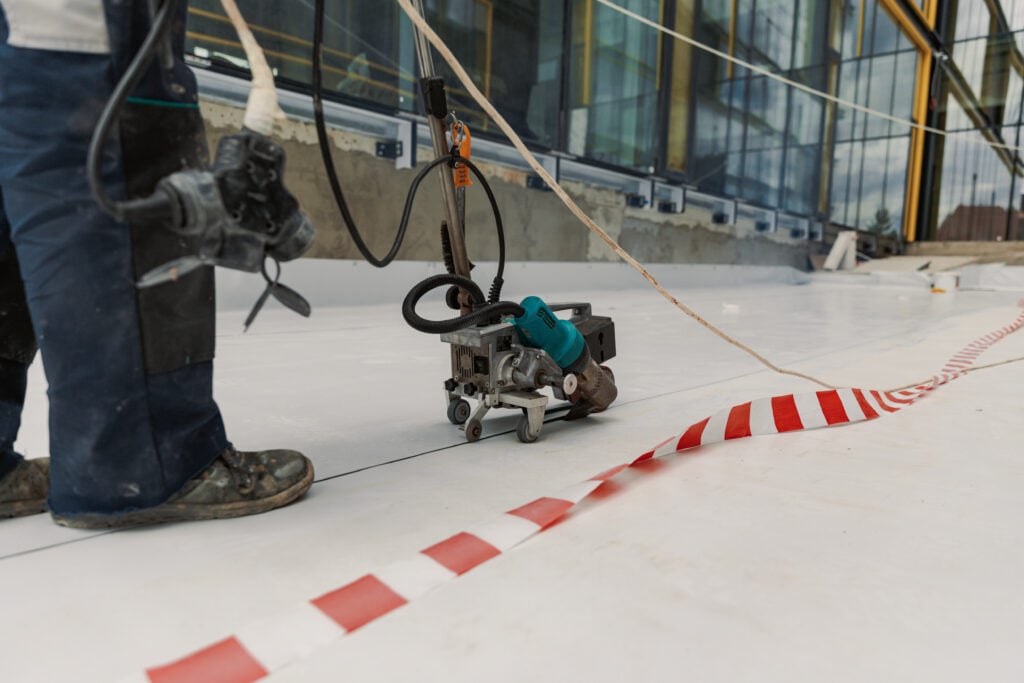
Although TPO and PVC share similarities as single ply systems, their differences can significantly impact performance depending on the building and environment. Understanding these differences helps property owners compare tpo and pvc membranes more effectively.
1. Material Composition
- TPO: Made from a blend of polypropylene and rubber materials
- PVC: Made from polyvinyl chloride with added plasticizers
PVC membranes offer stronger resistance to chemicals, while TPO membranes focus on cost efficiency and flexibility.
2. Durability and Performance
- TPO roofing: Performs well in standard commercial conditions
- PVC roofing: Offers stronger resistance to chemicals and punctures
PVC is typically preferred in harsh environments, while TPO is suitable for general-purpose flat roofs.
3. Energy Efficiency
- TPO: Highly reflective and widely used for energy savings
- PVC: Also reflective and UV resistant, depending on formulation
Both roofing materials can improve energy efficiency, especially on large commercial buildings.
4. Cost Considerations
- TPO roofing: More affordable upfront investment
- PVC roofing: Higher initial cost with potential long-term value
Budget and expected lifespan often play a major role when comparing these roofing systems.
Lifespan Comparison
The lifespan of a commercial roofing system is a key factor in determining overall value. Both TPO and PVC are designed for durability, but performance can vary depending on installation and environmental conditions.
- TPO lifespan: Typically 15–25 years
- PVC lifespan: Often 20–30 years
PVC generally offers a longer lifespan, particularly in environments with chemical exposure. However, TPO membranes can still provide strong performance when installed correctly and maintained consistently.
Installation and Maintenance Considerations
Both TPO and PVC roofing systems are relatively efficient to install compared to other roofing materials, but proper installation is critical to long-term success. Each roofing system requires attention to seams, flashing, and drainage design. TPO membranes are often easier to install due to their flexibility and lightweight design. PVC membranes may require more precision but offer added durability once installed.
Maintenance for both systems is generally minimal, but regular inspections are still important. Keeping flat roofs clean and ensuring proper drainage will help prevent issues and extend performance. In buildings exposed to grease or chemicals, PVC may require fewer repairs over time due to its resistance. TPO may require more monitoring in these environments to maintain performance.
Which Roofing Option Is Best for Your Business?
The right choice between TPO and PVC roofing depends on your building’s specific needs, environmental conditions, and long-term goals. Both tpo and pvc membranes offer strong performance, but their ideal applications differ.
- Choose TPO if: You want a cost-effective, environmentally friendly solution with solid performance for standard commercial buildings
- Choose PVC if: Your building requires chemical resistance and maximum durability in demanding conditions
Other factors such as climate, building use, and maintenance expectations should also be considered when selecting a roofing material.
Frequently Asked Questions About TPO vs PVC Roofing
Understanding the differences between these systems can help business owners feel more confident when making a decision.
Is TPO or PVC better for restaurants?
PVC is typically the better option because it offers strong resistance to grease and chemical exposure.
Which roofing system lasts longer?
PVC generally has a longer lifespan, but both systems can perform well with proper installation and maintenance.
Are both options environmentally friendly?
Yes, both TPO and PVC membranes can contribute to energy efficiency through reflective, UV resistant surfaces.
Can either system be repaired?
Yes, both systems can be repaired if damage occurs. Addressing issues early helps extend the life of the roof.
Commercial Roofing Solutions with Buckeye State Roofing
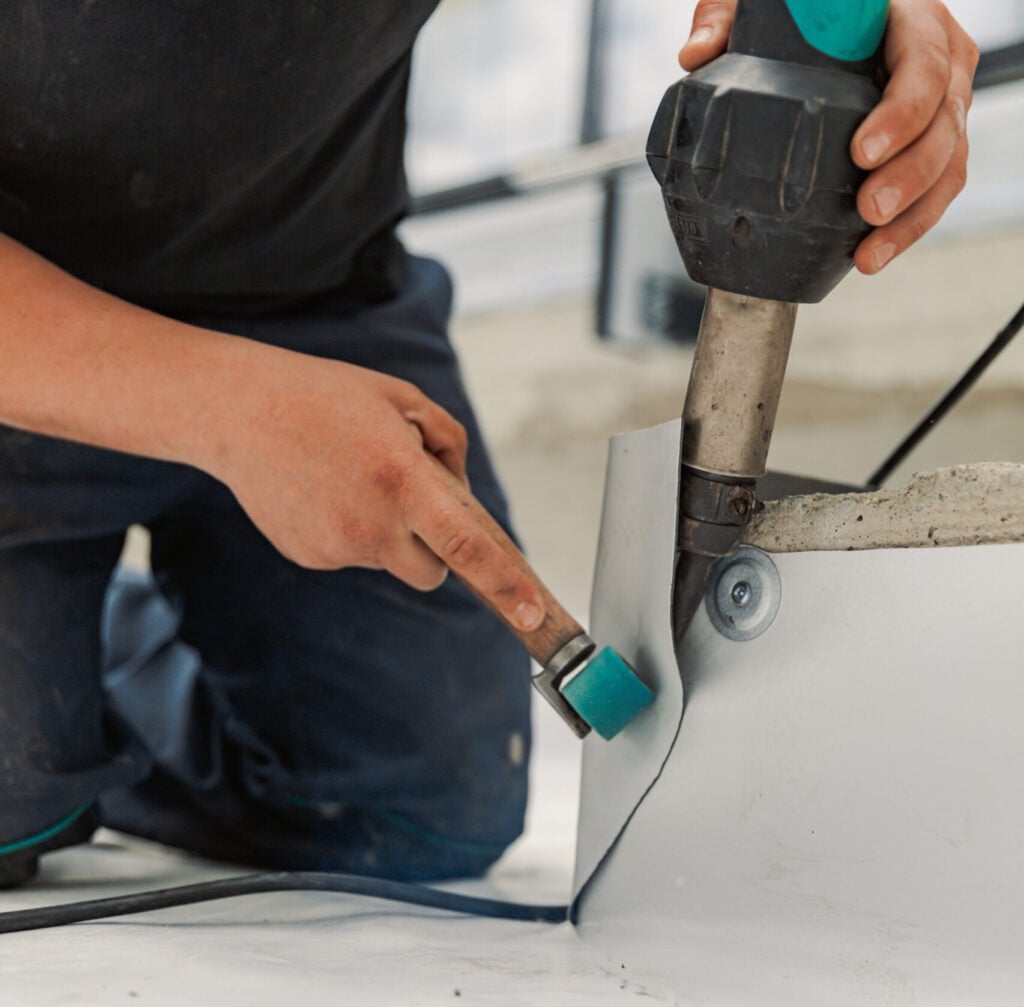
Choosing between TPO and PVC roofing is an important decision that affects the long-term performance of your commercial property. Both systems offer reliable protection, but the best choice depends on your building’s specific needs and conditions.
Buckeye State Roofing provides expert commercial roofing services, including TPO and PVC roof installation, replacement, and inspections throughout Northeast Ohio. Our team works with business owners to recommend roofing systems that deliver durability, efficiency, and long-term value.
Contact Buckeye State Roofing today to learn more about TPO vs PVC roofing and find the right solution for your business.
