
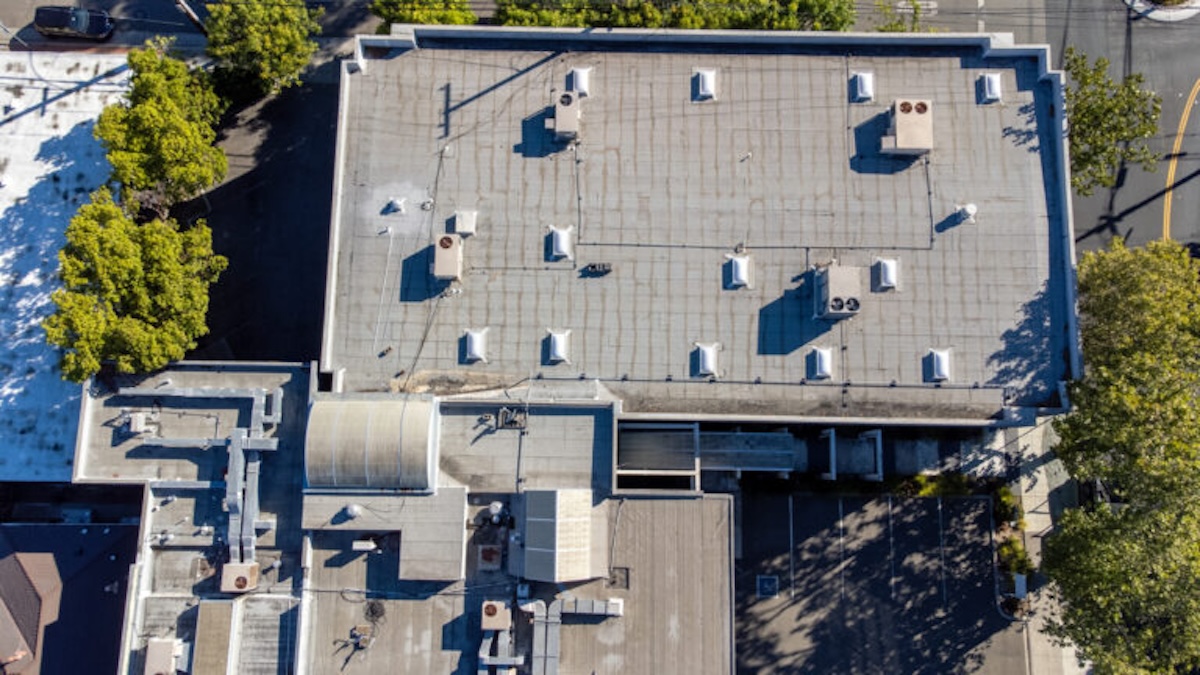
5 Different Types of Flat Roofs for Commercial Buildings
11/19/25
6 Min Read
When it comes to protecting a business property, the roof plays a much bigger role than many realize. The types of flat roofs available today are more advanced and durable than ever before, offering energy efficiency, low maintenance, and long-term value. For property managers and building owners, understanding each flat roofing option is key to making a cost-effective and reliable investment.
In this article, we’ll cover:
- Material options: The most common flat roofing systems used today.
- Installation and maintenance: What makes each system unique.
- Durability and lifespan: How to choose the best fit for your property.
- Energy efficiency: Ways to reduce operating costs year-round.
- Professional insight: Why expert installation by roofers matters.
Why Flat Roofs Are Popular in Commercial Construction
Flat roofing systems have been a staple of commercial design for decades. They’re practical, cost-efficient, and adaptable to a wide variety of building types—from warehouses to office complexes. Flat roofs allow for easy installation of HVAC units, solar panels, and rooftop walkways, making them a smart long-term choice for many Ohio businesses.
These systems are not entirely “flat”—most have a slight slope to allow for proper drainage. When built with the right flat roofing materials and maintenance plan, a commercial roof can last 20 to 40 years or more. The integrity of the roof structure also plays a vital role in how long the system performs effectively.
5 Common Types of Flat Roofs
Every commercial building has different needs based on size, budget, and climate. Here are five of the most popular flat roof systems used in commercial applications today.
1. Built-Up Roofing (BUR)
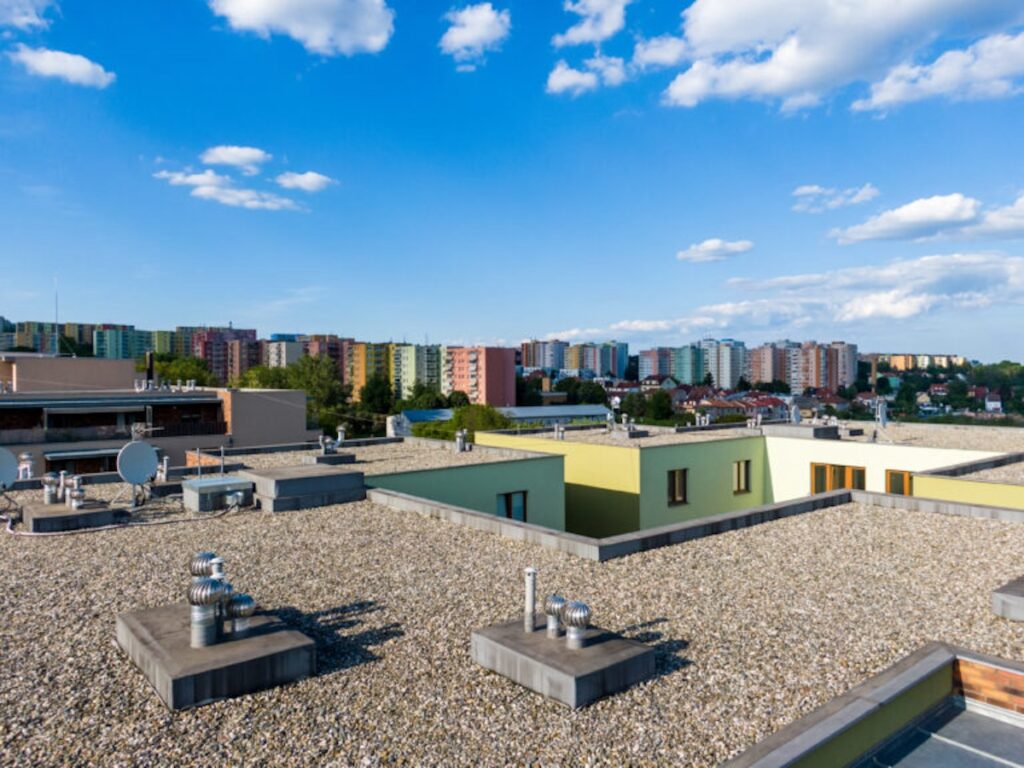
Built-up roofing, commonly called “tar and gravel,” is one of the oldest and most reliable systems still used. Layers of bitumen and reinforcing fabric are alternated to create a waterproof surface, finished with gravel or a reflective coating.
- Durability: Excellent resistance to foot traffic and impact.
- Maintenance: Minimal upkeep once installed properly.
- Lifespan: 20–30 years with regular inspections.
2. Modified Bitumen Roofing
Modified bitumen is an evolution of the traditional BUR system, designed to handle modern commercial demands. It combines asphalt with polymer modifiers to improve flexibility and performance.
- Ease of repair: Damaged sections can be patched or resealed easily.
- Cold or hot application: Available in self-adhering or heat-welded options.
- Cost efficiency: Provides long-term value for small to mid-size buildings.
3. EPDM Roofing (Ethylene Propylene Diene Monomer)
EPDM, also known as rubber roofing, is a lightweight and affordable option that performs well in cold climates. It’s often installed as a single-ply membrane and secured with adhesive or mechanical fasteners.
- Flexibility: Expands and contracts without cracking.
- Weather resistance: Performs exceptionally well in both sun and snow.
- Longevity: Can last 30+ years when maintained properly.
4. TPO Roofing (Thermoplastic Polyolefin)
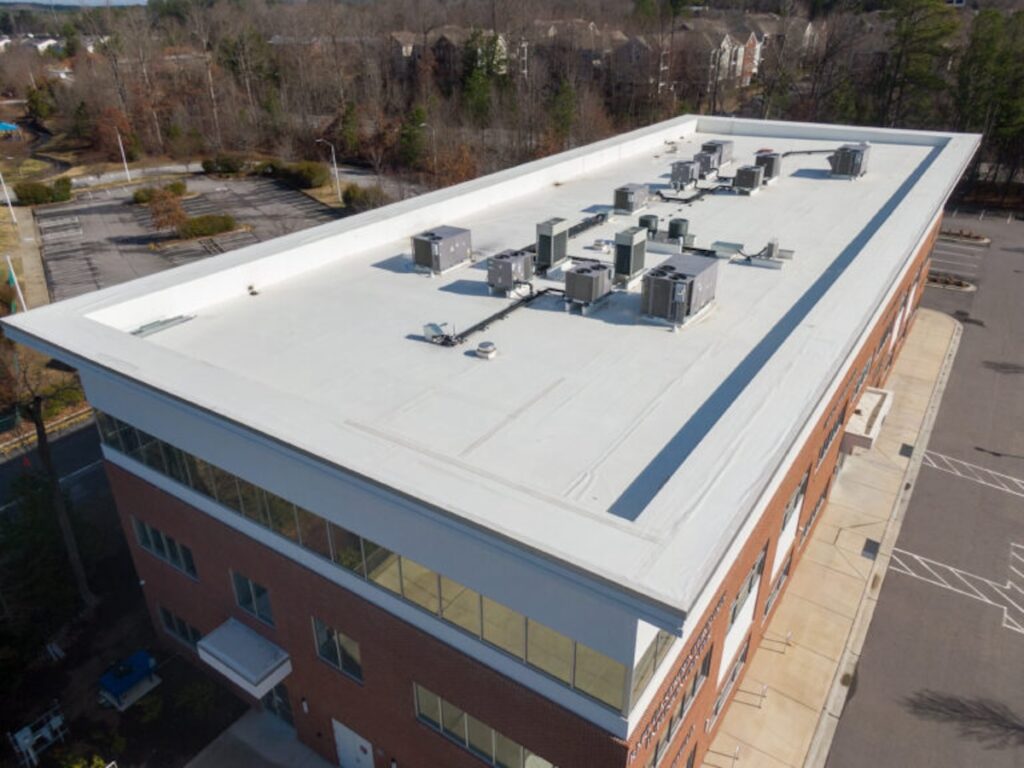
TPO is one of the fastest-growing commercial roofing systems, prized for its energy efficiency and reflective white surface. It helps reduce cooling costs in buildings that experience hot summers.
- Energy savings: Reflects sunlight and lowers utility bills.
- Eco-friendly: 100% recyclable at the end of its lifespan.
- Cost-effective: Great balance between price, durability, and efficiency.
5. PVC Roofing (Polyvinyl Chloride)
PVC roofing is known for its strength and superior chemical resistance, making it ideal for restaurants, manufacturing facilities, and buildings with rooftop exhaust systems.
- Chemical protection: Resists grease, oil, and industrial byproducts.
- Seam strength: Heat-welded seams create watertight bonds.
- Fire resistance: Naturally self-extinguishing and highly durable.
Comparing the Top Flat Roofing Systems
The chart below summarizes key differences among the most common commercial flat roof systems.
| Roofing Type | Average Lifespan | Energy Efficiency | Maintenance Level | Cost Range |
| BUR | 20–30 years | Moderate | Low | $$ |
| Modified Bitumen | 20–25 years | Moderate | Low | $$ |
| EPDM | 25–30 years | Moderate | Low | $$ |
| TPO | 20–30 years | High | Low | $$$ |
| PVC | 25–35 years | High | Low | $$$ |
Choosing the Right Flat Roof for Your Building
Not every system fits every project. Factors such as budget, climate, and building use all play major roles in determining the best roofing solution. Before installation, a professional contractor should evaluate your structure’s drainage, load-bearing capacity, and energy needs.
- Budget considerations: We help clients balance cost and performance to find long-term value.
- Building use: Restaurants, warehouses, and offices may require different materials.
- Maintenance plans: Ongoing care extends lifespan and ensures warranty protection.
The Benefits of Proper Installation and Maintenance
Even the best flat roof system can fail prematurely if not installed correctly. Working with an experienced roofing contractor ensures that materials are applied according to manufacturer standards and that drainage and flashing are optimized for your property. Preventive measures and proper maintenance go a long way in avoiding costly damage.
Regular commercial roof inspections can identify small issues such as ponding water, seam separation, or membrane punctures before they turn into expensive repairs. Scheduling seasonal maintenance after major weather events keeps your roof performing at its best year-round.
How to Extend the Life of Your Flat Roof
Keeping your commercial roof in top condition is easier with consistent care. Here are a few professional tips to make your investment last longer:
- Clean drains and gutters: Prevent ponding water and debris buildup.
- Inspect flashings and seams: Ensure all transitions stay watertight.
- Schedule annual inspections: Detect small issues before they spread.
- Document maintenance: Maintain warranty coverage and service records.
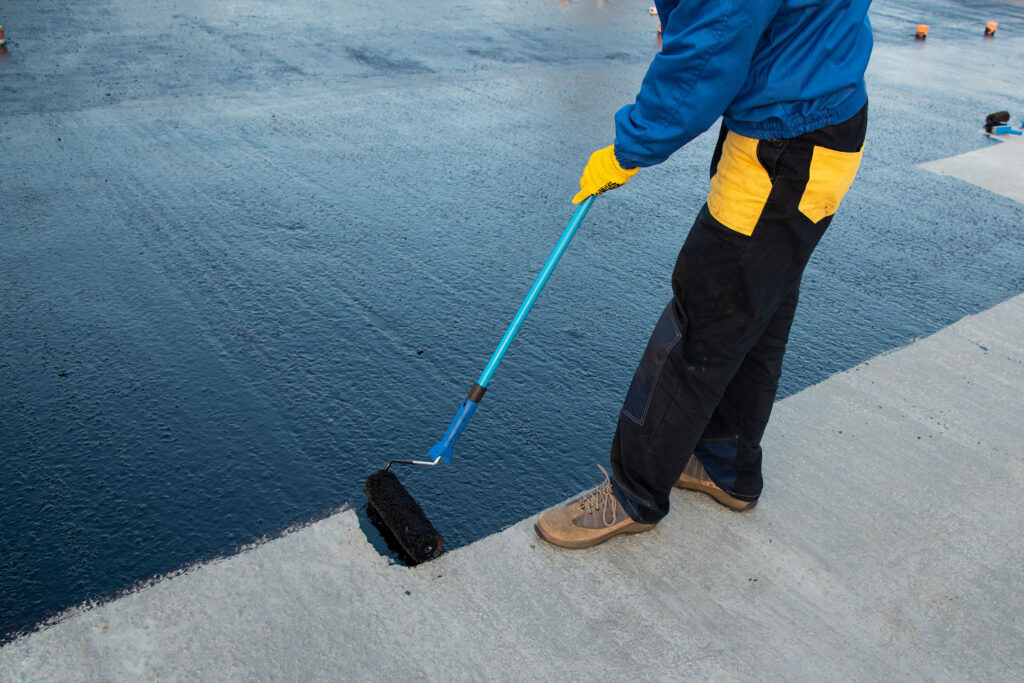
- Recoat as needed: Reflective coatings help improve efficiency and durability.
We’re Proud to Serve Commercial Clients Across Northeast Ohio
Flat roof systems perform best when they’re designed for the region’s unique weather conditions. From snowy winters to humid summers, we understand what it takes to keep commercial buildings protected and efficient.
We’re proud to serve business owners in Brunswick, OH, and surrounding cities with commercial roofing solutions, including flat roof installation, inspection, and repair. Whether you’re replacing an aging EPDM system or exploring modern TPO or PVC options, our team can recommend the ideal solution based on your building’s needs. To help you make the most informed decision about which single-ply membrane is right for your commercial property—balancing cost, durability, and energy efficiency—consult our detailed comparison of EPDM vs TPO roofing.
Why Businesses Trust Buckeye State Roofing
At Buckeye State Roofing, we bring expertise, communication, and quality to every project. Our commercial clients appreciate that we deliver dependable solutions with minimal disruption to daily operations. We believe in transparency from start to finish—offering accurate estimates, detailed inspections, and professional installation that meets every standard of excellence.
If you’re ready to explore different flat roofing options or need an expert opinion on your existing system, contact Buckeye State Roofing today to schedule your free inspection. We’ll help you choose the right flat roof for your building and ensure it performs beautifully for decades to come.
