
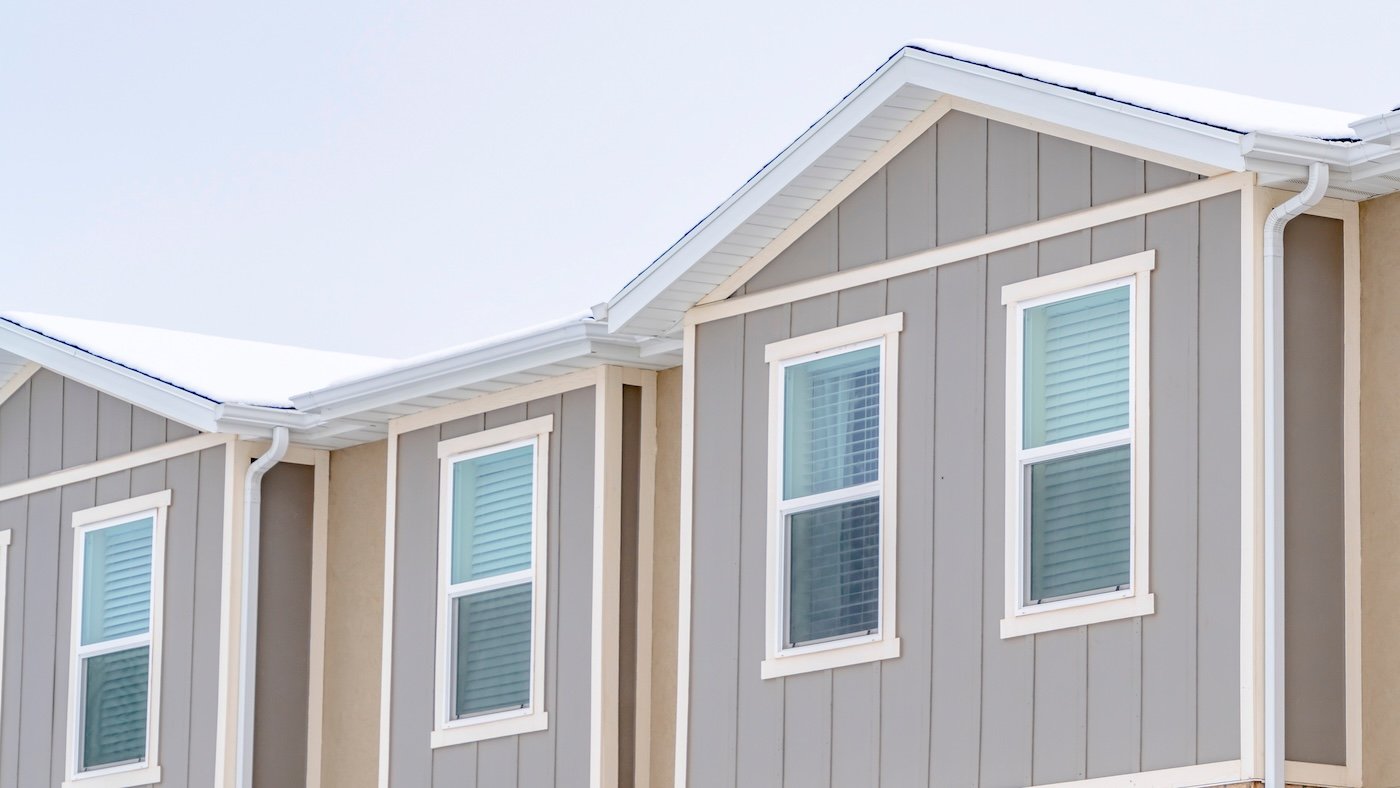
Vertical Vinyl Siding (8 Trending Styles, Pros & Cons)
1/26/26
6 Min Read
When considering upgrades for your home’s exterior, vertical vinyl siding often stands out as a visually appealing and practical option. This siding style offers a refreshing alternative to traditional horizontal layouts while providing durability, weather resistance, and low maintenance. Homeowners looking to update curb appeal and protect exterior surfaces can benefit from understanding how vertical vinyl siding performs and what styles are currently trending.
- Fresh look: Vertical lines enhance visual appeal with modern contrast.
- Low maintenance: Vinyl doesn’t require repainting or sealing.
- Versatile designs: Complements both rustic charm and contemporary architecture.
- Durable protection: Resists moisture, pests, and weather damage.
- Customization: Options like batten vinyl siding suit varied architectural styles.
Why Homeowners Are Choosing Vertical Siding
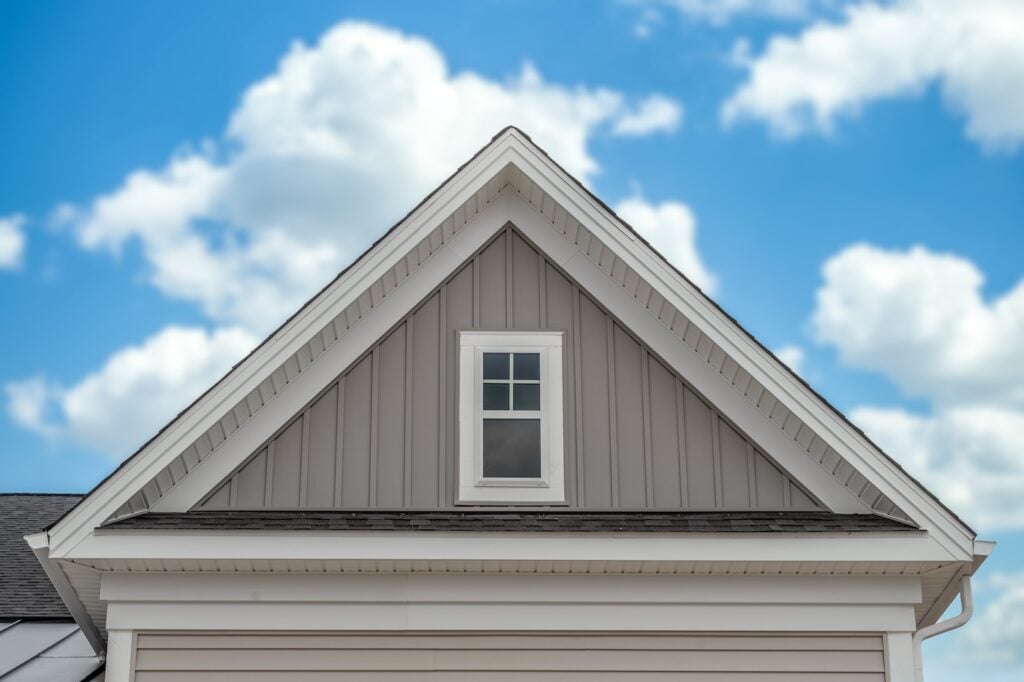
Vertical vinyl siding has become a standout feature in both modern and classic home designs. Its vertical alignment creates clean, elongated lines that enhance architectural features while improving water runoff. In Strongsville, OH, where seasonal moisture and freezing temperatures are common, this water-shedding ability is a valuable asset.
Unlike traditional siding, vertical panels can be used to highlight porches, gables, or other features, adding a fresh look while offering low maintenance benefits year-round.
8 Trending Vertical Vinyl Siding Styles
Homeowners now have a variety of design choices when it comes to vertical vinyl siding. These eight trending styles offer different looks, textures, and finishes to match any design goal.
- Board and Batten: Combines wide boards with narrow battens for a farmhouse aesthetic. This classic batten siding adds depth and rustic charm.
- Channel Panels: Feature recessed seams and sharp lines for a minimalist style.
- Vertical Planks: Mimic freshly painted wood with customizable widths and natural grain textures.
- Beaded Siding: Includes a soft curve or “bead” at panel bottoms for added elegance.
- Vertical Shiplap: A modern twist on a rustic classic, with overlapping vertical boards.
- Smooth Panels: Flat, uninterrupted lines that suit contemporary homes and urban architectural styles.
- Corrugated Look: Adds industrial texture with subtle ridges or ribs.
- Mixed Material Contrast: Combines batten vinyl siding with stone, metal, or wood accents for a custom appearance.
Performance Benefits of Vertical Vinyl Siding
Vertical vinyl siding doesn’t just elevate appearance — it offers functional advantages that benefit homeowners long term.
Moisture Management
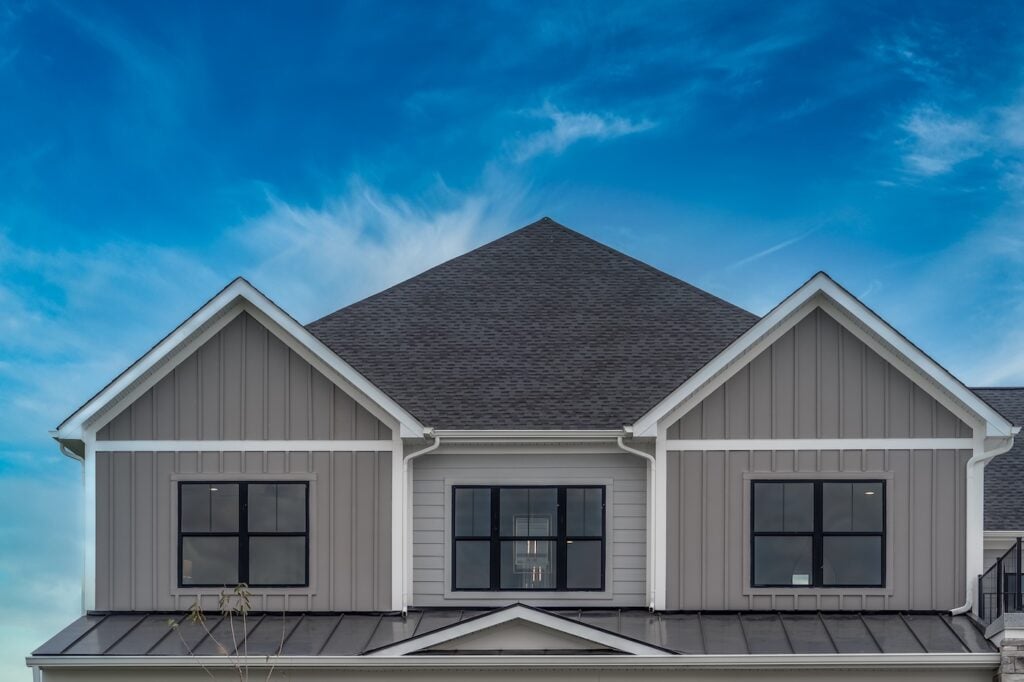
The vertical design directs rain and snow away from seams and edges, reducing the chance of mold or water intrusion. This is especially helpful in climates where frequent rainfall can challenge horizontal siding layouts.
Maintenance and Longevity
Vinyl is known for being a low maintenance material. It never needs painting, resists pests, and stands up well to Strongsville’s changing weather patterns. With occasional cleaning and basic inspections, vertical vinyl siding can last over 30 years.
What to Know Before Installation
While vertical siding is a great choice, there are a few things to consider before moving forward with an installation.
- Precision matters: Vertical lines are less forgiving if panels shift or warp, so accurate layout is critical.
- Extra planning: May require furring strips or backer board to create a flat surface for proper installation.
- Professional installation: Hiring an experienced crew ensures water-tight seals and proper alignment, especially on tall walls or corners.
How Vertical vs Horizontal Siding Compare
Deciding between vertical and horizontal siding involves weighing aesthetic and functional preferences. The table below highlights some key differences.
| Feature | Vertical Vinyl Siding | Horizontal Vinyl Siding |
| Appearance | Tall, modern lines | Classic, traditional layout |
| Water Drainage | Channels water downward more directly | More prone to water resting in seams |
| Installation | Requires more precision and prep | Generally easier and faster |
| Popular Styles | Board and batten, smooth, shiplap | Dutch lap, clapboard |
| Cost | Slightly higher due to labor | Typically lower overall |
| Maintenance | Easy to clean, less debris buildup | Can collect dirt along laps |
Frequently Asked Questions About Vertical Vinyl Siding
Homeowners often have questions about cost, durability, and performance when considering vertical vinyl siding. Below are expanded answers to the most common concerns.
Is vertical vinyl siding more expensive?
Vertical siding can cost slightly more to install because of the added attention to layout and detail it requires. The need for additional preparation, such as furring strips or leveling, may also increase labor costs. However, material pricing is typically comparable to horizontal vinyl, and many homeowners find the modern aesthetic and long-term durability worth the slight cost increase.
Can I paint vertical vinyl siding?
Yes, vertical vinyl siding can be painted, though it’s rarely necessary. Factory-applied colors are designed to resist fading and last for decades with minimal care. If painting is desired, homeowners should use vinyl-safe paints and follow proper surface preparation steps. It’s also important to note that painting may void any existing manufacturer warranties.
Will vertical siding work with older homes?
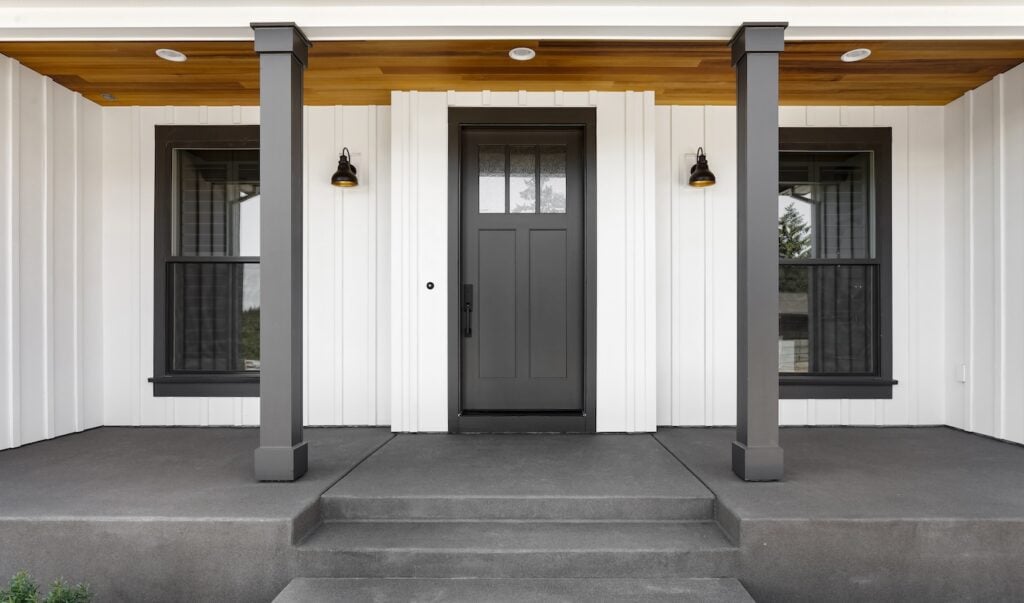
Definitely. Vertical vinyl siding can be a great way to refresh the look of older homes while maintaining their character. When used selectively on gables, dormers, or accent areas, it adds contrast and modern flair without overwhelming traditional architecture. Proper planning ensures the siding enhances the structure rather than detracts from its historic charm.
How long does vertical vinyl siding last?
High-quality vertical vinyl siding can last anywhere from 30 to 40 years, depending on climate, exposure, and maintenance. UV-resistant finishes, proper installation, and regular care — like cleaning and inspections — contribute to its longevity. In many cases, homeowners only need to replace siding once during their ownership of the home.
Does vertical siding improve energy efficiency?
Vertical siding itself doesn’t insulate, but when installed with foam board or house wrap underneath, it can help reduce drafts and improve thermal performance. This layered system acts as a barrier against air infiltration, contributing to better energy efficiency throughout the year. Homeowners in colder climates especially benefit from this added insulation.
Style Meets Strength with Buckeye State Roofing
Vertical vinyl siding delivers a winning combination of visual impact and long-lasting durability. From modern board and batten styles to sleek flat panels, the design flexibility makes it a smart investment for Strongsville homeowners.
We’re proud to serve home and business owners in Strongsville, OH, and nearby communities with expert siding installation and repair. Buckeye State Roofing helps clients choose the right material, style, and finish for lasting curb appeal. If you’re ready to enhance your exterior with vertical vinyl siding, contact Buckeye State Roofing today to schedule a free consultation.
