

Vinyl Siding: 5 Types, Colors & What to Know Before Buying
10/29/26
7 Min Read
Few exterior materials have stayed as popular as vinyl siding, and for good reason: it is affordable, versatile, and easy to live with. Modern products come in a wide range of profiles and colors, and the best ones hold up well to Ohio’s freezing winters and humid summers. For homeowners in Brecksville and surrounding areas planning an exterior update, looking at siding options that suit your home and budget is a good place to begin. This guide covers the main types, color choices, and what to know before you buy.
In this post, you’ll learn:
- Why vinyl siding remains one of the most popular choices for homes
- Six common types and the looks they create
- How to choose colors that work with your home and neighborhood
- What quality differences and installation details to watch for
- How to avoid common mistakes before you buy
Why Vinyl Siding Is Still a Top Choice
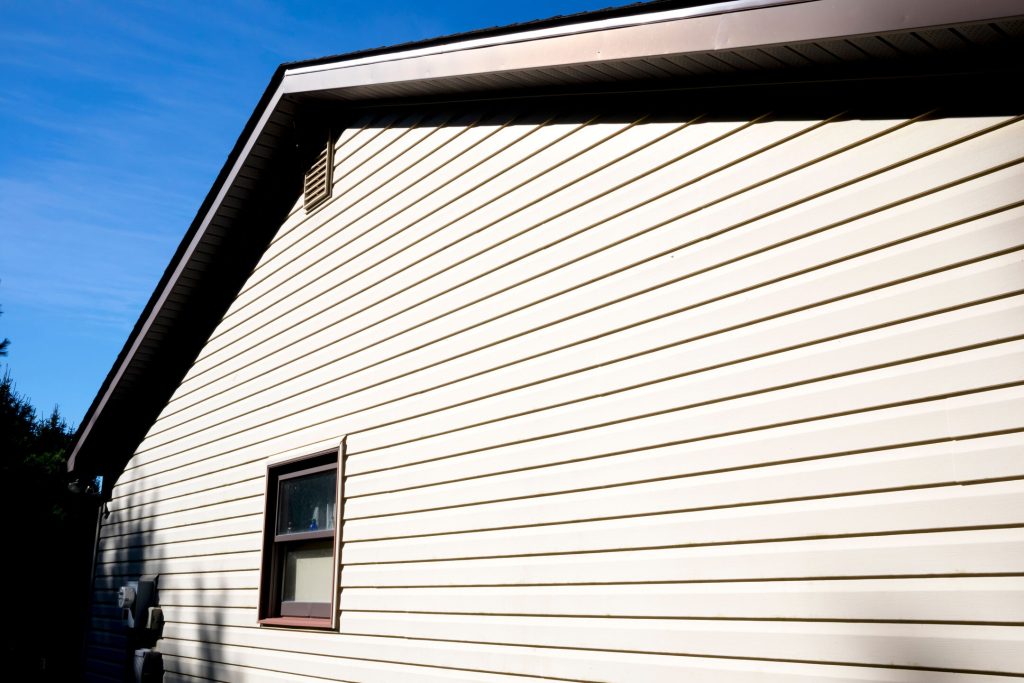
Vinyl siding is made from PVC and formed into panels that mimic wood clapboards, shingles, and other traditional looks. It is lightweight, comes pre-colored, and does not need painting, which keeps both cost and upkeep down. Homeowners throughout Brecksville and surrounding areas often choose it when they want a clean refresh without a huge budget. Because it is so widely used, parts, trim pieces, and experienced installers are easy to find.
- Budget-friendly cost: Vinyl generally costs less than fiber cement, wood, or brick, making it an accessible way to upgrade the exterior.
- Low maintenance: It never needs painting, and a periodic wash with a garden hose and mild soap usually keeps it looking clean.
- Wide style selection: Multiple profiles, textures, and colors let you match nearly any architectural style.
- Moisture resistance: Vinyl does not rot or absorb water the way wood can, which helps in humid or rainy conditions.
- Quick installation: The panels are light and easy to handle, which can shorten the timeline compared with heavier materials.
- Curb appeal boost: A fresh exterior can transform the look of a tired home and improve first impressions for buyers.
5 Types of Vinyl Siding to Consider
Not all vinyl siding looks the same, and the profile you choose shapes the personality of your home. Here are six of the most common types and where each one works best.
1. Traditional Lap Siding
Traditional lap, sometimes called clapboard, features long horizontal panels that overlap to shed water. It is the classic look seen on colonials, ranches, and capes across Ohio, and it remains the go-to choice for homeowners who want a timeless, understated exterior.
- Available in a range of panel widths
- Pairs well with nearly any trim and shutter style
- Often the most economical profile
2. Dutch Lap Siding
Dutch lap has a groove along the top of each panel that creates a distinctive shadow line. This detail adds a bit of dimension and a slightly more formal, traditional appearance, and it can make a plain wall look more interesting without changing the overall style.
- Adds depth and shadow lines to the wall
- Works well on cottages, colonials, and older homes
- Gives the exterior more visual texture than a flat profile
3. Board and Batten Vinyl Siding
Board and batten uses vertical panels with raised strips to mimic wide boards and narrow battens. It has become a favorite for modern farmhouse and craftsman styles, and it is often used on part of the home to create contrast with horizontal siding.
- Adds height and a bold vertical accent
- Works nicely on gables, porches, and entryways
- Can be combined with lap siding for a mixed look
4. Shake and Shingle Vinyl Siding
Shake and shingle panels are molded to look like cedar shakes, with irregular edges and wood-like texture. They are often used as accents on gables or entire walls of cottage-style homes, giving the exterior a handcrafted feel at a fraction of the cost and upkeep of real cedar.
- Delivers the look of natural shingles without the upkeep
- Makes a strong accent on gable ends and dormers
- Suits coastal, cape, and craftsman-inspired designs
5. Vertical Vinyl Siding
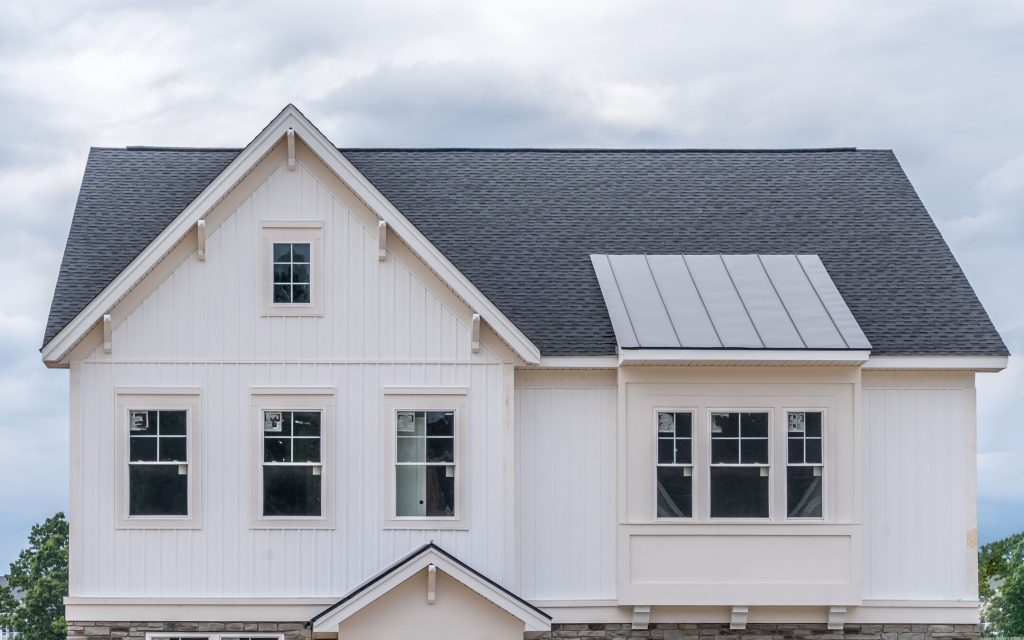
Vertical panels, often with a ribbed or channeled look, are used where a clean vertical line suits the design. They can work as a stand-alone style or as part of a mixed exterior, and they are frequently used on garages, porches, and detached buildings.
- Emphasizes height and a streamlined profile
- Useful as an accent on entryways and garages
- Offers a modern alternative to traditional lap
- Can be installed on a single accent wall to add interest without a full change
Choosing Vinyl Siding Colors That Work
Color is one of the most visible decisions in any siding project, and vinyl offers a huge range. Homeowners in Brecksville and surrounding areas often balance personal taste with neighborhood character, roof color, and long-term fading. A little planning goes a long way toward a result you will enjoy for years, so it is worth taking your time before making a final choice.
Start With Your Roof and Fixed Features
Your roof, brick, stone, and driveway are not changing, so choose siding colors that complement them. Warm roofs pair well with creams and earth tones, while gray roofs often work with cool whites, blues, and charcoals. If you plan to replace the roof soon, consider both projects together so the colors coordinate.
Think About Heat and Fading
Darker colors absorb more heat, so look for products designed to handle that exposure and follow manufacturer guidance. Lighter and mid-tone colors tend to show less fading over time and may be a safer choice for sun-exposed walls. Fading is gradual, but it can become noticeable on south and west facing sides.
Coordinate Trim, Shutters, and Doors
Contrasting trim and accent colors can make a simple exterior feel custom. White trim remains popular, but darker trim or shutters can add a modern look to lighter siding.
Check Samples in Real Light
Colors look different in showrooms than on a full wall, so view samples outside in morning and afternoon light. Holding them against your roof and trim gives a much better sense of the final look.
- Look at samples next to your actual roof and trim
- Check the color at different times of day
- Consider neighborhood guidelines or association rules before deciding
- Take photos of samples in place so you can compare them side by side
What to Know Before Buying Vinyl Siding

Vinyl siding comes in different quality levels, and the cheapest option is not always the best value. Understanding the differences helps you compare quotes fairly and avoid regret later.
| Quality Level | Typical Features | Best For |
| Builder grade | Thinner panels, basic colors, shorter warranties | Tight budgets or short-term ownership |
| Mid-grade | Thicker panels, better color retention, more profiles | Most homeowners seeking balanced value |
| Premium | Thickest panels, richer textures, strongest warranties | Long-term homes and curb appeal projects |
| Insulated | Foam-backed panels with added stiffness and efficiency | Homeowners focused on comfort and energy savings |
A few more points can help you buy with confidence:
- Panel thickness matters: Thicker panels generally resist impact and look flatter and straighter on the wall.
- Installation quality counts: Proper nailing, flashing, and allowance for expansion are essential to performance.
- Check the wall behind the siding: Rot, moisture, or poor flashing should be fixed before new siding goes on.
- Ask about warranties: Compare product and workmanship coverage so you know what is protected.
- Expect a typical lifespan of 20 to 40 years: Quality, sun exposure, and installation all affect how long vinyl lasts.
- Get itemized estimates: Compare scope, materials, and labor rather than just the bottom line.
- Plan for trim and accessories: Corner posts, J-channel, and window trim affect both appearance and cost, so ask how they are included in the quote.
Get Started on Your Vinyl Siding Project With Buckeye State Roofing
Vinyl siding offers a rare combination of affordability, style, and low maintenance, which is why it remains a favorite across Northeast Ohio. Choosing the right type, color, and quality level helps your investment look great and hold up for years. Homeowners throughout Brecksville and surrounding areas count on experienced professionals to guide them through the options and install their siding with care.
Taking time to compare types, test colors in real light, and choose a quality installer helps ensure a result you will be proud of for many years.
If you are ready to explore options for your home, contact us today and let the team at Buckeye State Roofing walk you through your choices and provide a detailed estimate tailored to your project.
