
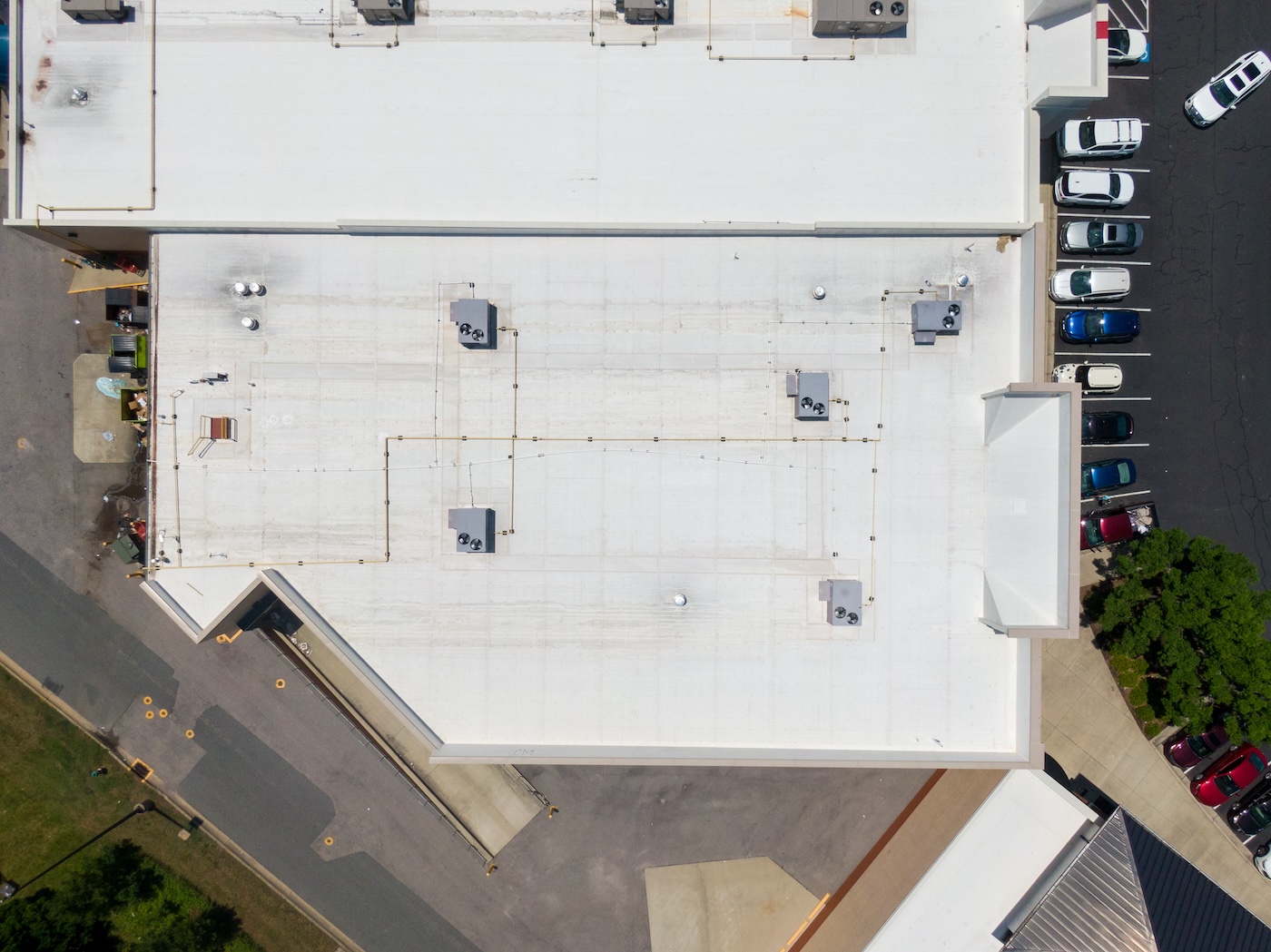
What Is TPO Roofing? Everything You Need to Keep In Mind
12/17/25
6 Min Read
In the world of commercial roofing, understanding the various materials available is essential for making informed decisions that protect your investment. One increasingly popular choice for business owners and property managers is what is TPO roofing, known for its durability and energy efficiency. If you are looking for a modern roofing solution that balances cost and performance, exploring TPO roofing options could be the key to enhancing your building’s protection. For more detailed insights into commercial roofing solutions, you can explore options through reliable commercial roofing services to find what best suits your property’s needs.
- Understand the fundamental characteristics of TPO roofing.
- Learn the key benefits and drawbacks of TPO roofing systems.
- Explore the installation process of TPO roofing for commercial properties.
- Discover maintenance tips and longevity expectations for TPO roofing.
- Compare TPO roofing with other commercial roofing materials.
Why TPO Roofing Is a Significant Choice for Commercial Buildings
Selecting the right roofing system is critical to ensuring that your commercial property remains protected against weather and energy waste. TPO roofing has rapidly gained popularity because of several unique advantages that make it suitable for many projects. Understanding why TPO roofing matters helps you appreciate its role in modern commercial construction.
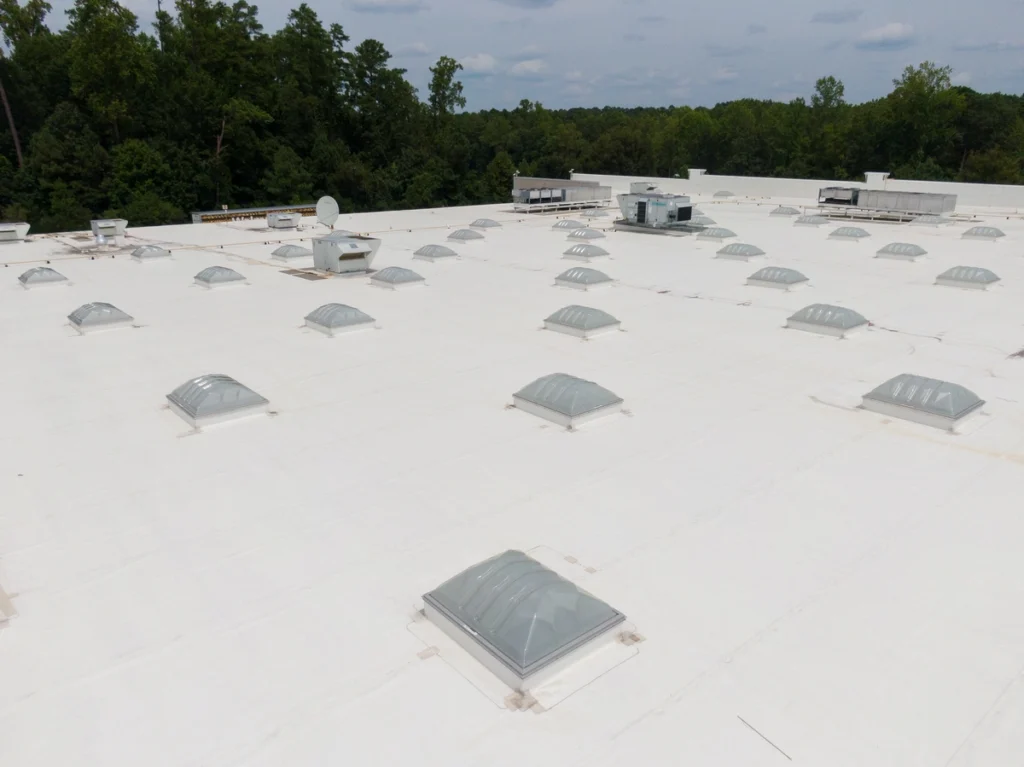
- Energy Efficiency: TPO roofs reflect UV rays effectively, reducing cooling costs significantly during warm months.
- Cost-Effectiveness: Compared to other roofing materials, TPO offers a budget-friendly option without compromising performance.
- Durability: It resists punctures, tears, and chemical exposure, which ensures a longer service life.
- Eco-Friendly Material: TPO membranes are often recyclable and contain fewer harmful chemicals compared to alternatives.
- Ease of Installation: Lightweight and flexible, TPO panels simplify the installation process and can reduce labor time.
5 Essential Things to Know About What Is TPO Roofing
TPO roofing stands for thermoplastic polyolefin roofing, a single-ply membrane that combines several beneficial properties for commercial applications. The following section breaks down the most important aspects of TPO roofing that decision-makers should consider.
1. Composition and Structure
TPO roofing membranes consist primarily of a blend of polypropylene and ethylene-propylene rubber, resulting in a strong and flexible material.
- The single-ply design offers a consistent thickness and reliable performance.
- The membrane’s white or light-colored surface helps reflect solar heat.
2. Energy Savings and Environmental Impact
One of the standout features of TPO roofing is its energy-efficient properties. It reflects sunlight and reduces heat absorption, lowering the building’s cooling costs.
- Reduces urban heat island effect when installed on large flat roofs.
- Many TPO membranes are fully recyclable, supporting sustainability goals.
3. Installation Techniques
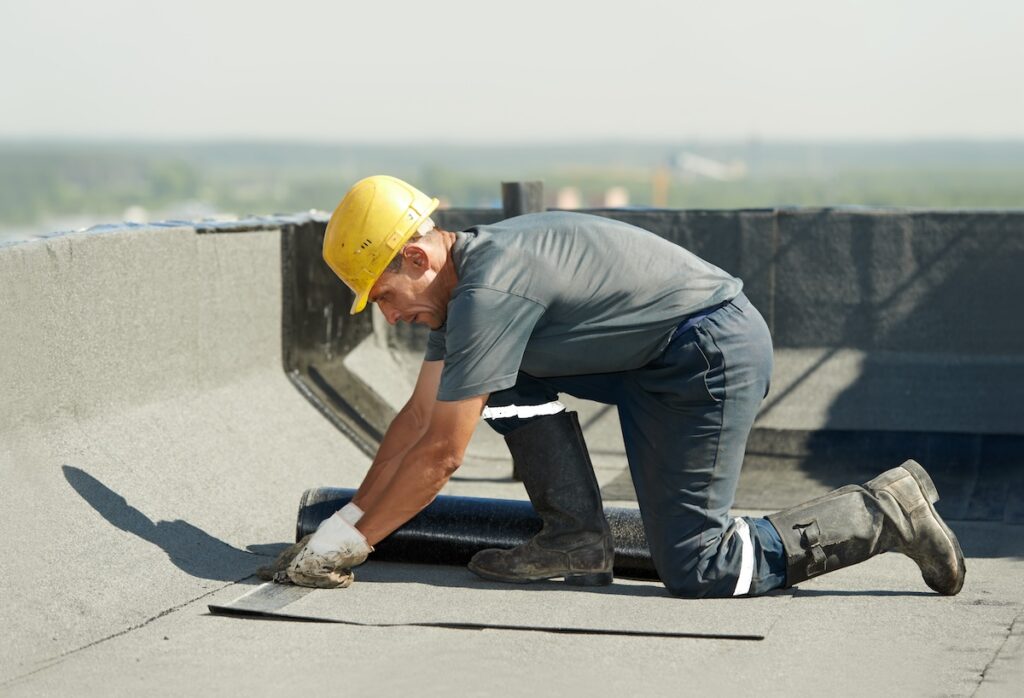
Correct installation is critical for maximizing the benefits of TPO roofing. Methods include mechanically fastening, fully adhering, or ballasting the membrane.
- Professional installation ensures sealed seams for waterproof integrity.
- Flexible installation options suit diverse roof structures and climates.
4. Durability and Maintenance
TPO roofs are known for their toughness, but regular inspections and maintenance can extend their lifespan and prevent costly repairs.
- Inspecting seams and membrane surface annually is recommended.
- Cleaning debris and dirt maintains reflectivity and prevents damage.
5. Cost and Warranty Considerations
The cost of TPO roofing systems typically falls between rubber-based single-ply and traditional roofing options. Warranties offered by manufacturers often range from 10 to 30 years, giving peace of mind to building owners.
- Overall lifecycle cost savings can outpace initial investment.
- Review warranty conditions carefully concerning installation and maintenance requirements.
Maximizing Benefits of TPO Roofing: Tips and Best Practices
Implementing TPO roofing effectively involves more than just selection and installation. Proper ongoing care ensures that your investment remains sound and performs optimally throughout its lifespan.
Routine Inspections and Repairs
Frequent visual checks help identify any punctures, seam issues, or areas where the membrane may be loosening. Addressing minor issues early can prevent leaks and structural damage.
Proper Cleaning Procedures
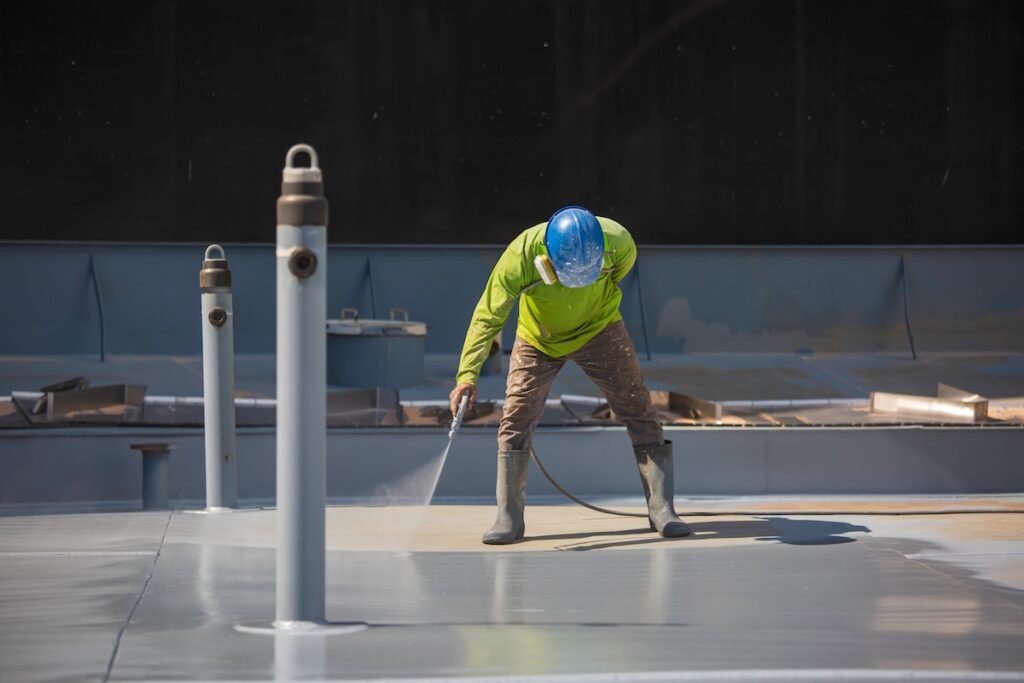
Maintaining the membrane’s reflective surface is vital to energy savings. Use low-pressure washing and mild detergents to remove grime without damaging the material.
Addressing Weather-Related Wear
Protect your roof from debris accumulation and prompt removal after storms. This proactive approach helps avoid stress on the membrane and prolongs its life.
4 Additional Considerations When Choosing TPO Roofing
Before selecting a TPO system for your commercial building, it helps to examine factors beyond cost and membrane type. These elements often influence long-term performance, warranty eligibility, and overall return on investment.
Roof Deck Compatibility
Your roof deck plays a major role in how well a TPO membrane performs:
- Surface condition: A smooth, clean deck helps ensure strong membrane adhesion.
- Material type: Wood, concrete, metal, and lightweight insulating concrete all require specific preparation.
- Moisture content: Trapped moisture can compromise insulation and lead to premature membrane failure.
Climate and Building Usage
Different facilities place different demands on roofing systems:
- Buildings with HVAC exhaust or chemical exposure may require protective walkway pads.
- Facilities with large interior temperature shifts benefit from membranes that move with expansion and contraction.
- Hot climates amplify the benefits of reflective TPO membranes.
Insulation and R-Value Requirements
Insulation is a critical part of any commercial roofing system:
- Increasing insulation thickness can improve energy efficiency and reduce cooling loads.
- Polyiso insulation remains a common choice due to high R-value per inch.
- Well-designed insulation layers help stabilize the membrane and reduce stress at seams.
Future Upgrades and Add-Ons
Commercial buildings often evolve over time:
- Equipment additions may require new penetrations that must be properly sealed.
- Planning ahead for solar installations, safety railings, or walkway pads helps prevent rework.
- A scalable roofing system ensures future upgrades do not compromise watertight integrity.
How TPO Roofing Stands Compared to Other Commercial Roofing Options
Choosing the right roofing system depends on many factors including budget, climate, and building requirements. Comparing TPO roofing with alternatives reveals where it excels and where other options might be preferable.
TPO vs. EPDM Roofing
EPDM is a synthetic rubber roofing material known for durability. TPO provides better energy efficiency and often a more appealing white surface, whereas EPDM is typically black and may absorb more heat.
TPO vs. PVC Roofing
Both are thermoplastic materials; however, PVC roofing sometimes has better chemical resistance but at a higher cost. TPO offers more flexibility and typically a lower price point.
When to Choose Other Roofing Materials
Buildings exposed to extreme chemical environments or requiring specialized insulation may benefit from alternatives like metal or modified bitumen roofing.
Making the Right Choice for Your Commercial Roofing Needs
Understanding what TPO roofing is and its applications equips you with the knowledge to make confident decisions about your commercial property’s roofing system. Its combination of energy efficiency, durability, and affordability make it a top contender for many buildings across various industries.
If you are considering upgrading or installing a new roof, contact Buckeye today to explore whether TPO roofing is the ideal solution for your business. Our experts can guide you through the process from selection to maintenance with tailored advice for your location and building needs.
