Window Types for Your Home: 8 Styles & How to Choose One
8/25/26
8 Min Read
Choosing new windows involves more decisions than most homeowners expect, and understanding the different window types available makes it much easier to find the right fit for your home’s style and function. From classic double-hung windows to modern casement styles, each option offers its own combination of ventilation, energy efficiency, and appearance. Homeowners in Brecksville and surrounding areas planning an exterior update often benefit from guidance from a team experienced across a wide range of home exterior projects when weighing their options. This guide breaks down the most common window types and how to choose the right one for your home.
In this post, you’ll learn:
- Why choosing the right window type matters for your home
- The eight most common window styles and their key features
- How to decide which window type fits your needs
- How different window types compare on cost and energy efficiency
- Tips for getting the most value from your window investment
Why Choosing the Right Window Type Matters
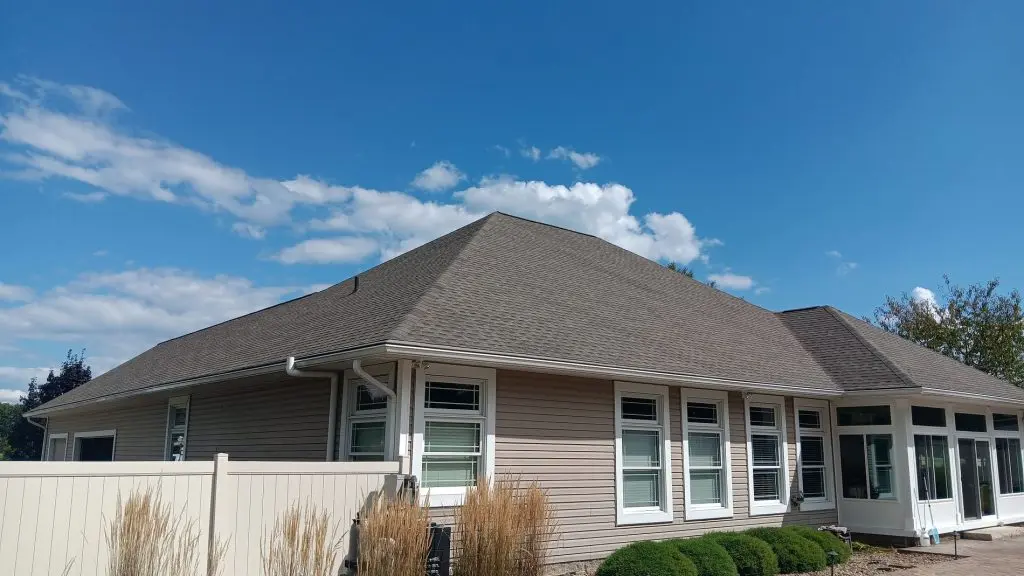
Windows do far more than let in natural light, they play a major role in your home’s energy efficiency, curb appeal, and overall comfort. Homeowners throughout Brecksville and surrounding areas benefit from understanding how different window types perform before committing to a specific style, especially since Ohio’s seasonal temperature swings make window performance a year-round consideration rather than a seasonal one.
- Energy efficiency: The right window type can significantly reduce drafts and heating or cooling costs throughout the year.
- Improved curb appeal: Window style has a major impact on your home’s overall exterior appearance and architectural character.
- Better ventilation control: Certain window types offer more precise airflow control than others, which matters for comfort and air quality.
- Long-term durability: Choosing a window type suited to your climate and usage helps avoid premature wear or maintenance issues.
- Increased home value: Updated, well chosen windows can boost resale value and buyer interest when it’s time to sell.
8 Common Window Types for Your Home
Each window type offers a distinct combination of style, function, and performance. Here’s a closer look at the eight most common options homeowners consider for their properties.
1. Double-Hung Windows
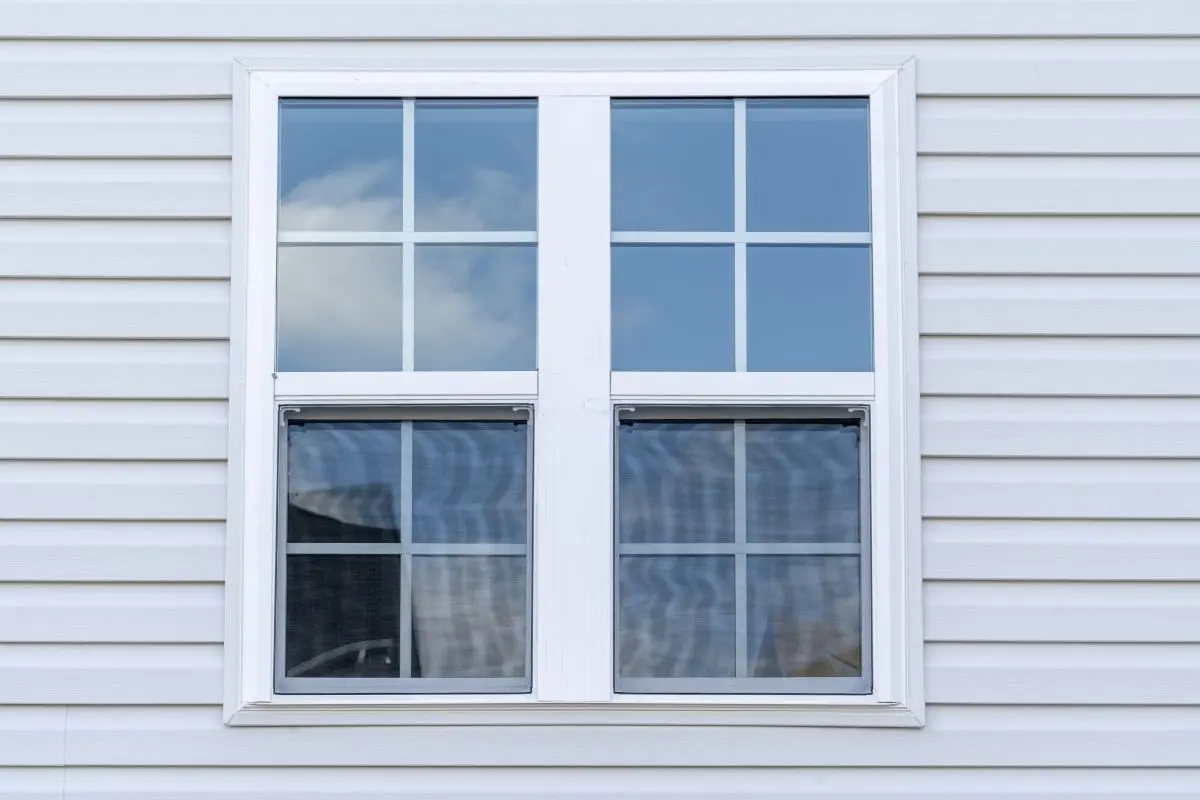
Double-hung windows remain one of the most popular choices for homeowners thanks to their classic look and practical functionality. Both the upper and lower sashes can move independently, allowing for flexible ventilation control, which makes them a versatile choice for nearly any room in the home.
- Easy to clean since both sashes tilt inward for access
- Suits traditional and colonial style homes particularly well
- Offers reliable ventilation with adjustable opening positions
2. Casement Windows
Casement windows open outward using a crank mechanism, creating a tight seal when closed that helps improve energy efficiency. Their unobstructed view makes them a popular choice for rooms where visibility matters, such as kitchens or home offices overlooking a backyard.
- Provides excellent airflow when fully opened
- Creates a strong seal that reduces air leakage compared to sliding designs
- Works well in modern and contemporary home styles
3. Sliding Windows
Sliding windows move horizontally along a track, making them a practical choice for spaces where a swinging window isn’t ideal. Their simple mechanism tends to require less maintenance than more complex window types, which appeals to homeowners looking for straightforward, low-fuss functionality.
- Well suited to wider window openings where height is limited
- Simple operation makes them easy to use for all ages
- Common in modern homes and spaces facing patios or decks
4. Awning Windows
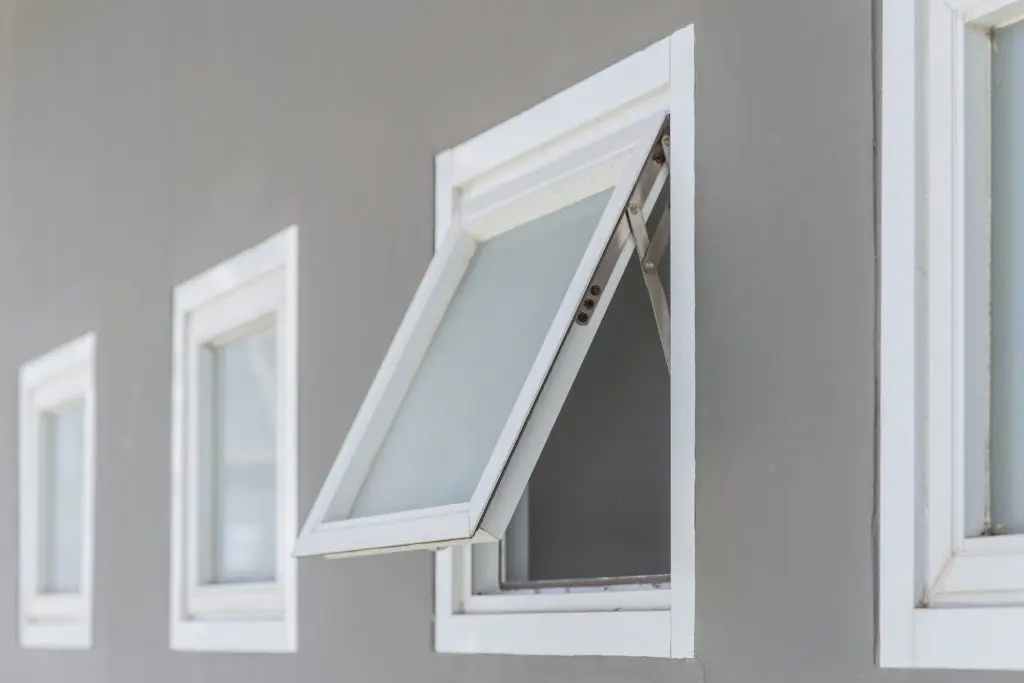
Awning windows open outward from the bottom, creating a small overhang that allows ventilation even during light rain. This makes them a practical choice for bathrooms, basements, or rooms where moisture control matters, since fresh air can circulate without worrying about sudden weather changes.
- Can remain open during rainfall without letting water inside
- Often installed above or below other window types for extra ventilation
- Provides a tight seal that helps improve energy efficiency
5. Bay and Bow Windows
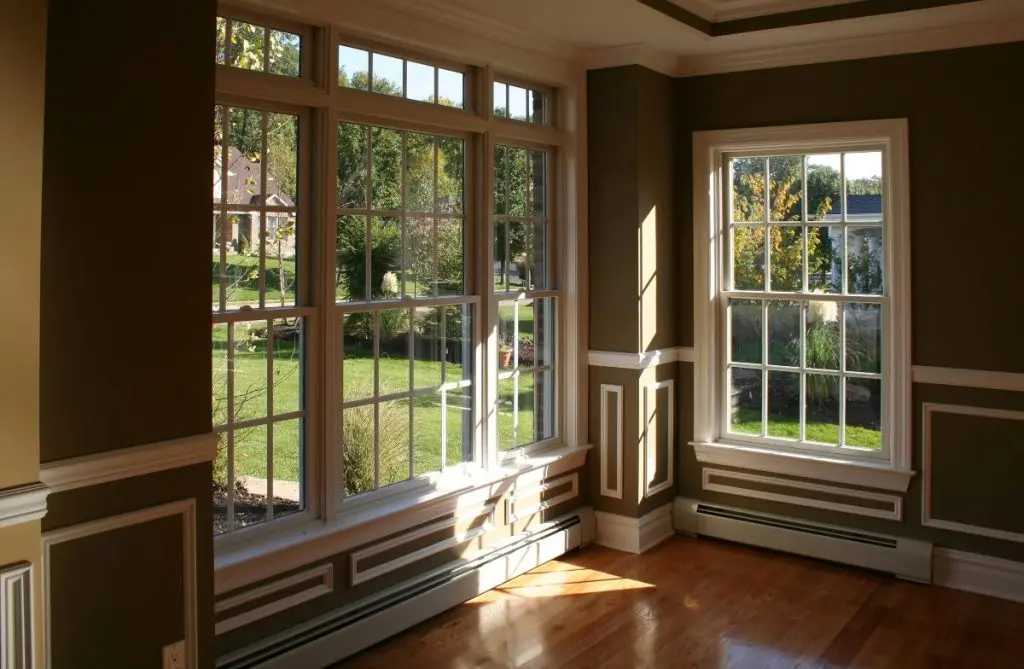
Bay and bow windows extend outward from the home, creating additional interior space and a distinctive architectural feature. These window types are often used to create a focal point in living rooms or dining areas, and many homeowners take advantage of the extra space for a window seat or plant shelf.
- Adds visual interest and often extra interior seating or shelf space
- Allows more natural light into the room from multiple angles
- Typically costs more than standard window types due to their complexity
6. Picture Windows
Picture windows are fixed, meaning they don’t open, and are designed primarily to maximize natural light and views. Their large, unobstructed glass area makes them a popular choice for rooms where ventilation isn’t the primary concern, such as formal living rooms or spaces with a particularly nice view.
- Offers excellent natural light and unobstructed outdoor views
- Provides strong energy efficiency due to the lack of moving parts
- Often paired with operable windows nearby for ventilation
7. Hopper Windows
Hopper windows open inward from the top, tilting downward to create ventilation while remaining compact. This window type is frequently used in basements or smaller spaces where other styles wouldn’t fit well, particularly in areas with limited wall height.
- Compact design suits small or narrow window openings
- Creates a tight seal that helps with energy efficiency
- Commonly used in basements and utility spaces
8. Bay-Style Garden Windows
Garden windows are a specialized type that extends outward to create a small greenhouse-like space, often used for growing plants or herbs near a kitchen window. This window type combines function with a unique aesthetic touch, giving homeowners a charming spot to keep fresh herbs within easy reach while cooking.
- Provides a dedicated space for plants with maximum sunlight exposure
- Adds a distinctive architectural feature to kitchens or dining spaces
- Requires careful installation to maintain proper sealing and drainage
How to Choose the Right Window Type for Your Home
Selecting the best window type depends on several factors specific to your home and lifestyle. Homeowners in Brecksville and surrounding areas should consider the following before making a final decision, since the right window choice often comes down to matching function with the room it will serve.
- Room function: Bathrooms and basements often benefit from awning or hopper windows, while living rooms may suit bay or picture windows better.
- Architectural style: Traditional homes often pair well with double-hung windows, while modern homes may suit casement or sliding styles.
- Ventilation needs: Rooms requiring more airflow control may benefit from casement or double-hung windows over fixed styles.
- Budget considerations: Simpler window types like sliding or double-hung generally cost less than specialty options like bay or garden windows.
- Maintenance expectations: Windows with fewer moving parts, like picture windows, typically require less ongoing upkeep.
Window Types Compared: Cost and Energy Efficiency
Comparing window types side by side helps homeowners understand where each option fits in terms of budget and performance. The table below offers a general overview ofcommon window styles, though pricing can vary depending on frame material and glass options selected.
| Window Type | Relative Cost | Energy Efficiency | Best For |
| Double-hung | Moderate | Good | Traditional homes, general use |
| Casement | Moderate to higher | Excellent | Modern homes, energy-focused projects |
| Sliding | Lower to moderate | Good | Wide openings, patio-facing rooms |
| Awning | Moderate | Excellent | Bathrooms, basements, moisture-prone areas |
| Bay and bow | Higher | Good | Living rooms, architectural focal points |
| Picture | Moderate | Excellent | Rooms prioritizing light and views |
A few additional points worth considering when comparing options:
- Frame material: Vinyl, wood, and fiberglass frames all affect both cost and energy performance regardless of window type.
- Glass options: Double or triple pane glass with low-E coatings can significantly boost energy efficiency across any window type.
- Installation quality: Even the best window type will underperform if not installed correctly, so choosing an experienced installer matters.
- Local climate: Ohio’s seasonal temperature swings make energy efficient window types particularly valuable for year-round comfort.
Get Expert Guidance on Window Types With Buckeye State Roofing
Choosing the right window type for your home involves balancing style, function, and budget to find the best fit for your specific needs. Whether you’re drawn to the classic look of double-hung windows, the energy efficiency of casement styles, or the architectural impact of a bay window, understanding these options helps you make a confident decision. Homeowners throughout Brecksville and surrounding areas trust experienced professionals to help identify the window types that best suit their home and lifestyle.
Taking the time to think through room function, architectural style, and long-term efficiency goals before choosing a window type pays off in comfort and curb appeal for years to come.
If you’re ready to explore which window types are right for your home, contact us today and let the team at Buckeye State Roofing walk you through your options and help you plan your next exterior project.